
Case of missing video in Tarrant jail death stinks. Time for an outside inquiry | Opinion
Another apparent mistake in the Tarrant County Sheriff’s Office threatens to cost taxpayers plenty in litigation over deaths in the jail.
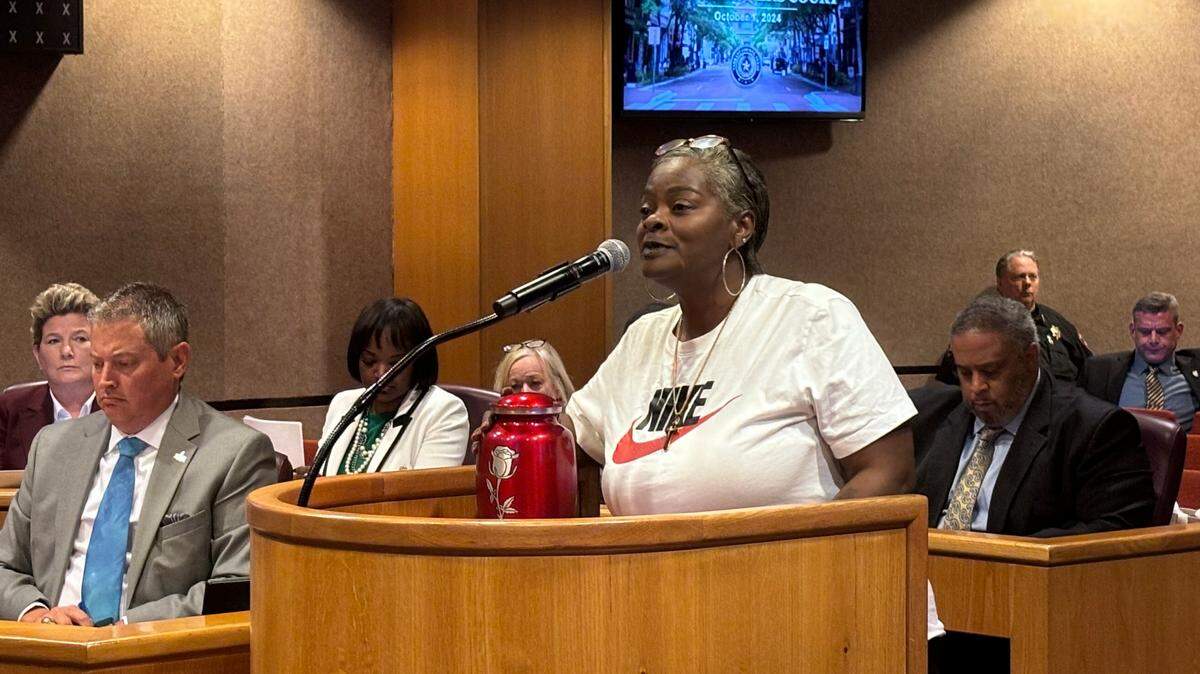
Reporting by the Star-Telegram’s Cody Copeland revealed that video recordings sent to the state as part of an investigation into a 2024 death may be missing three key minutes just before inmate Chasity Bonner suffered a medical emergency. Bonner, 35, soon died of atherosclerotic cardiovascular disease. The county medical examiner attributed the death to natural causes. But Bonner’s family has raised questions about jailers’ response to the emergency and overall procedures in the jail.
At best, the missing video is the result of gross negligence, someone mislabeling or accidentally erasing footage. At worst, it’s a deliberate cover-up. It adds to questions about the jail’s policies and actions under Sheriff Bill Waybourn. And if Bonner’s family sues, it could add still more legal costs and settlement or verdict payments to county taxpayers’ tab. The legal costs in another case, brought over the killing of Anthony Johnson Jr. in the jail, are already approaching $400,000.
We must have a robust, independent investigation of what happened with the footage leading up to Bonner’s death. To have credibility, it can’t be an internal sheriff’s office or county inquiry. The state Commission on Jail Standards may lack the forensic expertise to conduct it. We suggest that Gov. Greg Abbott, who speaks often about defending taxpayers from exorbitant local government spending, dispatch Department of Public Safety officers or Texas Rangers to get to the bottom of it, on behalf of Tarrant County residents.
If it turns out to be a mistake, someone should be fired and procedures should be updated to try to prevent a repeat. If it appears a crime was committed, it may make sense for another county’s district attorney to prosecute the case. The intertwined politics at the county courthouse raise too many questions of possible conflict of interest.
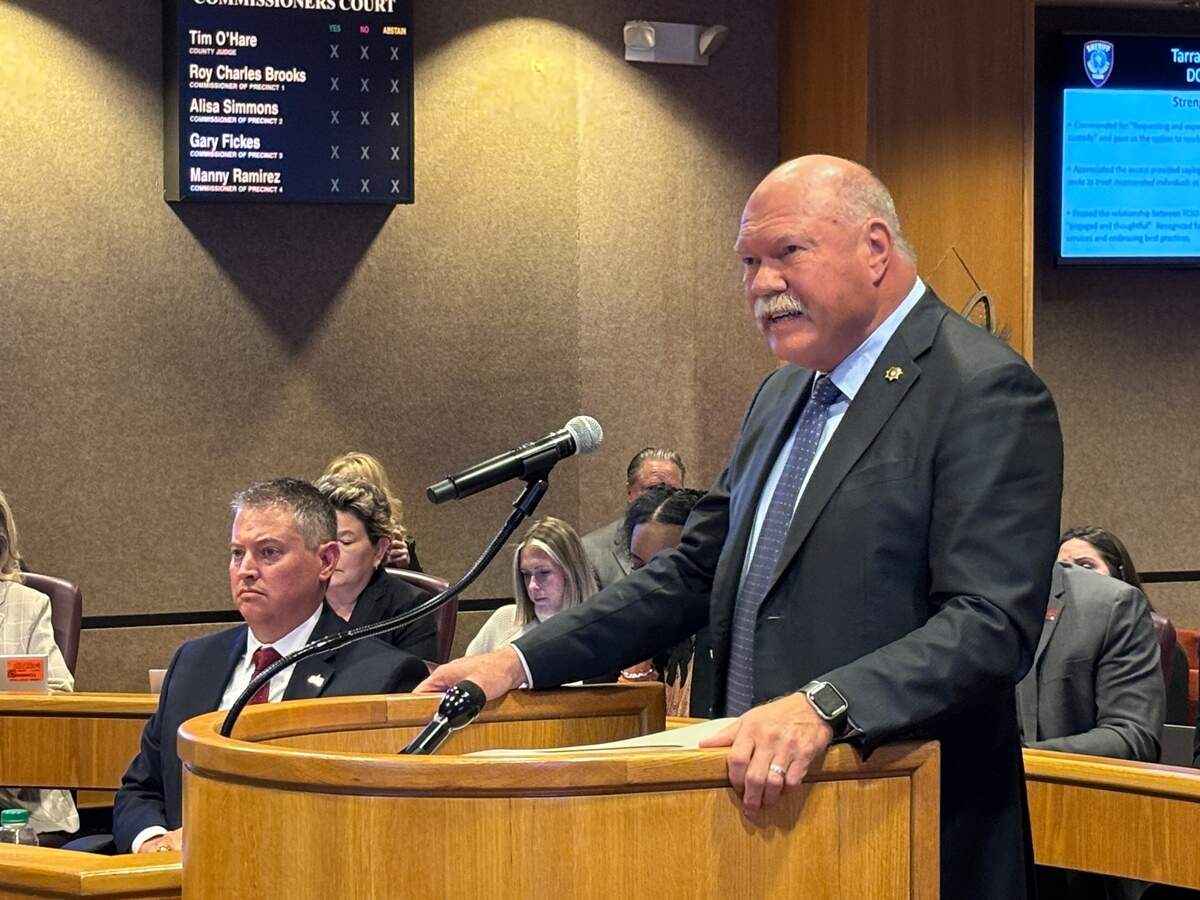
Waybourn has said that concerns about the jail are overblown, citing positive state inspections and a review from federal officials. Bonner’s case fits his frequent explanation for many jail deaths: Inmates arriving at the jail with underlying health conditions that the county must then deal with.
But that’s the nature of the business. The county — on behalf of all of us — assumes responsibility for those jailed. When it’s handled poorly, it costs all of us.
A willingness to admit error and apologize would help, too. Cutting corners on transparency, even if by mistake, simply adds digits to lawsuit verdicts or settlements.
The situation is dire enough that it’s sparked a bipartisan effort to fix it. Legislation offered by Democratic Rep. Nicole Collier of Fort Worth and Republican Rep. David Lowe of North Richland Hills would require new levels of disclosure about county jail deaths, including possible conflicts of interest among law enforcement agencies brought in to investigate them. That’s important because, incredibly, inquiries into some Tarrant County jail deaths consisted primarily of a Fort Worth police detective reviewing the sheriff’s own investigation. That has the look of simply going through the motions or even evading the spirit of the requirement for an independent probe.
There’s even been a change of story on whether the sheriff’s office turned over all the video in Bonner’s case. The state commission and the Fort Worth police initially told Copeland they had not received recordings from one camera, only to backtrack when the sheriff’s office pushed back.
And now, footage may be missing entirely? It stinks.
If there’s an innocent explanation, let’s hear it. If it was a mistake, let’s see Waybourn take action. If it was intention, let’s get lawmen on the case.
Anything less will simply increase the county’s potential legal liability. Oh, and there’s this: It’s just the right thing to do.
BEHIND THE STORY
MOREHey, who writes these editorials?
Editorials are the positions of the Editorial Board, which serves as the Fort Worth Star-Telegram’s institutional voice. The members of the board are: Cynthia M. Allen, columnist; Steve Coffman, editor and president; Bradford William Davis, columnist and editorial writer; Bud Kennedy, columnist; and Ryan J. Rusak, opinion editor. Most editorials are written by Rusak or Davis. Editorials are unsigned because they represent the board’s consensus positions, not necessarily the views of individual writers.
Read more by clicking the arrow in the upper right.
How are topics and positions chosen?
The Editorial Board meets regularly to discuss issues in the news and what points should be made in editorials. We strive to build a consensus to produce the strongest editorials possible, but when we differ, we put matters to a vote.
The board aims to be consistent with stances it has taken in the past but usually engages in a fresh discussion based on new developments and different perspectives.
We focus on local and state news, though we will also weigh in on national issues with an eye toward their impact on Texas or the Dallas-Fort Worth area.
How are these different from news articles or signed columns?
News reporters strive to keep their opinions out of what they write. They have no input on the Editorial Board’s stances. The board consults their reporting and expertise but does its own research for editorials.
Signed columns by writers such as Allen, Kennedy and Rusak contain the writer’s personal opinions.
How can I respond to an editorial, suggest a topic or ask a question?
We invite readers to write letters to be considered for publication. The preferred method is an email to letters@star-telegram.com. To suggest a topic or ask a question, please email Rusak directly at rrusak@star-telegram.com.