
Threats against Tarrant County officials are dangerous. So is blaming the public and media | Opinion
The Tarrant County Sheriff’s Office, rightfully alarmed by threats against county officials, has found the culprits.
It’s your fault. Ours, too.
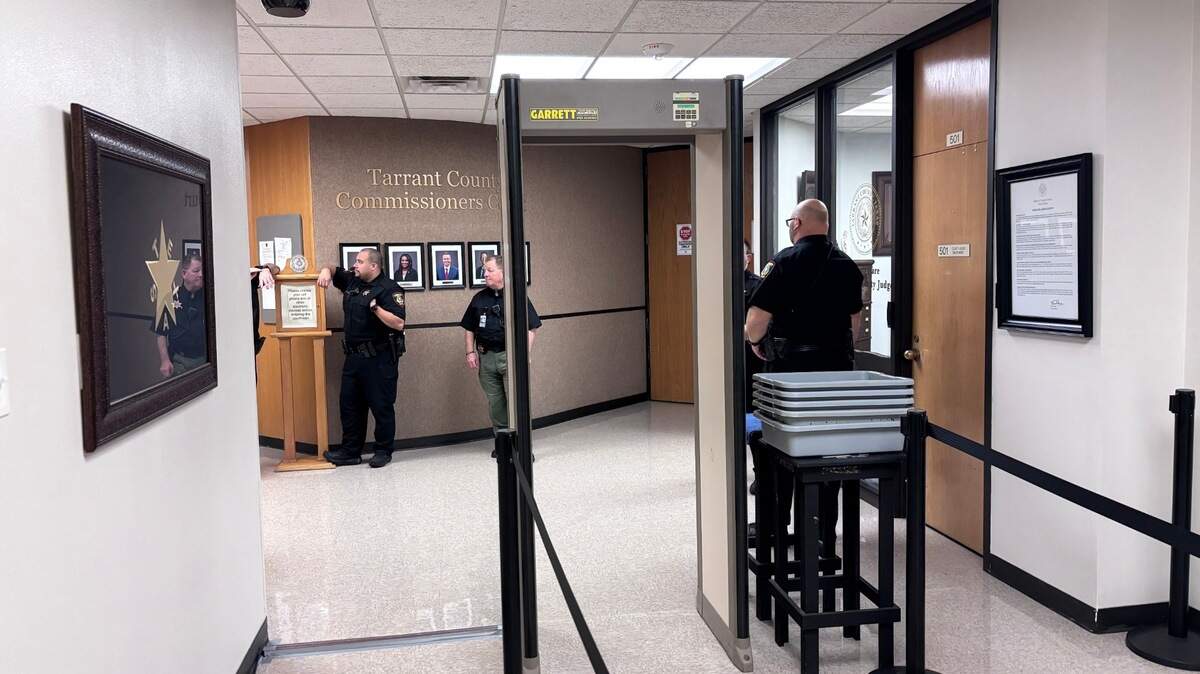
The Feb. 4 Commissioners Court meeting required extra security because of what officials deemed “credible” threats to commissioners. Extra deputies, metal detectors and bag searches were employed for what’s often a sleepy meeting, albeit one that’s recently seen more heated public feedback. It was the culmination of weeks of increasing tension over deaths in the county jail and over who’s allowed to speak or attend meetings.
Later in the day, the Sheriff’s Office issued a humdinger of an explanation — with no official’s name on it.
“Any threat of violence aimed at county personnel and/or elected officials will be investigated and those responsible will be prosecuted,” someone said. So far, so good.
“We can have disagreements on policy or politics, but threats against our civil servants crosses [sic] the line,” the statement continued. 100% agreement here.
“Unfortunately, the recent increase in negative commentary from both the media and the public has led some people to think it’s acceptable to make threatening statements towards our civil servants. We ask everyone — both the public and the media — to support peaceful, democratic processes and conduct themselves in an appropriate manner,” the office concluded.
Um, what?
First, there’s a leap of logic. No arrests connected to the threats have been announced, so how exactly does the office know that commentary is what’s driving them?
Then, there’s the lack of detail. Accusations of inciting violence are serious, even prosecutable. Anyone lodging such charges — and especially a public entity doing so — best bring receipts.
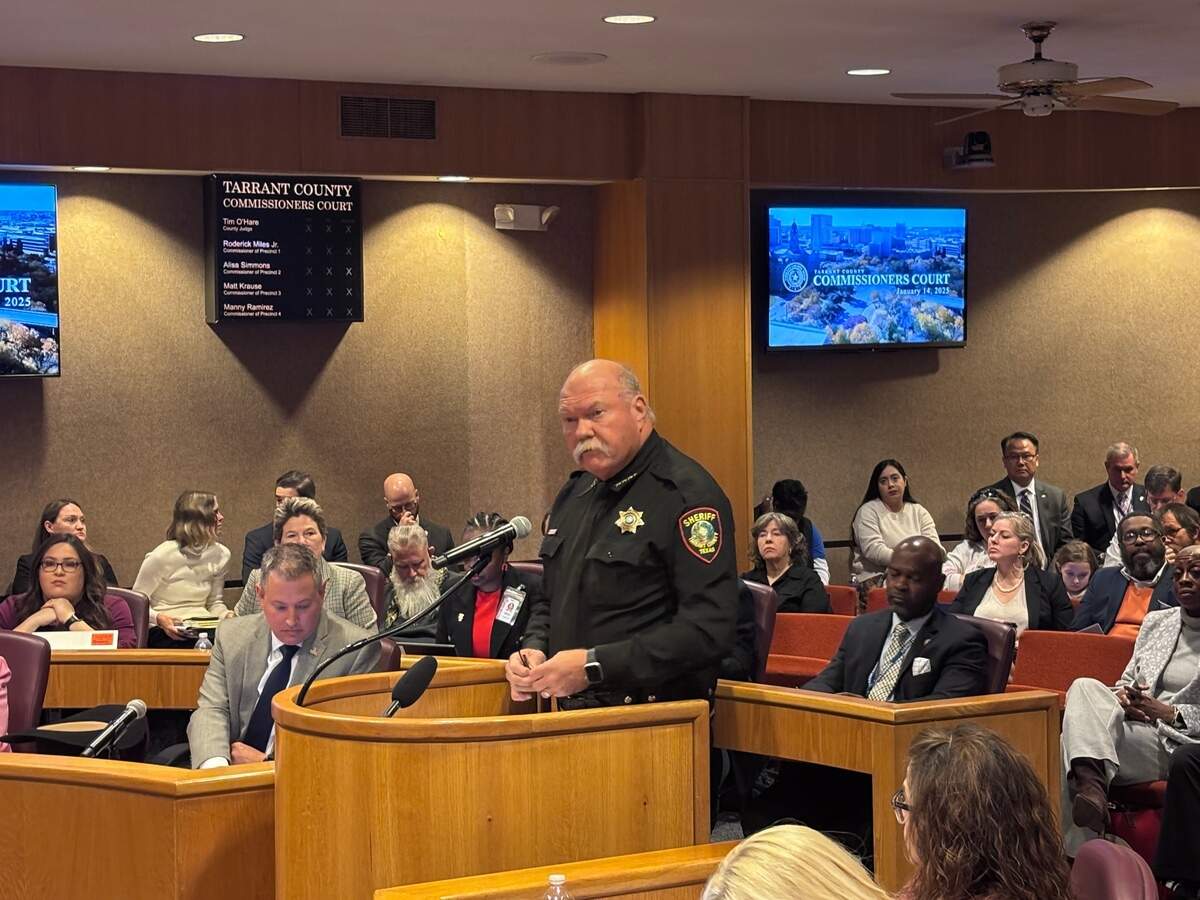
We could easily offer conjecture, too. Maybe what’s “led some people to think it’s acceptable to make threatening statements” is the stream of questionable deaths in the jail that Sheriff Bill Waybourn runs, including one that led to murder charges against two jailers. Or we could suggest that the decay in decorum started with County Judge Tim O’Hare berating a duly elected commissioner or the county penalizing a pastor who dared to speak a few seconds over the designated timeline.
We won’t do that. Unlike the unnamed speaker in the Sheriff’s Office, we believe that the people behaving unacceptably, perhaps criminally, are responsible, not the people speaking words about county government.
No one should condone violence or the threat of it. Nor should public officials use either to stifle dissent or legitimate news coverage or commentary.
Reporters covering the county, particularly the string of questionable deaths in the jail, ask questions to try to hold elected officials accountable. Those officials often won’t answer, which is their prerogative, so reporters seek information from other sources.
The Sheriff’s Office suggests that such coverage should be curtailed, lest someone use it to justify threats. Again, we could say transparency about what happened in the jail deaths could accomplish the same thing — and without threatening to infringe on the Constitution.
If the response at public meetings has intensified, perhaps the sheriff’s lack of transparency has something to do with it. Perhaps answers about whether Mason Yancy, a 31-year-old whose family says his pleas for diabetes medication while jailed went unanswered, leading to his death, would help.
Threats of violence are clearly wrong, and one thing the Sheriff’s Office got right in the statement is that they should be vigorously prosecuted.
But if county officials truly believe that the words spoken by people — citizens and journalists alike — seeking better performance and accountability from their government are the issue, then they should look in the mirror, too.
BEHIND THE STORY
MOREHey, who writes these editorials?
Editorials are the positions of the Editorial Board, which serves as the Fort Worth Star-Telegram’s institutional voice. The members of the board are: Cynthia M. Allen, columnist; Steve Coffman, editor and president; Bradford William Davis, columnist and editorial writer; Bud Kennedy, columnist; and Ryan J. Rusak, opinion editor. Most editorials are written by Rusak or Davis. Editorials are unsigned because they represent the board’s consensus positions, not necessarily the views of individual writers.
Read more by clicking the arrow in the upper right.
How are topics and positions chosen?
The Editorial Board meets regularly to discuss issues in the news and what points should be made in editorials. We strive to build a consensus to produce the strongest editorials possible, but when we differ, we put matters to a vote.
The board aims to be consistent with stances it has taken in the past but usually engages in a fresh discussion based on new developments and different perspectives.
We focus on local and state news, though we will also weigh in on national issues with an eye toward their impact on Texas or the Dallas-Fort Worth area.
How are these different from news articles or signed columns?
News reporters strive to keep their opinions out of what they write. They have no input on the Editorial Board’s stances. The board consults their reporting and expertise but does its own research for editorials.
Signed columns by writers such as Allen, Kennedy and Rusak contain the writer’s personal opinions.
How can I respond to an editorial, suggest a topic or ask a question?
We invite readers to write letters to be considered for publication. The preferred method is an email to letters@star-telegram.com. To suggest a topic or ask a question, please email Rusak directly at rrusak@star-telegram.com.
This story was originally published February 5, 2025 at 3:49 PM.