
FWISD finally sets goals, plan to pull schools out of the mud. Are they good enough? | Opinion
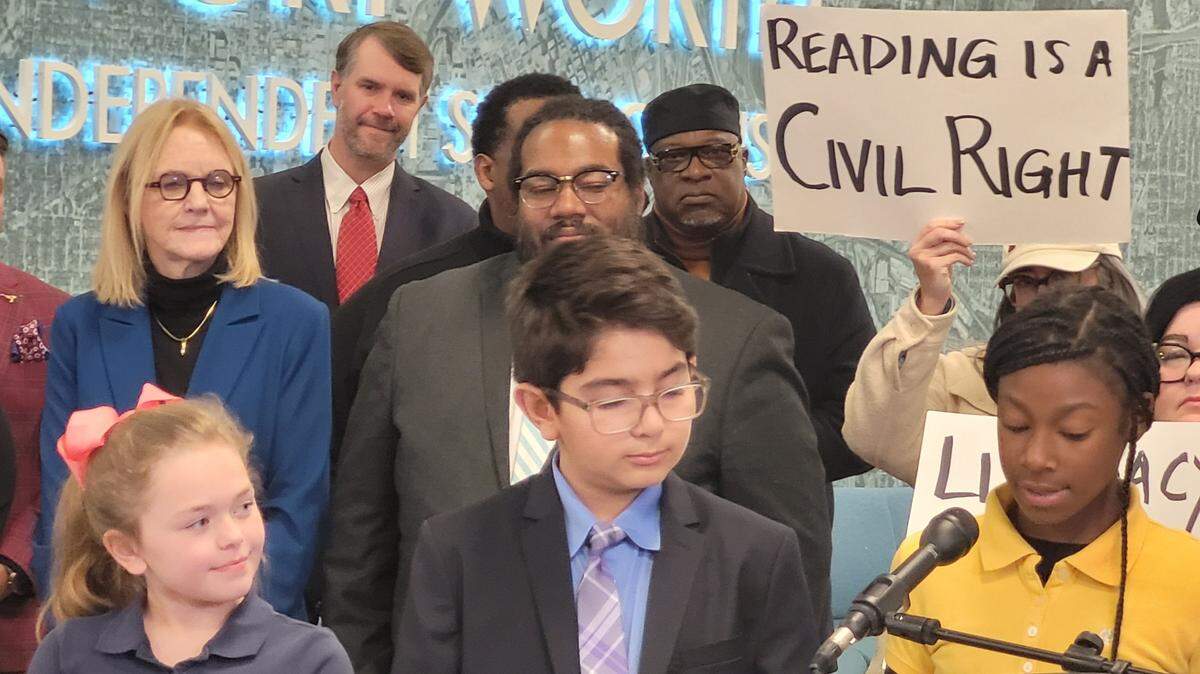
Jan. 21 could go down as the date when the Fort Worth school district finally began to turn around.
The school board, after months when it seemed to lack urgency around the problems called out by Mayor Mattie Parker and other civic leaders, unanimously approved a new strategic plan to focus on academic improvement. Trustees endorsed a resolution declaring literacy the district’s top priority. They also formally launched the search for a new superintendent to make it all happen.
These are important steps, and binding them together sent a message that the district is on the move. But FWISD has had such moments before — including the same literacy pledge nearly a decade ago — only to backslide amid controversy, distracted leadership and political strife.
It will take focus and renewed commitment from all to keep it from happening again.
The centerpiece is the much-improved strategic plan. The board’s rejection of previous Superintendent Angélica Ramsey’s initial offering in July was a huge catalyst toward new scrutiny upon the district. It’s sad to say, but just having a plan that the board endorsed is a significant step.
The plan sets goals that are both ambitious and inadequate. That’s a testament to how far Fort Worth’s schools have fallen. For instance, in areas such as how to reach literacy goals and allocate resources, specifics are lacking. And none of us should be remotely satisfied with a district that needs four years to get half its students to basic functionality in reading.
But we are where we are. Trustees and interim Superintendent Karen Molinar discussed the possibility of reaching higher if the district progresses faster than the plan projects. Let’s hope that comes to fruition.
One welcome and important feature of the plan is a focus on improvement among Black students. They make up nearly 21% of the district’s 75,000 students, and they consistently lag other groups in vital measurements, such as third-grade reading.
Some might balk at singling out such a large demographic group. But it’s a problem borne of years of historical mismanagement and misallocation of resources, nothing inherent to the children or their families. Black parents have long lamented what they see as poor communication, if not outright neglect, from district leaders. It’s appropriate to zero in on ways to right those wrongs.
No top-level plan should be overly prescriptive, and the new superintendent will need flexibility to reach the goals. But large organizations are easily distracted. It’s hard to get everyone pulling in the same direction across more than 140 schools and thousands of employees. Board members and administrators must constantly keep in mind the plan’s four pillars and minimize politics and concerns that, while perhaps important, are not central to the mission.
The next administration must put real money behind the plan, too. Allocating resources is complex, particularly with uncertainty about state funding and the challenge of hiring and keeping good teachers. The issues identified for remediation cannot be addressed without shifting funds, talent and focus to the schools most in need of them.
The resolution on achieving total grade-level literacy is more symbolic. The board unanimously approved it, a welcome sign of commitment, particularly with many city leaders joining a news conference to reinforce an important point — this is not the work of the school district alone. All of Fort Worth has a stake, and many of us have a role.
That said, recall a similar commitment from former Superintendent Kent Scribner, backed by former Mayor Betsy Price, in 2016. The goal was to have all third-graders reading on grade level by … 2025. In the most recent state assessments, not quite a third of them do.
Starting over is never fun, so, the literacy goal, along with those outlined in the strategic plan, should be guideposts for voters. If board members can’t steer the district to these achievements, we need to elect new trustees who will.
The board’s most important task now is to choose the person who will do the heavy lifting. The next superintendent’s tasks are laid out. But after the turmoil of the last few years, who’s best suited to tackle them?
Molinar may have an inside track. Since taking over from Ramsey, she has been forthright about the challenges ahead, including carefully calling out the district’s outreach failures and the community’s role in letting the schools slip. She has decades of understanding of FWISD’s challenges and a head start on the changes outlined in the strategic plan.
But the board should take its time and hear from other candidates. If nothing else, a process of this magnitude is an opportunity to get input from various experts about how they would tackle the job. The current administration and board should be humble enough by now to accept that it has not had the answers. This is a chance to absorb a wide range of perspectives.
Leave no stone unturned. Otherwise, we may be back here in another eight years, with another empty commitment having failed another generation of children. Fort Worth simply can’t afford that.
BEHIND THE STORY
MOREHey, who writes these editorials?
Editorials are the positions of the Editorial Board, which serves as the Fort Worth Star-Telegram’s institutional voice. The members of the board are: Cynthia M. Allen, columnist; Steve Coffman, editor and president; Bradford William Davis, columnist and editorial writer; Bud Kennedy, columnist; and Ryan J. Rusak, opinion editor. Most editorials are written by Rusak or Davis. Editorials are unsigned because they represent the board’s consensus positions, not necessarily the views of individual writers.
Read more by clicking the arrow in the upper right.
How are topics and positions chosen?
The Editorial Board meets regularly to discuss issues in the news and what points should be made in editorials. We strive to build a consensus to produce the strongest editorials possible, but when we differ, we put matters to a vote.
The board aims to be consistent with stances it has taken in the past but usually engages in a fresh discussion based on new developments and different perspectives.
We focus on local and state news, though we will also weigh in on national issues with an eye toward their impact on Texas or the Dallas-Fort Worth area.
How are these different from news articles or signed columns?
News reporters strive to keep their opinions out of what they write. They have no input on the Editorial Board’s stances. The board consults their reporting and expertise but does its own research for editorials.
Signed columns by writers such as Allen, Kennedy and Rusak contain the writer’s personal opinions.
How can I respond to an editorial, suggest a topic or ask a question?
We invite readers to write letters to be considered for publication. The preferred method is an email to letters@star-telegram.com. To suggest a topic or ask a question, please email Rusak directly at rrusak@star-telegram.com.