
Yearlong Tarrant meeting ban for talking 8 seconds too long: Care to explain, Sheriff? | Opinion
Of all the issues that face the Tarrant County Commissioners Court, a Baptist minister speaking eight seconds longer than his allotted time seems like one of the lowest priorities.
But that minor infraction has opened up a major issue where free speech rights and rules of decorum collide.
Two prominent progressive critics of the conservative Commissioners Court have been issued no-trespass warnings by sheriff’s deputies, meaning they can’t attend public court meetings for a while or they risk arrest. The Rev. Ryon Price of Broadway Baptist Church was dinged for the speaking-time violation. Former state Rep. Lon Burnam was warned for approaching the dais to criticize County Judge Tim O’Hare.
The judge says he’ll vigorously enforce the three-minute policy going forward. If so, the Southlake Republican must do so evenhandedly, and the Sheriff’s Office must set clear policies on what kind of violation draws a no-trespass notice and how long that penalty is in place.
The clash comes as our society grapples with the dangers of balancing coarser political rhetoric with robust free-speech rights. At the city level, there’s debate over whether Fort Worth can or should stop white nationalist groups from meeting at government facilities. In the presidential race, where Donald Trump just survived an assassination attempt, the nation grapples with how to remove some of the heat from political disputes at a time of maximum tension.
Asking speakers at a government meeting to adhere to a time limit is not the problem. Three minutes is a reasonable, if generous, amount of time to speak.
It’s the bans that are troublesome. O’Hare suggested it’s up to sheriff’s deputies whether to issue someone a no-trespass notice once he orders their removal. So we need to hear from Sheriff Bill Waybourn on his office’s policies.
What are the guidelines for deputies on whether to issue a warning? How will they determine how long the warning lasts? How was the stiff punishment for Price decided, when Burnam wasn’t given a specific period at all?
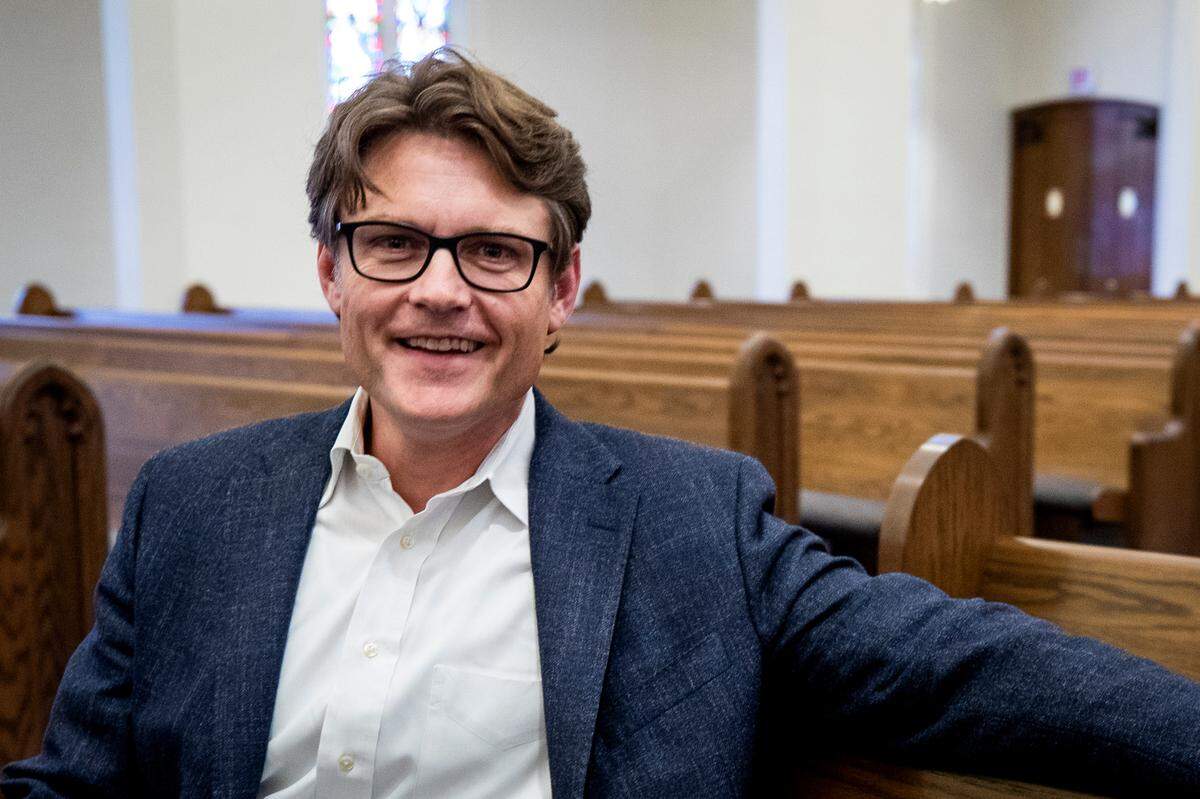
Only consistent application of clear rules will help avoid questions of political favoritism. And not just on the part of the commissioners. Speakers such as Price and Burnam frequently question or criticize the Sheriff’s Office’s operation of the county jail. Punishments that fall excessively on such critics would be a gross violation of the First Amendment.
Right now, there’s no rhyme or reason to it. Price’s offense was minor. He bulled past two warnings from O’Hare, and that was a mistake — but not one that merits a year’s ban.
Burnam was wrong to approach the commissioners without first asking to do so. In this era of political violence, that kind of move could be badly misinterpreted (not that anyone who knows Burnam would think for a moment he’s capable of doing another physical harm).
The city of Fort Worth has struggled with decorum issues, too. Two regular critics of the City Council, Adrian Smith and Bob Willoughby, were banned for months after repeated violations of the speaking policy. There, too, it should be clear in advance what kind of sanction will result, and application must be consistent.
Above all, elected officials and law enforcement must make protecting free speech the overriding priority. Clear policies about the length of speech and disrupting a meeting are appropriate. Sanctions for repeat violators make sense.
But they can never be based on content or political point of view. Public officials must bend over backward to hear even their harshest critics, as long as they follow the rules of public comment.
It may not be pleasant, but it comes with the job.
BEHIND THE STORY
MOREHey, who writes these editorials?
Editorials are the positions of the Editorial Board, which serves as the Fort Worth Star-Telegram’s institutional voice. The members of the board are: Cynthia M. Allen, columnist; Steve Coffman, editor and president; Bud Kennedy, columnist; and Ryan J. Rusak, opinion editor. Most editorials are written by Rusak. Editorials are unsigned because they represent the board’s consensus positions, not the views of individual writers.
Read more by clicking the arrow in the upper right.
How are topics and positions chosen?
The Editorial Board meets regularly to discuss issues in the news and what points should be made in editorials. We strive to build a consensus to produce the strongest editorials possible, but when we differ, we put matters to a vote.
The board aims to be consistent with stances it has taken in the past but usually engages in a fresh discussion based on new developments and different perspectives.
We focus on local and state news, though we will also weigh in on national issues with an eye toward their impact on Texas or the Dallas-Fort Worth area.
How are these different from news articles or signed columns?
News reporters strive to keep their opinions out of what they write. They have no input on the Editorial Board’s stances. The board consults their reporting and expertise but does its own research for editorials.
Signed columns by writers such as Allen, Kennedy and Rusak contain the writer’s personal opinions.
How can I respond to an editorial, suggest a topic or ask a question?
We invite readers to write letters to be considered for publication. The preferred method is an email to letters@star-telegram.com. To suggest a topic or ask a question, please email Rusak directly at rrusak@star-telegram.com.