
Measles is spreading. DC is waffling. Texas must get serious about public health | Opinion

If you weren’t sure how seriously to take the measles outbreak in West Texas, consider this: It prompted Robert F. Kennedy Jr., the new U.S. health and human services secretary, to defend vaccination.
Kennedy, in a recent piece written for Fox News, did not break character completely and urge people to vaccinate their children. But he made a case for how the MMR vaccine sharply curtailed the deadly disease and the dangers measles poses to the unvaccinated. He pledged that his department would support a robust public health response to the outbreak primarily among a Mennonite community in Gaines County, which has killed one child and sickened 159 people as of Tuesday.
In doing so, Kennedy went further than any top state leaders, who have barely bothered to comment on the outbreak, let alone urge Texans to take steps to curtail it. Gov. Greg Abbott pledged that state officials were working to deploy needed resources. But he and Lt. Gov. Dan Patrick haven’t shown yet that they’re doing much to prevent the disease from metastasizing, even as other Texas counties and now nine additional states report possible cases.
It’s all part of the great public health fallout following the COVID pandemic. Leaders on the right have little to say about what government should do in response to a dangerous disease except to defend the right to refuse vaccination.
When you combine the decline of trust in health institutions with uncertainty about nearly every federal government program in the DOGE era and potentially large budget cuts, it increases risk to the public overall. State and local leaders, including trusted physicians and ministers caring for their flocks, must step up to answer concerns, support health infrastructure and take steps to prevent this measles outbreak — and whatever might follow as vaccination rates continue to decline — from getting worse.
The Legislature can no longer keep its head in the sand about the state’s health challenges, either. Texas has a bifurcated health care infrastructure, with robust nonprofit hospital systems and world-class disease treatment in big cities. But rural hospitals struggle to stay open, and Texas continues to outpace other states in the share of the population lacking health insurance.
That adds to the burden on public health infrastructure for urban systems such as Tarrant County’s JPS Health Network. Republican leaders have made clear they don’t want to expand Medicaid. Our state’s version of the program leaves too many gaps for the working poor. It’s past time for state leaders to do something about it.
If big Medicaid cuts are coming from Washington, Texas leaders may be right to continue avoiding expansion. But they must come up with a serious alternative instead, especially to cover kids.
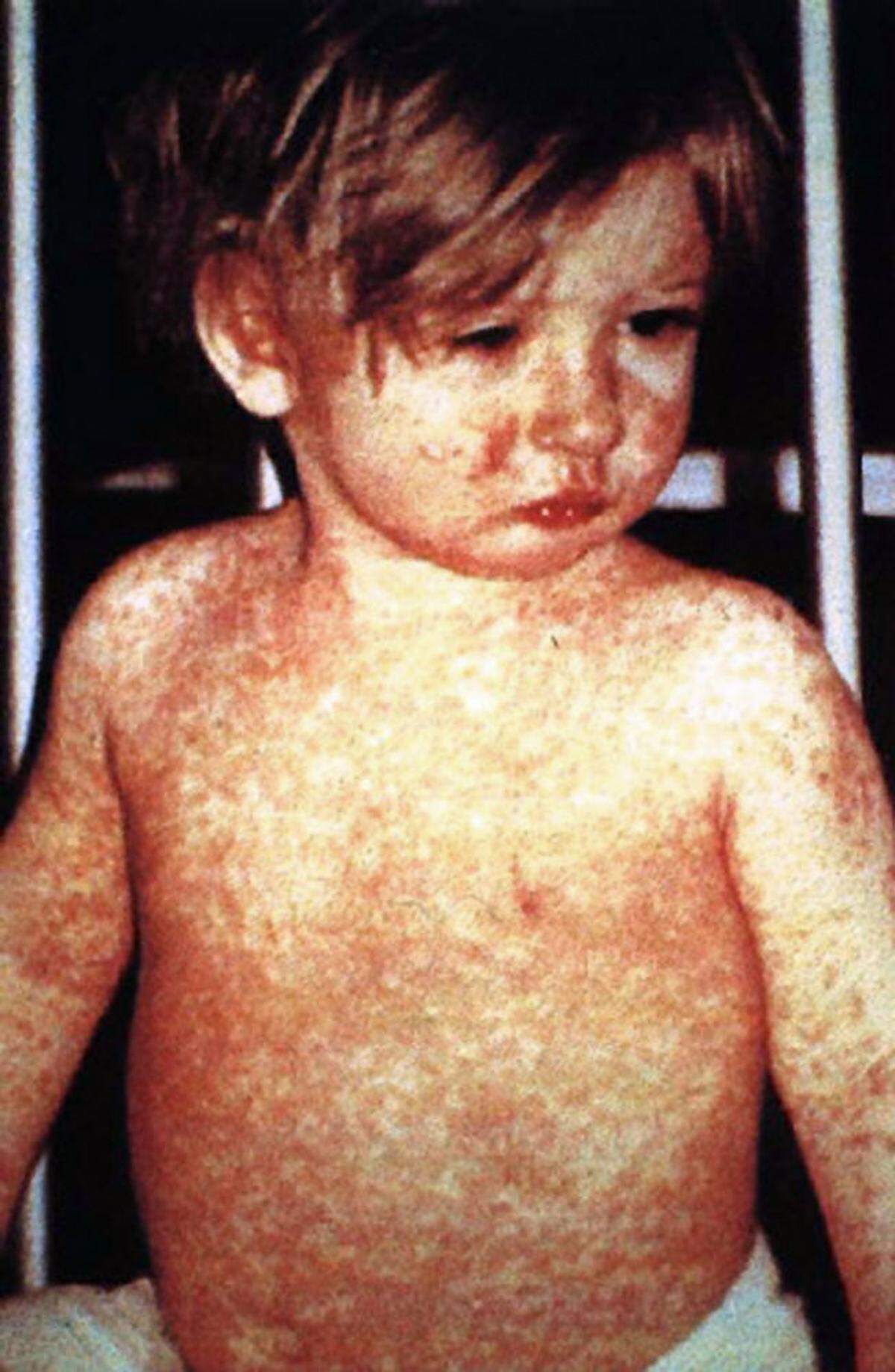
The trickiest and most immediate issue, in light of the measles outbreak, is what to say or do about vaccination. Coercion doesn’t work. Indeed, it creates a backlash. But there’s still room for persuasion.
We should be clear how we got here. A decades-long breakdown of trust in institutions included health officials and systems. Americans can be forgiven for looking at the failures of the COVID response, a healthcare system that has for decades spent far too much for such poor outcomes, and wonder why they should listen to anyone in authority.
But if the alternative is a return of 19th-century scourges, we’ve got to do better. Some parents are reasonably hesitant to give their children so many vaccinations all at once, particularly as the recommended regiment has grown to include diseases such as COVID that pose little threat to children.
One starting step might be to reinforce how older vaccines such as MMR have been so obviously effective in shutting down childhood illness without much risk. Kennedy did this in his Fox News column, though he regrettably declined to do so on camera in a subsequent Fox interview.
The West Texas outbreak is relatively remote, but in the modern era, disease travels. Tarrant County is vulnerable; health officials call the likelihood of cases here “moderate to high.” Vaccination rates among kindergarteners have dropped in recent years, and in some religious-based private schools, the vast majority are unvaccinated.
This is where conservative political and religious leaders should step in, not just for the good of their followers, but to spread a biblical principle: Love thy neighbor. If your fellow Texans aren’t vaccinated against measles and similar diseases, your risk is increased.
American skepticism of authority is ingrained, and often healthy. But we’re all in this together. When it comes to a new era of old diseases, it’s just a question of what exactly we’re in.
BEHIND THE STORY
MOREHey, who writes these editorials?
Editorials are the positions of the Editorial Board, which serves as the Fort Worth Star-Telegram’s institutional voice. The members of the board are: Cynthia M. Allen, columnist; Steve Coffman, editor and president; Bradford William Davis, columnist and editorial writer; Bud Kennedy, columnist; and Ryan J. Rusak, opinion editor. Most editorials are written by Rusak or Davis. Editorials are unsigned because they represent the board’s consensus positions, not necessarily the views of individual writers.
Read more by clicking the arrow in the upper right.
How are topics and positions chosen?
The Editorial Board meets regularly to discuss issues in the news and what points should be made in editorials. We strive to build a consensus to produce the strongest editorials possible, but when we differ, we put matters to a vote.
The board aims to be consistent with stances it has taken in the past but usually engages in a fresh discussion based on new developments and different perspectives.
We focus on local and state news, though we will also weigh in on national issues with an eye toward their impact on Texas or the Dallas-Fort Worth area.
How are these different from news articles or signed columns?
News reporters strive to keep their opinions out of what they write. They have no input on the Editorial Board’s stances. The board consults their reporting and expertise but does its own research for editorials.
Signed columns by writers such as Allen, Kennedy and Rusak contain the writer’s personal opinions.
How can I respond to an editorial, suggest a topic or ask a question?
We invite readers to write letters to be considered for publication. The preferred method is an email to letters@star-telegram.com. To suggest a topic or ask a question, please email Rusak directly at rrusak@star-telegram.com.