
With latest jackpot scandals, it’s clear Texas’ luck with the lottery has run out | Opinion
The bad news for the Texas Lottery Commission is that the agency and its games are suddenly in a harsh spotlight, facing investigations into the very integrity of state-sponsored gambling.
The good news for the rest of us is that there’s never been a better time to end the lottery and get the state out of a business that hurts the poor, adds little to state revenue and offers few redeeming qualities.
Two jackpot wins have the lottery in the crosshairs of major state leaders. One involves a business plan to buy enough tickets in enough number combinations to virtually guarantee a win on a $95 million jackpot. The other raises questions about “courier” services that purchase tickets for customers, some out of state, who request them through an online app.
Top state leaders are moving fast. Gov. Greg Abbott ordered the Texas Rangers to investigate. Attorney General Ken Paxton also launched a probe. Lottery officials, who once said they lacked the power to regulate courier services, now plan to bar retailers from selling to them.
Lt. Gov. Dan Patrick made a show of visiting the facility that sold the winning ticket to a courier service, and it was indeed odd — the Austin shop sells board games, not beer and snacks or your typical convenience store fare. It appeared to be an establishment licensed mostly or entirely to sell courier tickets.
A state agency’s worst nightmare is to have such a scandal break while lawmakers are in session and eager to look responsive. For the Lottery Commission, there’s a double whammy: The agency is up for “sunset” review, the process by which government entities are audited and examined. Lawmakers must vote affirmatively to keep an agency going, often with changes recommended by the Sunset Advisory Commission.
In other words, the Legislature could kill the lottery in a matter of months by doing something it excels at: nothing.
That might seem a harsh reaction to a couple of issues that, to be fair, can probably be fixed through legislation and stricter regulation. But it’s an opportunity for Texans to ask whether, 30 years in, the lottery has lived up to its promises and is worth its considerable downsides.
Texans spent about $8.7 billion on lottery games in fiscal year 2023, with just over three-quarters of that going to scratch-off games. Once prizes and administrative costs were covered, the lottery contributed about $2.2 billion to state coffers.
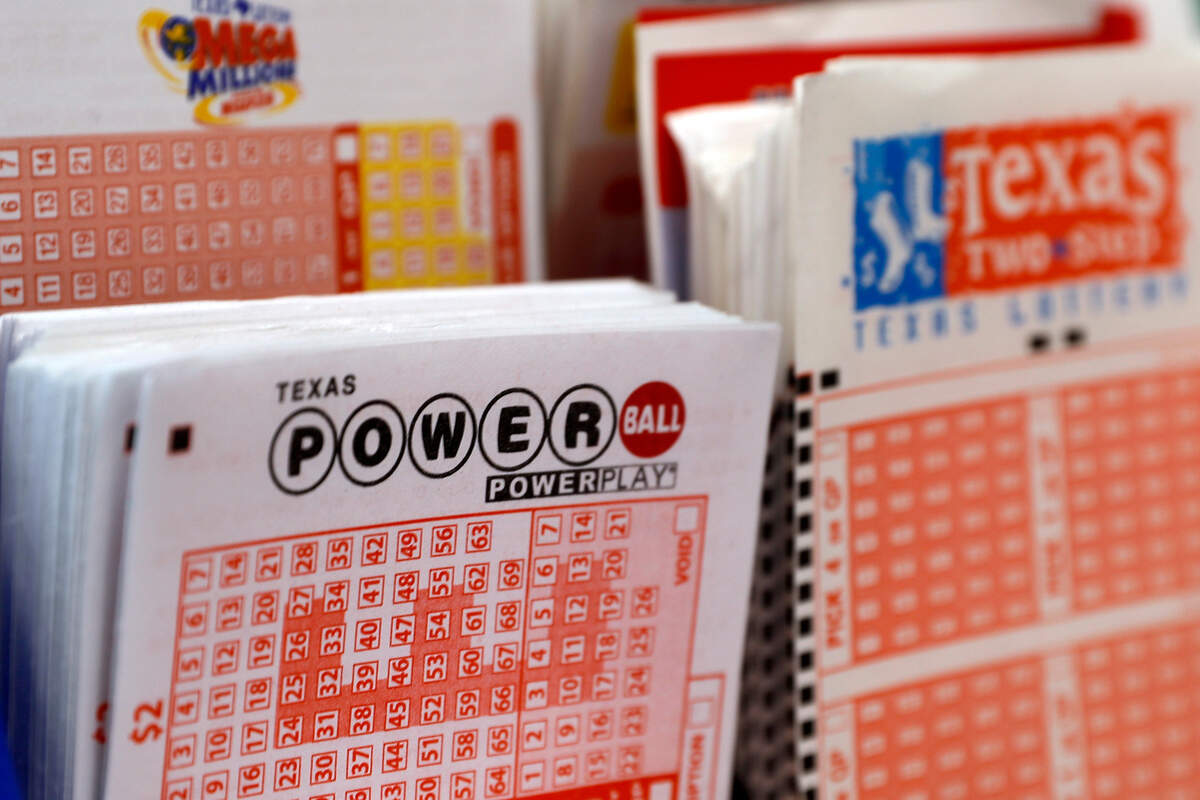
Sounds like a lot of money, right? But the state spends nearly $170 billion a year, factoring in federal funds. Lawmakers are sitting on a surplus of nearly $24 billion for the next two-year cycle. And while there are plenty of needs to account for — we’re particularly keen to see Austin boost spending on public education, water and other infrastructure projects, and reliable electricity — Texas can afford to get out of the gambling business.
Many Texans who remember the 1991 vote to create the lottery feel duped over early suggestions that it would boost public schools. Most of the lottery revenue does, in fact, find its way to education. But it’s not additional revenue; it’s factored into the Legislature’s budgeting. When big shortfalls have forced budget cuts or lawmakers have stalemated over how and whether to spend more on education, it’s not like the lottery has made much difference.
Its cost — and who pays it — is exactly what we could have expected. According to the lottery itself, the people who can least afford it do a disproportionate amount of the gambling, especially when it comes to scratch-off tickets. It’s a tax on the poor.
And it’s one that doesn’t come with even modest social benefits. At least racing supports the horse industry and casinos create tourism jobs and revenue. Apparently, the only thing the lottery creates is elaborate out-of-state purchasing schemes disguised as bespoke board game shops.
Lawmakers are sure to give the Lottery Commission a stern talking-to. The Senate voted unanimously Thursday to ban courier purchases, and lawmakers may pass a measure to address the mass-buying scheme that so far has gotten less attention. But if there was ever a time to muster the will to end the whole sordid business, this is it.
It’s a lesson, too, on the other types of gambling so many are eager to see expanded in Texas. If the state can’t effectively regulate a game it owns, what confidence should we have in its ability to oversee sports betting or casino gambling?
We’ve said before that both could be acceptable if limited and carefully monitored. The odds of that are starting to look about as good as hitting that $272 million Powerball jackpot that’s up Saturday.
BEHIND THE STORY
MOREHey, who writes these editorials?
Editorials are the positions of the Editorial Board, which serves as the Fort Worth Star-Telegram’s institutional voice. The members of the board are: Cynthia M. Allen, columnist; Steve Coffman, editor and president; Bradford William Davis, columnist and editorial writer; Bud Kennedy, columnist; and Ryan J. Rusak, opinion editor. Most editorials are written by Rusak or Davis. Editorials are unsigned because they represent the board’s consensus positions, not necessarily the views of individual writers.
Read more by clicking the arrow in the upper right.
How are topics and positions chosen?
The Editorial Board meets regularly to discuss issues in the news and what points should be made in editorials. We strive to build a consensus to produce the strongest editorials possible, but when we differ, we put matters to a vote.
The board aims to be consistent with stances it has taken in the past but usually engages in a fresh discussion based on new developments and different perspectives.
We focus on local and state news, though we will also weigh in on national issues with an eye toward their impact on Texas or the Dallas-Fort Worth area.
How are these different from news articles or signed columns?
News reporters strive to keep their opinions out of what they write. They have no input on the Editorial Board’s stances. The board consults their reporting and expertise but does its own research for editorials.
Signed columns by writers such as Allen, Kennedy and Rusak contain the writer’s personal opinions.
How can I respond to an editorial, suggest a topic or ask a question?
We invite readers to write letters to be considered for publication. The preferred method is an email to letters@star-telegram.com. To suggest a topic or ask a question, please email Rusak directly at rrusak@star-telegram.com.