
The case for casinos in Texas is weak. And putting one in Fort Worth? No way.
READ MORE
Could casino gambling, sports betting come to Texas in 2023?
Efforts to bring sports betting and expanded casino gambling fell flat during the past legislative session, but some proponents think 2023 could be the year.
Expand All

Texas casino gambling and sports betting: What are the odds the state will legalize it?

The case for casinos in Texas is weak. And putting one in Fort Worth? No way.
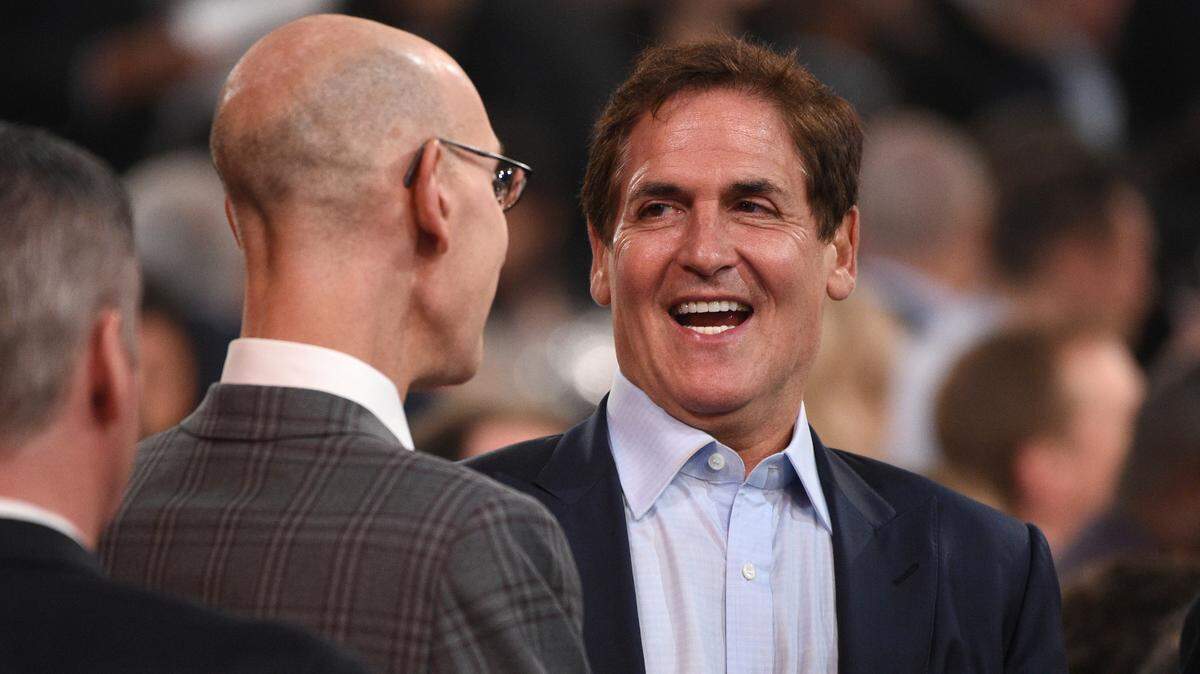
Amid a push for legalized gambling, where do North Texas’ professional sports teams stand?
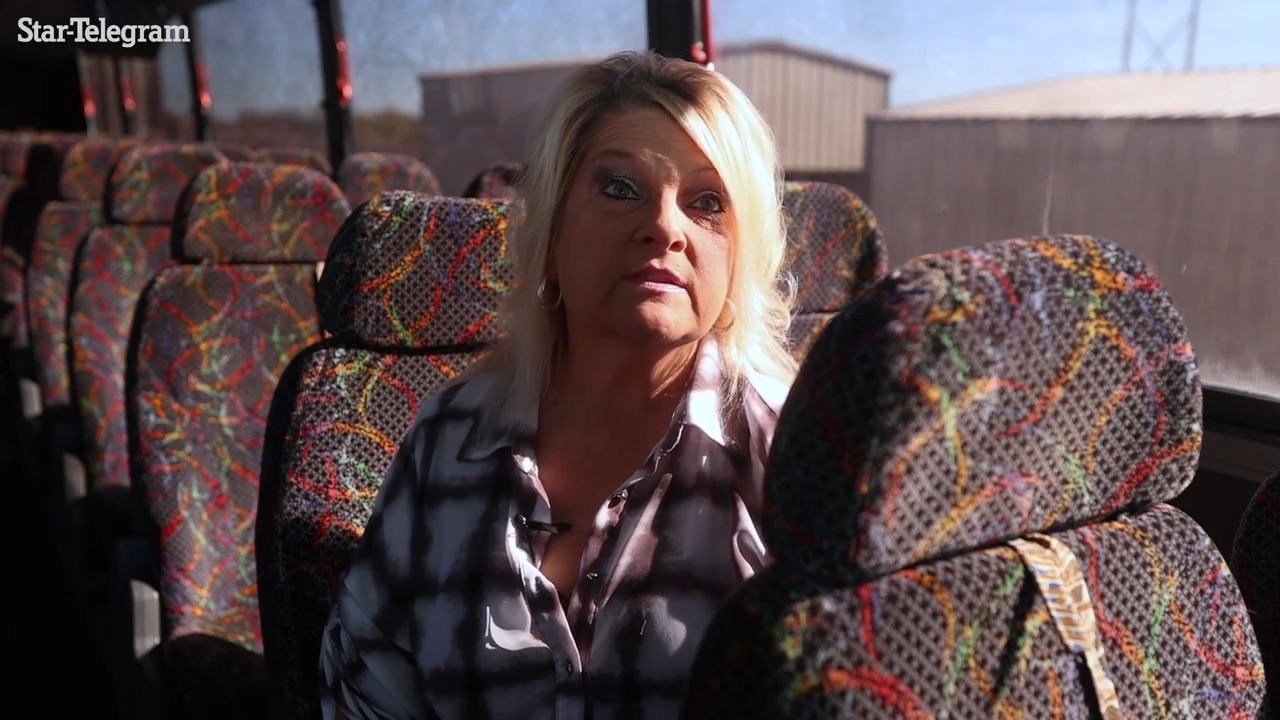
Legalizing gambling in Texas ‘would be a huge break for us,’ says local business owner
The argument in favor of expanding gambling and allowing casinos in Texas always begins this way: Look at all those Lone Star license plates in the lots at WinStar and Choctaw!
The follow-up, inevitably, is: Let the people decide!
The demand is there, and maybe it makes sense to keep those drivers (and their dollars) in Texas. But we do not need them in Tarrant County. And despite what polls show, there’s no huge outcry for the Legislature to put the question to the voters.
If that desire develops, an election is fine. But the proposed expansions of gambling should be specific and limited. And the debate should be deeper than it has been. We’re far from convinced that casinos would make the state better.
Any time there’s a deficiency in the state budget, gambling advocates suggest tax revenue from gambling can fill the void. The most generous revenue projections of up to $3 billion a year sound great, until you realize the state spends more than $120 billion a year, with billions more in reserve. Factor in additional costs such as more regulators, and a gambling expansion isn’t much of a windfall.
The best argument, as Lt. Gov. Dan Patrick notes, might be the additional tourism that gambling would engender. For some parts of Texas, it could be a real boon, creating jobs and boosting local restaurants, hotels and retailers.
In Tarrant County, though, we have plenty of attractions. Our tourism business is robust, and while more is always nice, the tradeoffs aren’t worth it.
Modern, Vegas-style casinos are a far cry from the dingy dens of iniquity pictured in old films. Most are sleek, well-run businesses that try to project an upscale image. But that doesn’t mean casinos are good for attracting top industry. As Fort Worth focuses on drawing and incubating companies that will drive the future in technology, medicine and other leading fields, casinos would be a distraction.
Short of resort-style casinos, Texas should consider more modest openings for two gambling activities growing in popularity: poker and sports betting.
The card craze dates back years, thanks in part to the boom of televised Texas Hold ’em, the game popularized by North Texas natives Benny and Jack Binion. Some card rooms are operating legally by following rules such as not having a house take, and many more simply stay underground.
The legitimacy of sports gambling arrived even more suddenly, to the point that pro leagues that once tried to portray a wall between their business and betting are embracing gambling partners. Once-quiet talk about sports betting is out in the open. Sports-obsessed Texans need legitimate venues to wager.
Texas needs a robust debate before any election throws the doors open to more gambling. We need specific plans that voters can weigh, with honest discussion of tradeoffs and the limits of what gambling revenue can do for Texas.
The talking points that insist voters badly want a say and would overwhelmingly endorse casinos are rooted in some truth. But public opinion polls on issues such as gambling generally measure only surface attitudes.
Once voters are presented with the full case about the harm done to the effort to create better-paying jobs, the risks of gambling addiction and limited tax revenue, what looks like a solid majority may diminish just as quickly as a huge stack of chips at the blackjack table can.
BEHIND THE STORY
MOREHey, who writes these editorials?
Editorials are the positions of the Editorial Board, which serves as the Fort Worth Star-Telegram’s institutional voice. The members of the board are: Cynthia M. Allen, columnist; Steve Coffman, editor and president; Bud Kennedy, columnist; Ryan J. Rusak, opinion editor; and Nicole Russell, editorial writer and columnist. Most editorials are written by Rusak or Russell. Editorials are unsigned because they represent the board’s consensus positions, not the views of individual writers.
Read more by clicking the arrow in the upper right.
How are topics and positions chosen?
The Editorial Board meets regularly to discuss issues in the news and what points should be made in editorials. We strive to build a consensus to produce the strongest editorials possible, but when we differ, we put matters to a vote.
The board aims to be consistent with stances it has taken in the past but usually engages in a fresh discussion based on new developments and different perspectives.
We focus on local and state news, though we will also weigh in on national issues with an eye toward their impact on Texas or the Dallas-Fort Worth area.
How are these different from news articles or signed columns?
News reporters strive to keep their opinions out of what they write. They have no input on the Editorial Board’s stances. The board consults their reporting and expertise but does its own research for editorials.
Signed columns by writers such as Allen, Kennedy and Rusak contain the writer’s personal opinions.
How can I respond to an editorial, suggest a topic or ask a question?
We invite readers to write letters to be considered for publication. The preferred method is an email to letters@star-telegram.com. To suggest a topic or ask a question, please email Rusak directly at rrusak@star-telegram.com.