
To stay on top, Texas needs better schools, cheaper housing. Lawmakers, get to work | Opinion
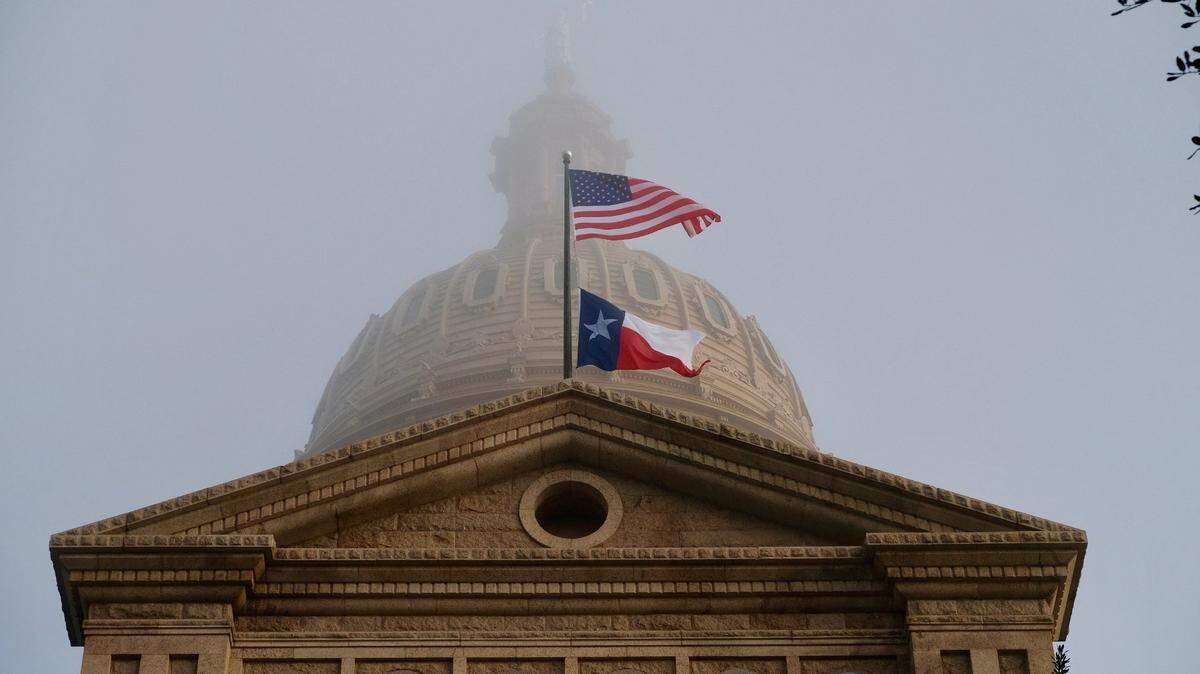
It’s inevitable that politics will dominate the first weeks of the new Texas Legislature session that begins Jan. 14.
The first order of business in the House will be to elect a new presiding officer to replace Speaker Dade Phelan. Republicans are battling over whether Mansfield Rep. David Cook or Lubbock Rep. Dustin Burrows is the more conservative choice. Then comes weeks of organizational work, forming committees — a significant way that power is distributed, friends are rewarded and opponents punished.
Once the work of legislating begins in earnest, lawmakers of all stripes should have one priority in mind: protecting the Texas economic miracle.
All the growth and clout that the state has amassed in 40 years didn’t happen by accident. Reasonable pro-business policies created an environment ripe for expansion. Wise legislators are those who see the tiniest cracks in that foundation and work to patch them before they become a crisis. That kind of foresight is needed now: Texas faces challenges in affordability and infrastructure that could endanger its prosperity if they aren’t addressed soon. Here are some we urge lawmakers to focus on.
EDUCATION: NOT JUST SCHOOL VOUCHERS
Republicans are determined that this is the year for a law that allows parents to use state money for private-school tuition or other education expenses. You’ll hear it called vouchers, school choice and education savings accounts. School districts and education groups hate the idea, but Gov. Greg Abbott made it a campaign issue and triumphed. Lt. Gov. Dan Patrick says the Senate will pass a bill as early in the session as possible.
We’ve consistently said that a limited program is worth trying to see what works and possibly to jolt schools and districts that have languished for years, even decades. But that cannot be the only education policy the Legislature tackles. After all, the vast majority of students will remain in public schools. Texas teachers need raises, meaning school districts need significant new funding.
Accountability standards and measuring achievement should be on the agenda, too. Test scores aren’t everything, but they consistently show an alarming rate of failure in reading and math. Texas needs a better mixture of carrots and sticks to prompt better performance.
YOUR MONEY: THE TEXAS SURPLUS AND PROPERTY TAXES
Comptroller Glenn Hegar has estimated that lawmakers will have about $20 billion more to spend in the next two-year budget, the product of continued economic strength. But it’ll go fast. From the aforementioned school voucher and education spending to the continued effects of high inflation, tough choices lay ahead.
There will be a push to again cut local property taxes. Doing so is essentially a trade-off: The state pays a higher share of public-education costs and school districts reduce their tax rates. Republican leaders will want to continue the march of recent cuts, but anything approaching the $18 billion approved in 2023 is unlikely.
IMMIGRATION, THE BORDER AND THE TRUMP ADMINISTRATION
One way to free up more money for tax cuts and other priorities might be for Texas leaders to leverage their relationship with the incoming Republican administration in Washington. President-elect Donald Trump is determined to curtail illegal immigration, and Texas Republicans vow to help him. At the same time, though, perhaps the state can recoup some of the billions it has spent in the last decade on what should be a federal job.
It’s not that Texas has to pull back from the mission; it’s that the bill should land in Washington, not Austin. At the same time, Texas should fight for the workforce needs that lay ahead. Abbott and Patrick both have Trump’s ear; why not urge him toward protecting visas for needed workers while securing the border?
We can even imagine (or hope for) a relationship with Washington that relies less on lawsuits and more on conservative innovation in areas such as healthcare. Texas is one of the few holdouts on expanding Medicaid, even among Republican states. Why not work with Trump and the GOP-controlled Congress for a plan that expands health access in a way that Texas finds affordable? Our ailing rural hospitals and the major urban hospitals straining with the burden of uncompensated care would be the winners.
AFFORDABILITY: HOUSING AND INSURANCE
Problems in the housing market reach far beyond Texas, driven by inflation, interest-rate increases and a slow real-estate market. But part of what’s made Texas so attractive for workers is the ability to buy and maintain a reasonably priced home.
That prospect has taken a real beating in recent years. Fort Worth is at the forefront of the housing issue, with the median home price increasing by $100,000 in a recent five-year period. And insurance premiums jumping 21% in a year, according to the Houston Chronicle, has put another crunch on the family budget that makes home ownership harder.
Lawmakers are likely to consider lessening cities’ ability to restrict home construction through zoning. While some zoning reform is wise, it would be a mistake to impose a one-size-fits-all policy from Austin. Abbott has also raised concerns about corporations buying up too much housing stock for rentals, but it’s hard to envision a major crackdown on institutional investors in a free-market focused state.
Texas has always been a little too friendly to large insurance companies. Over-regulating the market would be a mistake, but a robust examination of the cause of increased premiums and incentives to drive down prices, such as limiting construction in high-risk areas and requiring updated construction, is overdue. Auto insurance rates are hurting Texans, too, as inflation spikes the cost of cars and repairs.
These are complex issues, and the Legislature must balance competing interests. The main thing is for lawmakers to focus and think long-term. Invariably, news events will draw something to the forefront that few initially considered a priority. And there will be the usual dumb political distractions.
The House and Senate have just five months to shore up the strengths that have driven Texas to the top.
BEHIND THE STORY
MOREHey, who writes these editorials?
Editorials are the positions of the Editorial Board, which serves as the Fort Worth Star-Telegram’s institutional voice. The members of the board are: Cynthia M. Allen, columnist; Steve Coffman, editor and president; Bradford William Davis, columnist and editorial writer; Bud Kennedy, columnist; and Ryan J. Rusak, opinion editor. Most editorials are written by Rusak or Davis. Editorials are unsigned because they represent the board’s consensus positions, not necessarily the views of individual writers.
Read more by clicking the arrow in the upper right.
How are topics and positions chosen?
The Editorial Board meets regularly to discuss issues in the news and what points should be made in editorials. We strive to build a consensus to produce the strongest editorials possible, but when we differ, we put matters to a vote.
The board aims to be consistent with stances it has taken in the past but usually engages in a fresh discussion based on new developments and different perspectives.
We focus on local and state news, though we will also weigh in on national issues with an eye toward their impact on Texas or the Dallas-Fort Worth area.
How are these different from news articles or signed columns?
News reporters strive to keep their opinions out of what they write. They have no input on the Editorial Board’s stances. The board consults their reporting and expertise but does its own research for editorials.
Signed columns by writers such as Allen, Kennedy and Rusak contain the writer’s personal opinions.
How can I respond to an editorial, suggest a topic or ask a question?
We invite readers to write letters to be considered for publication. The preferred method is an email to letters@star-telegram.com. To suggest a topic or ask a question, please email Rusak directly at rrusak@star-telegram.com.