
Shocker! Stupid state law on ‘defunding’ police has unintended consequences for Tarrant | Opinion
Legislation drafted and passed in a time of impending crisis sometimes doesn’t hold up on a second look. Instead of preventing a problem, it conjures up silly debate and even confusion.
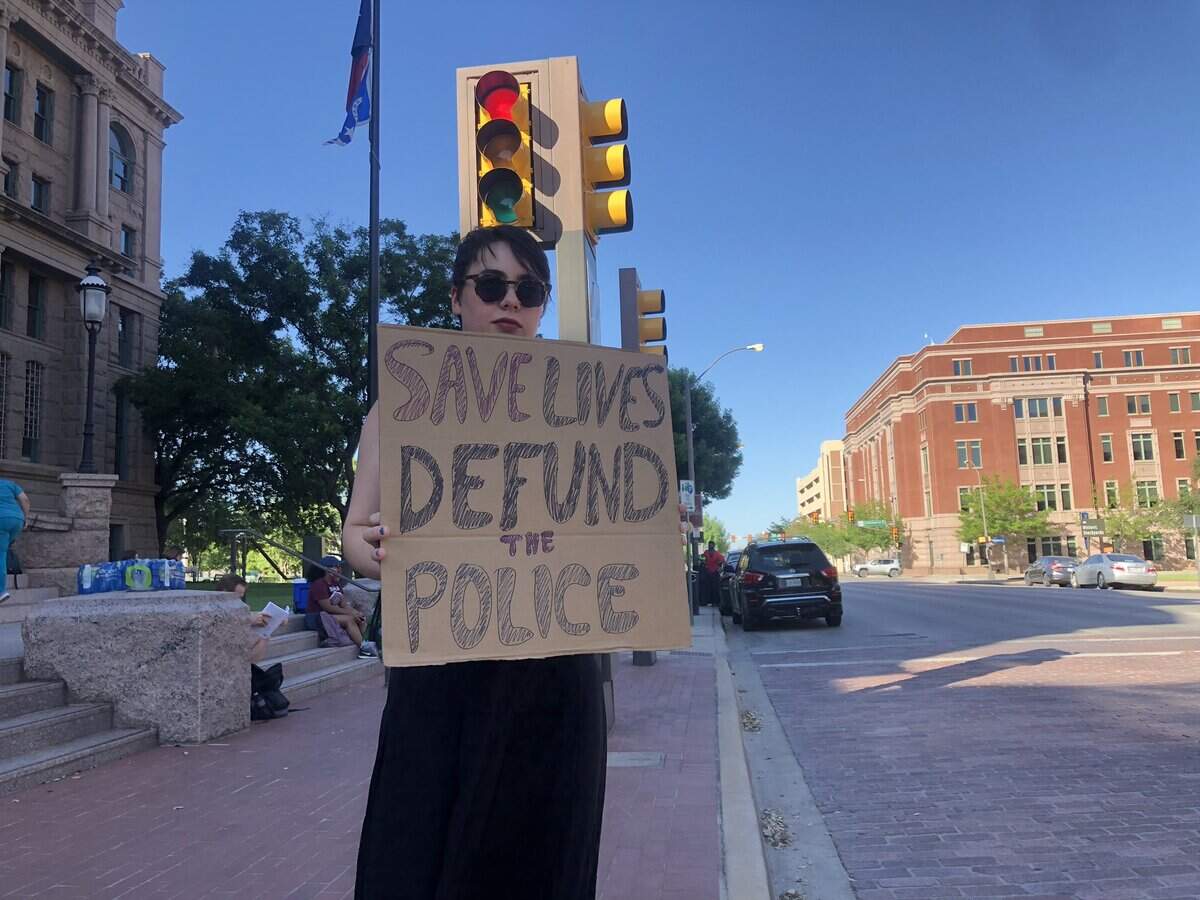
The Texas Legislature’s efforts to prevent cities from “defunding the police” is one of these. It was passed in 2021 when a handful of cities were tossing that idea around in the midst of incredible racial tension over policing. Now the specifics have returned to haunt Tarrant County law enforcement, a ghost of legislatures’ past if you will, stirring up controversy and wasting time and resources.
County commissioners are currently trying to determine how to handle what should be a simple staffing matter. The Commissioners Court voted, 4-0, this week to create a bailiff position in one of the county’s criminal courts, to be filled by transferring an employee in from another area. However, officials are concerned it could violate the state law that bans local governments from cutting law enforcement budgets. So they’ve sought a legal opinion from the District Attorney’s Office.
Of course, transferring an employee from one department to another is not remotely close to cutting a budget with the intent to “defund” police. But as Precinct 1 Commissioner Roy Charles Brooks noted, when redistricting changes for justices of the peace and constables caused an unbalanced workload, the county couldn’t transfer deputies under state law.
Plenty of complicated issues require legal advice; this should not be one of those times. In fact, transferring an employee, rather than hiring someone new, seems efficient, cost-effective and exactly how we want local government to work. Just when it has that chance, it runs into a wall put up by the state.
The Legislature often looks around at other states, fears some bizarre thing happening there from happening here, and drafts legislation that ends up with myriad weird consequences. This is one such area. The vast majority of Texas cities, whether run by conservatives or liberals, were no more going to agree with defunding the police than they were going to hand over their own firearms at City Hall’s front steps.
A bill sponsored by Fort Worth Republican Rep. Craig Goldman essentially outlawed local governments with more than 250,000 residents from ever reducing police budgets. If they do, they may see a deduction in cash from the municipality’s sales tax and a ban on increasing property taxes and utility fees. The legislation was clearly targeted at places such as Austin and Harris County, so it’s ironic that it’s hitting a Tarrant County government controlled by staunch conservatives.
Just days ago, Gov. Greg Abbott warned Austin, which is losing police officers like many large cities nationwide: “Cops quit woke Austin in droves. Austin must still comply with the law I signed that defunds cities that defund their police. If Austin doesn’t maintain its police force, it will not be able to take more taxpayer money and spend it on non-police matters.”
If law enforcement officers quit in droves and Austin has trouble replacing them in a competitive employment environment, that’s not an active decision to defund police. What should the Austin police force do to be able to maintain its current taxpayer-funded budget, hire just anyone walking down the street? We have cautioned against a desperate or lackadaisical approach to hiring law enforcement officers who may join for the wrong reasons.
While these bills were drafted with an eye toward preventing crime, some of the specifics now mean that common sense is nowhere to be found. City and county leaders have no way to enforce budget discipline or cut costs in superfluous positions, or if they do, they fear being told they’ve violated the law.
Fort Worth collects a special half-cent of sales tax revenue to bolster police funding. That’s in addition to hundreds of millions of dollars from the annual city budget. No one is proposing cutting any of it, but if a deep recession hits, will Fort Worth be punished for deciding to get by with a little bit smaller police budget to keep open a library or two?
Local leaders should make these decisions, and local voters — not state officials hundreds of miles away — should hold them accountable. We want local governments to be budget-conscious and rearrange employees as needed, without wondering if they’re risking a budgetary and political slap on the wrist.
No one thinks moving a bailiff from one court to another relates to the huge debate over whether cities should reduce policing in favor of more social services. Forcing local governments to confirm that is a silly waste of time and resources.
BEHIND THE STORY
MOREHey, who writes these editorials?
Editorials are the positions of the Editorial Board, which serves as the Fort Worth Star-Telegram’s institutional voice. The members of the board are: Cynthia M. Allen, columnist; Steve Coffman, editor and president; Bud Kennedy, columnist; Ryan J. Rusak, opinion editor; and Nicole Russell, editorial writer and columnist. Most editorials are written by Rusak or Russell. Editorials are unsigned because they represent the board’s consensus positions, not the views of individual writers.
Read more by clicking the arrow in the upper right.
How are topics and positions chosen?
The Editorial Board meets regularly to discuss issues in the news and what points should be made in editorials. We strive to build a consensus to produce the strongest editorials possible, but when we differ, we put matters to a vote.
The board aims to be consistent with stances it has taken in the past but usually engages in a fresh discussion based on new developments and different perspectives.
We focus on local and state news, though we will also weigh in on national issues with an eye toward their impact on Texas or the Dallas-Fort Worth area.
How are these different from news articles or signed columns?
News reporters strive to keep their opinions out of what they write. They have no input on the Editorial Board’s stances. The board consults their reporting and expertise but does its own research for editorials.
Signed columns by writers such as Allen, Kennedy and Rusak contain the writer’s personal opinions.
How can I respond to an editorial, suggest a topic or ask a question?
We invite readers to write letters to be considered for publication. The preferred method is an email to letters@star-telegram.com. To suggest a topic or ask a question, please email Rusak directly at rrusak@star-telegram.com.