
Fort Worth understands Memphis’ pain. But we also proved cops can be brought to justice | Opinion
As Memphis and the nation deal with the latest attention-grabbing case of police brutality, the Jan. 7 killing of Tyre Nichols, Fort Worth can sympathize.
We recently relived the killing of Atatiana Jefferson, through the trial of former officer Aaron Dean. It revived feelings of pain and frustration at the careless, unnecessary death and exposed ongoing tension between Black residents and police.
While the cases are different — Jefferson killed instantly in her home, Nichols brutally beaten after a traffic stop — many of the reactions are the same. Perhaps, then, Fort Worth can serve as a source of solace, an example that police can be held accountable in egregious cases.
It’s not enough, particularly for those who loved Nichols, nor for Black Americans desperate for justice and change. And while nothing could bring Jefferson back, Dean’s conviction of manslaughter and a nearly 12-year prison sentence is proof some justice can be served.
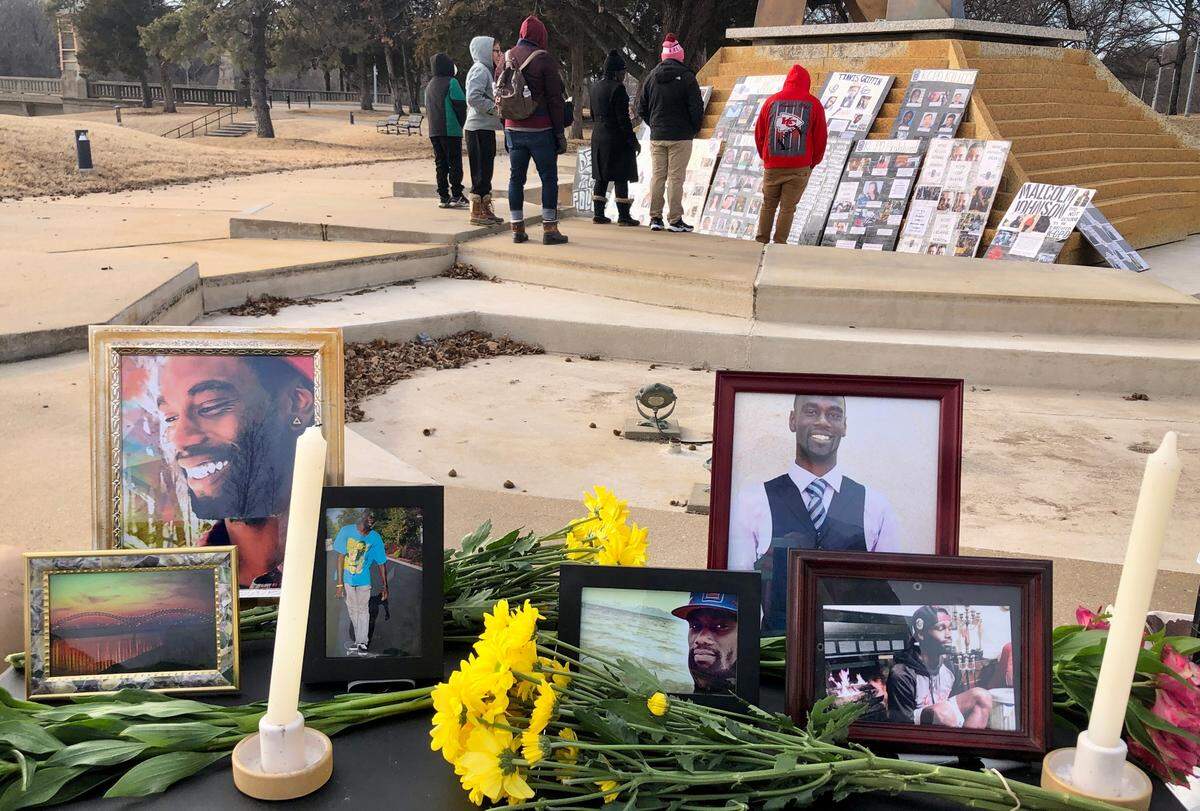
Body cameras show that after Nichols fled arrest, several officers caught up to him and beat him for several minutes straight. Nichols was pummeled with a baton, kicked in the head, and hit repeatedly with pepper spray until he was bloody, struggling to breathe, and calling for his mother.
When EMTs with the Memphis Fire Department came to his rescue, they did little to render aid for the first several minutes. So far, six police officers and two EMTs have been fired, and multiple charges have been levied against the officers, including murder.
Where do such horrors, such disregard for life, come from?
We know the shock of such a crime. Dean’s body cam showed him outside scouring Jefferson’s home just moments before he sees a shadowy figure inside, with a gun, and shoots, point blank at the same time he uttered his warning for her to put her hands up. Dean admitted in his trial that he never tried to resuscitate his victim.
Jefferson’s death was quick but nonsensical. Nichols’ murder is heinous in its length and just as baffling.
We know little about the members of law enforcement who repeatedly beat Nichols but we don’t need to know much to see, based on the body camera footage alone, that they and Dean share a nasty sadistic side, a bloodlust, and a need to wield the power that the police badge and firearm gave them, without restraint and without remorse. These are not the men we need protecting Memphis or Fort Worth.
We all deserve better. The thousands of members of law enforcement who put their lives on the line and act with honor do, too.
Jefferson was black; Dean is white. Due to the circumstances, it’s likely Dean never knew her race. Even during the trial, there was no reason to suspect racism was a direct motivator. Like in the Memphis case, where the victim and perpetrators are Black, it’s easy to identify that racism is not overtly at play, yet it’s hard to even imagine it doesn’t play a factor in police culture and officers’ reactions to these situations.
Body cam footage of Jefferson’s death provided little explanation to the public or comfort to the family as to why Dean so poorly handled the call that brought him to Jefferson’s house that night. Dean was badly trained and too eager to pull a trigger. He failed to remain calm and under control. Jefferson was defending her home with a gun, as many would do, bringing the basic right of self-defense into question.
Nichols’ beating and subsequent death, too, seem horrific and senseless. An analysis from The New York Times showed that the officers who beat Nichols gave him 71 directives in 13 minutes, often contradicting themselves. At one point, an officer yells that Nichols should put his hands behind his back, but officers are holding his wrists. The actions of these men will have young men of any race, but especially Black men, afraid for their lives just driving the streets of their own town, for years.
Jefferson’s death was so heartbreaking it was hard to believe there would be a day when justice would be served. It was not a short wait for Jefferson’s family, either. The family of Tyre Nichols will need to gather whatever patience they can. It could be years before a trial, with many bumps and delays along the way.
For now, all should feel for the family and Memphis in general. In Fort Worth, we can share a bit in your heartbreak and need for justice.
BEHIND THE STORY
MOREHey, who writes these editorials?
Editorials are the positions of the Editorial Board, which serves as the Fort Worth Star-Telegram’s institutional voice. The members of the board are: Cynthia M. Allen, columnist; Steve Coffman, editor and president; Bud Kennedy, columnist; Ryan J. Rusak, opinion editor; and Nicole Russell, editorial writer and columnist. Most editorials are written by Rusak or Russell. Editorials are unsigned because they represent the board’s consensus positions, not the views of individual writers.
Read more by clicking the arrow in the upper right.
How are topics and positions chosen?
The Editorial Board meets regularly to discuss issues in the news and what points should be made in editorials. We strive to build a consensus to produce the strongest editorials possible, but when we differ, we put matters to a vote.
The board aims to be consistent with stances it has taken in the past but usually engages in a fresh discussion based on new developments and different perspectives.
We focus on local and state news, though we will also weigh in on national issues with an eye toward their impact on Texas or the Dallas-Fort Worth area.
How are these different from news articles or signed columns?
News reporters strive to keep their opinions out of what they write. They have no input on the Editorial Board’s stances. The board consults their reporting and expertise but does its own research for editorials.
Signed columns by writers such as Allen, Kennedy and Rusak contain the writer’s personal opinions.
How can I respond to an editorial, suggest a topic or ask a question?
We invite readers to write letters to be considered for publication. The preferred method is an email to letters@star-telegram.com. To suggest a topic or ask a question, please email Rusak directly at rrusak@star-telegram.com.