
Aaron Dean’s sentence is a measure of justice. Now, what about police training issues?
READ MORE
Murder Trial of Aaron Dean
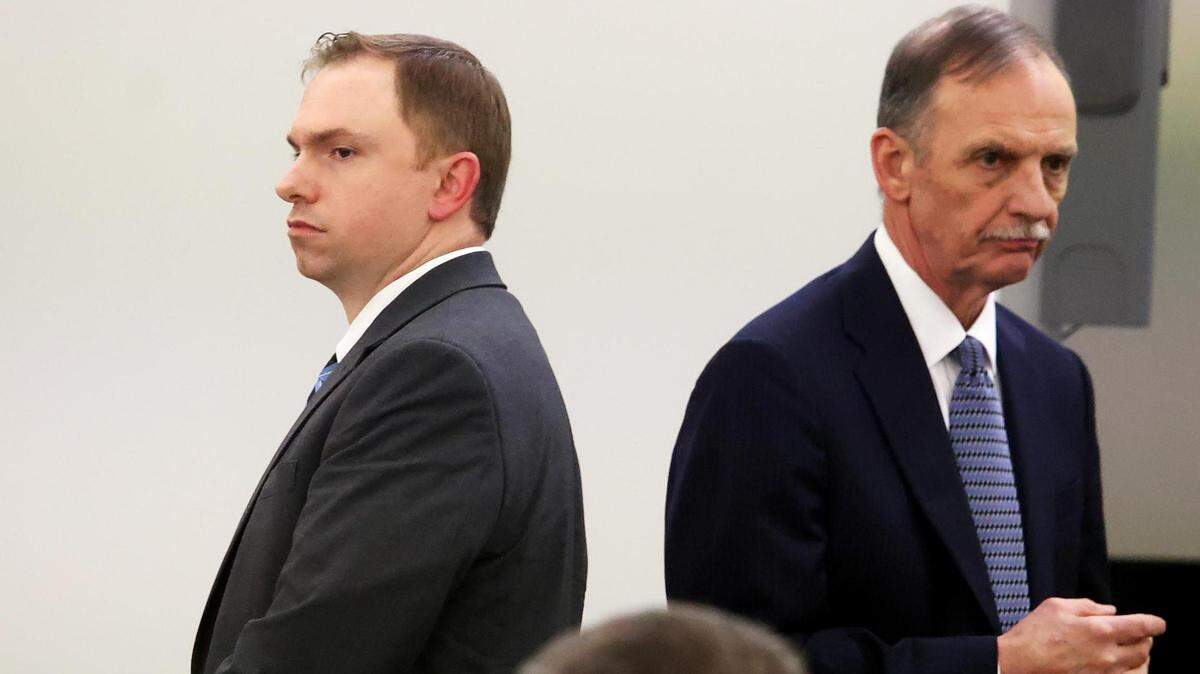
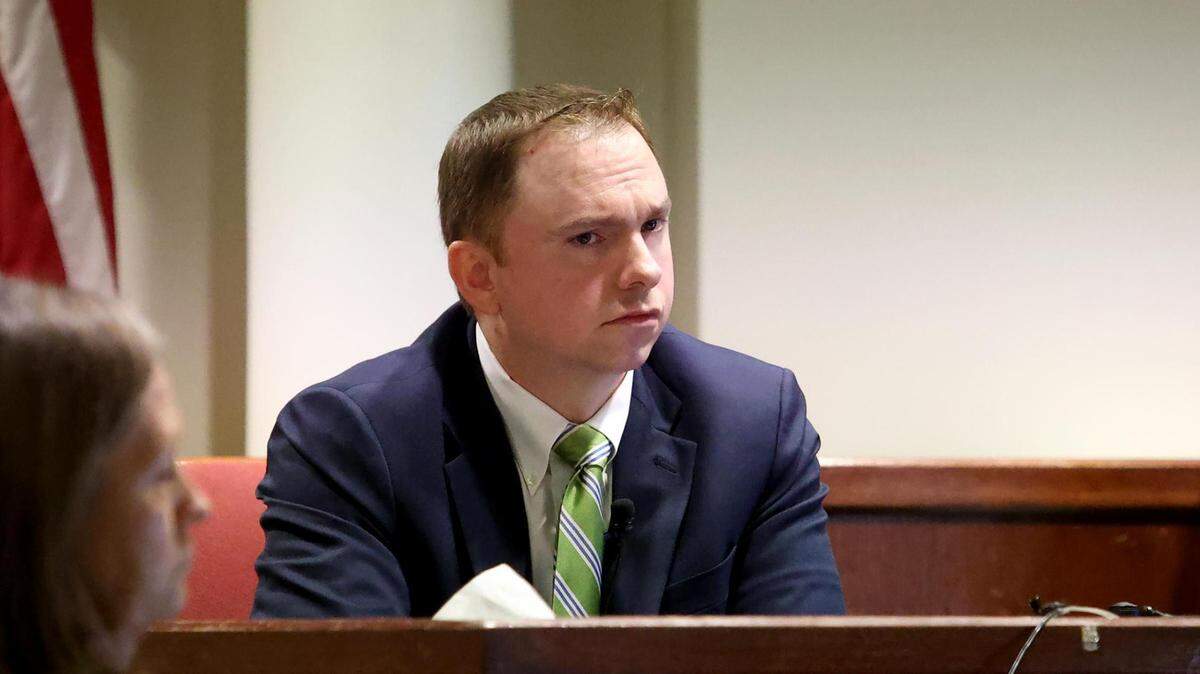
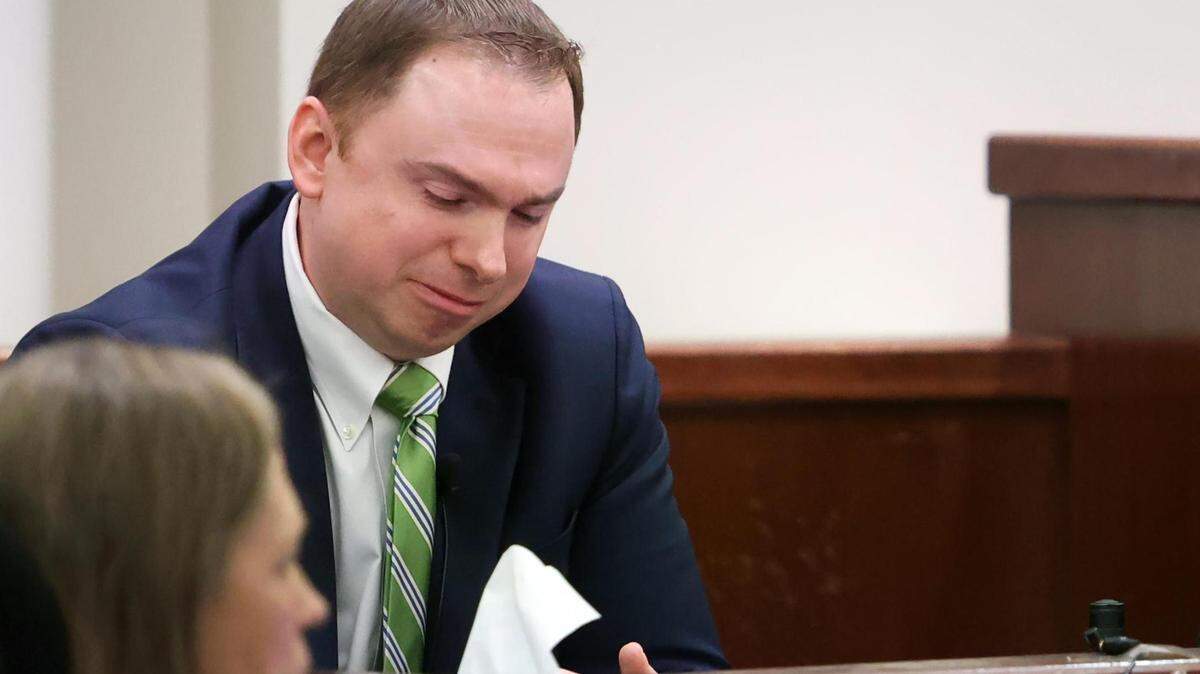
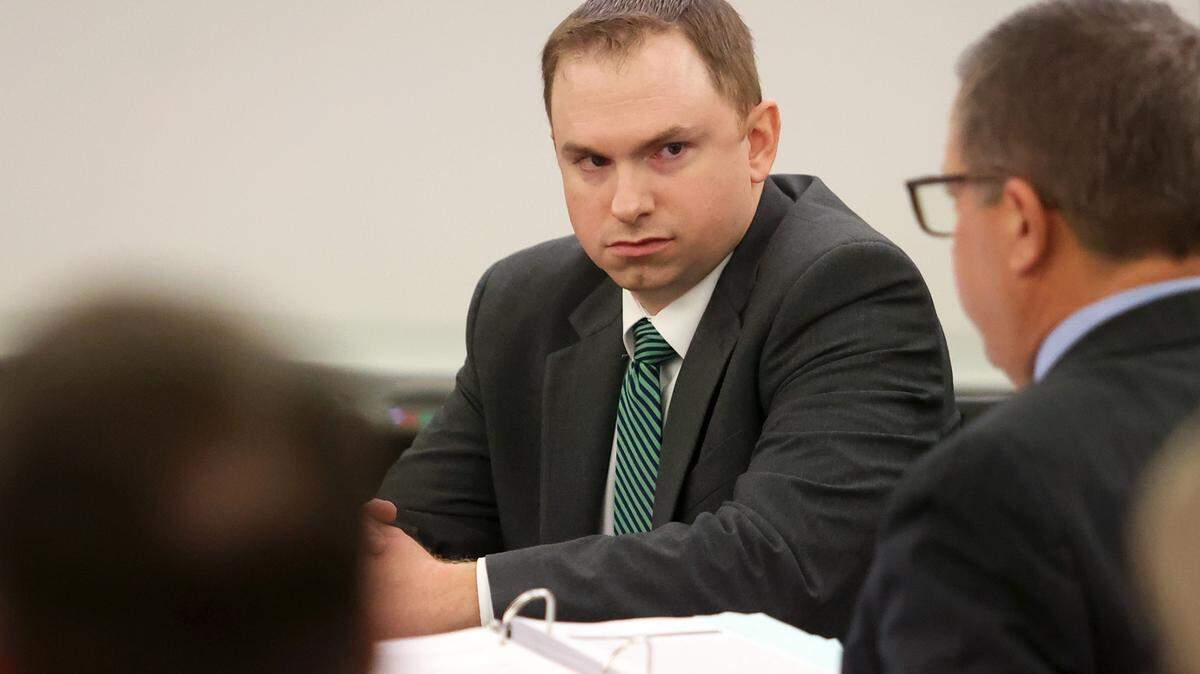
The case against Aaron Dean in the shooting of Atatiana Jefferson finally began to unfold Nov. 28, 2022, with jury selection. Dean was sentenced to more than 11 years in prison Dec. 20 after he was convicted of manslaughter. Read the trial coverage here.
Expand All
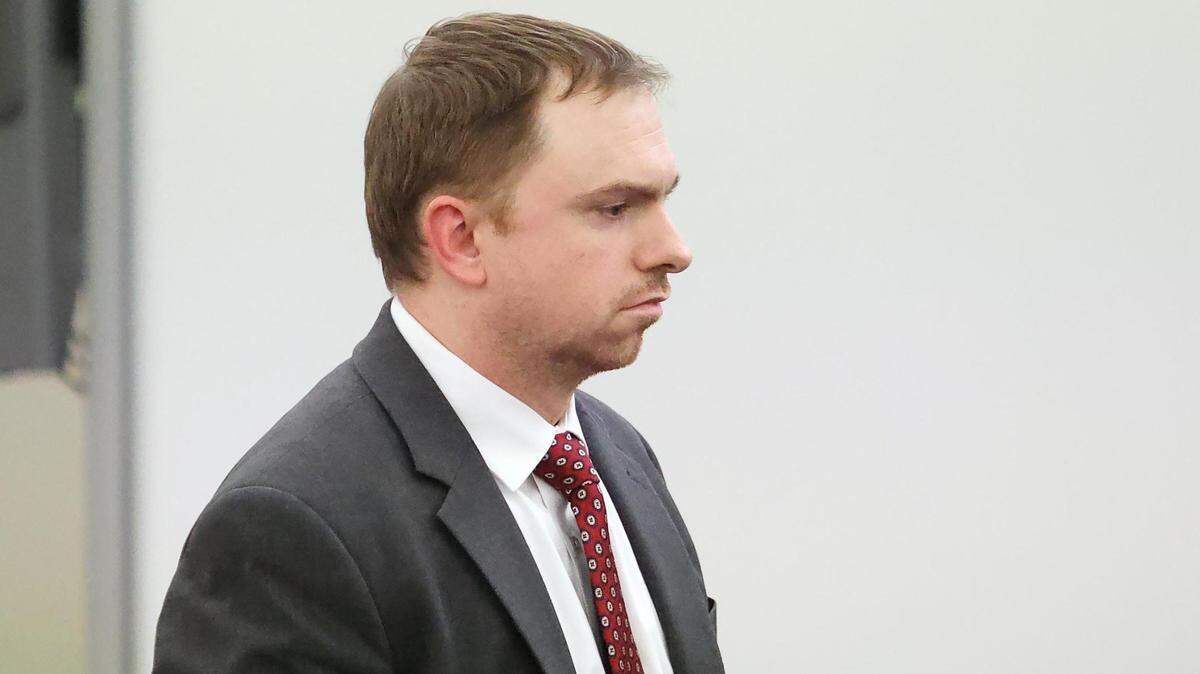
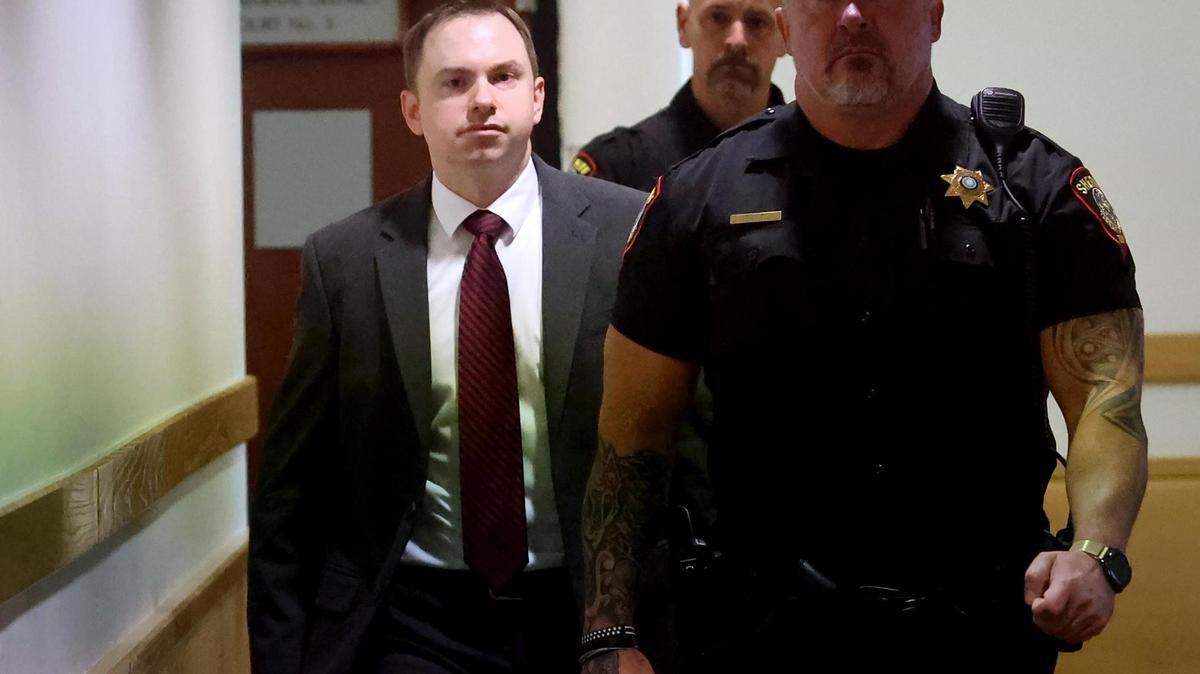
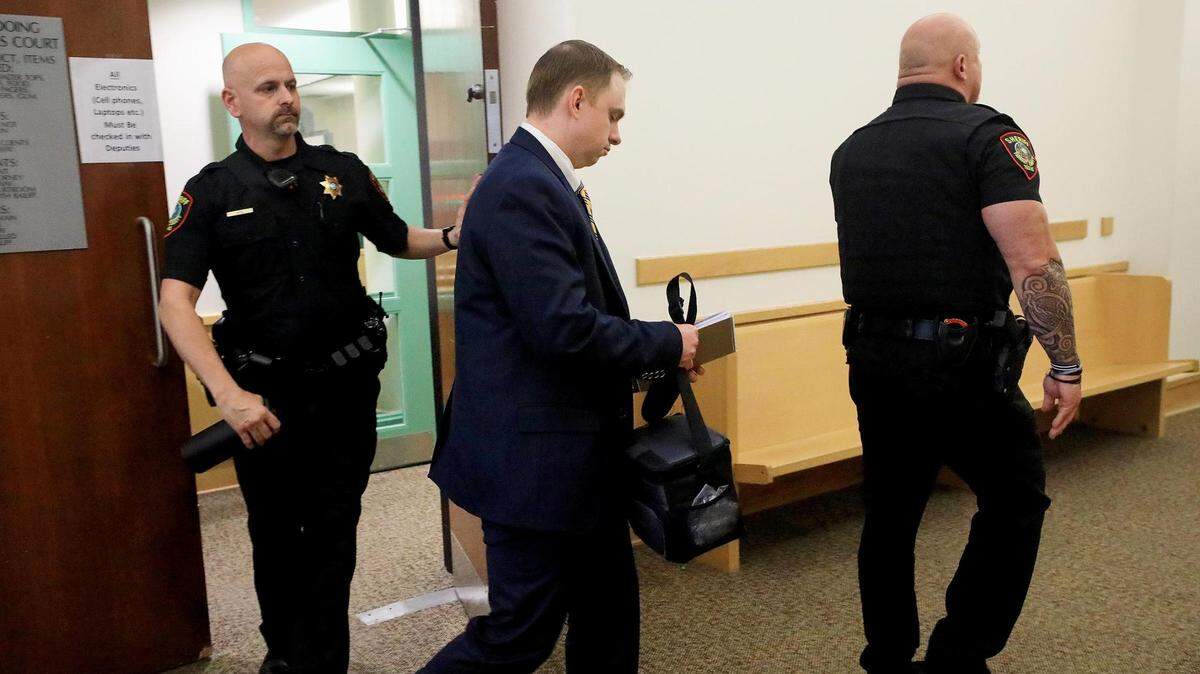
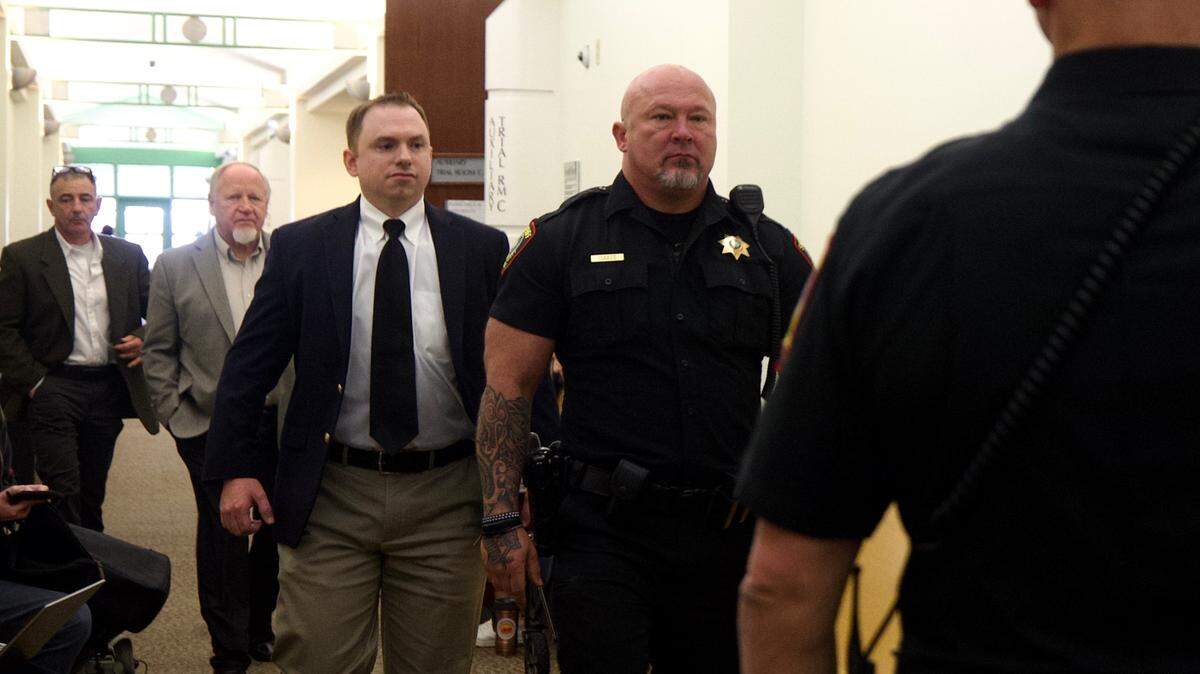
True justice in the case of the death of an innocent person may be impossible to deliver, but the jury evaluating Aaron Dean has tried, first in the verdict — guilty of manslaughter — and Tuesday in the sentence for Dean: nearly 12 years in prison.
The tough sentence is surprising but warranted. The jury had the option of probation or between 2 and 20 years in prison. Some feared a light sentence out of deference to the difficult duty of police officers, but jurors appear to have worked hard over a day and a half to reach a conclusion.
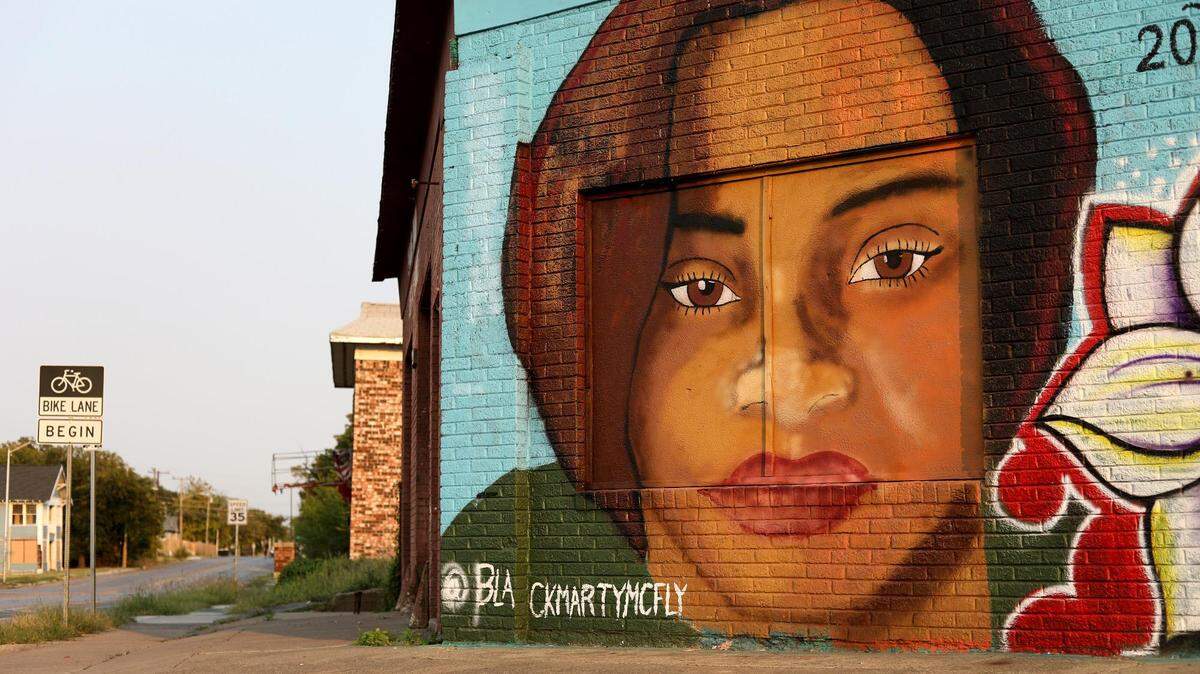
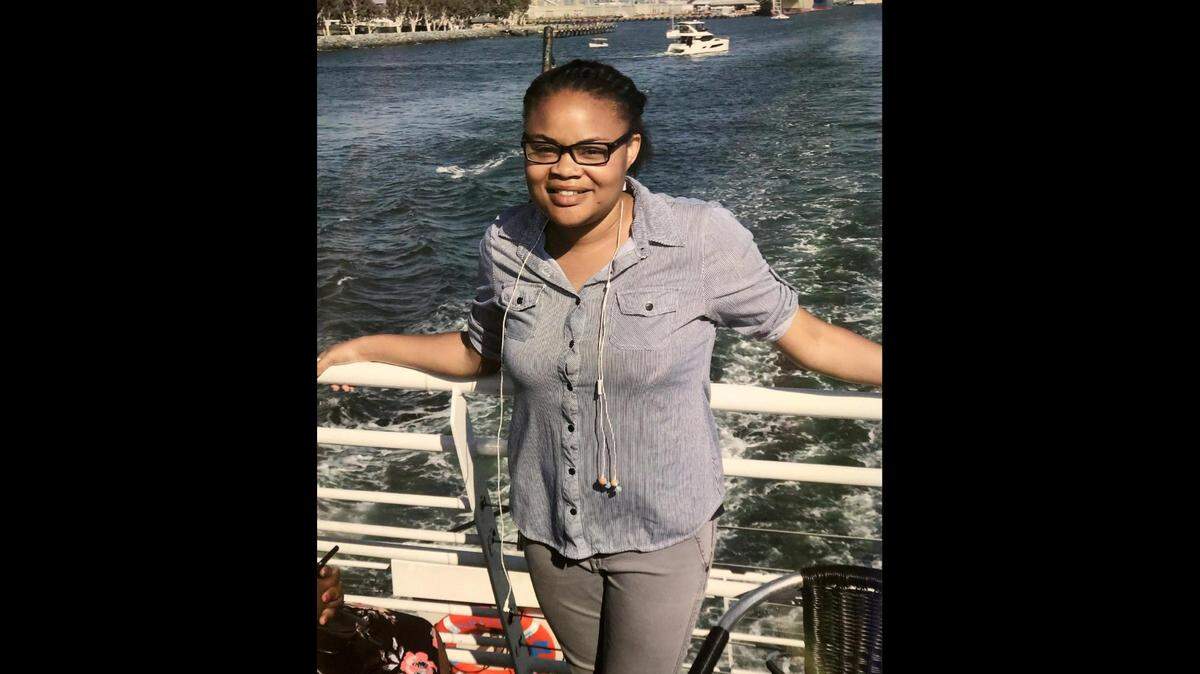
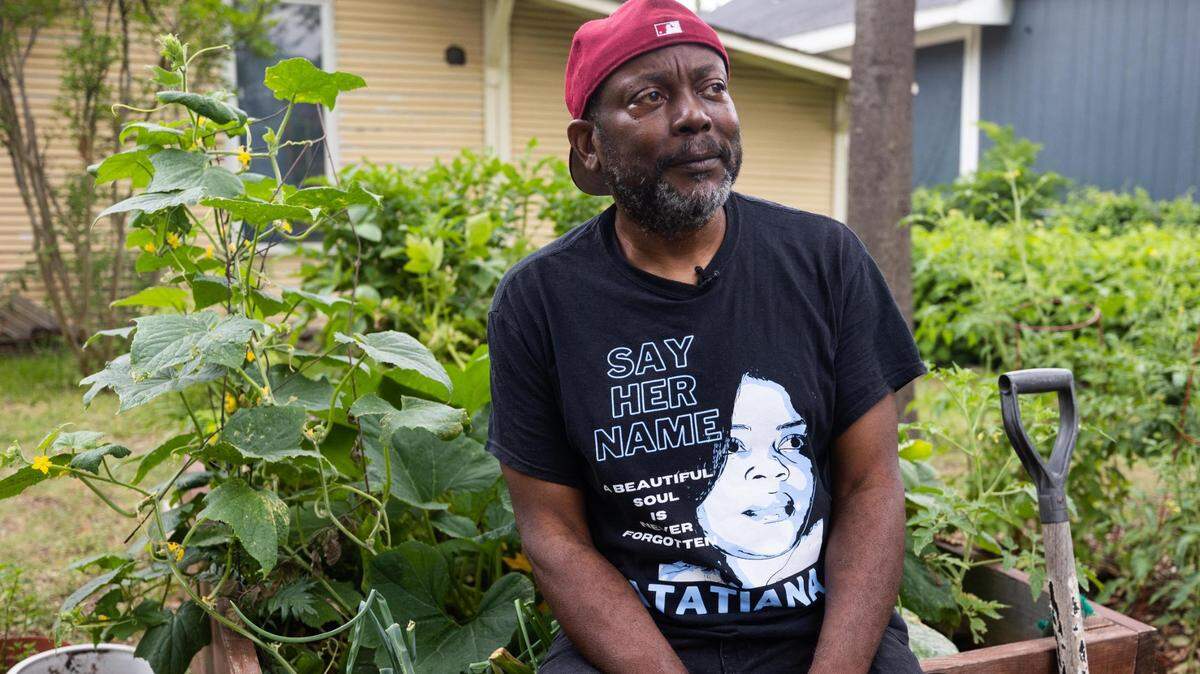
Nothing can bring Atatiana Jefferson back, of course. No amount of jail time will undo Dean’s mistake, when he shot her through a window in her Fort Worth home in October 2019 while answering a police call intended to generate a welfare check.
But there are consequences to decisions, and it was good and right to see a police officer be held accountable for this crime with a more lengthy sentence for manslaughter.
Moving forward, it’s important to take stock of what’s occurred during this three-year ordeal, and what we might do differently so that this is the last such trial of its kind.
This trial has shed light on two key entities: the District Attorney’s Office and the Fort Worth Police Department. Both have work to do. Winning a conviction and substantial sentence of an officer is always difficult, but the prosecution could and should have brought a much tougher case against Dean to the jury.
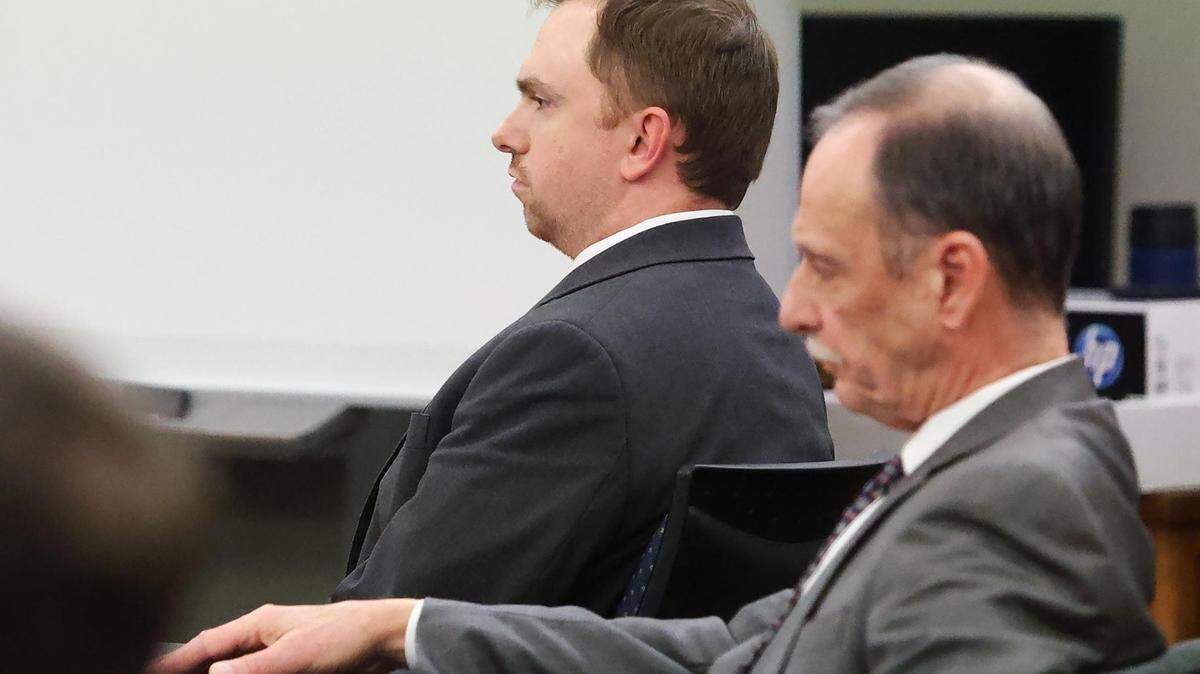
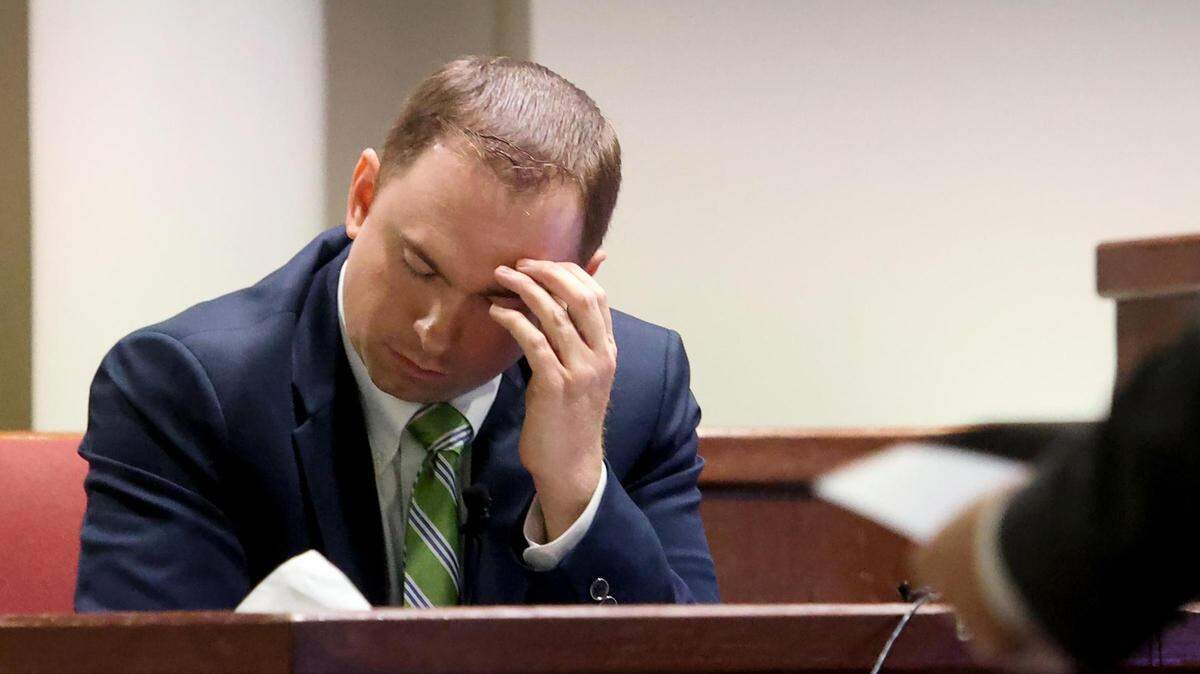
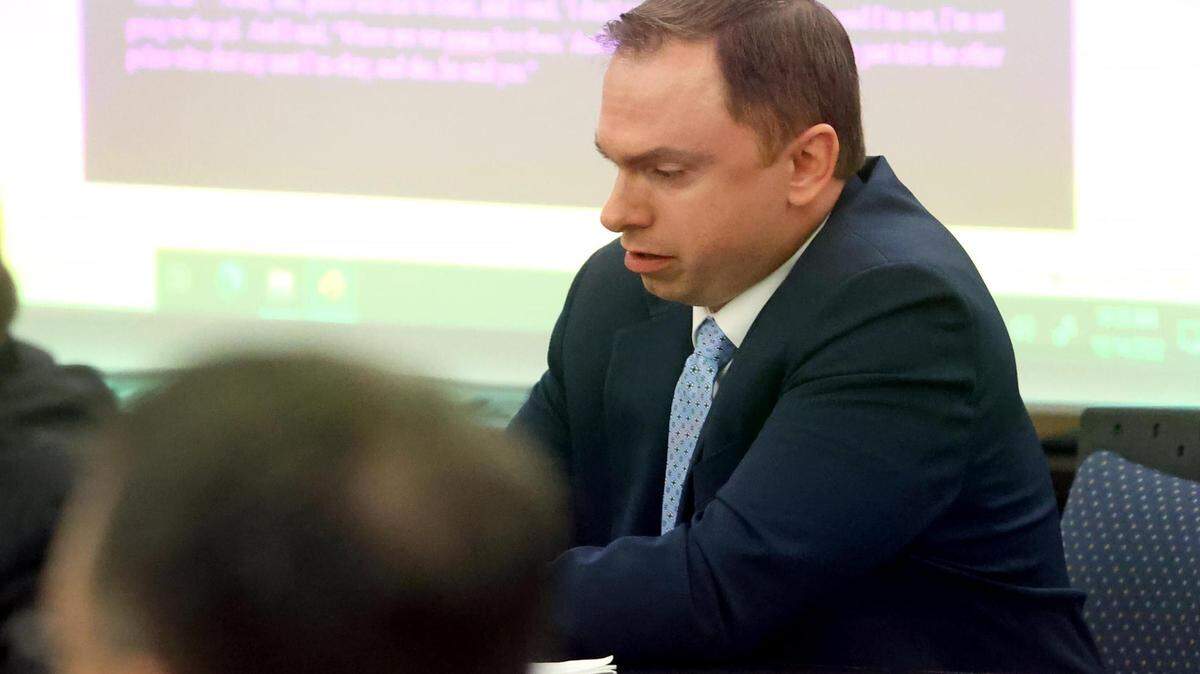
Given what we learned during the cross-examination of Dean, we’re hard-pressed to believe his training and attitude belong solely to him. This trial could have exposed even more problems with law enforcement training, but there was a clear attempt not to go in that direction.
We would like to have heard from members of Fort Worth law enforcement who train new officers such as Dean, if only to answer, once and for all, a key question of this case and any future case that may arise: Can the general public expect an officer to announce himself on a welfare call or a suspected robbery in progress — at someone’s home? If not, what honestly can people do to protect themselves without getting shot and killed?
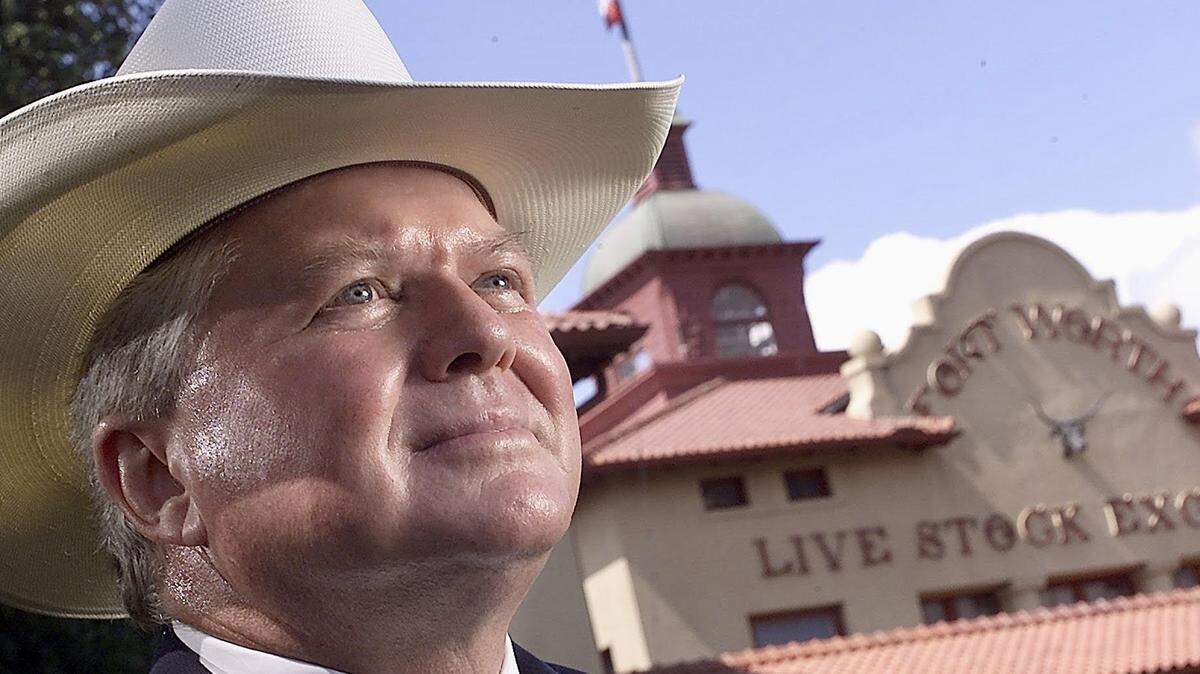
We’re still disappointed we didn’t hear more from former Police Chief Ed Kraus, who was open and honest about failures three years ago. An assistant DA’s claim that Dean brought a particularly hair-trigger attitude to police work, particularly the night of Jefferson’s death, seemed verified in the sentencing phase, when a psychologist who evaluated Dean before his hiring called him “narcissistic” and a potential danger to others.
Was there an attempt to temper this attitude with reason? How widespread is it in other young or new police officers? What do training officers do now if they see such characteristics? Surely there is a difference between readiness and carelessness, between training and a happy trigger finger.
Prosecutors Dale Smith and Ashlea Deener showed repeatedly that Dean failed to do good police work and worse, that Dean knew it. Now we all know it, including the entire police department.
What will leaders do differently now, if anything? These are just some of the questions this trial raised, and the people deserve answers so that Jefferson’s death is not in vain.
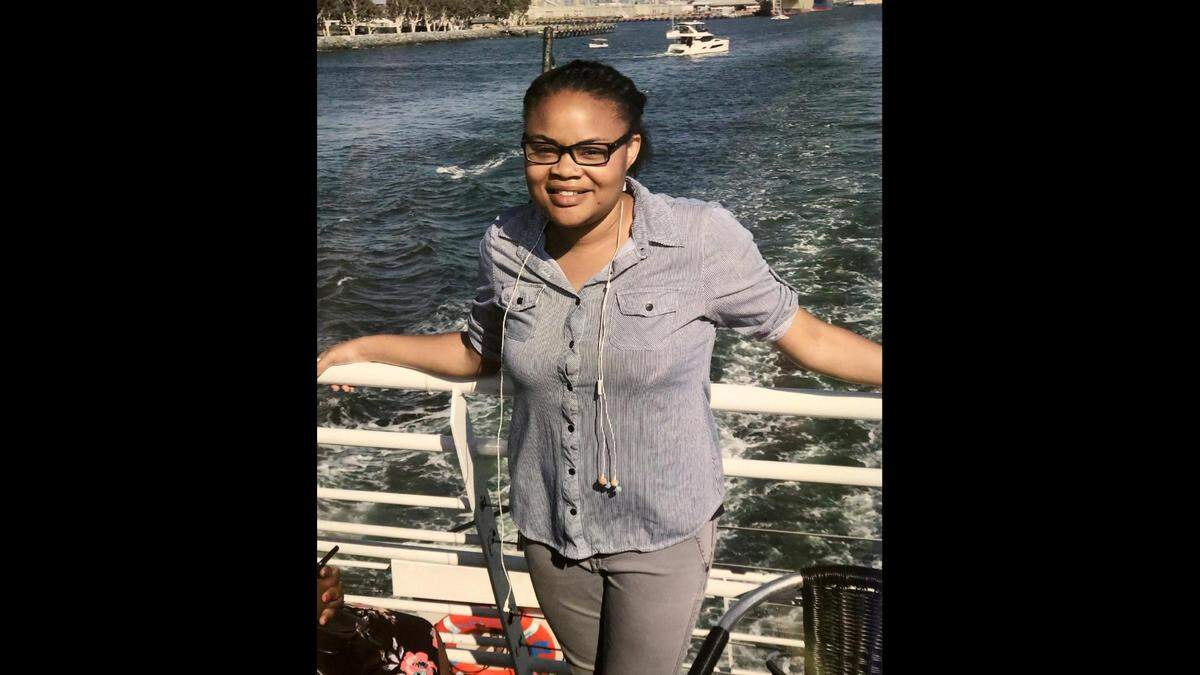
Justice for Jefferson’s family has been a long time coming, especially when one considers her death was so clearly unwarranted, even if driven by mistake, and thus, all the more tragic. A verdict of manslaughter and a sentencing of 11 years, 10 months and 12 days in state prison is as much justice as she and her family will see.
Hopefully her family can find some peace, and the community can learn important lessons from the case and the trial so that none of us have to hear of such a tragedy again.
BEHIND THE STORY
MOREHey, who writes these editorials?
Editorials are the positions of the Editorial Board, which serves as the Fort Worth Star-Telegram’s institutional voice. The members of the board are: Cynthia M. Allen, columnist; Steve Coffman, editor and president; Bud Kennedy, columnist; Ryan J. Rusak, opinion editor; and Nicole Russell, editorial writer and columnist. Most editorials are written by Rusak or Russell. Editorials are unsigned because they represent the board’s consensus positions, not the views of individual writers.
Read more by clicking the arrow in the upper right.
How are topics and positions chosen?
The Editorial Board meets regularly to discuss issues in the news and what points should be made in editorials. We strive to build a consensus to produce the strongest editorials possible, but when we differ, we put matters to a vote.
The board aims to be consistent with stances it has taken in the past but usually engages in a fresh discussion based on new developments and different perspectives.
We focus on local and state news, though we will also weigh in on national issues with an eye toward their impact on Texas or the Dallas-Fort Worth area.
How are these different from news articles or signed columns?
News reporters strive to keep their opinions out of what they write. They have no input on the Editorial Board’s stances. The board consults their reporting and expertise but does its own research for editorials.
Signed columns by writers such as Allen, Kennedy and Rusak contain the writer’s personal opinions.
How can I respond to an editorial, suggest a topic or ask a question?
We invite readers to write letters to be considered for publication. The preferred method is an email to letters@star-telegram.com. To suggest a topic or ask a question, please email Rusak directly at rrusak@star-telegram.com.
This story was originally published December 20, 2022 at 3:17 PM.

.jpeg)