
Closing arguments set Wednesday in Aaron Dean’s murder trial after expert testimony
READ MORE
Murder Trial of Aaron Dean
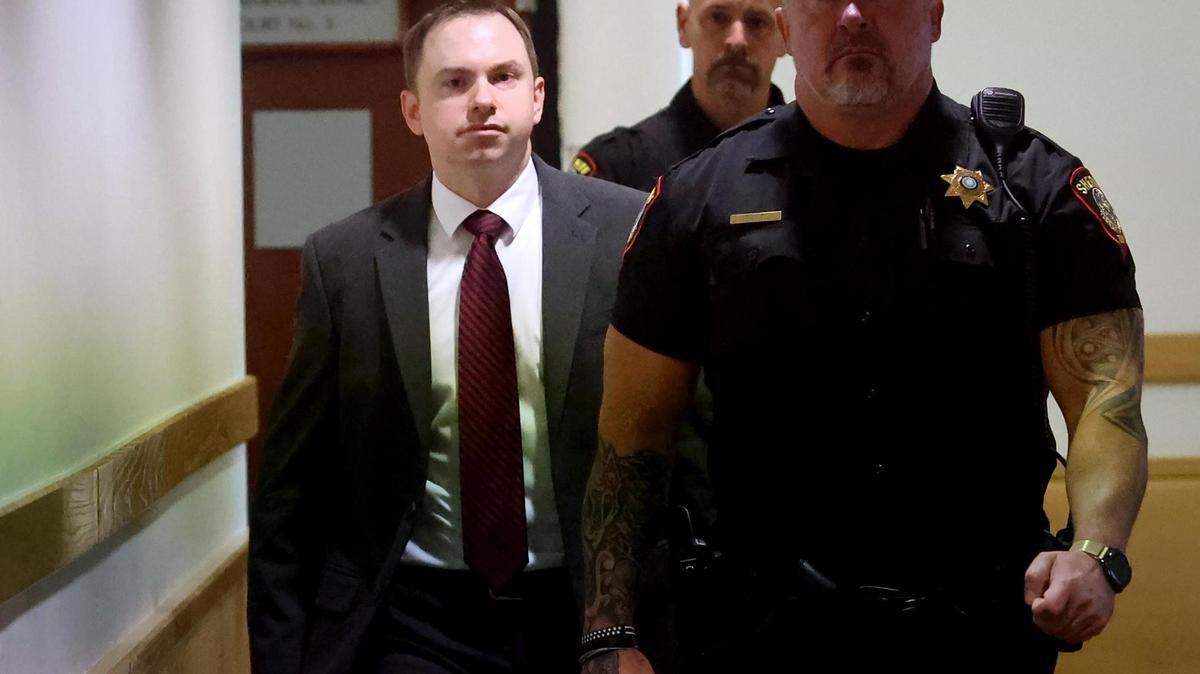
The case against Aaron Dean in the shooting of Atatiana Jefferson finally began to unfold Nov. 28, 2022, with jury selection. Dean was sentenced to more than 11 years in prison Dec. 20 after he was convicted of manslaughter. Read the trial coverage here.
Expand All
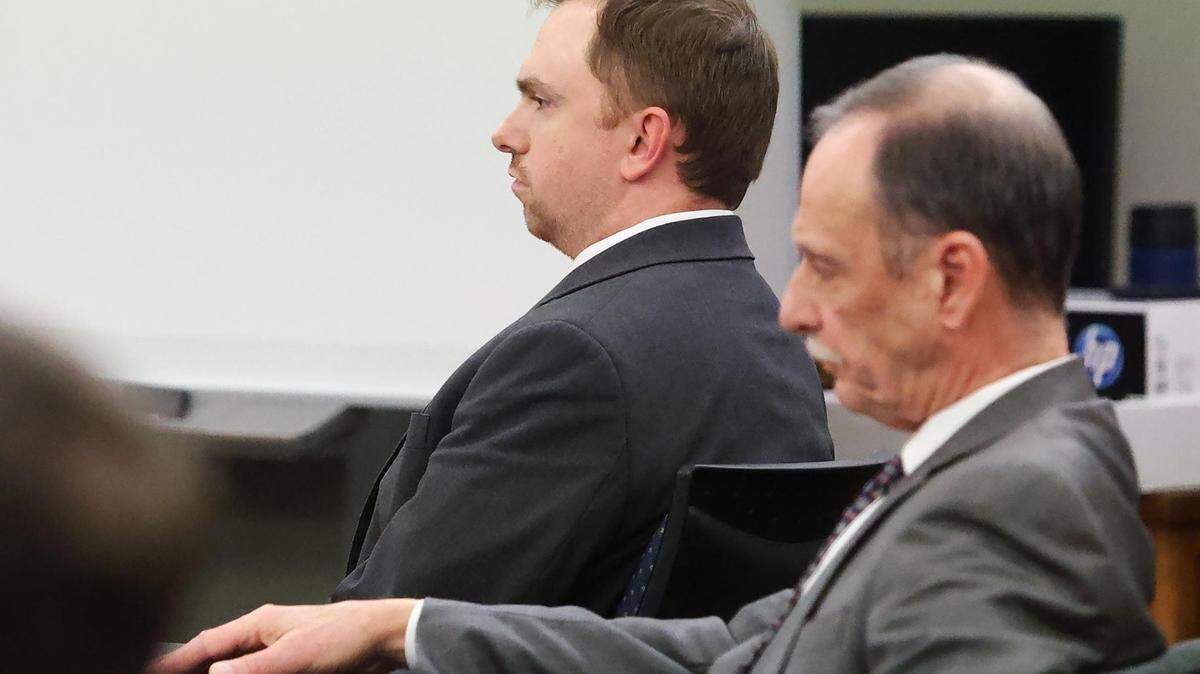
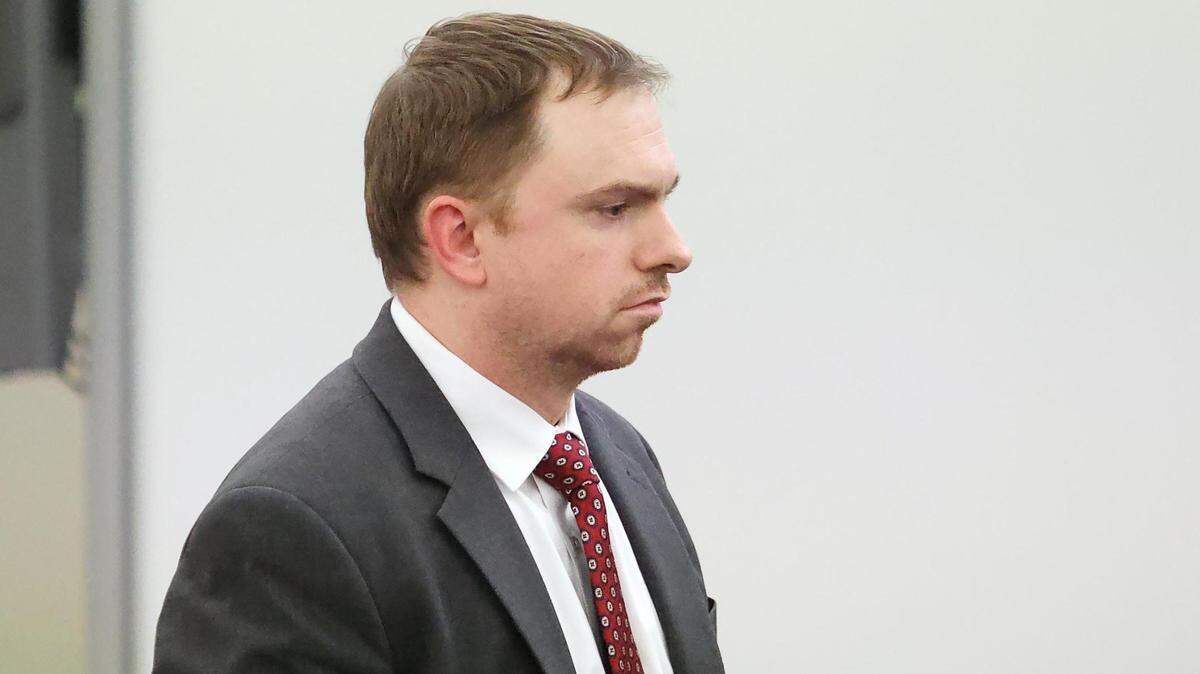
The defense rested its case Tuesday in the Aaron Dean murder trial after the testimony of a use-of-force expert. The prosecution countered with its own expert.
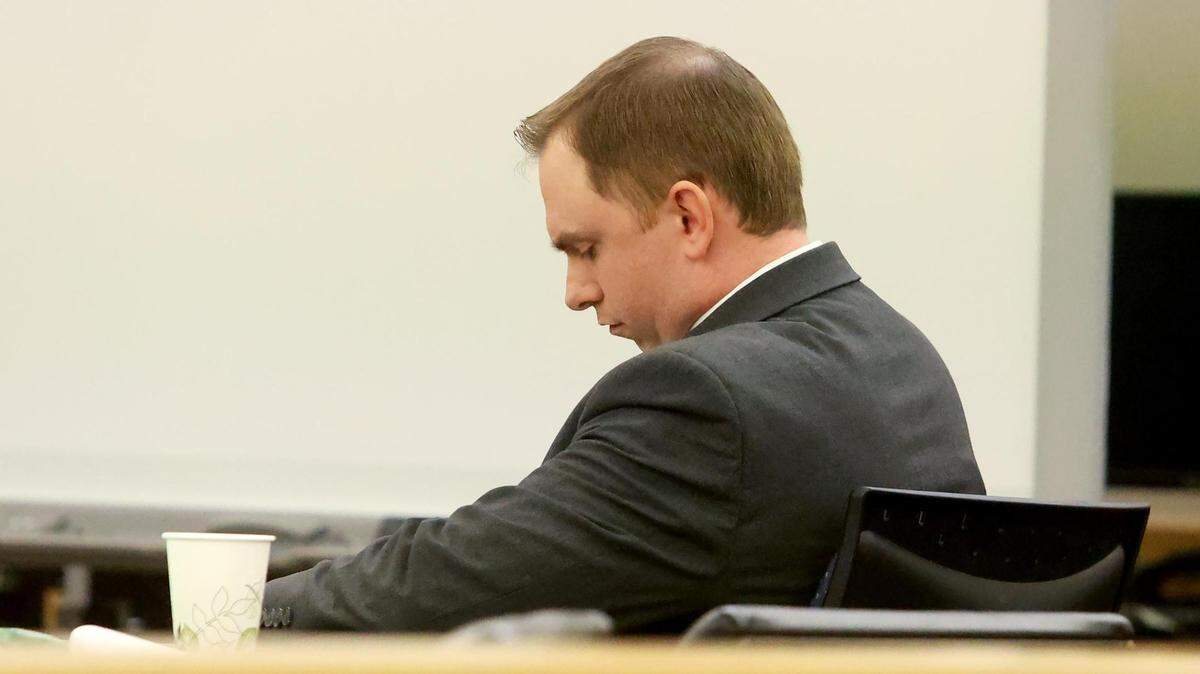
The trial will continue Wednesday with jury instructions and closing arguments and the possibility of the jury reaching a verdict.
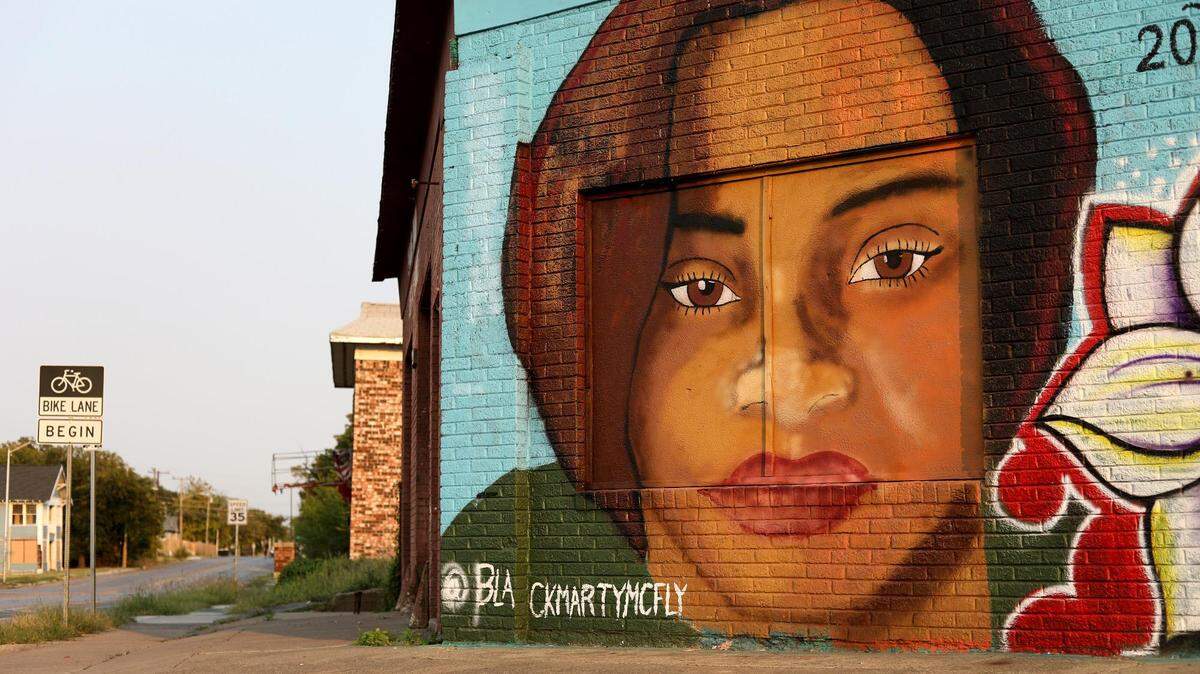
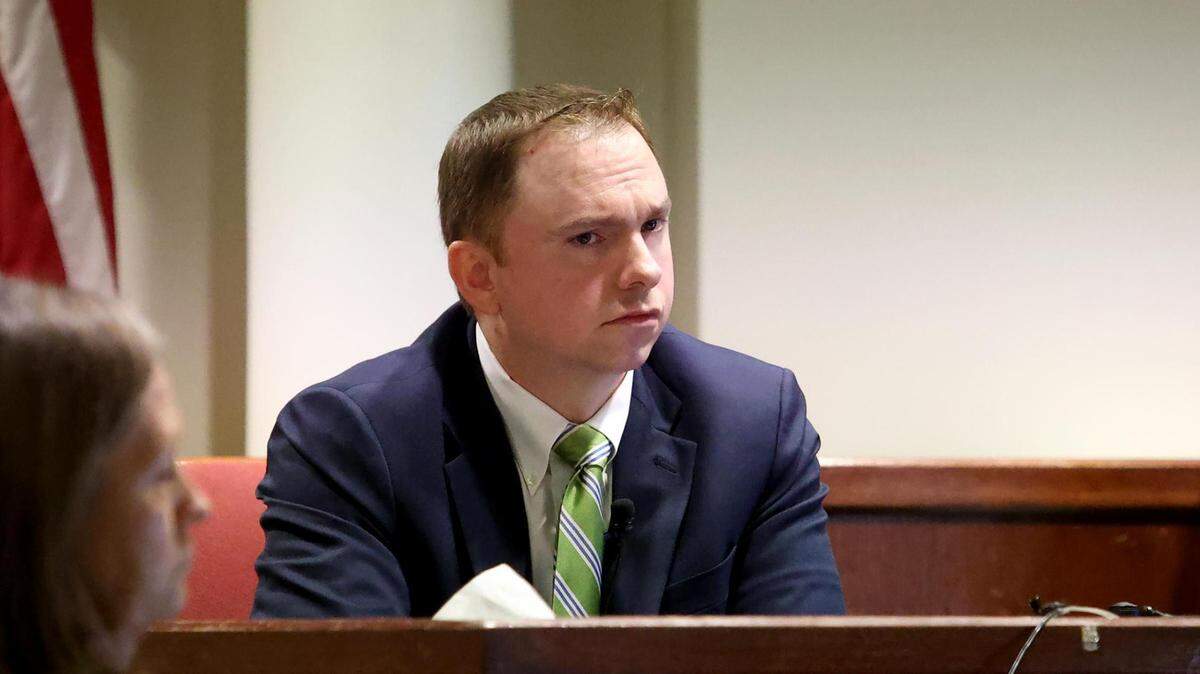
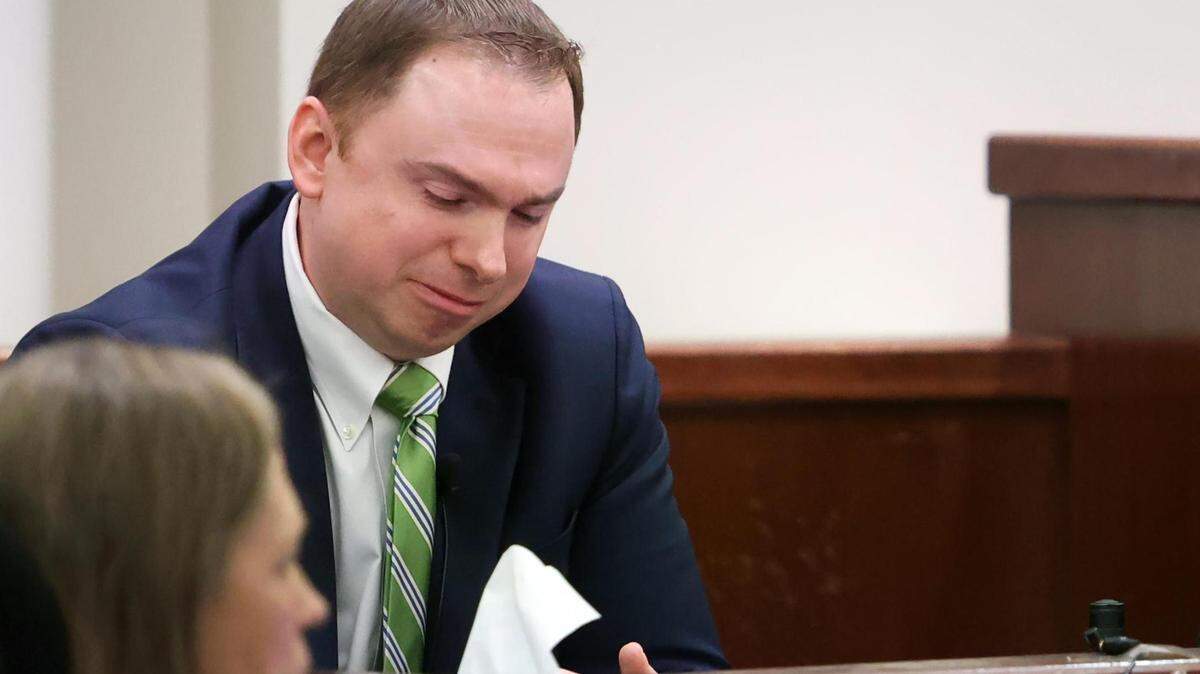
The defense expert, Jay Coons, took the stand to evaluate from the perspective of a training officer Dean’s actions on the night of Oct. 12, 2019, when he shot Atatiana Jefferson through a window in her home on East Allen Avenue. Dean, who was responding to a neighbor’s call about open doors at the house, testified Monday that he saw the barrel of Jefferson’s gun pointed at him. Prosecutors have argued that Dean never said he saw a gun.
Coons said in his opinion Dean acted reasonably the night of the shooting, both in responding to the open structure call and in drawing his weapon and shooting through the window when he did.
In going through the steps Dean and the other responding officer, Carol Darch, took that night, Coons said the officers’ approach to the front and side doors were “perfectly fine,” based on the information they had at that time. Coons said since they were still trying to determine if a burglary was in progress, Fort Worth police policy was for them to walk around the structure and inspect it.
“There’s nothing definitive now to tell them what they’ve got,” Coons said.
Dean testified on Monday that he and Darch thought a burglary might be in progress because when they looked through the front door, cabinet doors were open and items were “just strewn about inside” the house. It looked to him like someone had gone through the house looking for valuables, he testified.
Defense lawyer Miles Brissette asked Coons to evaluate how Dean and Darch checked the two vehicles in the driveway and if it was OK for them to use their flashlights, since that meant giving away their position to potential burglars.
Coons said the officers took the extra time to look into the vehicles with their flashlights to make sure there wasn’t a victim or a suspect inside and they did a “fine job” and they needed the light to illuminate the inside of the cars.
Coons also praised the officers’ work in quickly looking at the garage on their way to the back yard, saying both officers were being very “methodical.” A detailed inspection of the garage door wasn’t called for at that time, he said.
Coons explained the layout of back yard and said that in his opinion, on the other side of the gate, there is no room for someone to stand on the left side of window. To the right, there is an air-conditioning unit about 18 inches from the window, and that’s why Dean stood directly in front of the window to look inside, he said.
Coons said that Dean took a deep breath while reacting to what he saw through the window, based on his body-camera video, and he can be seen turning on the light mounted on his gun. According to Coons, Dean activated his light with his trigger finger, which is consistent with what Dean testified Monday.
Coons said that tells him where Dean’s finger was at that time and that it was not in area of his trigger. Coons explained that officers are taught to keep their finger off the trigger of their weapon until they’re ready to shoot.
Coons said while Dean was at the window, he saw the figure of a person who was bent over at the waist and possibly reaching for something. Coons said in an officer’s mind, that figure “could be a burglar and I need to arm myself.” A reasonable officer, said Coons, is going to draw their weapon and keep watching to see what the figure will do.
Coons said that when Dean was confronted by what he perceived as a pistol pointed at him, he only had one decision he could make. According to Coons, officers are trained to shoot those who pull a firearm on them because “you are in danger of being shot and killed.”
Coons also testified that when someone is under extreme stress, their field of vision narrows from 180 degrees to about 2 degrees and it is like looking down “a toilet paper tube.” They can also experience auditory exclusion, which blocks out some sounds, and time dilation, where time seems like it is going faster or slower than it really is, he said.
Coons said both officers were under high stress after the shooting and can be seen relying on their training. Darch immediately called out “shots fired.” Dean did too and immediately called for MedStar. Dean also asked Darch if she had a medical kit, so Coons said that showed Dean was thinking what he might need for an injured person.
Coons also said what happened in the back room when Dean and Darch got to Jefferson was consistent with what he would expect under the circumstances.
One of Dean’s first actions was to consider medical help by calling MedStar and asking for the medical bag, he said. Concern for getting Jefferson treatment was on Dean’s mind, Coons said.
The prosecution pointed out during Dean’s testimony on Monday that Dean did not perform CPR and did not do anything to try to help Jefferson for a full minute after he entered the room where she lay bleeding on the floor. Dean said he pressed an afghan to her chest to try to stop the bleeding because he had lost his first-aid kit a few days earlier.
Coons also said if an officer has on his uniform he is considered as identifying himself. According to the video, Dean did not verbally identify himself as an officer when he shouted at Jefferson to put her hands up and then immediately fired one round, shooting her in the chest.
Brissette asked if Dean was required to say, “Fort Worth police, show me your hands,” and Coons said no.
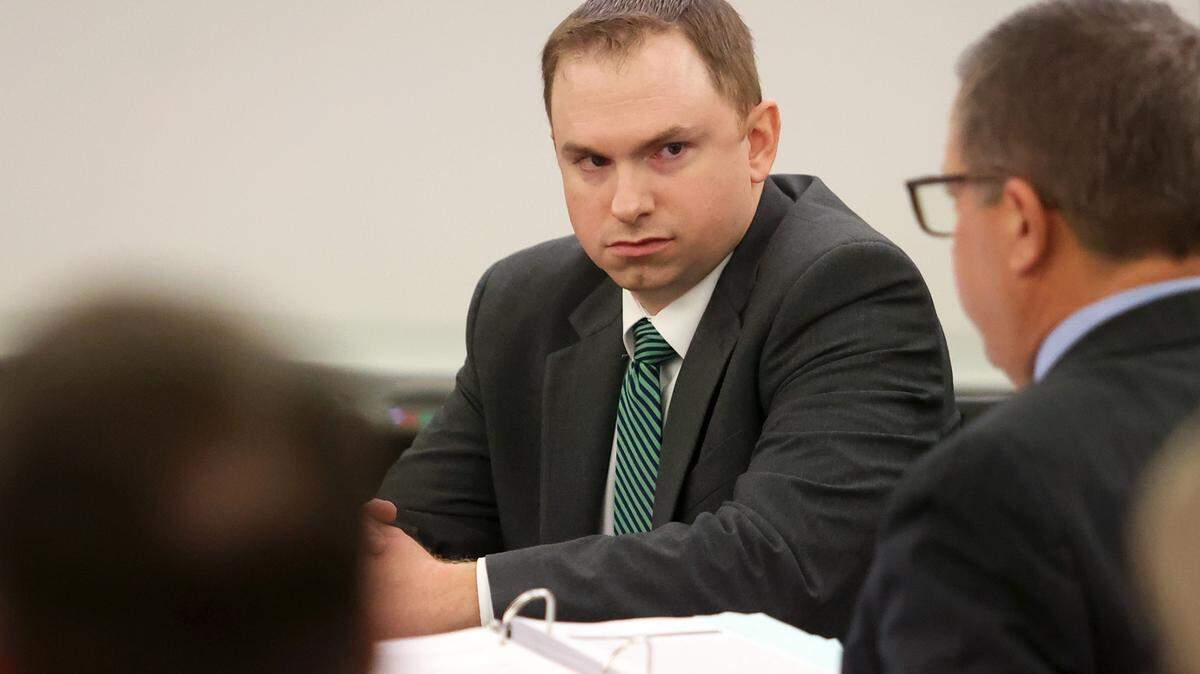
During cross-examination, prosecutor Dale Smith tried to get Coons to admit that Dean made mistakes in examining the house and that he should have called for backup if he believed a burglary was in progress.
Coons reiterated that Dean’s performance “was just fine” and Dean had not come to a definite conclusion that there was a burglary in progress.
Coons also said that even though there is nothing in writing prohibiting an officer from verbally identifying himself in an open structure call, it is not consistent with approaching a crime scene with caution.
Coons also said that Dean and Darch did not have to guard the front and side doors because they were in the vicinity and calling for backup wasn’t a priority yet as they hadn’t established a burglary was in progress. They also didn’t need to call dispatch and ask more questions, he said.
“Now they’re on the scene and it’s up to them to do the checking,” Coons said.
Smith asked if Dean would have gotten in trouble for knocking on the door and announcing his presence. Coons said yes, he would have been scolded and told not to knock on the door before he knew what was going on.
Smith asked if Dean and Darch had a right to enter the back yard without a warrant, and Coons said the officers were there to check on the circumstances surrounding an open door. The concerned neighbor’s call was the exigent circumstance that allowed them to enter the yard without a warrant since the gate was unlocked, he said.
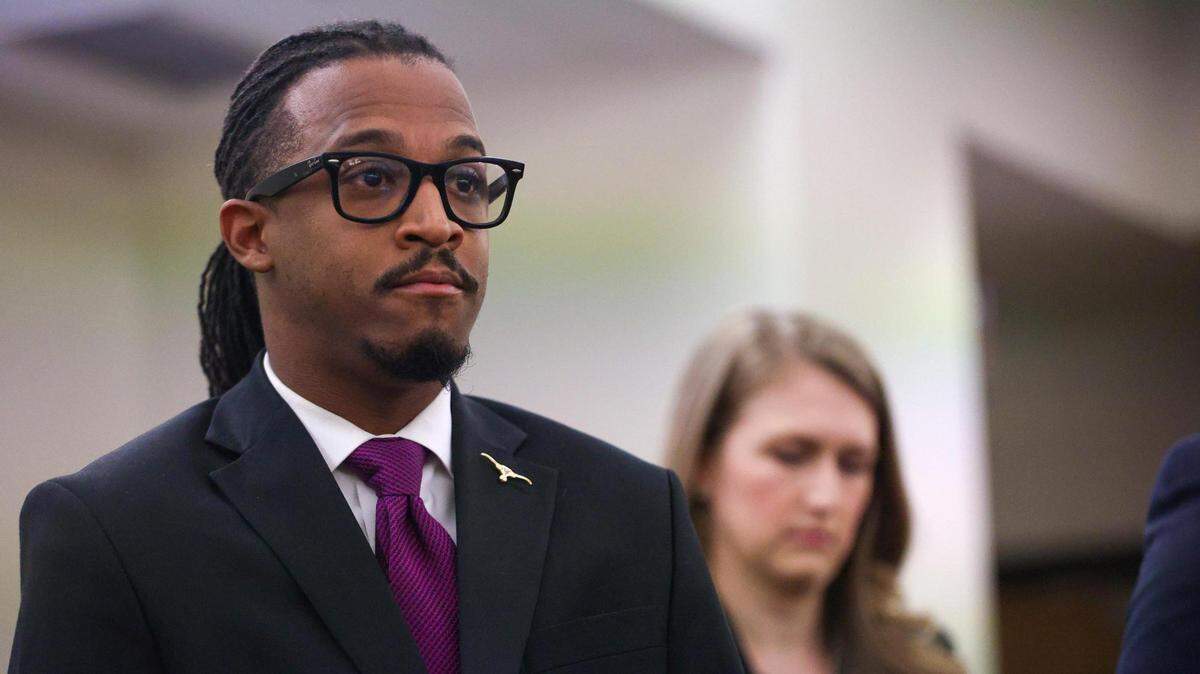
After the defense rested, the prosecutors called forensic analyst and instructor Jonathyn Priest.
“There were a number of mistakes that were made in this case,” Priest said, adding that Dean and Darch could have followed better practices on how they approached the house.
Priest said he evaluated evidence like Fort Worth police policies, photos, video, statements, investigative reports and Jefferson’s autopsy report to reach his conclusion, but he did not take notes or write a report after evaluating the evidence. He said no one told him not to write a report, he just didn’t do it.
Priest said once the officers saw the open front door and thought there was a burglary in progress, they should have called for backup, according to the police department’s general orders. He also said they cleared the cars too quickly and stayed too close to the windows where they could be seen while examining the house.
“If the people can’t see you, they can’t react to your position,” he said.
Throughout his testimony Priest maintained that the two best options at the open front door were for the officers to back away and call for backup or knock on door. They choose to do neither, he said.
Priest said in his opinion, the officers never should have moved from the front door.
“You’re basically in a trapped location,” he said about entering the back yard. If someone would have tried to come out of the house and attack the officers, they wouldn’t have anyplace to go, he said.
Priest said there wasn’t a pressing need that required them to enter the yard without a warrant.
Priest said once Dean saw movement at the window, he should have moved out of the line of fire and taken cover. Priest said Dean could have drawn his gun while moving out of the way and identifying himself as police at the same time.
During cross-examination, Brissette mentioned a Denver police officer who was shot when he tried to open the storm door of a house and surprised the home owner. Brissette said another Denver police officer was killed while moving to a place of concealment.
Priest agreed that officers aren’t required to knock and announce themselves verbally in every situation.
This story was originally published December 13, 2022 at 5:06 PM.

.jpeg)