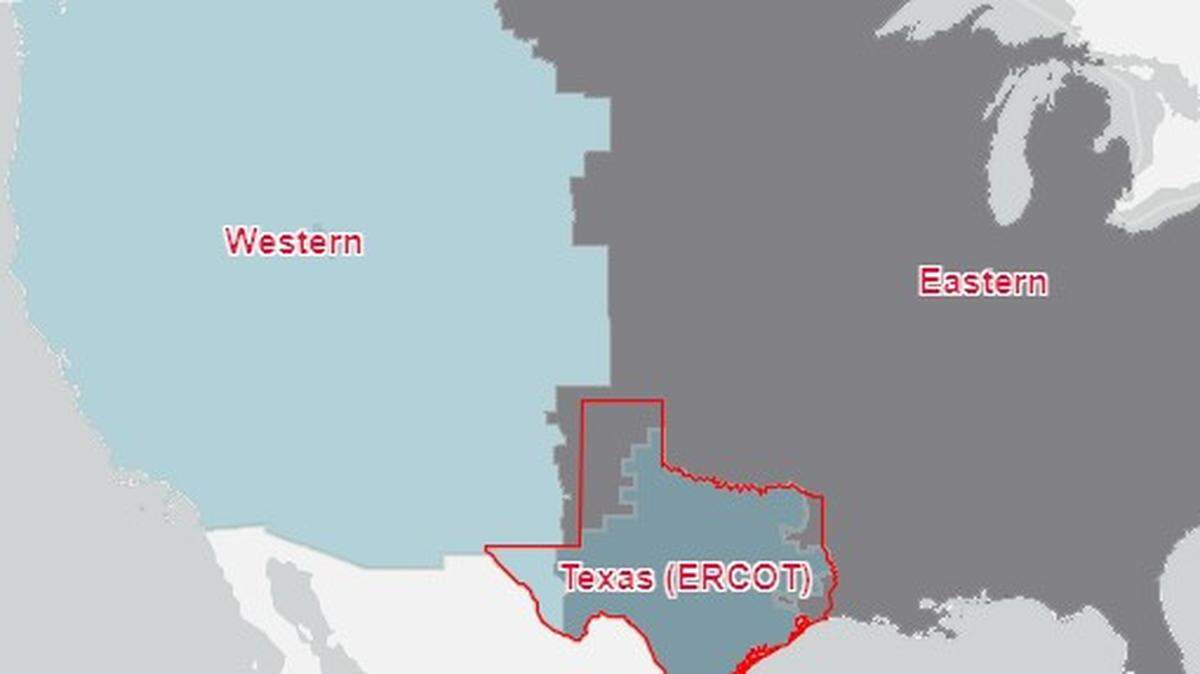
Even after power grid crash, Texas isn’t pushing gas firms enough to prep for winter
READ MORE
Is Texas’ power grid ready for another winter storm?
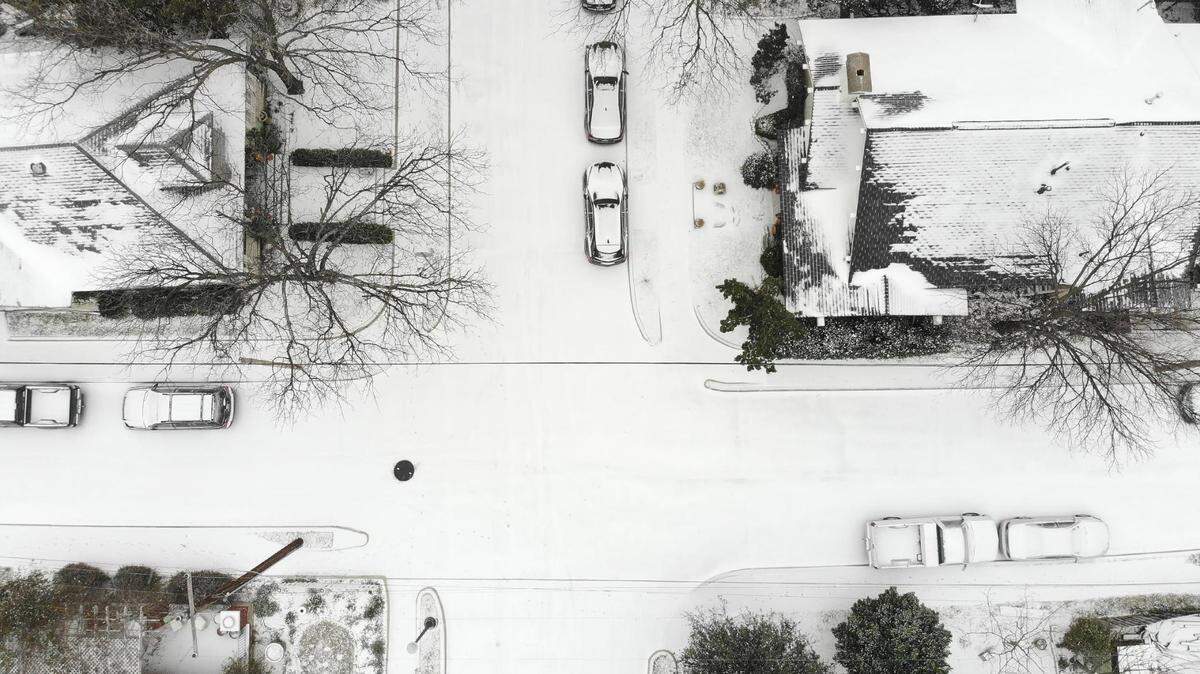
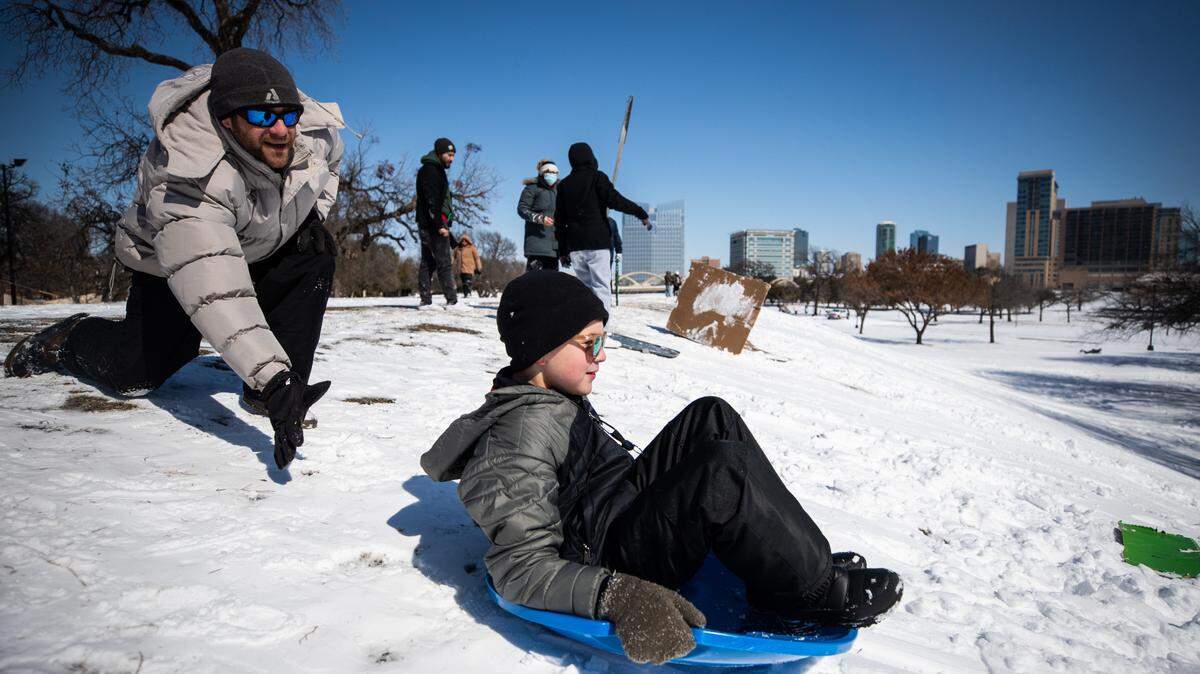
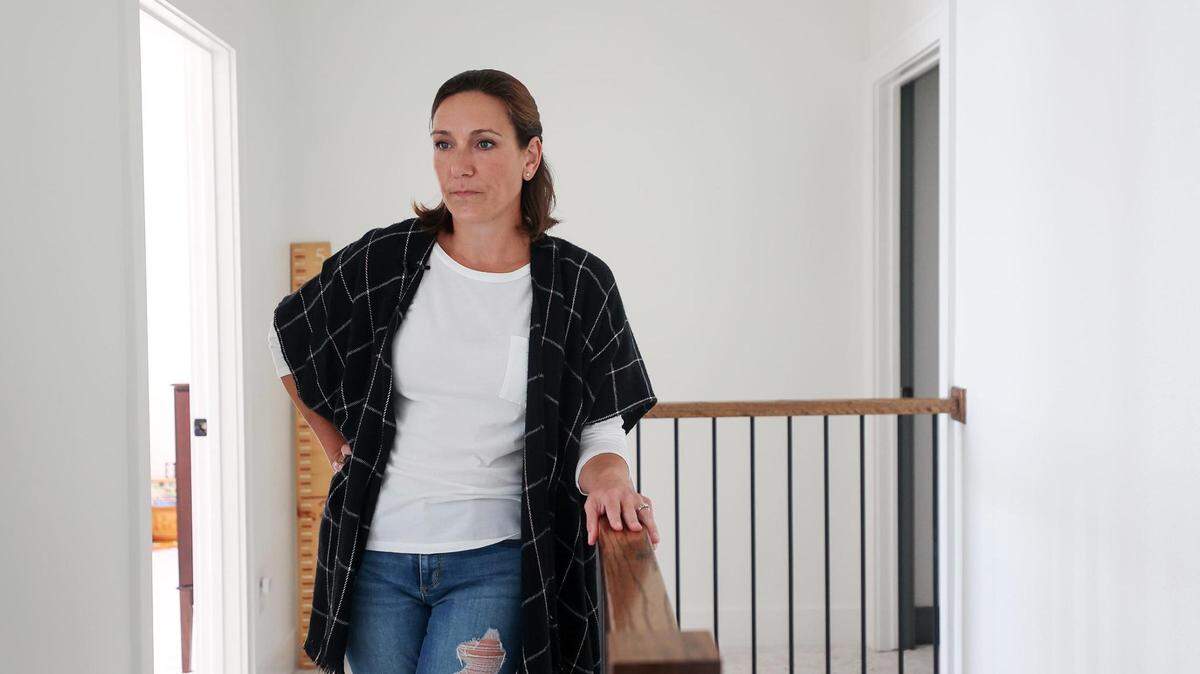
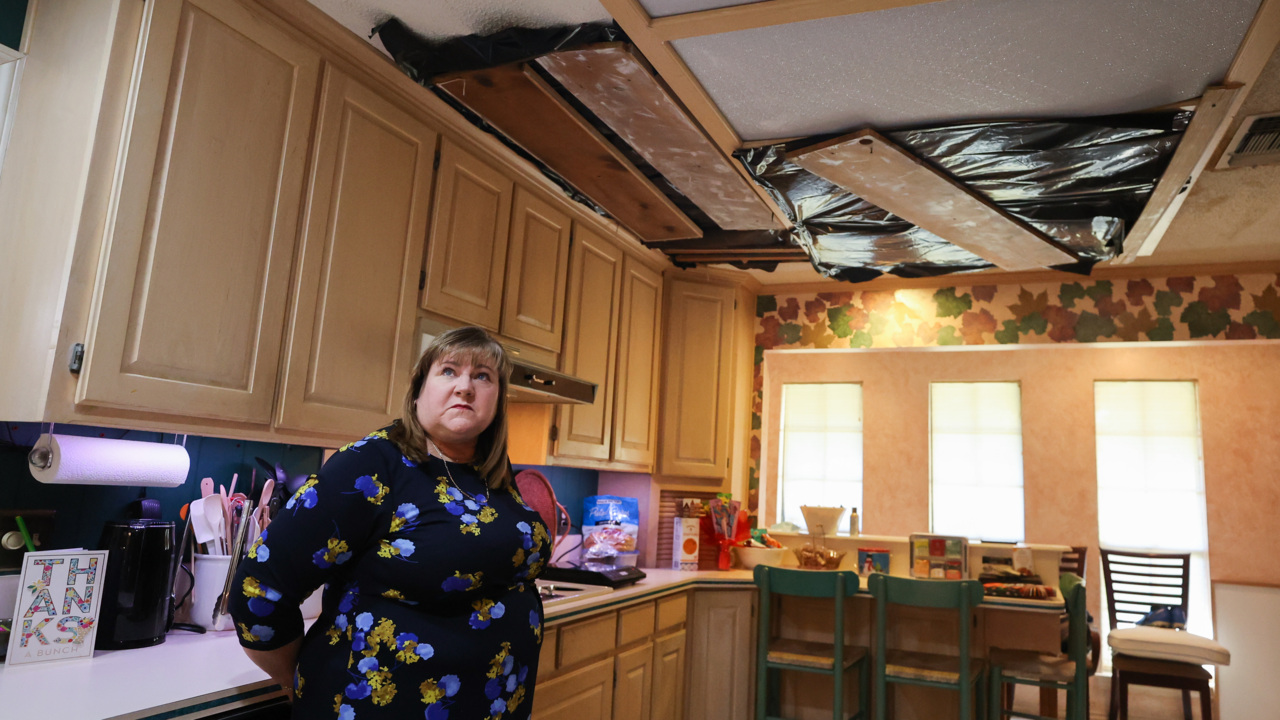
North Texas residents face challenges from property damage during the February 2021 winter storm. Now they are turning to elected officials and new equipment this winter.
Expand All
Gov. Greg Abbott went beyond the usual political promise recently when talking about whether Texas’ electricity industry is ready for winter.
“I can guarantee the lights will stay on,” he told an Austin television station.
Whether it’s bluster or true confidence in the reform laws he signed, we wish we could share his optimism. But news about how regulators softened requirements meant to ensure that companies keep natural gas flowing to supply power plants just won’t allow it.
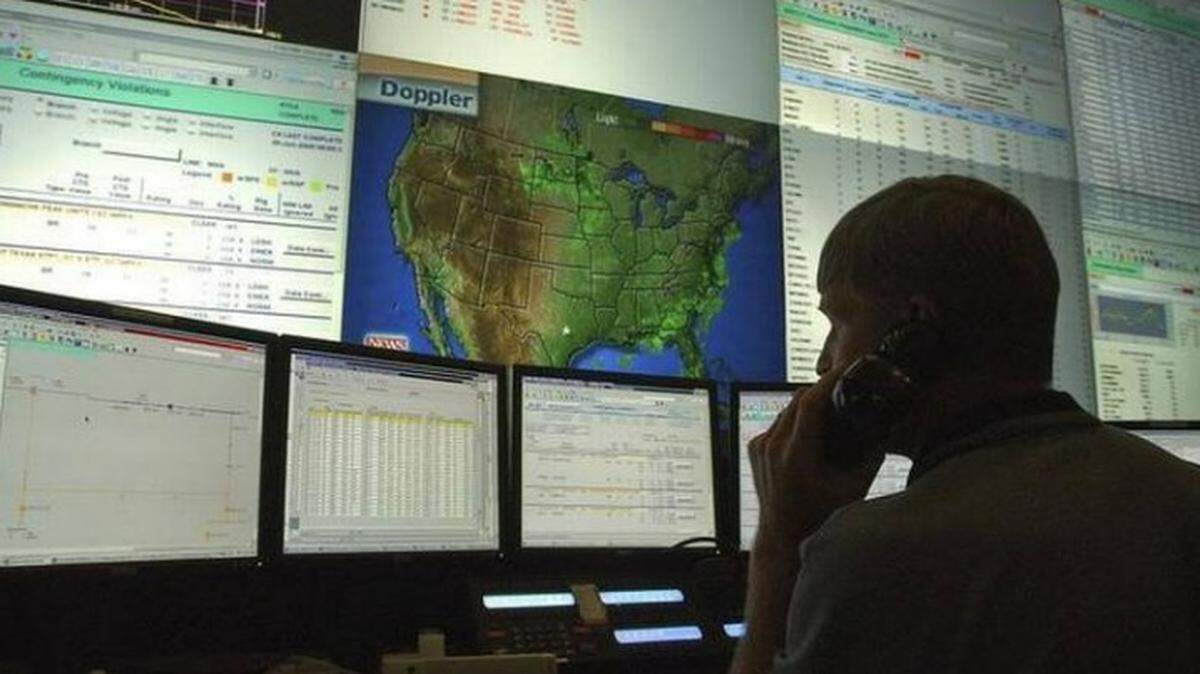
The governor has touted the laws that overhauled ERCOT, the agency that oversees the grid, and changes at the Public Utility Commission, which has pushed power plants to winterize and plans to inspect their efforts.
But the Railroad Commission, the misnamed independent agency that regulates the oil and natural gas business, is doing what it always does: Taking an industry-friendly route to what the Legislature requires.
Gas producers can exempt themselves from being declared “critical infrastructure” by paying a small fee, and that lets them opt out of weatherization requirements. The Legislature is responsible for that loophole, and the Railroad Commission pulled back from the worst version of a rule to implement it after scrutiny from activists and the public.
But it still gives gas producers a lot of leeway, and here’s why that matters: The Federal Energy Regulatory Commission, in its comprehensive report on the 2021 blackouts, confirms that loss of gas production was responsible for the bulk of lost power generation. Yes, wind and solar power failed, too. But natural gas is the biggest muscle behind the state’s power, and frozen production equipment is still a major risk.
Even if it’s not this winter or the next, another freeze will come. And if companies haven’t been required to weatherize by then, there’s great risk of another disaster.
Railroad commissioners will always be reluctant to force the industry to incur cost. They tend to be too close to oil and gas producers, relying on them heavily for campaign contributions and are often heavily invested in the industry themselves. The state may have to provide incentives or outright pay for some portion of weatherization.
To get that done, Texans will have to demand change, either by electing different commissioners or forcing the Legislature to bring the agency into line. Politically, that seems unlikely in 2022; one commissioner, Republican Wayne Christian, is up for re-election. The political climate doesn’t favor shocking Democratic upsets. Beto O’Rourke is frequently reminding voters of the power grid collapse in his bid to defeat Abbott. But the urgency of the issue has faded.
Unless, of course, there’s another big outage in the coming months, or during the summer. Anything close to the catastrophic failures that left hundreds dead and caused gargantuan property damage could be a political game-changer.
The winter, thankfully, looks mild for North Texas. But that doesn’t mean local officials and individual households shouldn’t prepare now. Cities must be prepared to improve communication, offer warming shelters and distribute supplies.
Families should make a plan to leave their homes for areas with power for a few days if they have the option. They should stock up on firewood, easily prepared food and water. We should all make a mental checklist of vulnerable relatives or neighbors and be prepared to help.
After all, even though the winter forecast looks merciful, there are no guarantees — no matter how much the governor sticks out his chest.
BEHIND THE STORY
MOREHey, who writes these editorials?
Editorials are the positions of the Editorial Board, which serves as the Fort Worth Star-Telegram’s institutional voice. The members of the board are: Cynthia M. Allen, columnist; Steve Coffman, editor and president; Bud Kennedy, columnist; Ryan J. Rusak, opinion editor; and Nicole Russell, editorial writer and columnist. Most editorials are written by Rusak or Russell. Editorials are unsigned because they represent the board’s consensus positions, not the views of individual writers.
Read more by clicking the arrow in the upper right.
How are topics and positions chosen?
The Editorial Board meets regularly to discuss issues in the news and what points should be made in editorials. We strive to build a consensus to produce the strongest editorials possible, but when we differ, we put matters to a vote.
The board aims to be consistent with stances it has taken in the past but usually engages in a fresh discussion based on new developments and different perspectives.
We focus on local and state news, though we will also weigh in on national issues with an eye toward their impact on Texas or the Dallas-Fort Worth area.
How are these different from news articles or signed columns?
News reporters strive to keep their opinions out of what they write. They have no input on the Editorial Board’s stances. The board consults their reporting and expertise but does its own research for editorials.
Signed columns by writers such as Allen, Kennedy and Rusak contain the writer’s personal opinions.
How can I respond to an editorial, suggest a topic or ask a question?
We invite readers to write letters to be considered for publication. The preferred method is an email to letters@star-telegram.com. To suggest a topic or ask a question, please email Rusak directly at rrusak@star-telegram.com.