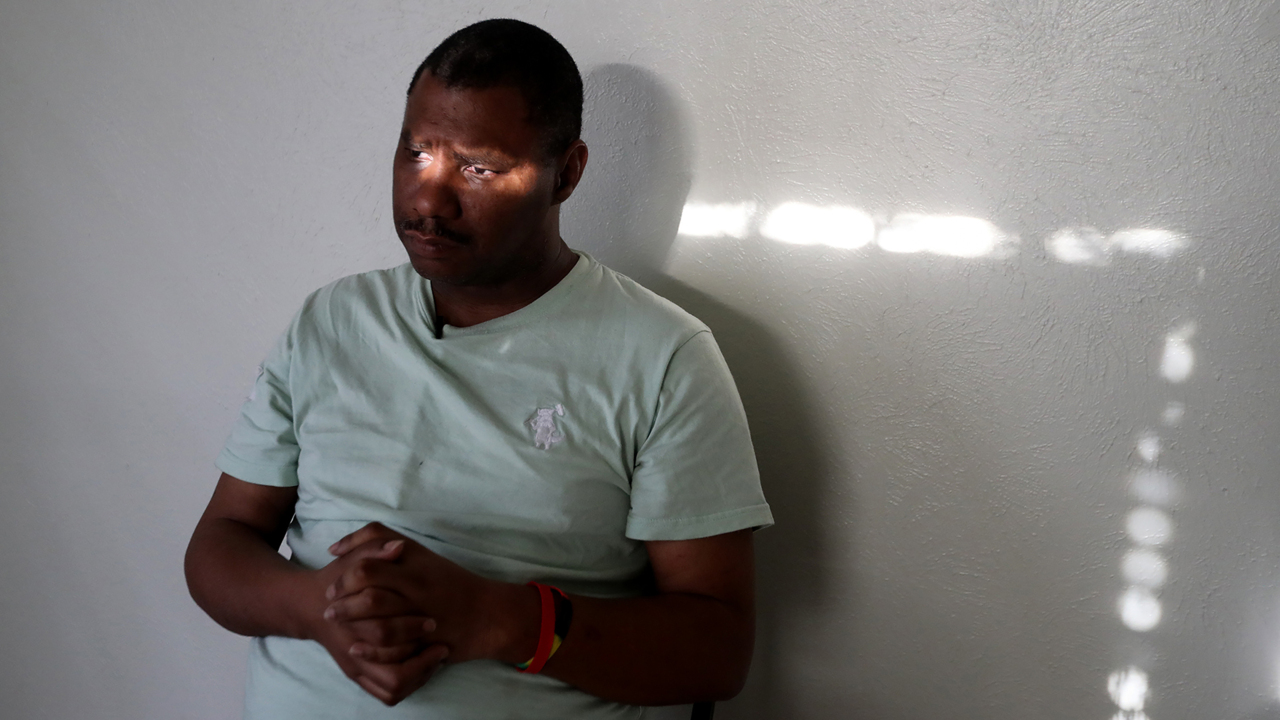
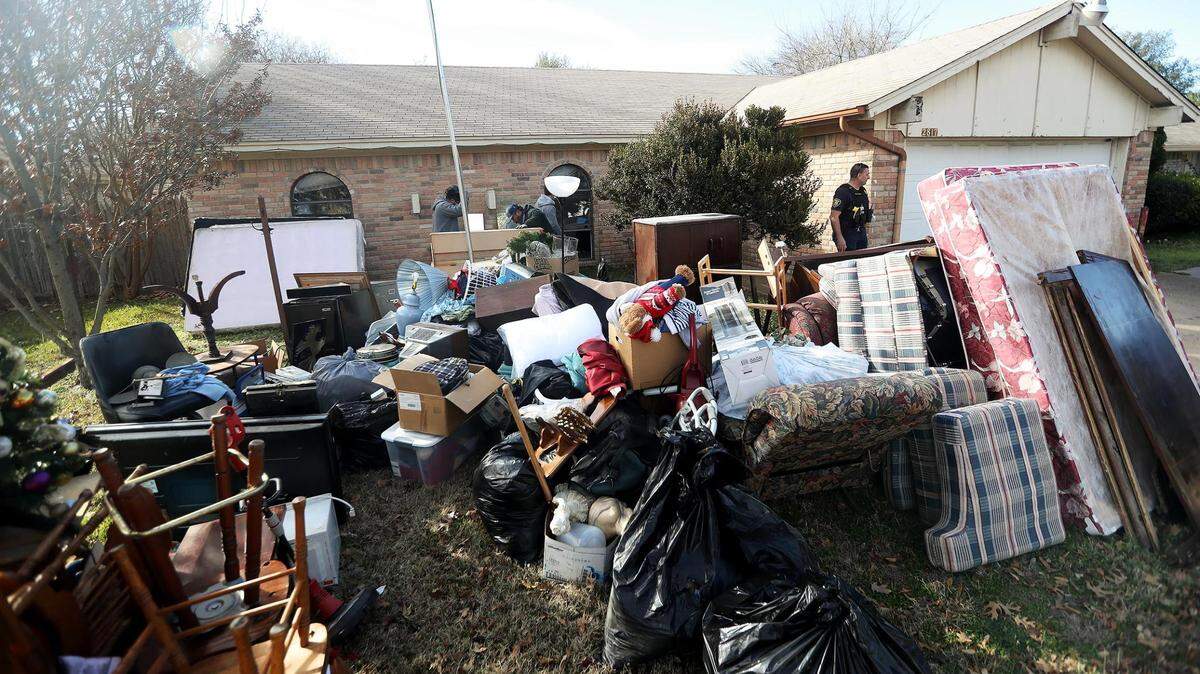
With so many still digging out from the pandemic, judges must take care with evictions
READ MORE
Forced out: When rent relief isn’t enough to fend off eviction
Texas Rent Relief aims to keep tenants in their homes and landlords paid. But for some Dallas-Fort Worth residents, the rental assistance program hasn’t been enough to avoid eviction.
Expand All
Even in normal times, the eviction process is difficult.
The law is confusing. Tenants are often at the end of their rope, with thousands of dollars in back rent they can’t pay. Landlords are sometimes desperate, too, facing their own unpaid tax or mortgage bills after months in which they couldn’t collect.
And for vulnerable populations, the pandemic made hard times even worse. Federal and state programs were meant to keep renters in their homes to avoid unnecessary COVID-19 risk and to offer relief to property owners as unemployment soared and the economy ground to a halt. Those programs, unfortunately, were often slow and poorly administered, with not nearly enough outreach to those in need.
People on both sides of the equation are still digging out, even as the state assistance program, Texas Rent Relief, begins to wind down. It still has millions of dollars to allocate, but even that’s not enough to meet the need that still exists.
Barring more federal aid, that means more eviction proceedings and more of a burden on justice of the peace courts. The law is complicated, and each case brings individual factors. Judges must follow the law, but they should be mindful of the additional difficulties many still face as the economy emerges from the pandemic.
As a Star-Telegram investigation details, eviction proceedings are often stacked in favor of landlords, especially large, corporate property owners. They and their lawyers usually have a better understanding of the law; many tenants don’t even show up to argue their cases. Cases move quickly, but judges should be vigilant about protecting the rights of tenants and directing help their way when it’s available.
Many tenants living on the edge never even knew that federal assistance was optional. Even if it’s drying up, local and county programs remain, and increased outreach efforts are in order.
Property owners have rights and needs, too. Most rental units are owned by individuals with no more than a few properties, often just one, according to Census data. Nearly three-quarters of single-unit homes available for rent are owned by individuals. When property taxes come due — and in Texas, that’s a significant annual bill owed to relentless collectors — months of nonpayment could create financial hardship for the property owner, too.
The housing market remains in turmoil, especially in the Fort Worth area. It’s not just the pandemic, but also the high price of homes amid rapid growth and demand. When the supply is squeezed, the impact is felt all the way down to rentals, too. It’s important for policymakers to address, but it won’t be resolved in the short term.
So, as the pandemic lingers, courts must find the right balance in the eviction process.
Tenants’ rights are a priority, but property owners must have fair recourse, too.