North Texas winter weather forecast: ‘Major’ blast of arctic air possible
Winter is still a couple of months away, but long range forecasts are beginning to paint a picture of how things will shake out for Texas.
In August, The Farmers’ Almanac and the Old Farmer’s Almanac both released winter weather outlooks that offered varying conditions for the Lone Star State. The former said Texas is in store for a cold and wet winter, while the latter stated that conditions will be mild and dry.
Now, AccuWeather has released its winter weather outlook for the 2025-2026 season. Here’s what it predicts for Texas.
AccuWeather winter outlook for Texas
A “major” blast of arctic air may impact the South, including Texas.
There will be a pattern shift around late January or early February that could allow “significant” cold air to sweep through the state and the Gulf Coast, according to AccuWeather.
“This will also raise the risk of snow and ice,” the forecast writers noted.
That’s about the only information mentioned for Texas in the forecast. Much of the hubbub about snowfall this winter is for areas in the Midwest and along the East Coast.
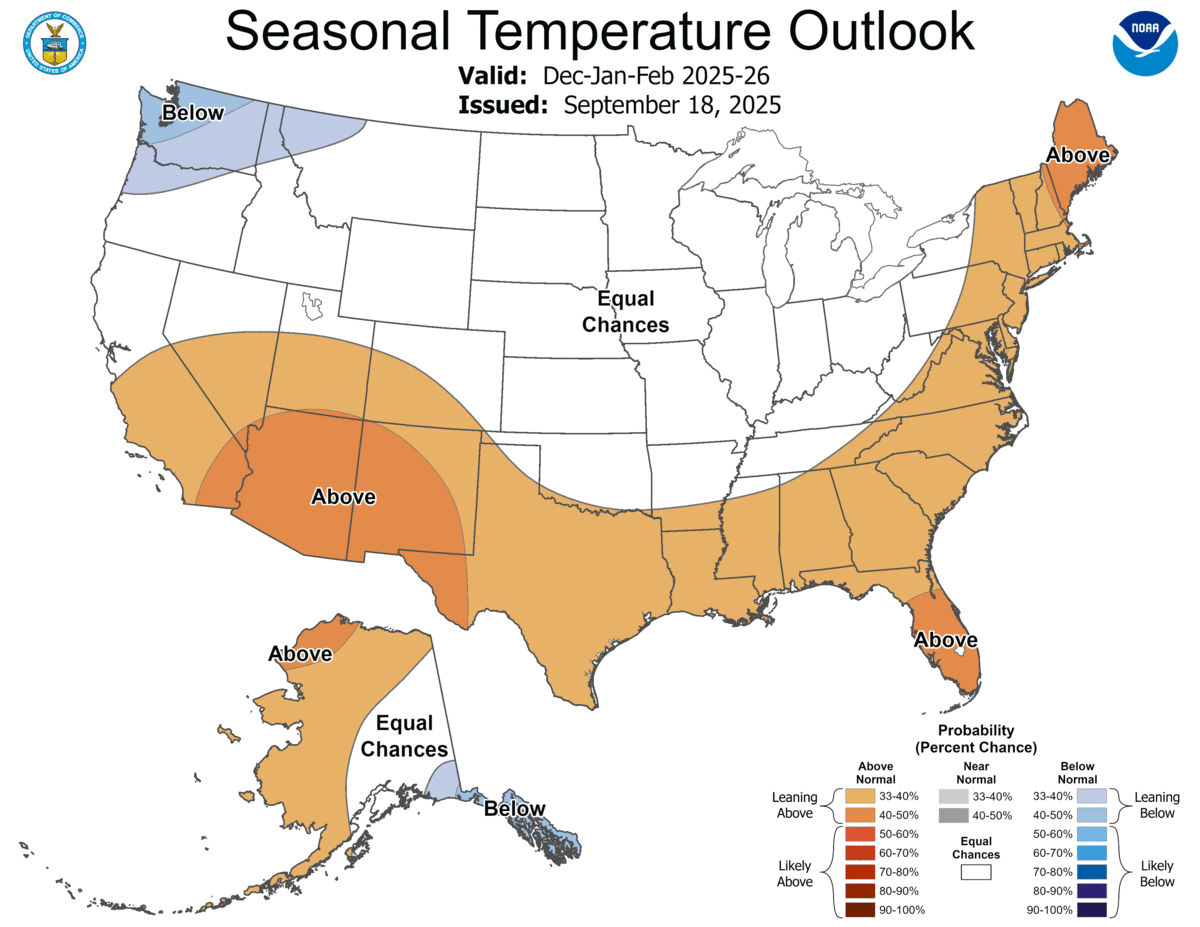
How does the NWS forecast for winter compare?
Temperatures in Texas are leaning above normal for the winter months, according to an outlook from the NWS’ Climate Prediction Center.
The outlook, issued on Sept. 18, is valid from December 2025 to February 2026. In North Texas, the normal high for December is 57.9 degrees, 56.5 degrees in January and 60.9 in February.
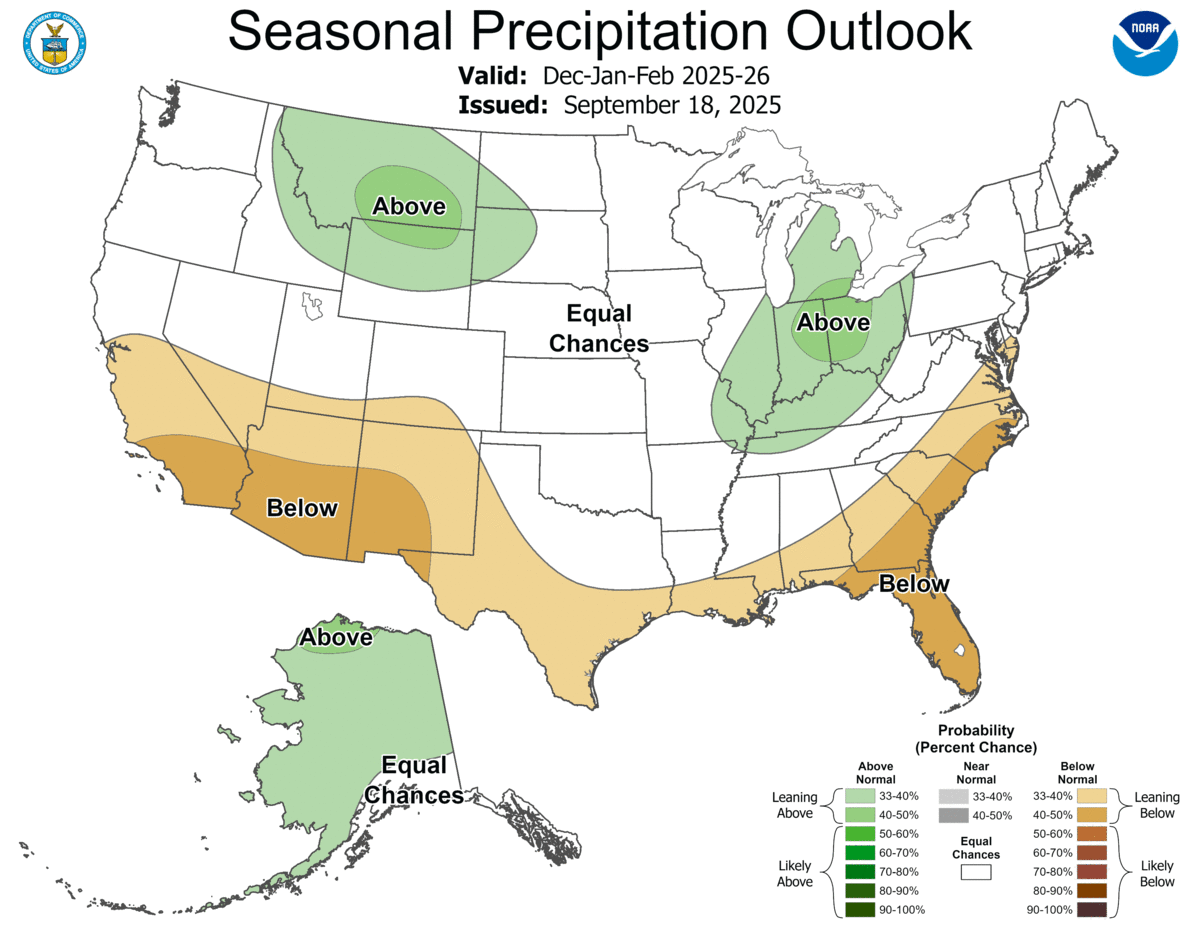
Precipitation-wise, the CPC’s outlook is predicting “equal chances” for rainfall over the winter months.
When forecasters use “equal chances,” it means they think an area has three possible outcomes — well above, well below, or near normal — that are all equally likely, according to the CPC. Or, sometimes it means that there are no strong influences that would favor one outcome over another.
While this is a snapshot of how things are expected to look in the future, a one month outlook and subsequent weeks’ and days’ forecast will give a better look at what to expect as the date grows near, according to the NWS.