Heat stroke, exhaustion are serious business in Texas. Here’s what you need to know

READ MORE
Deadly heat
How to stay safe in a blazing North Texas summer.
Expand All
Deadliest weather? You’re in it. How to stay safe in a blazing North Texas summer
Here’s how to get your body adjusted to the heat in Fort Worth this summer

Get used to this brutal heat. Future summers in North Texas are expected to get hotter
Heat stroke, exhaustion are serious business in Texas. Here’s what you need to know
(Para leer este artículo en español, vaya aquí.)
Dangerously hot days are here.
Much of the country has roasted under unusually high temperatures in the triple digits. In Texas, record-breaking heat hit early this spring and hasn’t relented into July.
The heat poses a health danger. Here are some things to know.
Heat exhaustion vs. heat stroke
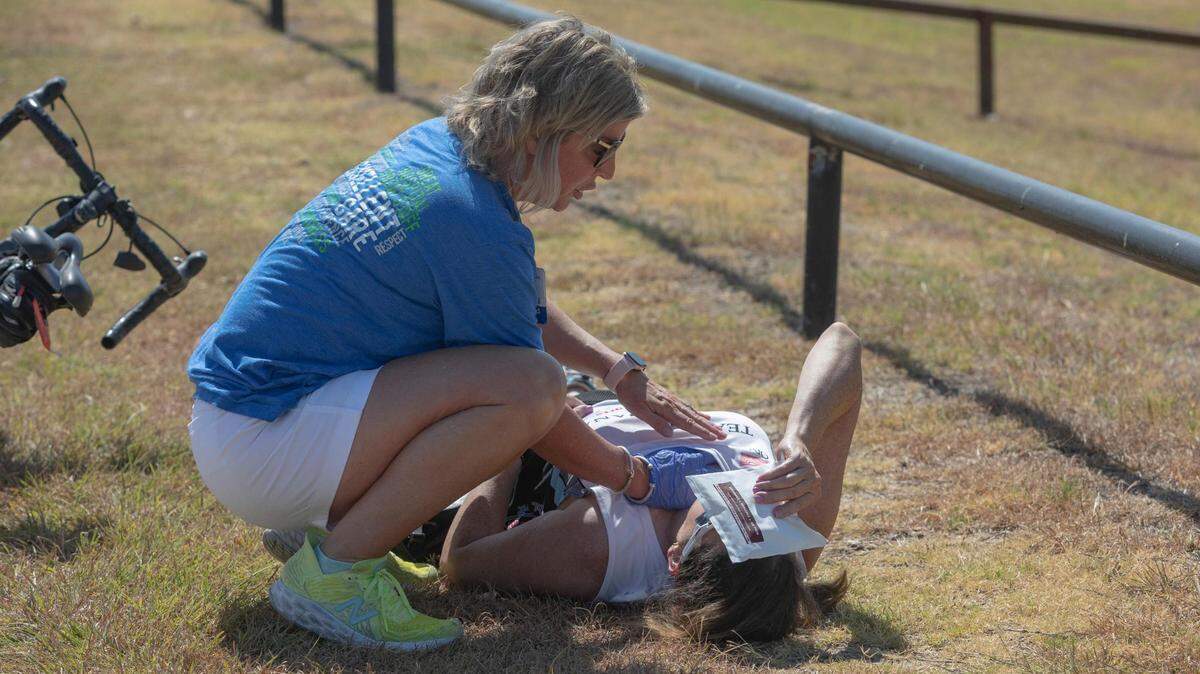
Heat exhaustion is when the body loses large amounts of water and salt through excessive sweating, particularly through hard physical labor or exercise. Symptoms include muscle cramps, paleness, sweating, nausea and vomiting. According to MedStar, children and the elderly are especially susceptible.
If you are someone you know experiences heat exhaustion, the National Weather Service advises moving to a cooler area, loosening clothing and drinking cool water. If symptoms don’t improve, seek medical attention.
A heat stroke is when the body suffers from long, intense exposure to heat and loses its ability to cool itself. This is a life-threatening problem. According to MedStar, common signs of heat stroke include confusion, vomiting, alteration in sweating, hot and flushed skin, rapid heart rate, decreased sweating, shortness of breath, decreased urination, increased body temperature or even convulsions.
Heat stroke is a medical emergency — if you or someone you know starts experiencing heat stroke symptoms, immediately call 911.
What are ways to prevent heat exhaustion and heat stroke?
Here are some tips from MedStar on how to prevent heat exhaustion and heat stroke:
- Hydrate with plenty of water, especially during sports activities.
- Ventilate with air conditioning or fans and open windows.
- Cover up with light-colored, loose-fitting clothing and a hat to block out the sun. If your body becomes too hot, MedStar officials said to remove hats to prevent more heat from getting trapped close to the body.
- Limit strenuous activities and take time to cool off.
- Check on elderly family members and friends to ensure they’re staying protected against the heat.
Children and pets should never be left unattended in hot cars. MedStar advises securing vehicles to prevent children getting trapped inside and set reminders to remember the vulnerable passengers.
If a child or pet is unattended in a hot car, alert authorities.
This story was originally published June 20, 2022 at 11:33 AM.