Here’s how to get your body adjusted to the heat in Fort Worth this summer
READ MORE
Deadly heat
How to stay safe in a blazing North Texas summer.
Expand All
Deadliest weather? You’re in it. How to stay safe in a blazing North Texas summer
Here’s how to get your body adjusted to the heat in Fort Worth this summer

Get used to this brutal heat. Future summers in North Texas are expected to get hotter

Heat stroke, exhaustion are serious business in Texas. Here’s what you need to know
Anyone spending time working, playing, or exercising outside, or who doesn’t have access to air conditioning, is at risk for heat illness or even dying from heat exposure if they don’t take the proper precautions.
Doctors say the best way to avoid heat illness is to simply stay inside during the hottest part of the day, which is usually between 11 a.m. and 3 p.m. If that’s not possible, there are a few other steps experts recommend, said Dr. Maria Mejia, associate professor of family and community medicine at Baylor College of Medicine.
First, stay alert for symptoms of dehydration, which can different depending on your age.
For infants or young children, symptoms of dehydration include dry mouths or tongues, no tears when they cry, no wet diapers for three hours, irritability, and sunken eyes, cheeks, or a sunken soft spot at the top of the skull, Mejia said.
Adults who are dehydrated will experience extreme thirst, less frequent urination, dark-colored urine, fatigue, dizziness, or confusion.
Dehydration can quickly lead to heat exhaustion. Symptoms of heat exhaustion include increased sweating, rapid heart rate, low blood pressure and feeling light headed. You’re more likely to experience heat exhaustion when it’s humid out, as humidity makes it harder for sweat to evaporated off of your skin, Mejia said. If you experience symptoms of heat exhaustion, you should go inside and find air conditioning as soon as possible.
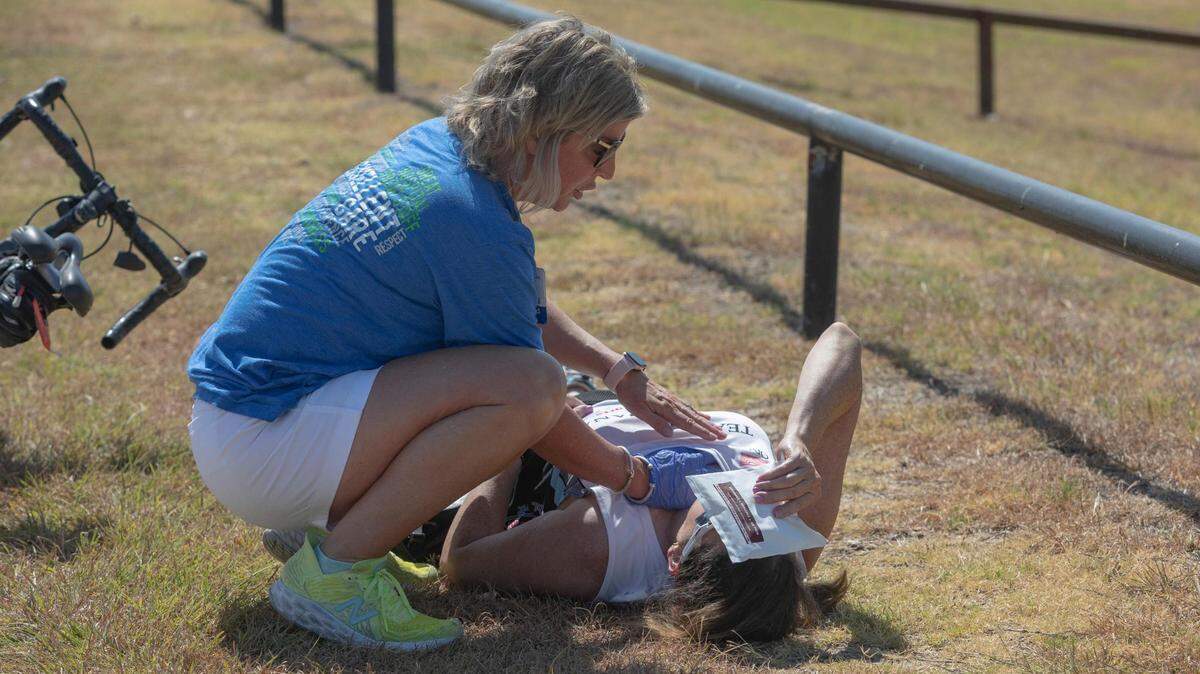
Heat stroke, the next level of illness after heat exhaustion, usually occurs when the body’s core temperature reaches 104 degrees. When that happens, a person will usually feel dizzy, disoriented, and confused. Seizures, vomiting or comas can also occur. If you experience heat stroke or are nearing, you should immediately seek medical attention.
Mejia recommended additional steps to stay safe during extreme heat:
- Drink lots of water, even if you don’t feel thirsty, to ease the load on the heart, kidneys and other organs.
- Replace salt (electrolytes) lost from sweating by drinking fruit juice or sports drinks.
- If you must go outside, dress in loose, lightweight clothing and a hat and take breaks often.
- Wear sunscreen, as sunburn affects the body’s ability to cool itself.
- Check in on neighbors who are elderly, house-bound or otherwise may be reluctant to ask for help.
- Never leave kids or pets in a closed, parked vehicle.
This story was originally published July 14, 2022 at 5:00 AM.