Wild hogs stopped traffic on a North Texas highway. Here’s why they’re showing up
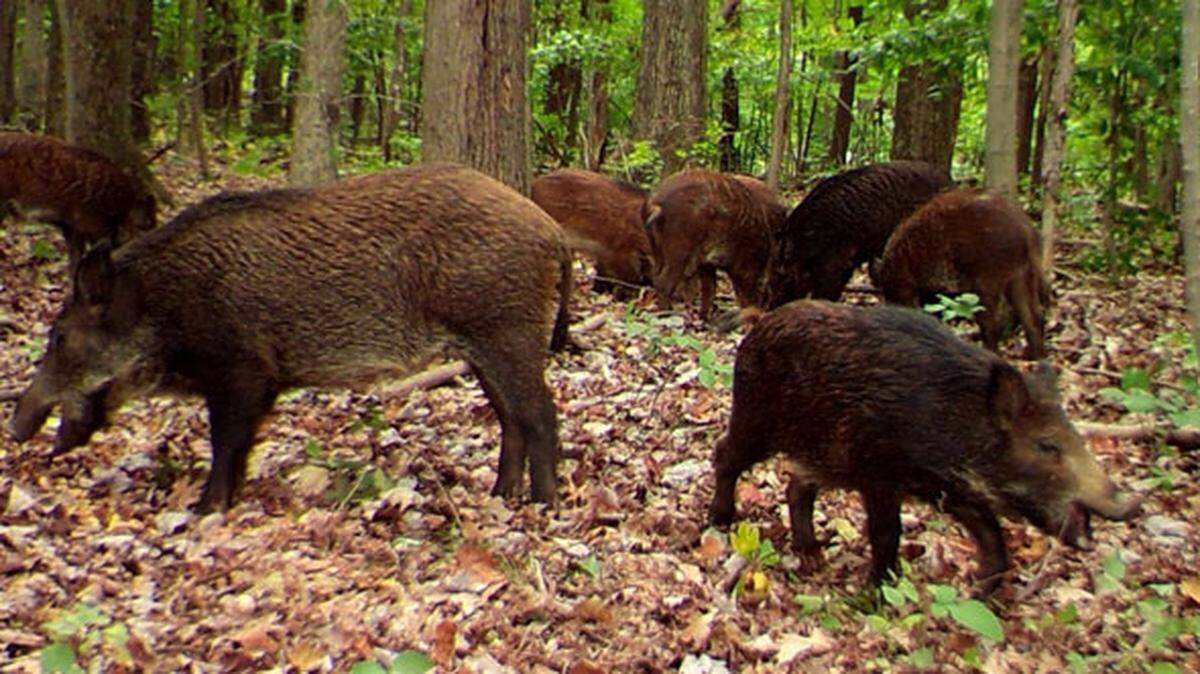
Imagine you’re driving down the highway when traffic suddenly stops — not for construction or a wreck, but for wild hogs in the road.
That’s exactly what happened this week on Interstate 45 near Dallas, where several feral hogs were hit, backing up traffic as crews worked to clear the scene.
It’s the kind of situation drivers don’t expect, but it’s becoming more common across North Texas. Feral hogs are turning up in places they don’t belong and damaging property.
Here’s what to know.
Why are feral hogs in North Texas?
According to the Texas Parks and Wildlife Department, pigs were brought to the Caribbean by Christopher Columbus in 1493 and later introduced to the U.S. by Spanish explorers along the Florida coast in the 1500s.
Overtime, some escaped or were left behind, eventually becoming the wild hogs seen today.
The hogs in Texas are a mix of domestic pigs, Eurasian wild boars, and hybrids of both, which helps them survive in different environments.
People most often see them near wooded areas, creeks and open land where they can find food and water.
Are feral hogs a problem in Texas?
Yes. Texas has one of the largest feral hog populations in the country, with more than 2.6 million across the state, according to TPWD.
One reason they’re a problem is how fast they reproduce. Feral hogs can breed year-round, making their population difficult to control.
They also cause widespread damage by tearing up land while searching for food, which can destroy yards, farms, crops, livestock and water sources.
Feral hogs cause an estimated $871 million in damage each year in Texas, according to the Texas Farm Bureau.
“While crop losses often draw the most attention, the data shows that the true financial burden is much broader—influencing planting decisions, degrading pastureland, damaging equipment and infrastructure and consuming labor hours that could otherwise be devoted to production,” American Farm Bureau Federation Economist Daniel Munch said.
Feral hogs can also be dangerous to people.
In 2025, a 13-year-old girl in Erath County was attacked by a wild hog while outside on her family’s property, leaving her with injuries that required medical treatment.
What should I do if I see a feral hog?
Feral hogs can be unpredictable and aggressive, especially if they feel threatened or are in groups, according to TPWD.
Officials say people should not approach, feed or try to chase a hog away. Instead, you should back away slowly and give it space.
If you see one in your neighborhood, you can report it to local animal services or wildlife officials so they can track activity in the area.
Texas allows feral hogs to be hunted on private property with landowner permission, and trapping is also used as a way to control their population, according to TPWD.
Even with those efforts, experts say the animals remain difficult to manage.
If you’re driving, especially at night, stay alert in areas where wildlife crossings are common, since hogs can move in groups and enter the roadway quickly.