Snakes are becoming more active in Texas right now. Here’s why
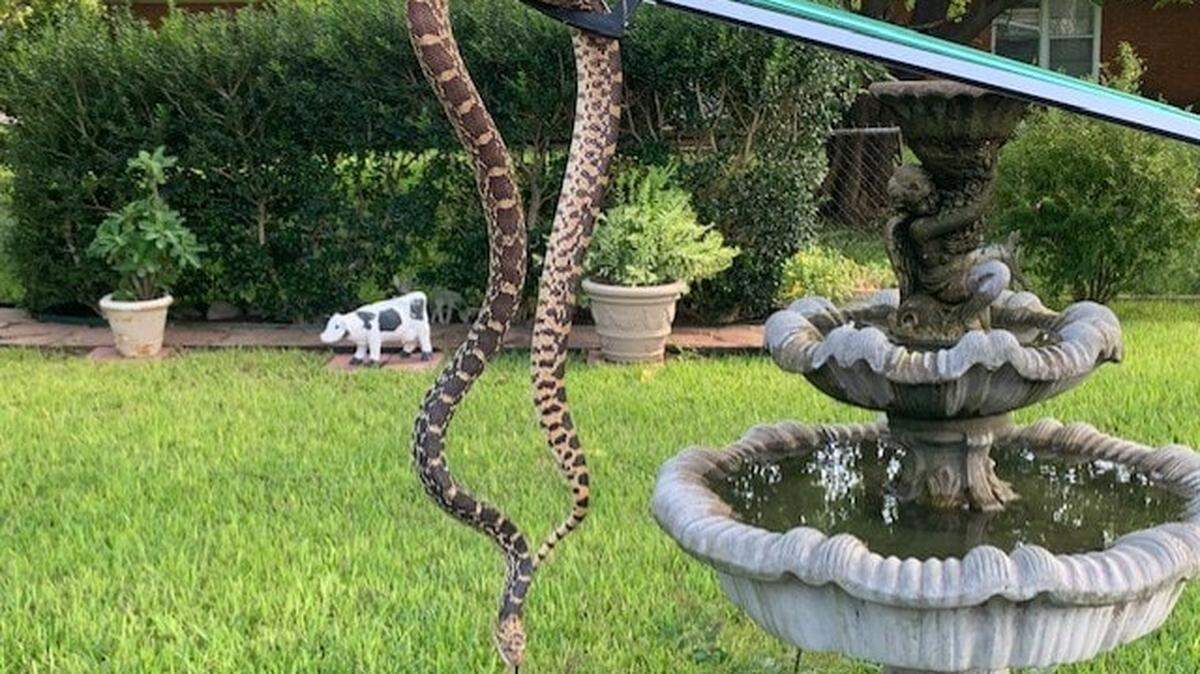
You don’t have to go far to come across a snake in Texas — it could be along a walking trail, in your yard or even inside your home.
Experts say encounters tend to increase this time of year as temperatures begin to rise and snakes come out of hibernation. With more than 100 snake species across the state, sightings can happen in a variety of places.
Here’s what to know.
Why are snakes showing up right now in Texas?
Snake sightings tend to increase in late winter through early spring, as snakes emerge from a dormant state known as brumation, according to experts with Texas A&M College of Agriculture and Life Sciences.
As cold-blooded animals, snakes rely on outside temperatures to regulate their body heat, which means warmer weather naturally makes them more active.
This time of year is also a key period for feeding and mating, meaning snakes are actively searching for food like rodents and frogs, as well as potential mates.
In some cases, expanding development across Texas is pushing snakes out of their natural habitats and into populated areas, making encounters more likely, wildlife experts say.
What kinds of snakes are common in Texas?
Texas is home to a wide variety of snake species, but only a small portion are venomous.
According to the Texas Parks and Wildlife Department, the most common venomous snakes in the state are rattlesnakes, coralsnakes, copperheads, and cottonmouths.
In North Texas, wildlife experts say you’re most likely to encounter copperheads, cottonmouths, and western diamondback rattlesnakes.
Nonvenomous snakes, such as rat snakes and bull snakes, are also common and often found in attics, yards, or fields where they feed on rodents.
What should I do if I see a snake near my home?
If you come across a snake, the safest thing to do is keep your distance and avoid trying to handle or move it, according to the Dallas Fort Worth Wildlife Control.
“Snakes will prefer to avoid encounters with humans altogether. A snake might respond defensively by hissing, striking, or biting if it feels cornered, startled, or otherwise threatened,” the group said.
Experts recommend giving the snake space to leave on its own and if needed, you can take a photo from a safe distance to help with identification rather than getting closer.
“The majority of bites result from people taking unnecessary or foolish risks with venomous snakes,” the Texas Parks and Wildlife Department said.
To reduce the chances of snakes around your home, TPWD advises keeping your lawn trimmed low and removing brush, woodpiles, rocks, and debris where snakes and rodents may hide.
It’s also important to wear shoes while outside and avoid placing your hands in areas you can’t see, especially around logs, rocks, or near water.
Frequent sightings or signs like shed skin, droppings, or a musky odor could indicate a larger issue and may be a reason to contact wildlife control.
“Do not play around with a dead snake, they have been known to bite and envenomate. Get a good field guide and keep it handy especially in the field,” TPWD said.