RFK Jr. shifts the CDC’s COVID vaccine guidance. What Texas families should know
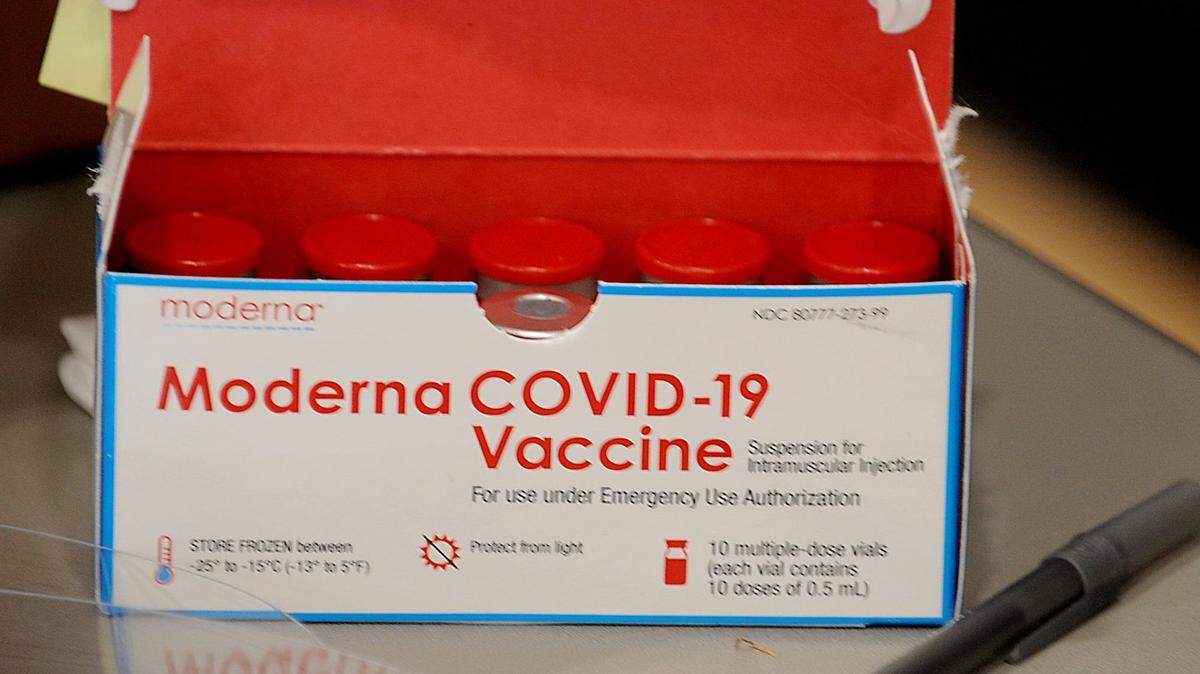
Health Secretary Robert F. Kennedy Jr. recently announced a change to the Centers for Disease Control and Prevention’s vaccine schedule that he says reflects a new approach to public health and personal choice.
In a video posted on X on May 27, he called it a major step: “I couldn’t be more pleased to announce that, as of today, the Covid vaccine for healthy children and healthy pregnant women has been removed from the CDC recommended immunization schedule.”
But what exactly changed — and how will it affect the guidance doctors give to Texas parents, pregnant patients, and school-age kids?
Here’s what to know.
What CDC COVID vaccine recommendations changed?
The CDC removed its blanket recommendation that all healthy children and pregnant women receive the COVID-19 vaccine. That guidance had been in place since early in the pandemic, urging vaccination for anyone 6 months and older.
Now, that guidance is are more nuanced. The vaccine is still listed on the CDC’s immunization schedule for children, but with new language.
For healthy kids, the shot is now considered optional. It falls under what’s called “shared clinical decision-making,” which means parents and healthcare providers decide together whether it makes sense based on individual health factors. Your child’s doctor may still offer the vaccine or ask if you’re interested, but it’s no longer positioned as the standard course of care.
Children who are immunocompromised or have medical conditions that increase their risk for severe illness are still strongly encouraged to get the vaccine. Pediatricians may continue recommending the shot for these patients, just as they would with other risk-based immunizations.
As for pregnant women, the change is more dramatic: the vaccine is now listed as “No Guidance/Not Applicable.” That effectively removes it as a standard recommendation during pregnancy. OB-GYNs may still suggest the vaccine for patients with high-risk pregnancies or those frequently exposed to the public.
The move has sparked major backlash.
A coalition of leading medical groups and a pregnant physician are now suing Kennedy, accusing him of sidelining science and putting families at risk.
The lawsuit says his sweeping changes, and the replacement of key CDC advisors with anti-vaccine voices, have eroded trust and made it harder for high-risk patients to access care.
The plaintiffs are asking a federal judge to block the new guidelines and declare them unlawful, warning that the administration’s actions could lead to lasting harm if left unchecked.
Why did the CDC make these changes?
The timing and tone of this update reflect a broader shift in leadership and public health messaging under Kennedy, a known critic of vaccine mandates and past COVID policies.
While the changes caused confusion, the Department of Health and Human Services insists the new wording aligns with Kennedy’s previously stated plans to limit vaccine recommendations to people with clear medical need.
A spokesperson for HHS pushed back on suggestions that the move contradicts Kennedy’s agenda, saying the shift encourages more personalized care.
“If a parent desires their healthy child to be vaccinated, their decision should be based on informed consent through the clinical judgment of their healthcare provider,” HHS spokesperson Andrew Nixon said in an email to POLITICO.
What do Texas parents and patients need to know?
Whether you’re scheduling a back-to-school physical or preparing for your next prenatal appointment, the burden of decision-making is shifting back to families and providers.
Here’s what Texans can do:
- Talk to your doctor. If you’re unsure about the COVID vaccine—for yourself or your child—bring it up during your next visit. Many providers will still be open to discussing it based on your personal health history.
- Know it’s not required for school. COVID vaccines are not part of Texas’s school immunization requirements, so public schools won’t deny enrollment based on vaccination status.
- Expect different guidance depending on where you go. Some providers may continue offering the vaccine as part of routine care. Others may not mention it unless you ask.