Here’s what Texas law says about police pulling you over in an unmarked vehicle
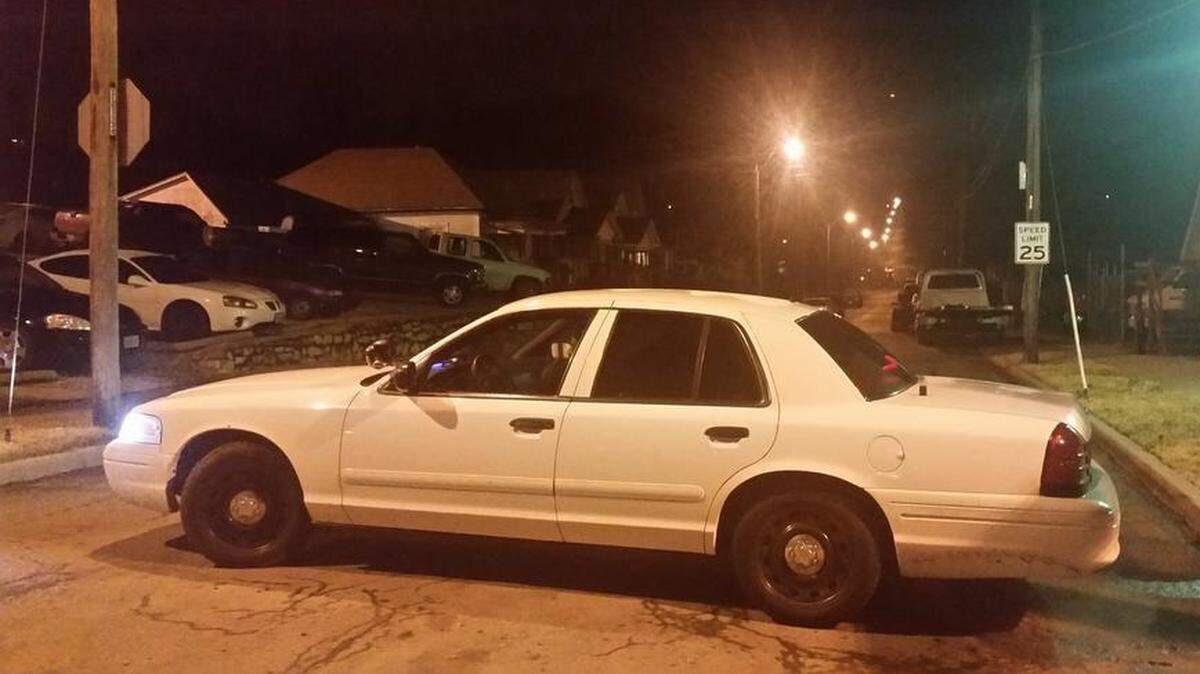
You’re driving down a dark road, music playing, maybe speeding a little — when headlights flash behind you and a car with blackout tint and grill guards signals for you to pull over. But there’s no siren. No markings. No badge in sight.
You might be wondering: Is this legal?
In Texas, the answer is yes — but there’s more to it.
Here’s what you need to know about unmarked police vehicles, when they can pull you over and how to protect yourself if you’re not sure the car behind you is legit.
Can Texas police use unmarked vehicles to pull people over?
Yes. Under Texas law, it’s legal for police officers to operate unmarked vehicles and to use them to conduct traffic stops or make arrests.
Marked patrol cars are the standard, but state law allows exemptions that let officers drive unmarked cars, also known as “ghost-marked” or “stealth” units. These cars may be used by detectives, narcotics teams or traffic enforcement units in certain jurisdictions.
So if a plain-looking car flashes emergency lights at you, it could be a real cop — and yes, they can legally stop you. While they’re not required to display standard markings, the officers inside are still covered by the same laws that govern traffic stops.
A Texas House bill that would have prevented law enforcement from using unmarked cars was introduced in the 89th Texas Legislature this spring but died in committee.
How to spot an unmarked police car in Texas
Unmarked patrol cars are usually American-made sedans or SUVs with subtle clues that give them away. According to Thiessen Law Firm, a Texas-based criminal defense practice, here are some signs to look for:
Blackout tint on the windows
Grill guards or push bars on the front
Spotlights near the mirrors
An “EXEMPT” license plate (government-issued)
A light bar inside the windshield or rear window
They typically don’t have roof lights or police decals — but many still have sirens, interior lights, and dash cams.
When can an unmarked car legally stop you?
Just like marked patrol cars, officers in unmarked vehicles need reasonable suspicion to pull you over.
That could include speeding, running a red light, swerving, or possible DWI behavior.
But there’s one key difference: while traffic stops in unmarked cars are legal, high-speed pursuits are generally discouraged. Thiessen Law notes that unmarked units are advised not to initiate a chase unless a clearly marked vehicle is nearby to assist — otherwise, the risk of confusion and danger increases.
What should you do if an unmarked car tries to pull you over?
If you’re unsure whether the vehicle is a real police unit, it’s okay to be cautious — especially if you’re driving alone or in an isolated area.
Experts recommend the following
- Don’t stop immediately if you’re unsure. Slow down, turn on your hazard lights, and drive to the nearest public, well-lit area like a gas station or shopping center.
- Call 911. Tell the dispatcher where you are and that an unmarked car is attempting to stop you. They can confirm whether the stop is legitimate.
- Ask for ID before engaging. Once you’re safely stopped, don’t roll down your window right away. Ask the officer to show their badge through the glass.
- Keep calm and communicate. If you’re delaying your stop to find a safe location, make it obvious. Real officers will usually understand if you’re acting in good faith.
Texas law allows drivers to delay pulling over for a short time — as long as you’re not attempting to evade police. Avoid sudden turns or speeding, and make your intentions clear.
What if it’s not a real officer?
Police impersonation is a felony in Texas, but it does happen — which is why Thiessen Law stresses the importance of verifying the officer’s identity before unlocking your doors or handing over documents.
If the person approaching your car:
- Refuses to show ID
- Tries to intimidate you
- Doesn’t act professionally
- Or sets off red flags in any way
Stay in your car, keep it locked, and stay on the line with 911 until a verified officer arrives.