Here’s what Texas law says about who can use a handicap parking placard
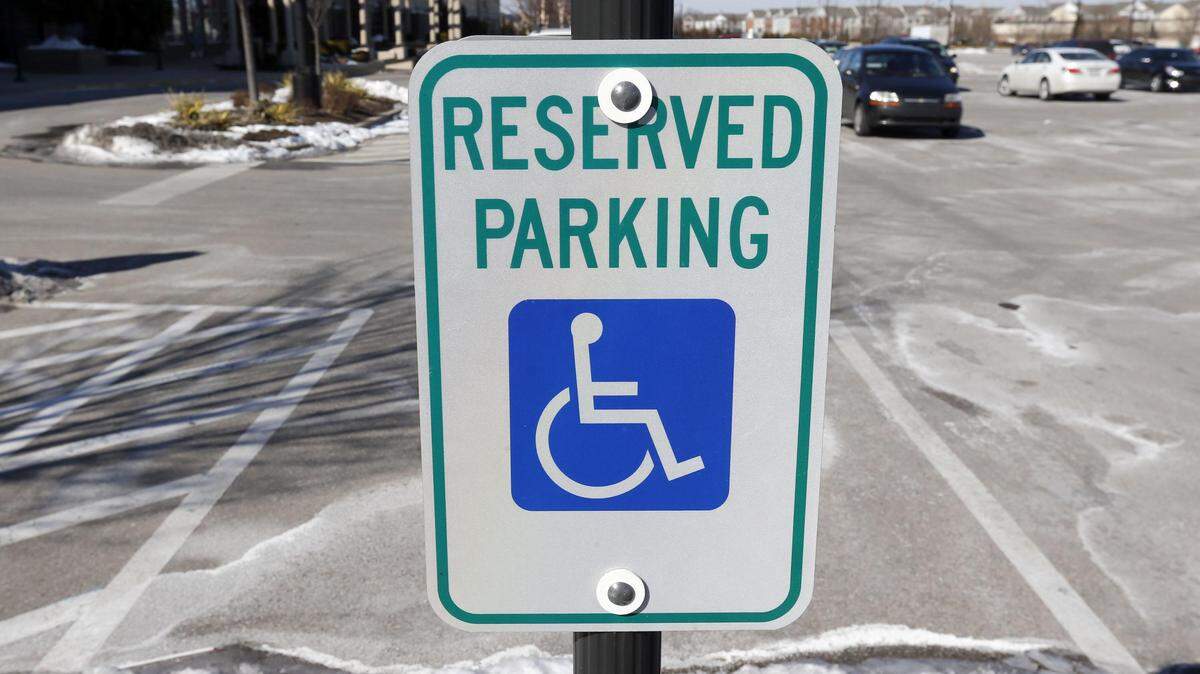
You’ve probably seen it before — someone parks in a handicapped parking spot, hangs a placard on the mirror, and walks off without a cane, brace or visible disability.
Maybe you’ve even wondered: Are they allowed to do that? Could I do that if I had a placard, even if I’m not disabled?
It’s not as simple as it looks. In Texas, who can use a disabled placard and how, is governed by specific laws. Misusing one, even once, can lead to serious fines, towing, or community service — and in some cases, jail time.
Here’s what Texas law actually says about who qualifies for handicap parking and what happens if you get it wrong.
Who qualifies for a disabled placard or license plate in Texas?
A person is eligible for a disabled parking placard or license plate if they have a medical condition that meets Texas’ legal definition of disability. According to the Texas Department of Motor Vehicles, that includes:
- Visual acuity of 20/200 or less in the better eye with corrective lenses
- A visual field of 20 degrees or less, or
Mobility problems that substantially impair a person’s ability to move, caused by:
- Paralysis
- Lung disease
- Cardiac conditions
- Arthritis
- Foot disorders
- Neurological conditions
- The need for a brace, cane, crutch, or wheelchair
Not all disabilities are visible. Chronic pain, fatigue, and internal conditions may qualify even if the person doesn’t “look” disabled.
If your doctor agrees you meet the medical criteria, they must sign a Disability Statement (Form VTR-214), which you then submit to your local county tax office.
What type of placard should you have?
Red placard: For people with temporary disabilities. Valid for up to six months.
Blue placard: For people with permanent disabilities. Expires every four years and is renewable.
ISA license plates: For those with permanent disabilities who want the International Symbol of Access (ISA) on their car’s license plate.
Each must be displayed on the rearview mirror or dashboard when parked in a disabled space. A placard or plate is only valid when the person it was issued to is in the vehicle, either as the driver or as a passenger.
Do you need to carry proof of a disability?
Yes. Each placard must include:
The first four digits of your driver’s license, state ID, or military ID
Your initials
If a law enforcement officer questions you, they can seize the placard and inspect your ID to verify a match
If the numbers or initials don’t match, the placard can be revoked — even destroyed — within days. According to the Texas Governor’s Committee on People with Disabilities, officers are required to investigate any potential misuse and report it.
Who can use the disabled placard?
Only the person the placard was issued to. That means:
You cannot lend it to a friend or family member
You cannot use it just to “run inside real quick” without the disabled person in the car
Using someone else’s placard — even for a short time — is illegal.
What are the penalties for misusing a disabled placard?
According to Texas Transportation Code §681, misuse of a placard or plate can lead to:
A fine up to $1,250
50 hours of community service
Immediate seizure and destruction of the placard
Additional penalties for repeat offenders, including higher fines and more community service
Legal consequences for using counterfeit or altered placards
Misuse also includes blocking a curb, ramp, or access aisle, or using a placard to park for free without transporting a disabled person.
Can you park for free with a disabled placard?
Sometimes.
Vehicles with a valid placard or ISA license plate can park without paying a meter fee or time limit in most city and state parking spaces. However, this does not apply to:
Federal parking facilities
Parking garages or airport lots
Institutions of higher education (unless they waive the fee)
Each city can pass its own ordinances, but state law allows for time-limited free meter parking if you’re transporting the placard holder.
What about veterans using disabled placards?
Veterans with qualifying disabilities may be eligible for specialty license plates that allow disabled parking privileges. To qualify, according to Texas Transportation Code §504.202, a veteran must:
Have a service-connected disability of at least 50 percent, or 40 percent due to amputation
Receive VA disability compensation
Own the vehicle being registered
Veterans can choose license plates that include the ISA symbol for disabled parking access and are exempt from certain registration fees.
How can I apply for a disabled placard in Texas?
If you or someone you care for qualifies for a disabled parking placard or license plate, here’s how to apply through the Texas Department of Motor Vehicles:
Download the application: Fill out the VTR-214 form, titled Application for Persons with Disabilities Parking Placard and/or License Plate.
Get a doctor’s certification: A licensed physician or health care provider must complete the “Disability Statement” section of the form to confirm your eligibility.
Submit the form: Take the completed application to your local county tax office. Fees may apply depending on what you request.
You can also apply for both a placard and a license plate if you want the flexibility to park in accessible spaces across different vehicles.
This story was originally published June 18, 2025 at 12:29 PM.