
Have you seen more flying insects lately? Watch out for these stinging Texas pests
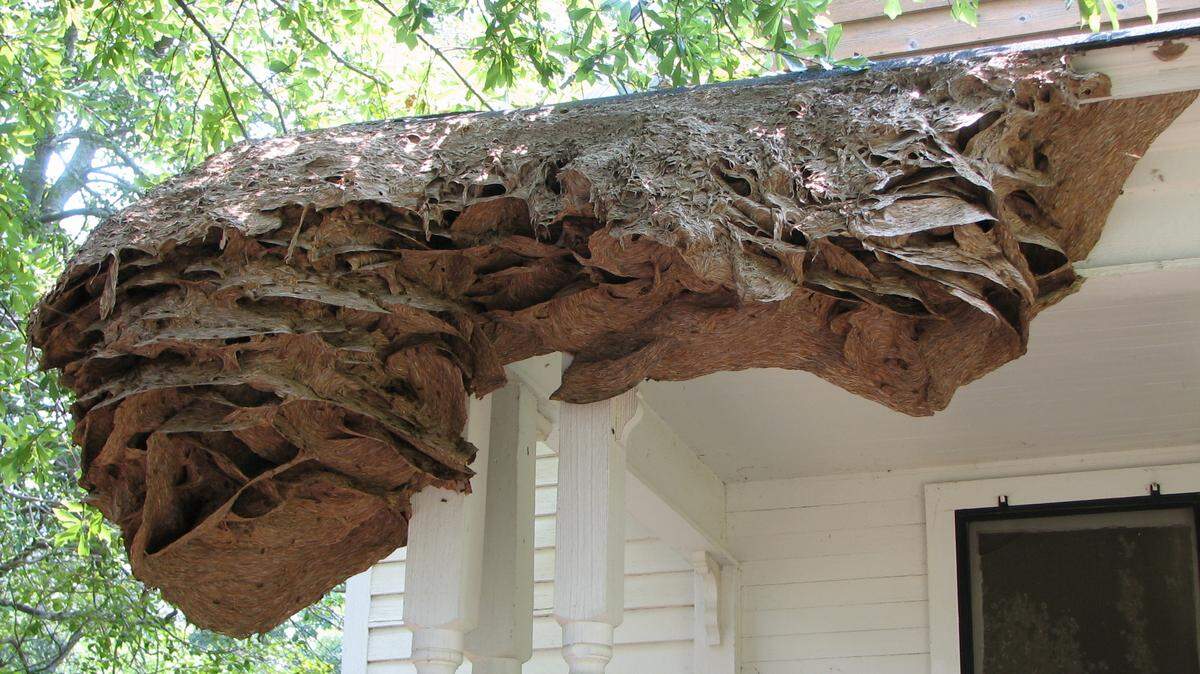
Though it’s only April, don’t be surprised if you have already seen a wasp or two.
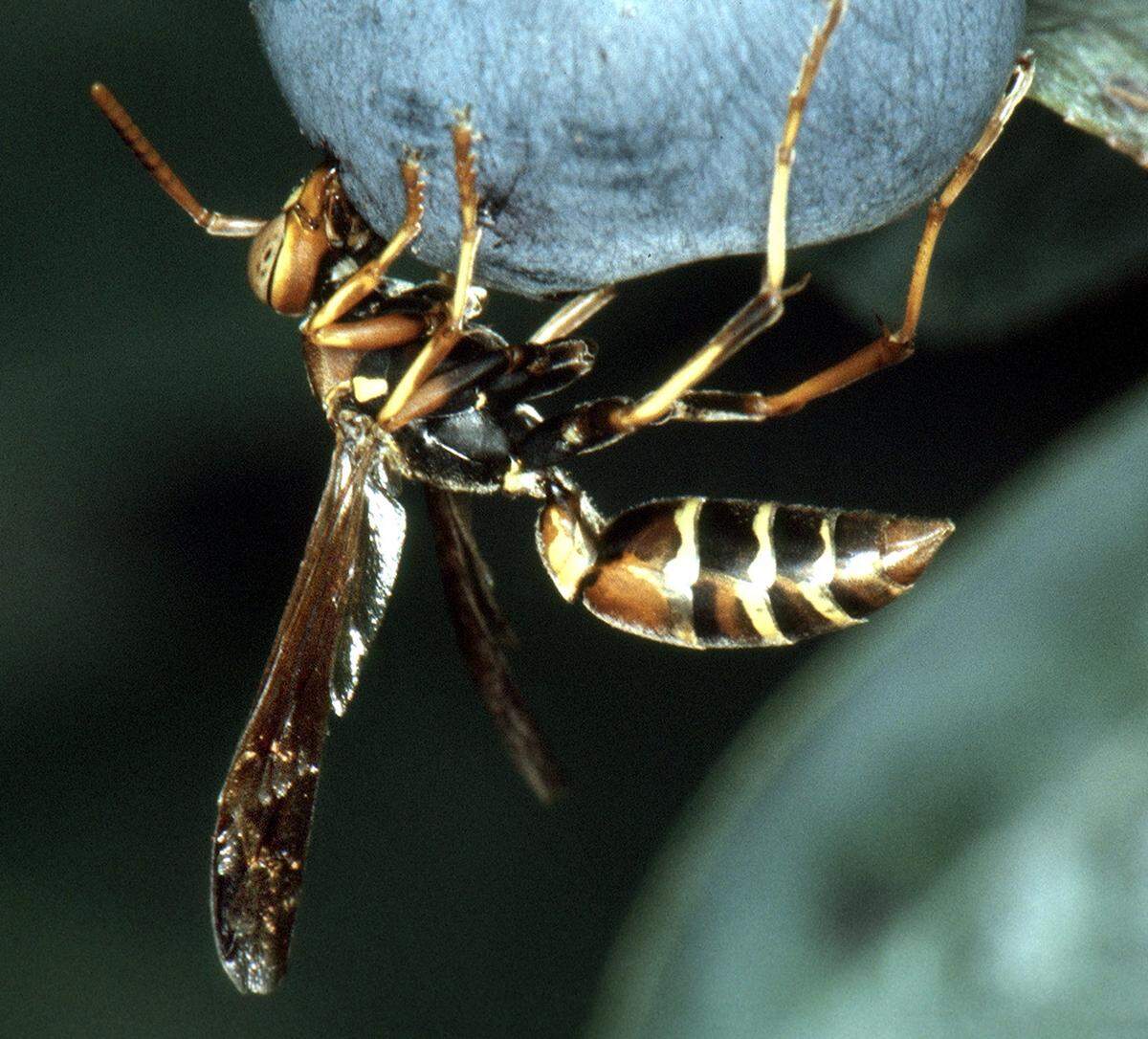
Are you starting to notice large reddish-brown insects with wings? This is most likely the Paper Wasp, a common Texas pest.
Beginning in spring, the queen wasp emerges from hibernation to build a fresh nest for the colony. The worker wasps join her in April and May to help with the hive, but also to start gathering food sources.
However, the insect is most active during June and July in the middle of the day because that is when it’s warmest. In August and September, they can become aggressive as their food sources dwindle and surviving becomes more crucial.
Summer does not roll officially around until June 20, although Tarrant County already experienced a 93-degree day on April 13. This heat is more of an invitation to our stinger friends, who thrive in warm weather, says the Texas A&M Agrilife Tarrant County Office.
Whether you are worried about a wasp nest ruining your home, or getting stung by the vespid, here’s what you should know about Paper Wasps in North Texas.
What attracts wasps?
Texas A&M Agrilife says that wasps are food motivated, and they are especially attracted to sugary food sources. They will love places with:
Humming bird feeders
Garbage cans
Popular corners for other insects which they can catch and prey on.
Paper Wasps are the most common in North Texas homes. Fort Worth residents may also see the following:
Paper Wasps: reddish-brown with a pinched waist, large in size up to an inch with grey wings.
Yellow Jackets: hairless yellow and black striped bodies with a thin body.
Bald-Faced Hornets: mostly black with light yellow markings on their face. Very aggressive.
How do I know if my home has a wasp nest? What should I do?
Texas A&M Agrilife says Paper Wasps love to create nests on homes. You may have a wasp nest if you notice the insects flying around your home.
Wasp nests are most commonly found under door frames, roof soffits or under porches and balconies. However, they can be found anywhere in your home– inside the walls and ceilings, or visibly outside.
Paper Wasps build their homes outdoors under roof eaves out of woody and plant materials with their saliva.
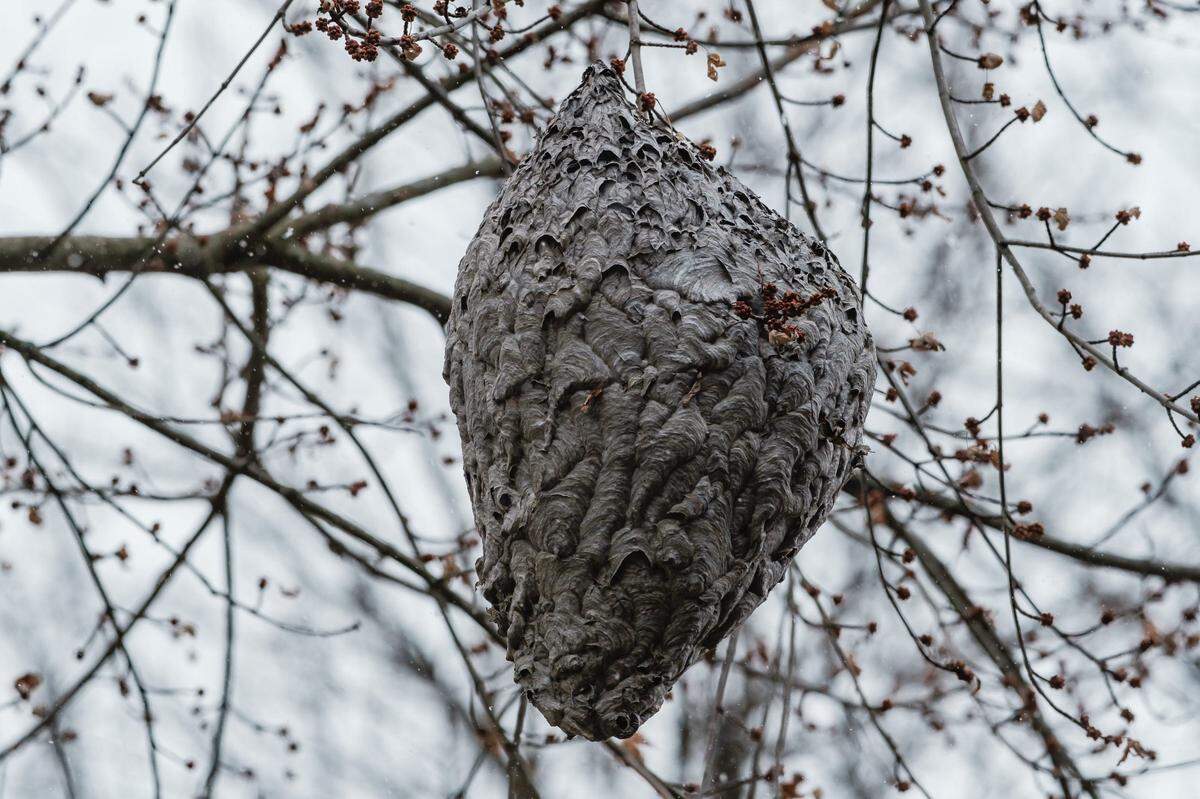
Paper Wasp nests resemble the shape of an upside-down umbrella. There are hundreds of hexagonal cells within the nest where the wasps rest and feed their larvae.
The nest is a grayish-brown color.
If you do notice a hive hanging from your home, it’s best to call a local pest control. Wasps are known for vicious attacks, especially if you anger them.
Should I be concerned if a wasp stings me?
If a wasp does sting you, Texas Parks and Wildlife suggests the following:
Remove the stinger.
Washing sting with soap and water.
Cover with a cold pack for 15-20 minutes to reduce swelling.
Relieve pain with acetaminophen or ibuprofen and itching with cortisone cream.
If you’re allergic to the sting, you will experience anaphylaxis– swelling of the face, throat or tongue, dizziness, a rash or hives, low blood pressure or shock.
If you are facing an allergic reaction
Treat with an epipen.
If it is the first ever allergic reaction, you must seek medical attention as soon as possible.
For mild reactions such as low swelling, treat with benadryl.
This story was originally published April 18, 2025 at 9:00 AM.