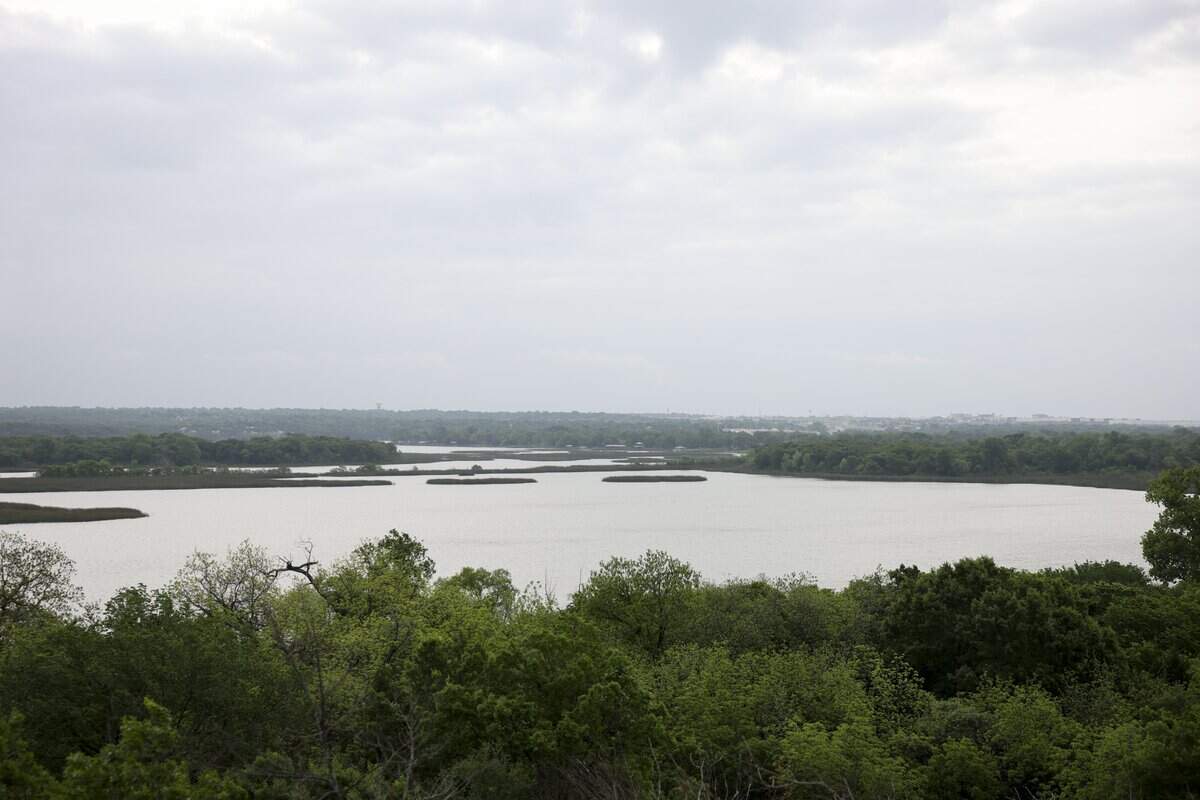
We saw bison at the Fort Worth Nature Center. Here’s how they help our environment
While visiting the Fort Worth Nature Center & Refuge (FWNC&R), your senses will be engaged with the wildlife. Your eyes may see the prairie dogs digging and scurrying. Your ears might hear the Northern mockingbird relentlessly chirping. And your nose may pick up the musky odor of wild bison.
American bison are native, and essential, to Fort Worth’s prairie lands. In fact, they’re more Texan than the Texas longhorn (which actually originate from Spain), FWNC&R manager Jared Wood said.
American bison were nearly driven extinct in the late 1800s because of drought conditions, competition for food and water, overhunting by humans and more. At one point, Yellowstone National Park was the only known place where American bison lived.
Fort Worth got involved in bison conservation in the early 1970s. Two cows (females) and a bull (a male) came from Oklahoma’s Wichita Mountains Wildlife Refuge in 1973. The first calf was born at FWNC&R the next year.
Fort Worth’s bison herd has varied in size — at some points, it was as large as 40. Currently, there is one bull, four cows and a one-month-old calf. Fort Worth’s bison are slightly smaller than the bison you’d see at Yellowstone National Park, but that’s not because of genetic differences; it’s due to the climate. In the Texas heat, the American bison needs less bulk.
The Fort Worth herd serves a bigger purpose than just being an exciting spectacle and the Nature Center’s mascot. Bison are a keystone species to North American prairies.
How bison help native Fort Worth lands
Fort Worth is losing up to 50 acres of prairie per week, according to Mayor Mattie Parker’s Good Natured Greenspace Initiative. The rapid loss makes it critical to properly protect and manage the remaining natural spaces.
Bison grazing is just one of the tools Fort Worth uses for prairie restoration.
“If you think about how large a bison is, [that’s] 1,000 pounds for a female, 2,000 pounds for a male. And then you look at their impact of just walking across the land and grazing, they’re going to stomp down a lot of the woody vegetation and bushes that wouldn’t normally be here,” said Wood, who holds a doctorate in ecology, evolution, systematics and population biology. “So they help maintain the prairie, just through their presence and through grazing.”
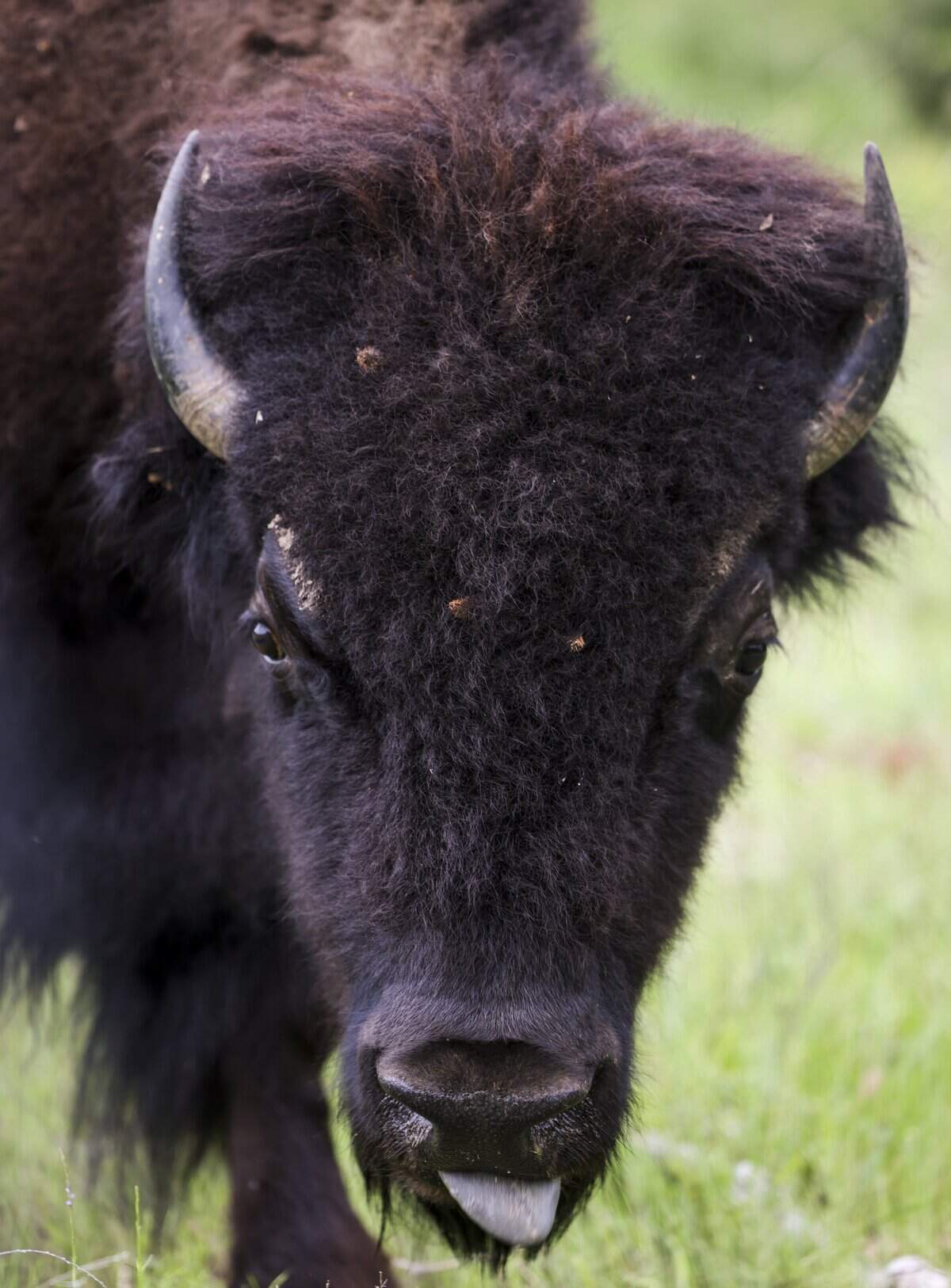
One practice is called rotational grazing. The bison rotate through the FWNC&R’s six pastures that span 240 acres. This rotation mimics the natural migration of wild bison and keeps the pastures from being overgrazed.
In general, the FWNC&R workers barely touch the bison. The only time they are hands-on with the wild animals is for pregnancy or vaccination checks that happen twice a year. Any bison care is funded by the Friends of FWNC&R.
Wood says the bison’s other purpose at the FWNC&R is “being an amazing ambassador animal” for residents to admire.
How to spot bison at the Fort Worth Nature Center
Because of rotational grazing, and the smaller size of the herd, you may not see a bison on your first trip to FWNC&R.
“They’re not a zoo animal. They’re a part of the landscape,” said Wood. “If they’re a zoo animal, we could keep them in one place that’s accessible to the public, but then they’re going to overgraze that site, so we have to keep them rotating. But we also have to do a good job of educating the public on what rotational grazing is, where the bison are and how you can get a glimpse of them.”
The Star-Telegram went looking for bison during a recent visit to the refuge. FWNC&R technician David Reasoner said he could smell the bison when we got close. The mammals do, in fact, have a woodsy smell. Think of how cattle smell, but muskier.
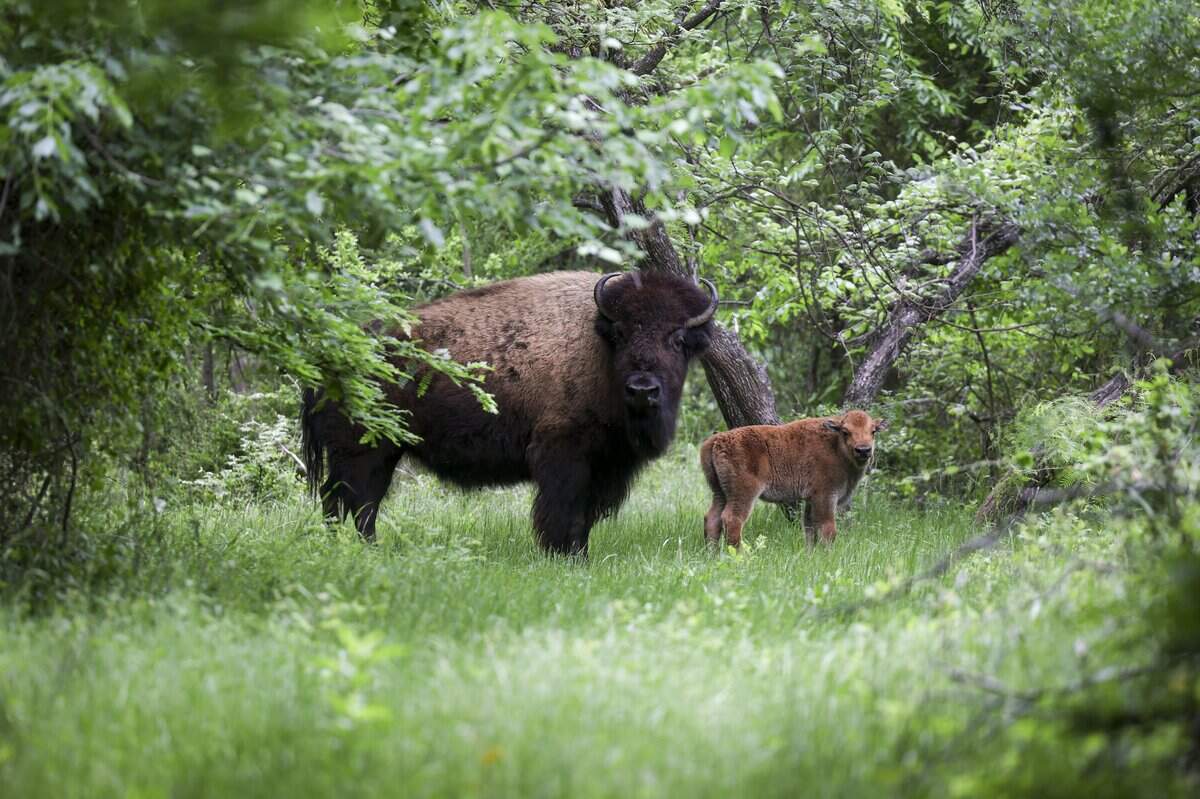
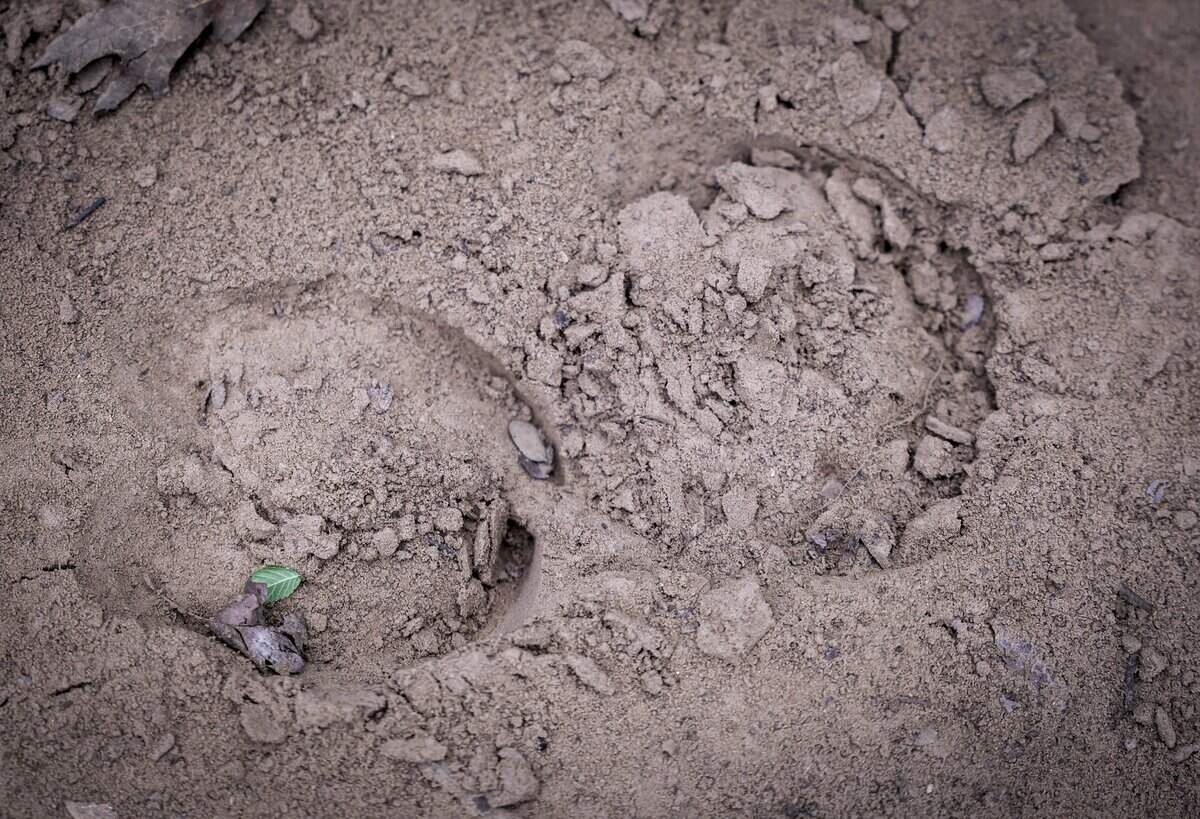
Using other senses when searching helps, because it truly is like looking for a needle in a haystack when you are looking for a dark brown animal in the midst of oak tree trunks and tall grasses.
“They are like ghosts, they just appear and then disappear,” said Reasoner.
If you do come across a bison, Reasoner and Wood suggest admiring them from a distance. Though their soft eyes make them look deceivingly cute and gentle, bison (especially mothers with their calves) are not always the most human-friendly.
All pastures where you would see bison are fenced off, so you don’t have to worry about them charging at you. Just don’t stick your limbs out or try to feed them – remember, you are a guest in their native land.