‘Spot ‘em, scare ‘em’: The nightly battle waged against this Fort Worth critter
Every few minutes, the quiet of a muggy spring evening in the Park Glen neighborhood in far north Fort Worth was broken by the clanging of pots, pans, air horns, and other noisemakers as residents looked skyward at unwanted guests.
These residents have gathered every night for the past few weeks to scare away migratory egrets and herons that seem to like the suburbs. The birds, federally protected by the Migratory Bird Treaty Act of 1918, have become yearly headaches for neighborhoods around the Metroplex as the birds flock to residential areas to nest.
In 2025, egrets descended on trees overlooking Park Glen resident Kelly Rybarczyk’s yard. Her yard was covered in thick, smelly bird poop. Her dog had to be tested for bird flu after getting a respiratory infection.
“Last year, we had a very successful egret rookery here,” Rybarczyk told the Star-Telegram on April 16. “That means about one egret, and then 1,000 of their closest friends built nests and had babies here. And that meant an incredible amount of animal waste, an incredible amount of deceased animals as well from the chicks and fledgelings.”

Videos taken by Rybarczyk in 2025 and shared with the Star-Telegram show birds sitting in a tree and calling at each other, with poop, feathers, and dead birds lining the ground below. Roughly 400 egrets nested in north Fort Worth last year, according to the city.
Rybarczyk works in animal welfare, but she is not a wildlife biologist. She has taught herself about the egrets to educate herself and her neighbors.
“This year, they would very much like to come back and establish a new rookery,” Rybarczyk said. “That means all of the residents and neighbors have to be out keeping these birds away every night, because they will, by nature, come back and try to build another nest, and it’s not really sanitary.”
Between roughly January and March, egrets will begin to appear as they stake out a nest for the season. Once the egrets nest, they become federally protected, and there is very little that residents or the city of Fort Worth can do. An animal control superintendent holds a permit to remove a certain number of nests every year, but it’s a last resort.

Before that, though, residents are allowed — and encouraged by the city of Fort Worth — to deter them from landing in the trees.
That’s where the pots and pans — and Rybarczyk’s tool of choice, a reusable air horn — come into play. The goal, as a neighborhood group started by resident Rick Sharon calls it, is to “spot ‘em and scare ‘em.”
“We say we start between 5:30 and 6, and we’ll run until 8 o’clock or later, but it’s based on the birds,” Sharon, a retiree who lives in the neighborhood. He, like Rybarczyk, does not have a background in conservation. “When they stop coming, we break up.”
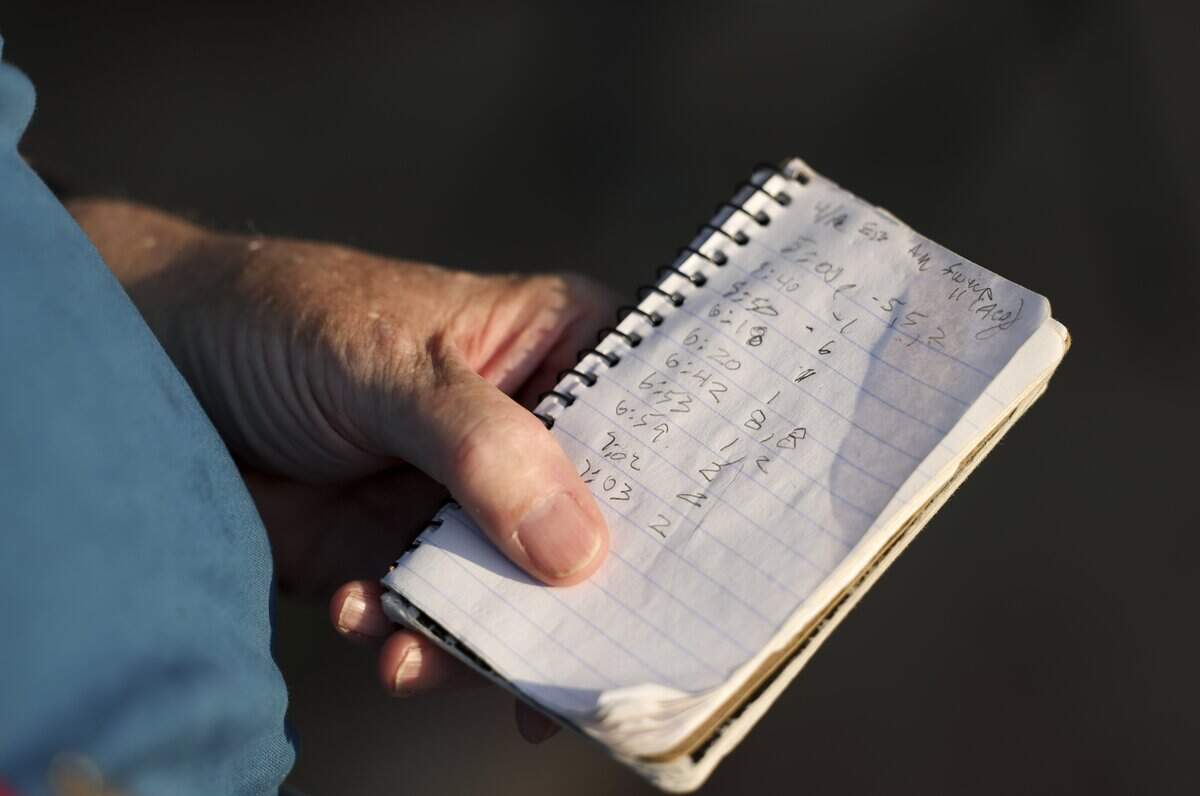
Sharon, who used ChatGPT to learn about the egrets, posts nightly updates in a Facebook group dedicated to the prevention efforts. Since the spotters began gathering, they say they have spotted and deterred hundreds of birds.
Every evening, and sometimes in the early morning, residents linger in and near the intersection of Teal Drive and Navajo Way — last year’s egret hotspot — and wait for egrets to appear.
It’s questionable, at first, whether they can tell if birds are actually egrets. But the pattern became clear. Smaller birds darted around, their small wings flapping rapidly. The egrets flew more slowly, their long bodies looking dark gray against the sunset as the sky turned to a pale purple.
Sometimes, the spotters will start to bang and clang before they realize a group of birds are “friendlies” — not egrets — and the noise will quickly die down.

As Sharon has led the efforts, he’s earned a nickname — the “field general” of Park Glen.
“Our Park Glen neighborhood has more than 3,300 homes, and my goal is not one bird roosting anywhere in the entire neighborhood,” Sharon said. “So far, we’re winning that battle this year. The last two years we did not.”
There are six species of birds that flock to neighborhoods and try to roost, said Rachel Richter, an urban wildlife biologist for Texas Parks and Wildlife.
Egrets have been a problem for North Texas suburbs for over 20 years, Richter said. In the 1990s, the city of Carrollton came under scrutiny after killing and injuring birds in a rookery.
The problem isn’t new, Richter said, but it’s a bit of a scientific mystery — why are the birds nesting in neighborhoods when, in the case of Park Glen, there’s a lush green park just blocks away?
“We don’t really know why they are choosing neighborhoods over other available spaces,” Richter said. As North Texas sees an explosion in suburban growth, the birds could be flying back to old haunts and finding sprawling neighborhoods instead of wetlands.
But that may not always be the case.
“We also see situations where the birds are in the neighborhood and there’s what seems to be a viable habitat, an open green space nearby, and the birds aren’t there, and we don’t really know why that is,” Richter said.
Residents said that while it may seem cruel to deter the plumed birds, they have caused extensive damage to homes and roofs. They have started a petition to ask Texas Sen. Ted Cruz to help get the legislation that protects the birds changed.
“They are pretty, they are,” said resident Yvonne Milord, who was out with the egret busters the evening of April 16. “It’s a fascinating sight to see 1,000 birds. No doubt it is. You just don’t see it often. But the price is it lasts a lot longer than a couple of days.”

Fort Worth District 4 council member Charles Lauersdorf said that more than $30,000 has been spent on the egrets, which has paid for overtime salaries of animal control workers to stand with neighbors during the evening watches, a cherry picker to remove nests, and tree removal to prevent the birds from having more places to build a nest.
If a neighborhood begins to see egrets, Lauersdorf said, residents should deter them before they nest.
“You’ve got to be proactive, and you got to be proactive early,” Lauersdorf said. “Take it seriously. They’re not just birds. They’re not just loud birds. They will cause damage.”
The city of Fort Worth has a migratory birds page, where residents can learn more about their options and how to safely keep the birds out of their neighborhood.
This story was originally published April 20, 2026 at 11:47 AM.