This southeast Fort Worth neighborhood feels neglected. Help is on the way
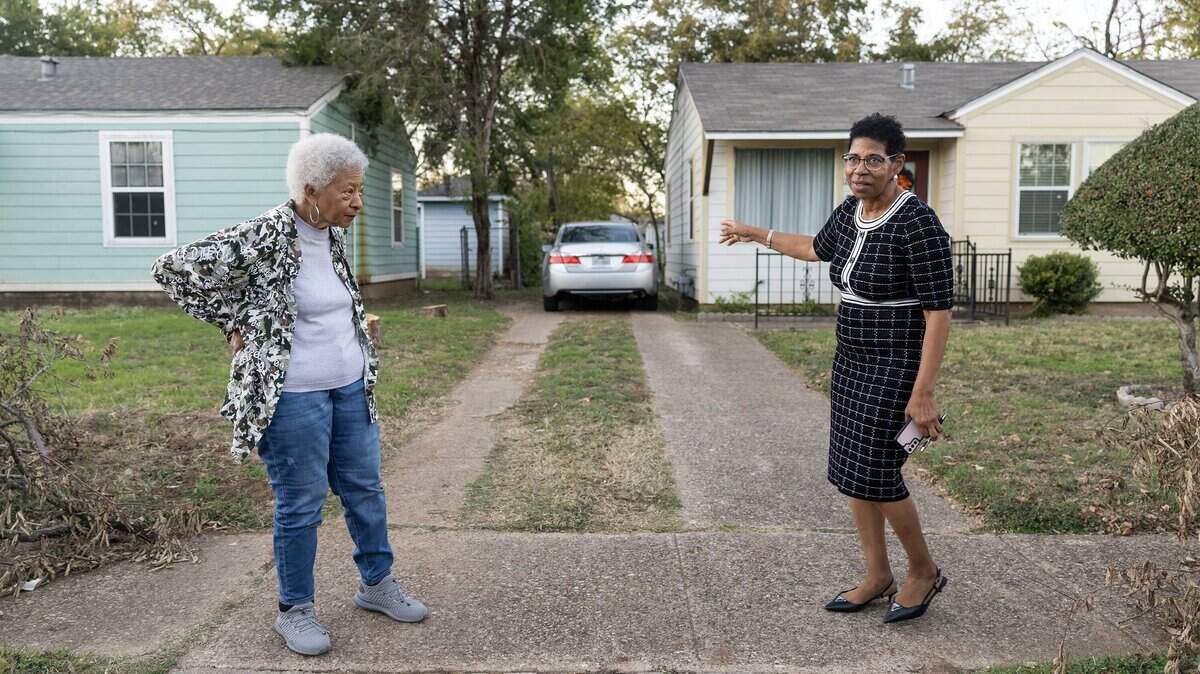
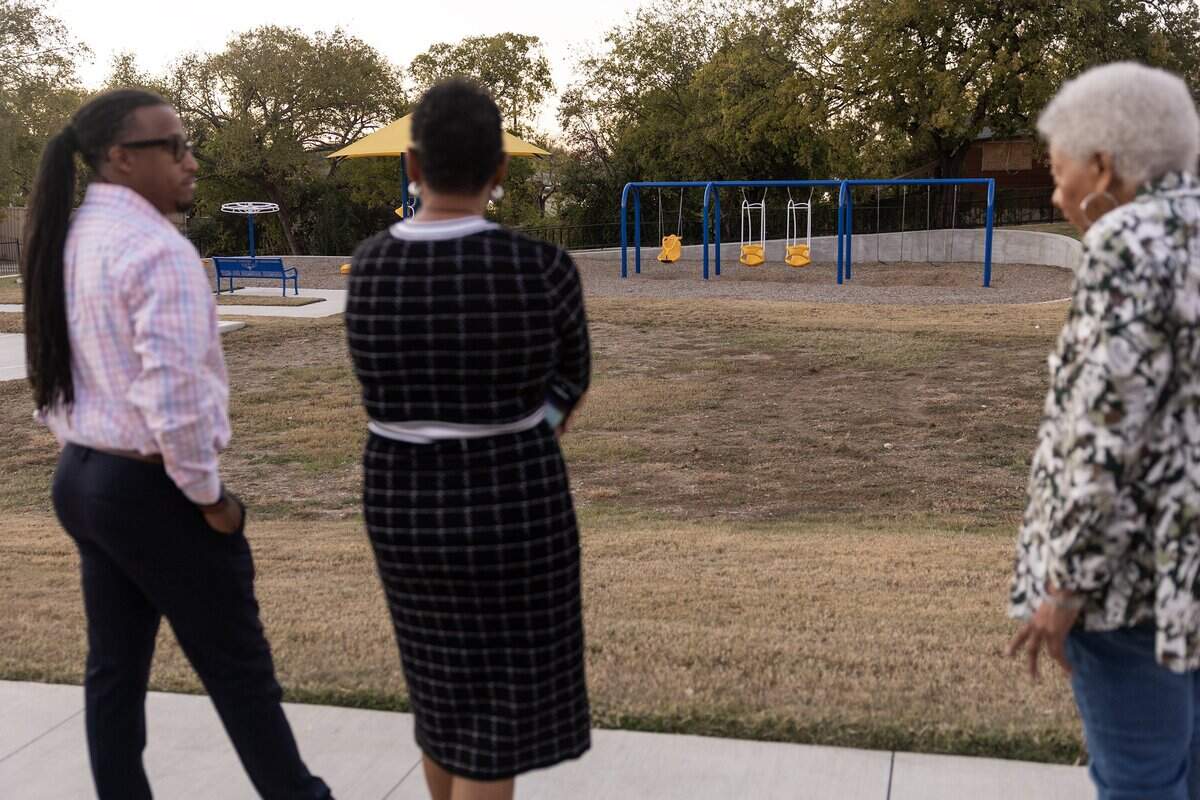
Lavern Walker and Barbara Smith stood in front of Wesleyan Hill Park in southeast Fort Worth on a Wednesday afternoon in November. Nearby, a couple relaxed in lawn chairs in the shade of a tree. Across the street, a man was grilling in his backyard. Debris from fallen limbs and trees lined the road and sidewalk from the previous week’s storm.
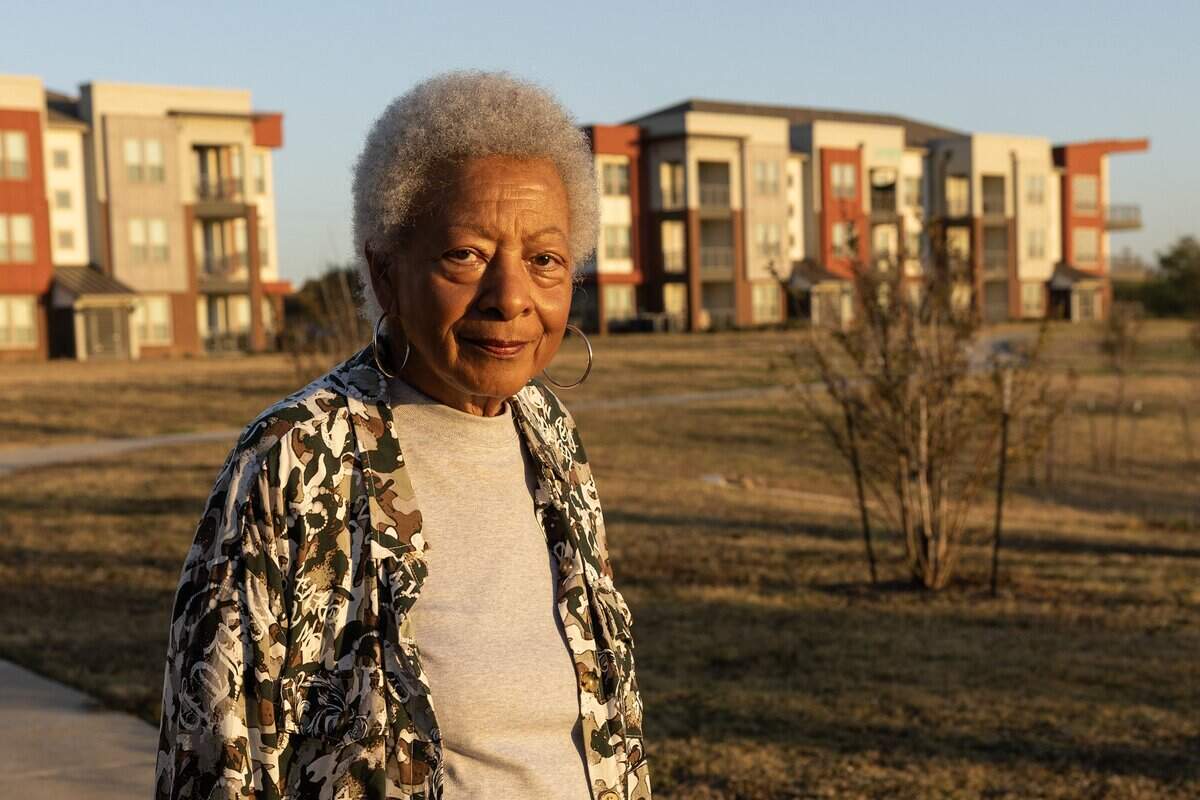
Smith, 77, has lived in the community for over a decade and now serves as the New Mitchell Boulevard Neighborhood Association’s vice president.
Smith was born in Marshall, Texas, and moved to Fort Worth when she was 5 years old. Her father later bought a home in the Mitchell Boulevard neighborhood in the ‘70s, when Smith was a young adult. When her father was sick, neighbors would watch out for him and contact her when they saw a need. She moved to the neighborhood in the late 2000s to take care of her parents and inherited her father’s home in 2014.
She’s seen things change over the years: There are now more Black and Hispanic residents; neighbors keep to themselves more; there are more rundown homes; and the roads haven’t been well maintained. But the care she saw from her neighbors and the neighborhood pride have kept her from moving.
“It’s a peaceful place to be, even though it’s labeled as people who are impoverished,” Smith said.
The New Mitchell Boulevard neighborhood was chosen in October by the Fort Worth Neighborhood Services Department to be the focus in 2026 of the city’s Neighborhood Improvement Program. The city will inject $4.3 million into the neighborhood over two years for improvements.
The program’s mission is to improve residents’ quality of life, enhance safety and revitalize neighborhoods. Residents will have a say in how the money is spent, but the program typically includes an increased police presence, installation of security cameras, new sidewalks, new streetlights and more.
Since 2017, the Neighborhood Improvement Program has supported several neighborhoods, including Rosemont, Worth Heights, and Fairhaven.
New Mitchell Boulevard is in southeast Fort Worth between U.S. 287 and Berry Street. The Neighborhood Improvement Program will target the area bounded by East Maddox Avenue on the north, Cobb Park on the east, Glen Garden Drive on the southeast, Mitchell Boulevard on the south, and Wichita Street and Highway 287 on the northeast.
The neighborhood has 1,135 households. About 50 percent of residents are Black, 45 percent Hispanic, and 5 percent white. The median household income is $35,000, compared to $76,602 across the city of Fort Worth, according to the Census. The median home value is $115,900, which is less than half of Fort Worth’s median home value of $277,300, as reported by the Census.
A path toward growth
Walker and Smith drove through their neighborhood on a November afternoon. As they traveled along Spiller Street, Rattikin Road, and Moresby Street, they encountered a variety of single-family homes. Some homes were boarded up with paint peeling off, others had flower pots and trimmed hedges and trees. On Rattiken Road, two homes had pictures of deceased family members in the front lawn, one with the words, “Missing you Man-Man.”
Walker, 71, is originally from Childress, Texas, in the panhandle. She moved to New Mitchell Boulevard in the late ‘70s, met her husband, bought a home, and raised three children on Rattikin Road. The area was working-class, and her white neighbors eventually moved out as more Black residents arrived.
In the early 2000s, Gerald Shaw started a neighborhood group to revitalize the community. He brought Walker in as secretary, and Smith later joined. The group promoted the addition of affordable homes for low-income families, helped attract stores, and lobbied for the Southeast Community Health Center to be located at 2909 Mitchell Blvd. The group is also involved in zoning issues.
“We just decided that as residents of this area, we needed to form a group that would help take care of the area and be concerned about what goes on in this area,” Smith said.
In 2006, developer Michael Mallick purchased a 200-acre property from the Masonic Home and School of Texas off of Mitchell Boulevard. The plan was to have homes, offices, shopping and restaurants. Residents and neighborhood associations, including New Mitchell Boulevard, came together to form United Communities to develop a shared vision for the resources and infrastructure people in the area want.
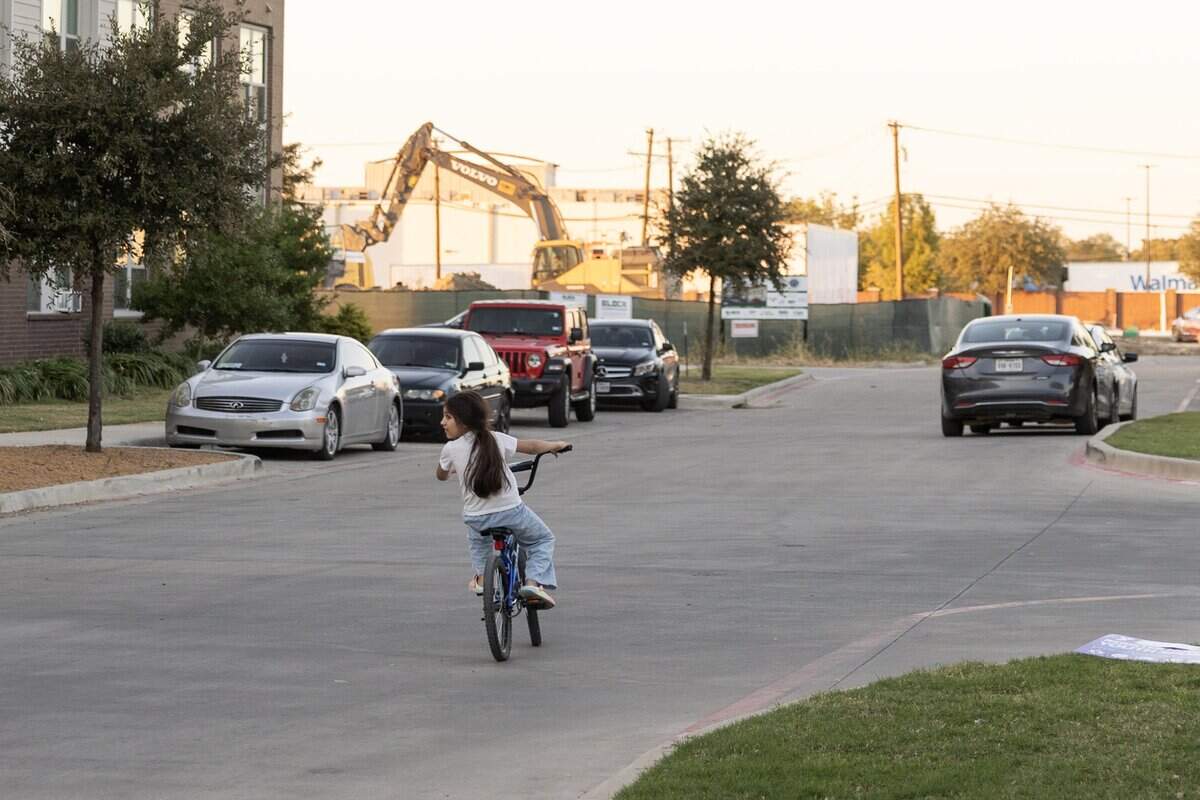
The organization opposes gentrification and unsustainable development and aims to meet all community needs. It helped bring in developments such as Walmart, which anchors the 67-acre Renaissance Square shopping center, along with Marshalls, McDonald’s, T-Mobile, and others. Additional growth includes a school, YMCA, and affordable homes and town homes to be built this year.
“There are some people who are 100 years old here who would have never believed this area would look like this,” Walker said.
Economic growth led to the formation of The Renaissance Heights Foundation, which coordinates community partners and guides the shared vision to improve the quality of life for residents and businesses in southeast Fort Worth.
When Walker and Smith learned that the neighborhood had been chosen for the Neighborhood Improvement Program, they were hopeful. They want to fix long-standing issues with such things as roads and drainage systems; upgrade the traffic lights; and improve the signs at the Leadership Academy at Mitchell Boulevard Elementary School. They would also like more police presence at the end of the school day to address speeding, and they have also seen drag racing late at night.
How the Neighborhood Improvement Program works
Selection for the Neighborhood Improvement Program includes factors such as financial hardship among residents, the housing cost burden and educational attainment in the area, safety issues, the quality of infrastructure, environmental issues and housing conditions. Funds are invested over two years.
The program was introduced in 2017 in the Stop 6 neighborhood, where $2.56 million was allocated for improvements. Since 2017, 11 neighborhoods have been funded through the program, totaling $35 million in investment. Lake Como was chosen for the program in 2021. More than 250 streetlights were improved or added, 16 police cameras were installed, 43 dead and hazardous trees were cleared, 200 trees were planted, and 2,501 feet of sidewalks were added, among other improvements.
Councilman Chris Nettles, who represents New Mitchell Boulevard, says he believes communities east of Interstate 35 have not received the same resources as those on the west side. The Neighborhood Improvement Program is important because it helps correct disparities among the city’s neighborhoods, Nettles said.
“Just because you live in different areas doesn’t mean that you shouldn’t receive the same resources because you pay the same portion of taxes and city services that any other neighborhood pays,” Nettles said.
Last year, the program gave $8 million to Worth Heights and Seminary. This year, the funds and resources were reduced, so only one neighborhood will receive support. Earlier this year, the Fairhaven neighborhood, south of Stop 6 and East Berry Street, was chosen for 2025.
The entire process takes a few years to complete, and some neighborhoods still have funds available to spend.
The planning phase involves community events — such as block parties and pop-up surveys — to identify areas of concern. The next phase includes the city implementing the projects chosen by residents, such as improving parks, community centers, libraries and beautifying the neighborhood. The remaining funding will be put toward projects such as roads, sidewalks, and streetlights.
New Mitchell is currently in the planning phase. There will be a community input block party in January or February.