
This Southside Fort Worth power couple fought to bring back the luster of Hemphill Street
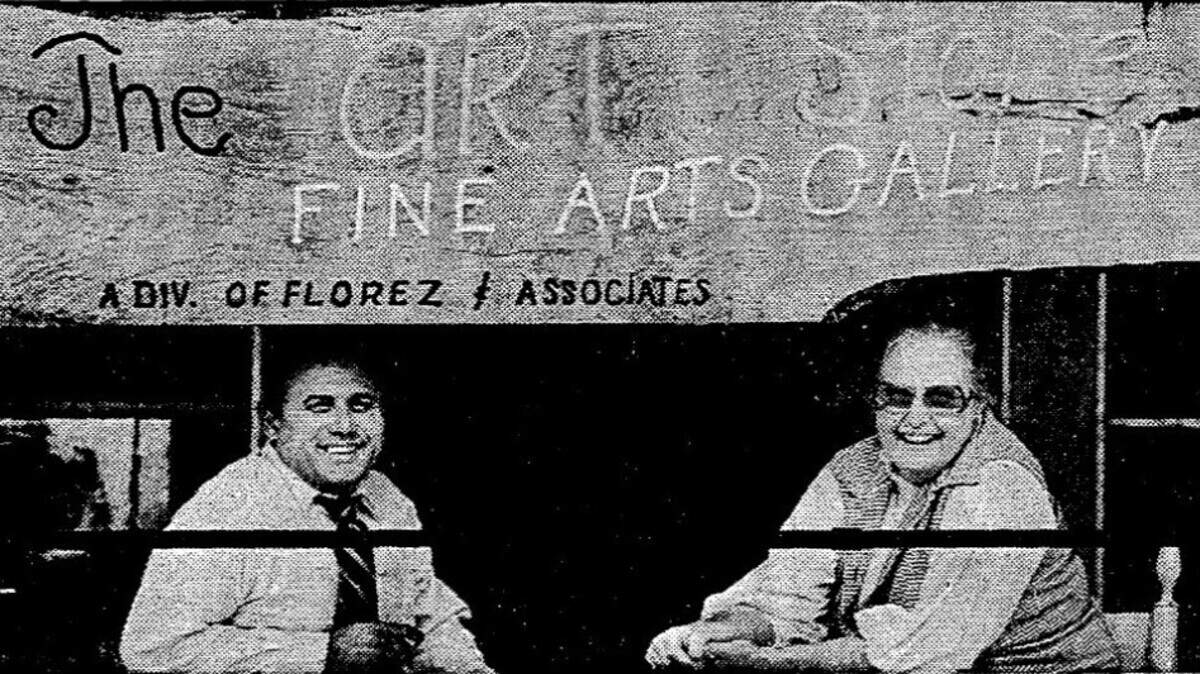
A Southside power couple, Fernando Florez from Zapata County and Alberta Halliburton from Tennessee, married in 1970 in Weatherford, Texas.
Halliburton’s interest in art motivated them to open an art gallery in 1980 called the Art Store at 500 E. Belknap. They hosted several art shows, such as the Texas Arts Classic at the Tarrant County Convention Center, attracting local and national artists. As an art dealer, Florez found the art world profitable, motivating him to turn down management position offers that could pull him away from the art scene.
When the owner of the Belknap building chose not to renew the lease in 1984, they moved to 2744 Hemphill St. and opened the Texas Art Center in hopes Hemphill would attract other artists and transform the area into an art haven.
In the early 20th century, a trolley car drove along a wide, tree-lined Hemphill, carrying passengers to and from downtown. Riders observed large homes, reflecting the prosperity of owners and a robust community. A ride along Hemphill today will display hints at the upscale living of the past. Weathered homes built in Colonial Revival, Tudor Revival, Craftsman Bungalow, and Queen Anne styles line Hemphill like ghosts from a thriving era.
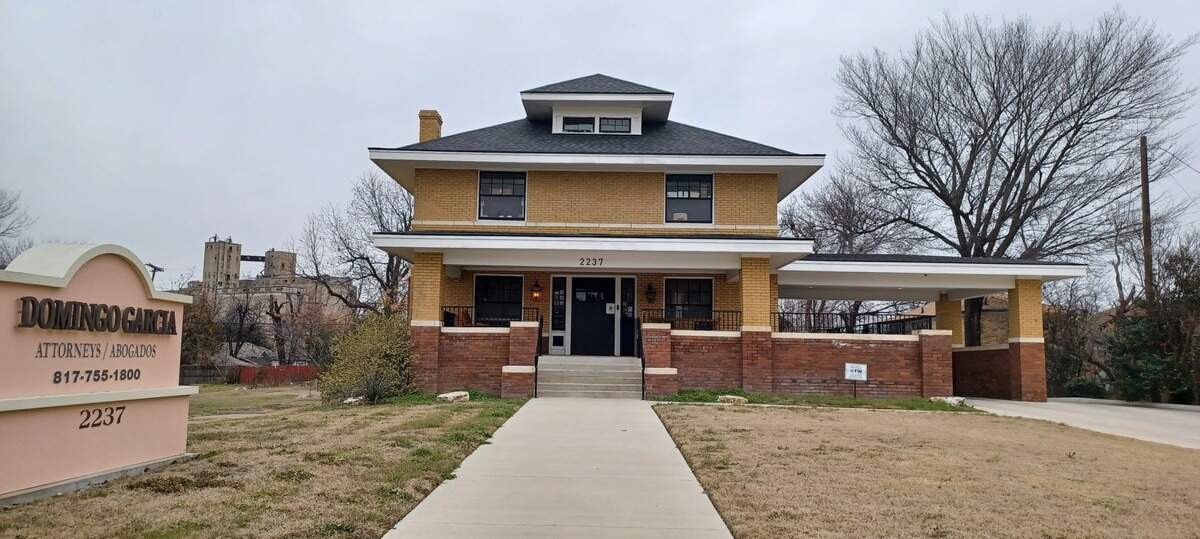
Attorney Domingo Garcia opened an office at 2237 Hemphill on June 27, 2021, refurbishing a two-story wood-framed and brick home built in 1924 by businessman Rutherford James and his wife Sallie. At Garcia’s open house, guests admired commodious rooms, high ceilings, a graceful staircase, stained-glass windows, wood paneling, and a well-tended lawn. A large porch allowed for pleasant conversations and delightful music.
Shortly after Fernando and Roberta moved to Hemphill and opened their art studio, they witnessed to their dismay the area’s prostitution traffic, drug dealing, robberies, youth gangs, pot holes, lack of code enforcement, and building decay. Roberta wielded a broom to shoo away prostitutes who lingered in front of her home/studio and tried to solicit her customers. She watched in anger as gang members lured unattended youth into their folds. Neighbors talked about daily robberies, rapes, and assaults. Raised in rural Tennessee, Roberta was stunned by the brutal reality of inner-city life.
She and Fernando soon replaced that naivete with sober reality and mustered the community to action. They formed the South Hemphill Heights Neighborhood Association in 1990. They organized a Citizens on Patrol based on the city’s Code Blue program in 1992. Police trained them on the dos and don’ts of citizen surveillance, radio protocol, and safety. Fernando spent 12 hours a week patrolling the streets, reminding others about their training to ensure zealous members didn’t overstep their roles. He also helped coordinate for several years National Night Outs at Capps Park for their neighborhood crime-fighting programs. The association’s statistics showed a decline in violent crime from 454 in 1991 to 222 in 1996.
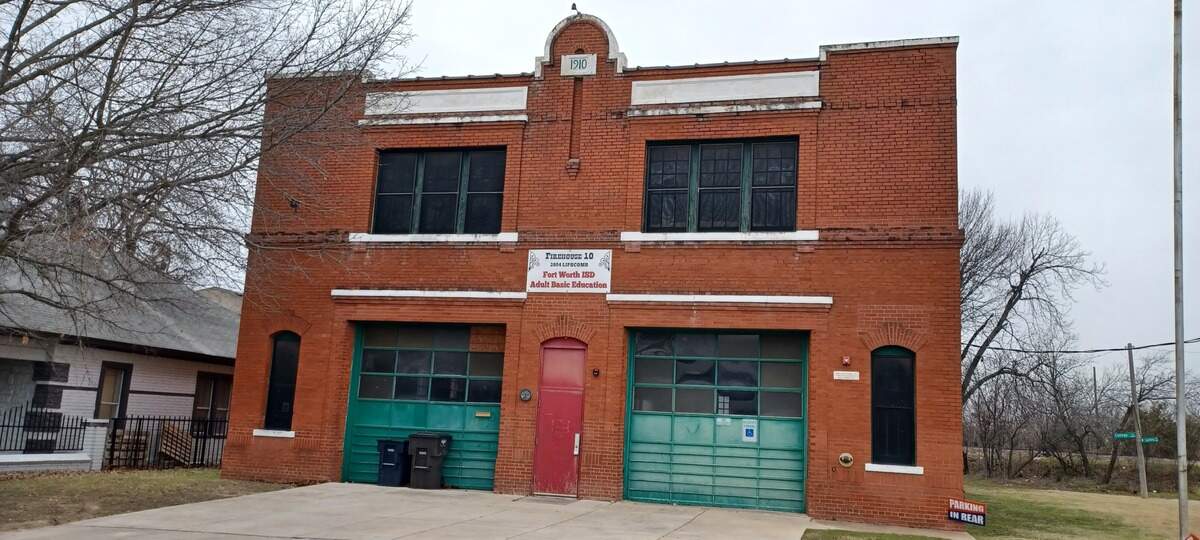
The city helped their neighborhood revitalization efforts through the leasing of Firehouse No. 10 for their Citizens on Patrol base. Located at 2804 Lipscomb St., the red-stone, fortress-like structure built in 1910 acted as a fire department equipment depot. In 1992, the city rented the building to several neighborhood associations for $1 a year for five years. Volunteers cleaned and refurbished the fire station through grant money. They repurposed it into a hub for association meetings, youth activities, academic lessons, and neighborhood gatherings. In 2014, the city sold the building to Fort Worth Independent School District for $1. The school district refurbished the structure again, and installed three classrooms for GED and English lessons.
Tackling gang activity, Roberta and Fernando partnered with the city’s Comin’ Up Gang Intervention program and visited families in their homes. Former gang members talked with parents and youth about the dangers of gang life and offered educational, recreational, and social activity alternatives. Fernando translated for Spanish speakers in the home meetings and encouraged youth to join tag football teams organized at Capps Park.
The Florezes initially paid for summer camp for neighborhood youth from their personal finances. As a TCU graduate with an MBA degree, Fernando used his grant research and writing skills to obtain funds to pay for neighborhood programs. His leadership skills kept the association running in an organized, focused manner.
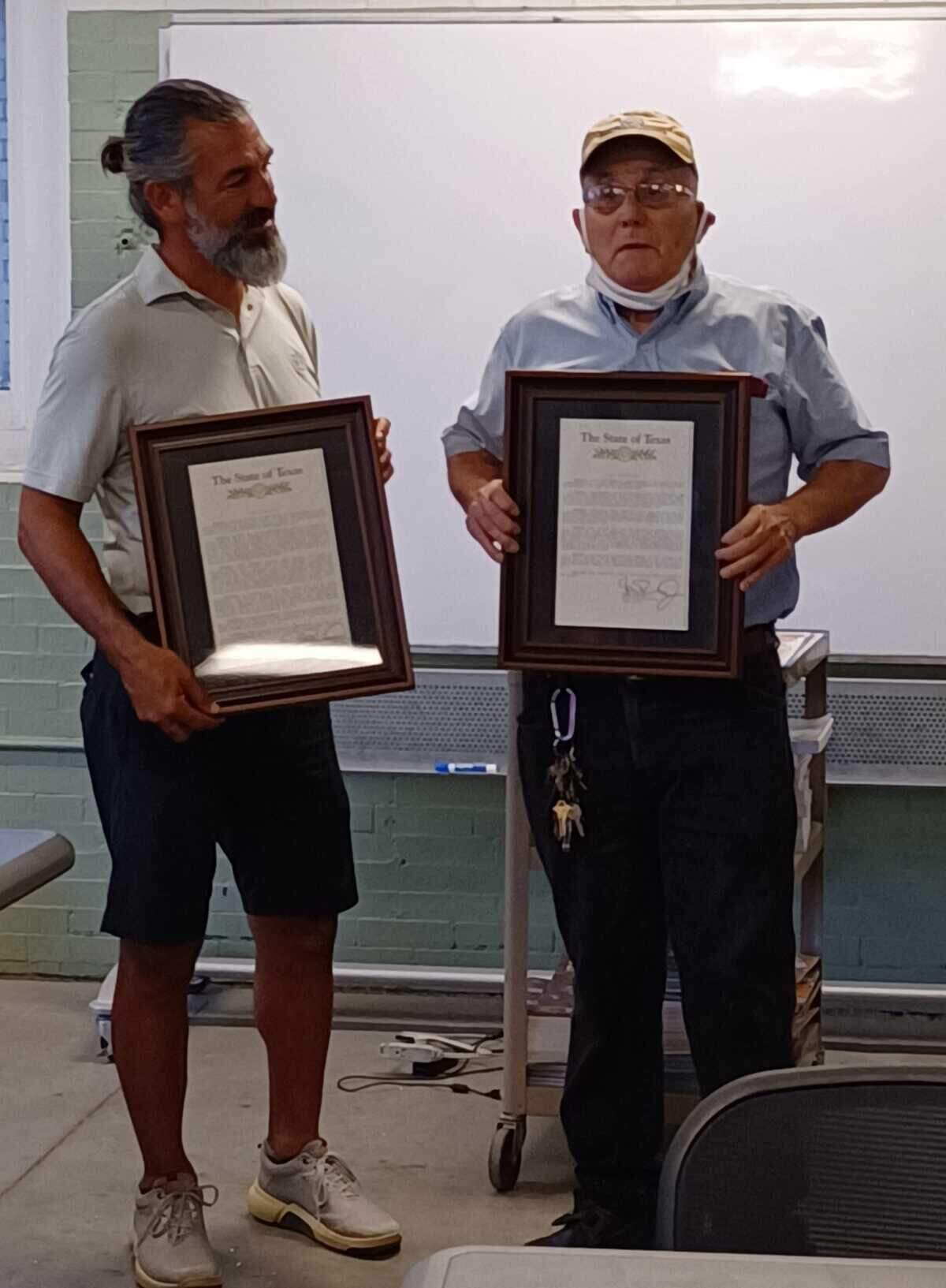
Since 1980, Fernando, with the United Hispanic Council and community activist Pablo Calderon, successfully organized a campaign to increase Fort Worth city council seats from eight to 10 in 2016. They then worked on creating a Southside minority opportunity district, resulting in the election of the first Latina, Jeanette Martinez. He recalled praying at her swearing in on June 20, 2023, “Thank you, God.”
The city recognized Roberta with the Volunteer of the Year award in 1997. The Fort Worth Star-Telegram named Fernando “Man of The Year” that same year. The United Hispanic Council honored Fernando in 1998 for his outstanding contributions to the community at its Hispanics of the ‘90s awards banquet.
Fernando said, “When it comes right down to it, a person has to have passion. ... A lot of people thought, well, you know, that guy is crazy.”
Fernando and Roberta, his partner for 47 years, worked bravely to bring back some of the early 20th century luster to Hemphill. She passed away in 2017.
Author Richard J. Gonzales writes and speaks about Fort Worth, national and international Latino history.