
He was a rascal as a kid, but this Latino attorney fought for equal justice in Fort Worth
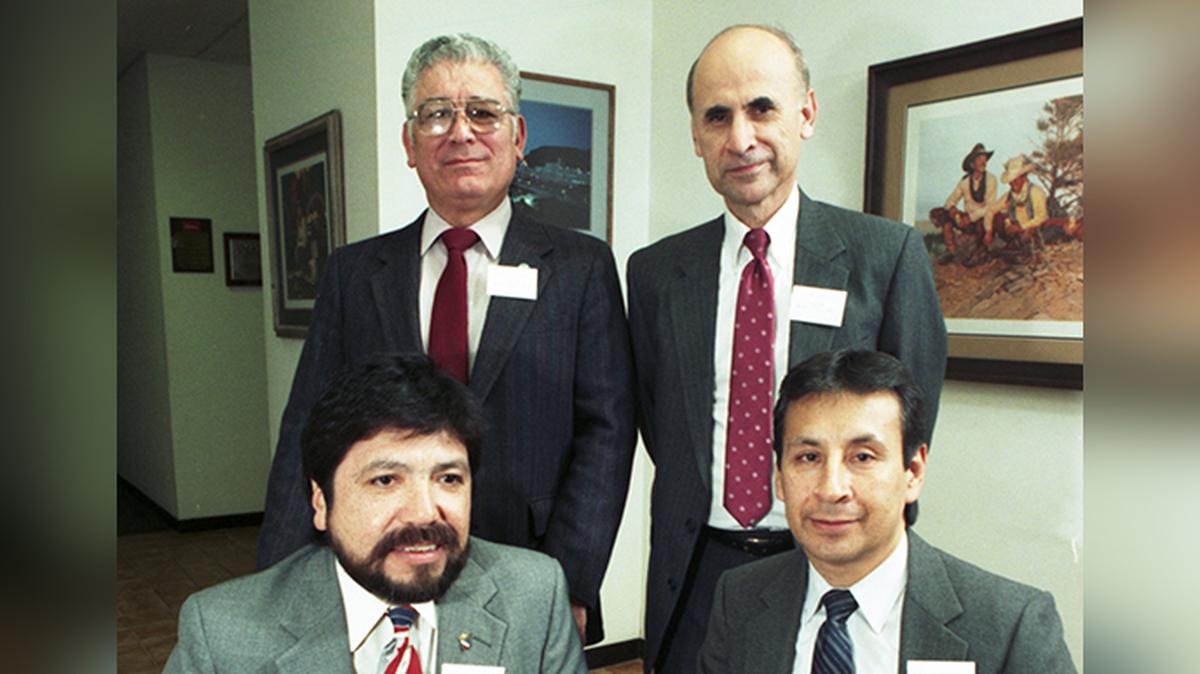
Eloy Sepulveda told his grandchildren that in his youth, he was kicked out of J. P. Elder Junior High on Fort Worth’s Northside.
Sepulveda, who went on to become an attorney, said his mother Adela Sepulveda took him back to school and assured the principal her son would behave. She sat in the back of his classroom to show she meant business. Mrs. Sepulveda also pulled young Eloy out of alley fistfights behind Main Street.
Now, after 56 years as a licensed attorney, he is thankful for a supportive mother, teachers, and pastor for not giving up on him.
Sepulveda channeled his unruly nature into Golden Glove boxing, football and track. He said sports gave him the motivation to attend school. His pastor Oscar Romo told his mother that her son, in whom he detected an innate intelligence despite poor grades, should go to college.
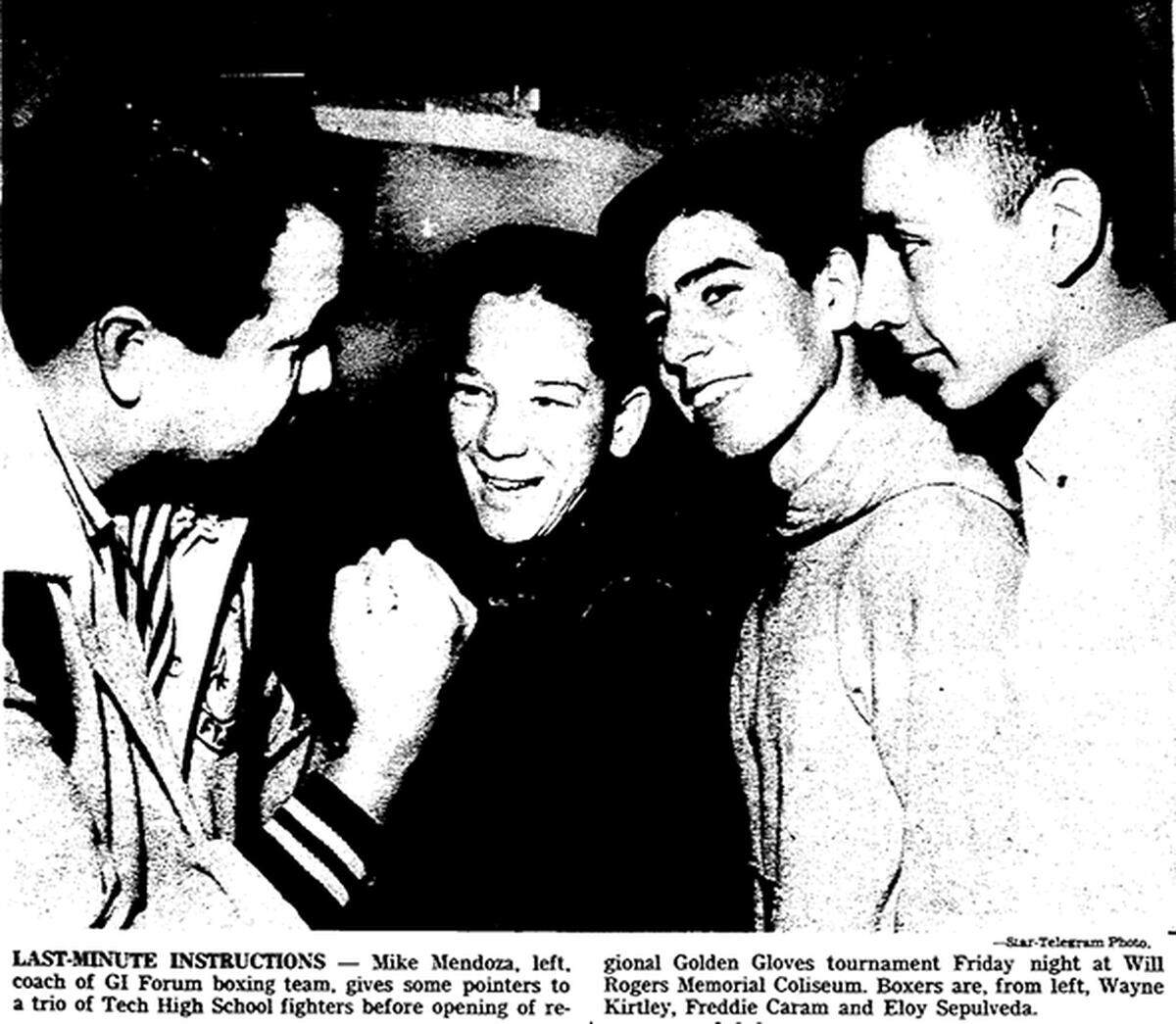
With the aid of a scholarship and National Defense Funds, he attended Hardin-Simmons University on probationary status, majoring in political science. He focused on his studies and joined the Reserve Officers’ Training Corps, earning an officer’s commission. The Army agreed to defer his active duty status until he completed law school.
Law school in Houston
After applying to Texas Southern University in Houston, the school dean called him and told him frankly that the school needed to recruit more Latino people to justify its existence with a diverse student body to the state legislature. He completed law school in 1968, joined the Army’s Judge Advocate General’s Corp in 1969, and served in the Panama Canal Zone for several years.
The U.S. military trained in Central American jungles to prepare for Vietnam combat. Others enjoyed R&R from their Vietnam tour of duty. His bilingual and bi-cultural skills helped him form working relationships with Panamanian military, police, attorneys, judges, and elected officials. When U.S. soldiers were arrested for fighting or drug dealing, he’d convince local authorities to release them to the military for disciplinary action. He completed Judge Advocate General judge training to preside in court, but never took a judicial role.
When he returned to Fort Worth in 1978, he opened a private practice, one of the first Latino attorney offices in the city. He recalled criminal court judges Pete Perez and Harold Valderas were the only Latino judges in Tarrant County at the time. Judge Perez’s heightened concern to avoid misunderstanding with other judges and attorneys compelled him to retain a court reporter who accompanied him inside and outside the courtroom. Other local Latino attorneys such as J. R. Molina, Jo Ann Reyes, and Alex Gonzalez also faced challenges representing their clients’ best interests in court.
After the Mexican American Bar Association of Texas formed in Austin in 1980, 15 Fort Worth Latino attorneys organized a Fort Worth chapter in 1984. Their primary goals were to support one another, get more Latino people on grand juries, protect their clients from unreasonable decisions, secure certified court interpreters, offer community legal clinics, encourage youth to consider pursuing a career in the legal profession, and accept pro bono cases from Legal Aid of Northwest Texas.
Civil rights advocacy
Sepulveda assumed a civil rights advocacy role when representing an undocumented woman in a child custody case in 1986. A judge called Sepulveda and another attorney into his chambers, and, according to Sepulveda, said, “I have a strong prejudice against these people. They come over here and steal our money, take jobs, they don’t pay taxes and I am just upset with all of them.”
Sepulveda complained about the judge’s biased views with Mexican American Bar Association members. The attorneys appealed to Tarrant County district judges, who informed the judge to apologize in writing. State District Judge Mary Ellen Hicks informed the other judges and the Mexican American Bar Association that the judge had resigned and left a letter of apology for his statements.
In 1990, Tarrant County elected officials proposed raising a half-cent sales tax to fund crime prevention programs. Six elected officials and one representative from the community comprised the board to oversee the programs per state instructions. As soon as the board was presented to the public, Sepulveda as president of the United Hispanic Council, pointed to the absence of a Latino or Latina member on the board.
County Judge Roy English explained they couldn’t add another voting position since the state had limited the board to seven members. However, they were willing to add non-voting positions. José Gonzales, executive director of Fuerza de Los Barrios Chicanos, a local community organization, agreed to serve in a non-voting role. Gonzales said, “I intend to be one who makes it effective.”
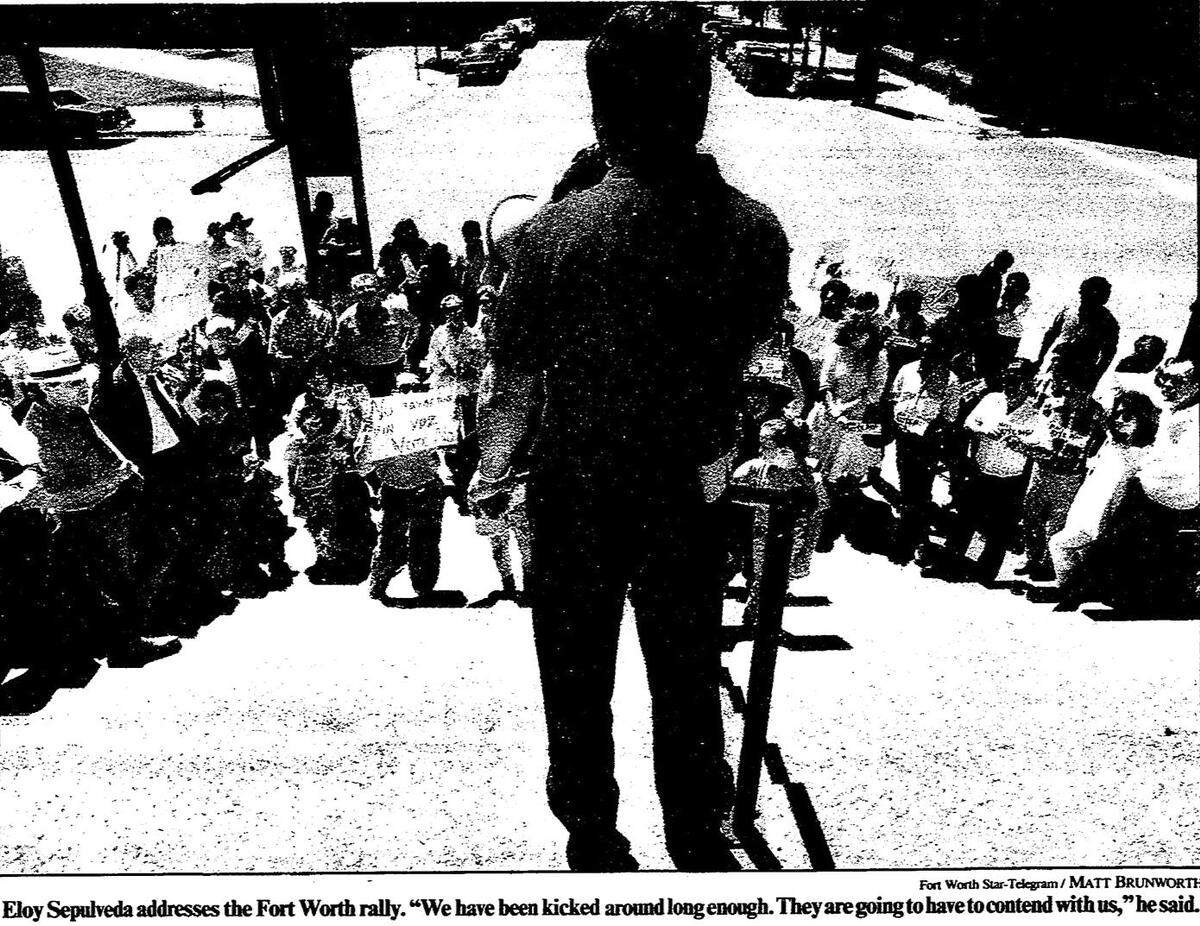
Sepulveda called it tokenism and said, “This is a warning. We have been kicked around long enough. They are going to have to contend with us.”
Conservative politicos objected to raising the sales tax and formed an odd alliance. Leading up to the vote for the sales tax and board, Sepulveda and the United Hispanic Council held a rally and called households to vote no. On May 5, 1990, voters rejected the tax proposal by 71 percent.
Sepulveda said he found white attorneys today fight for the fair treatment of their clients regardless of their race. He observed, “Judges now are a new generation of persons who have removed the bias and prejudice that existed when MABA first started.”
There appeared be a new order in the court called equal justice.
Author Richard J. Gonzales writes and speaks about Fort Worth, national and international Latino history.