
This ‘urban farmer’ plowed Fort Worth for political change for Latino people
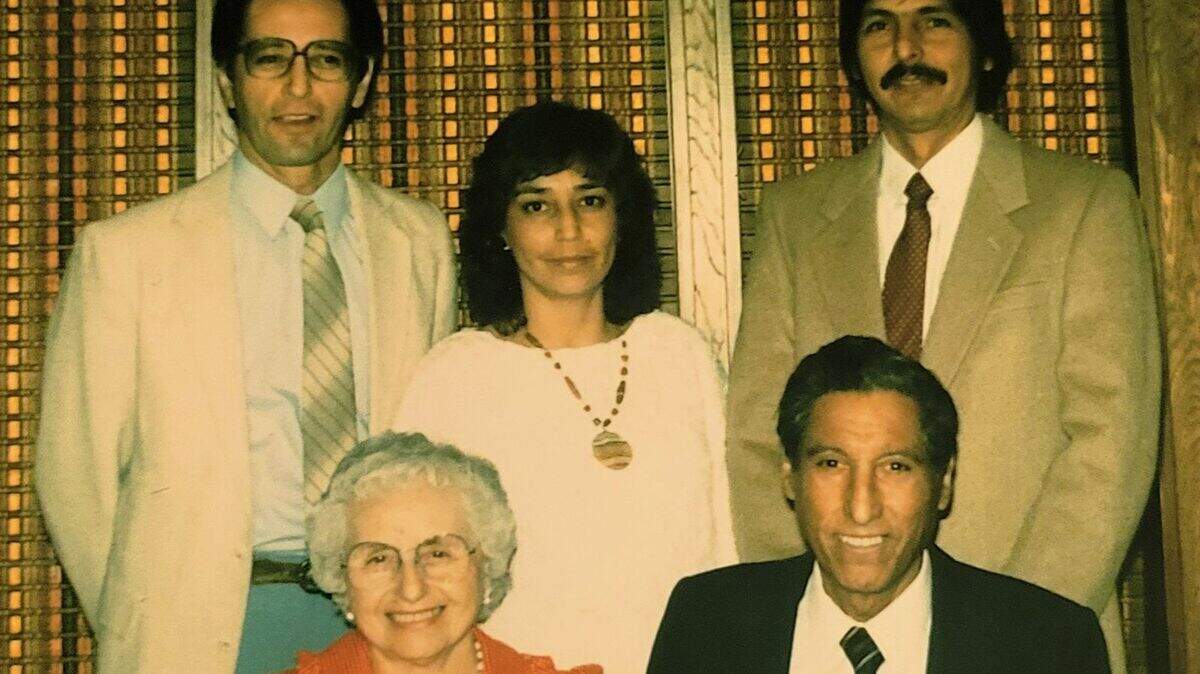
When Pablo Fernandez Calderon came to Fort Worth with a newly awarded master’s in theology from Southern Methodist University in 1971, he shook apple trees and tilled the urban soil.
José Gonzales, director of Fuerza de los Barrios (Strength of the Neighborhoods), told him their work as community activists involved shaking apple trees for their community to enjoy the fruits of their labor.
At the time, Calderon wore his hair long, with a beard and mustache. The church elders welcomed the soft-spoken, articulate Latino whose maternal grandfather, Abraham Fernandez, was a Presbyterian minister. The Mexican government had incarcerated Fernandez as a political prisoner during the Mexican Revolution. After some influential individuals appealed for his freedom, they released him on the condition that he leave Mexico.
Fernandez preached, opened churches in the U.S., and wrote the hymn “Sembraré La Simiente Preciosa” (I Will Sow the Precious Seed). While watching a video about the Protestant church in Cuba, Calderon was proud to see the congregants singing his grandfather’s hymn.
Calderon elected to move from the church pulpit to work in the barrios, schools, city hall, and with community agencies. He said, “I quit (preaching) because I found it difficult to get the church involved to the extent that I felt like it should. Very few churches get involved any further than just dealing with the manifestations of the problems.”
In 1971, he joined La Raza Unida Party, a third political party that started in Crystal City, Texas, founded by José Angel Gutierrez and other Mexican American Youth Organization members in 1970. José Gonzales chaired the Tarrant County chapter while Calderon took on the precinct 4 chair position.
Calderon said Fort Worth had the second largest La Raza Unida Party delegation to the party’s San Antonio convention because of their Fort Worth organizing efforts. Calderon ran for Place 2 on Tarrant County Junior College board in 1972. On April 1, 1972, the election results showed him in third place with 1,158 votes. Dr. J. Ardis Bell won the race with 7,720 votes.
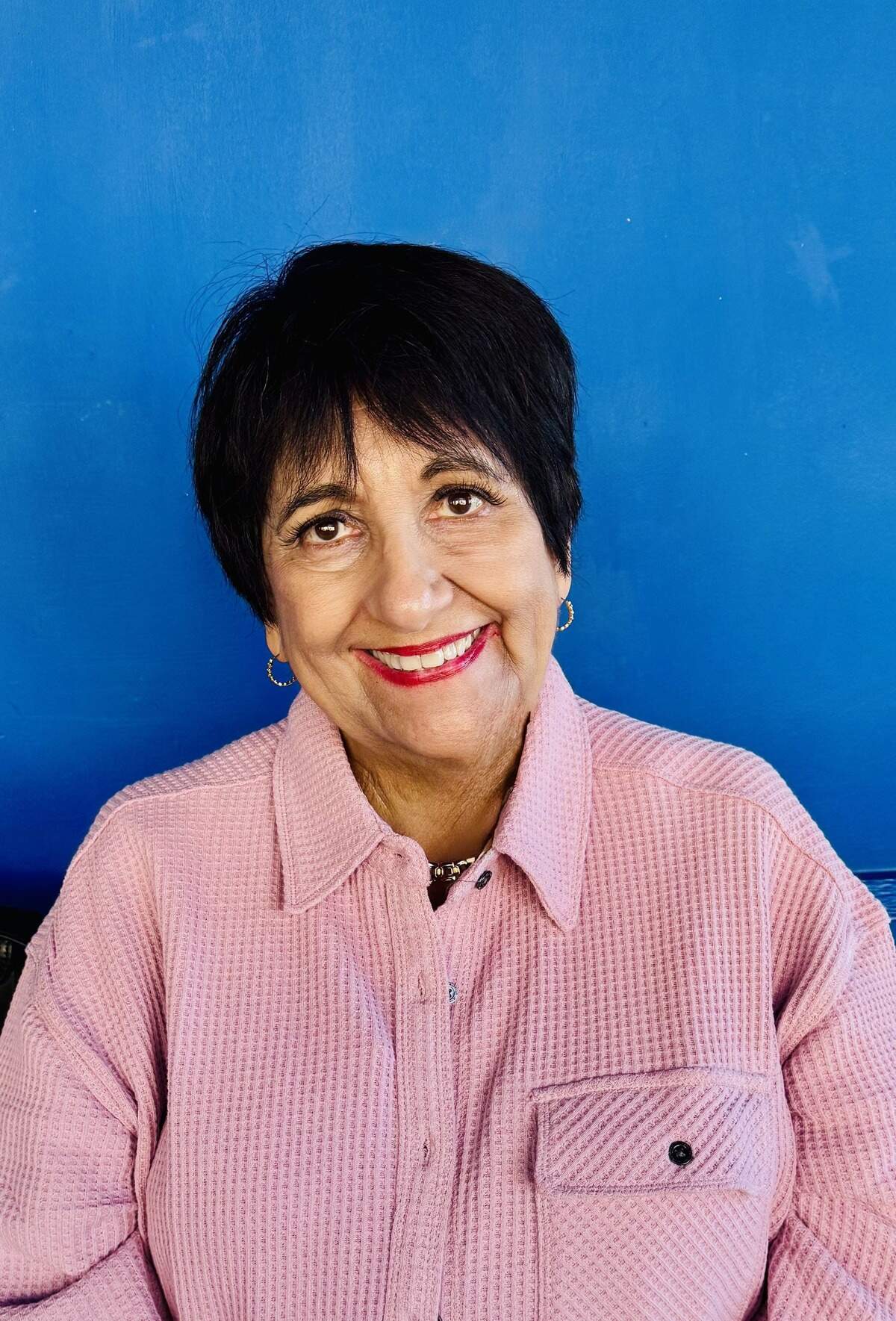
Eva Bonilla, a life-long Fort Worth community activist and entrepreneur, said her father Jesse Sandoval, a prominent member of the Political Association for Spanish Speaking Organizations (PASO), the American GI Forum, the Mutualista Club or mutual help group, and furniture maker worked with Calderon on several community projects. As a young La Raza Unida Party activist, she was impressed with Calderon’s intelligence, calmness, and leadership. She was overjoyed to see a Latino, Calderon, acting as the guide for a group of concerned citizens in a tour of the Comanche Peak Nuclear Power Plant in Glen Rose, Texas.
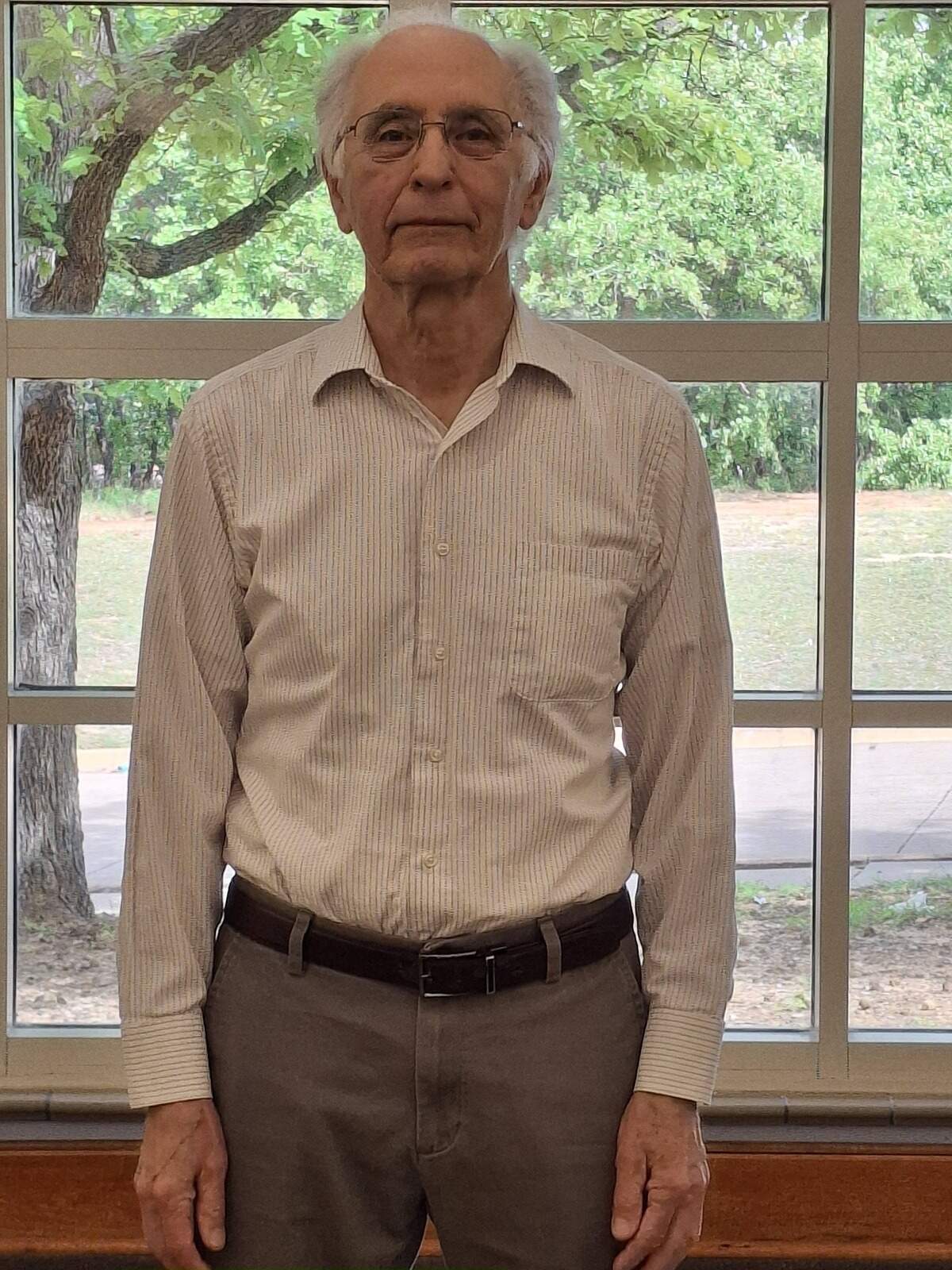
Calderon worked on wide-ranging socio-political projects and served with numerous agencies, boards, and commissions. He focused on redistricting the Fort Worth city council and school board from the 1980s to 2026. According to life-long Fort Worth resident Reynaldo “Renny” Rosas, he joined Calderon and David Vasquez in the mid-1970s to ensure Latino political interests were advanced.
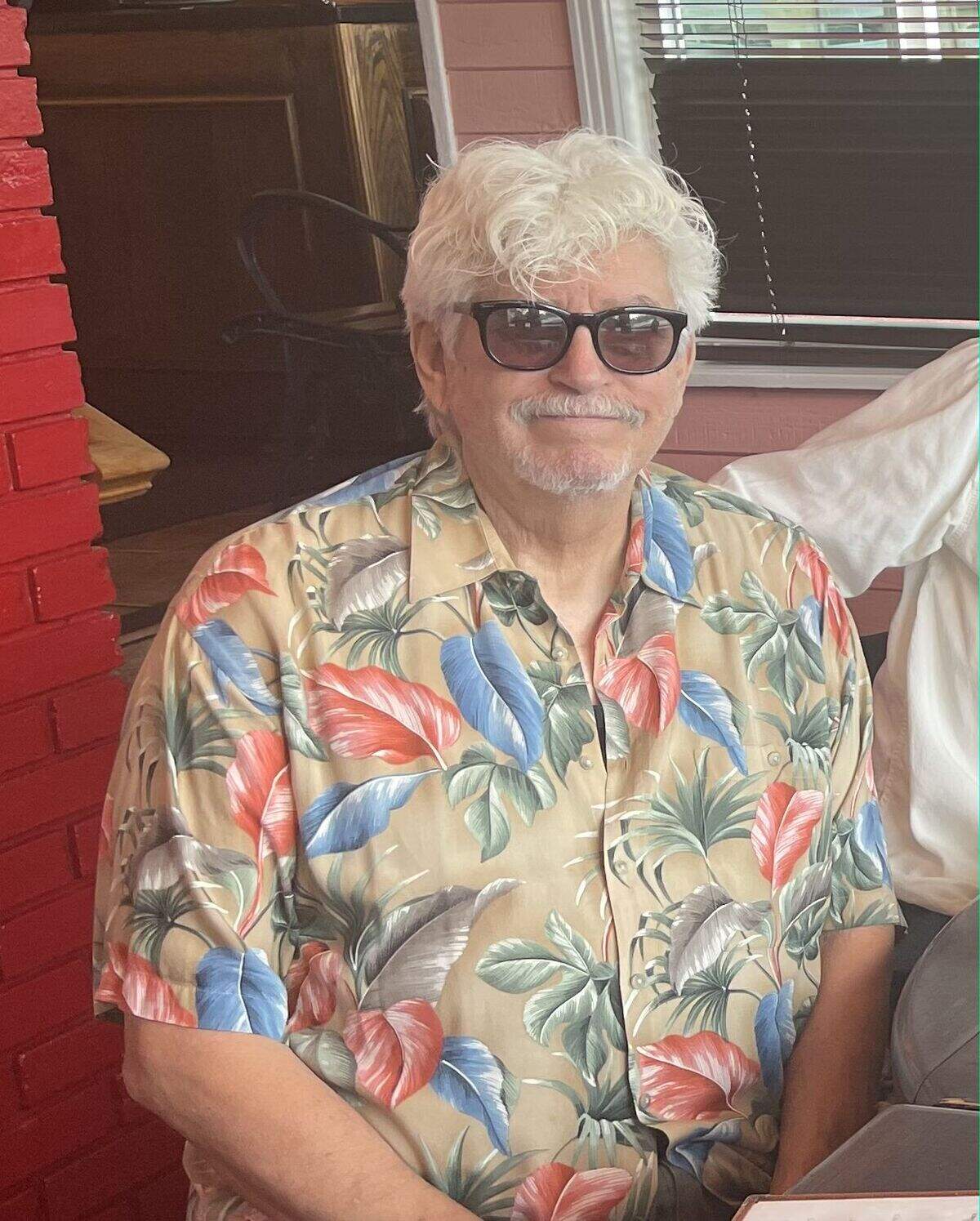
Rosas specialized on technical skills; Calderon provided analytical and communication skills; and Vasquez shared his cartography knowledge. They huddled over demographic data, examined district configurations, and tested variations of a district map that gave Latino people the best opportunity to win representation. Before the arrival of redistricting computer software, they used plastic overlays on county maps, jockeying precincts for maximum political gain.
Rosas attributed the election of the first Latino, Louis Zapata, in 1977 in the Northside, to their redistricting map submission. In the 2000s, a major community push gained momentum to create a second Latino city council opportunity district on the Southside.
Although a third of the city population was Latino, the council had one Latino representative since 1977. A Fort Worth City Charter Amendment in 2016 expanded city council representation from eight to 10 single-member districts. The first election with the two additional districts took place in 2023. Calderon, other citizens, and city council members submitted maps, utilizing online computer software.
Former city council representative Sal Espino, who chaired the Redistricting Taskforce, said the group recommended Calderon’s map to the city council for adoption. Instead, the council created its own map and, according to Espino, used Calderson’s principals. As a result, the first Latina from the Southside, Jeanette Martinez, was elected to the city council in a run-off race on June 20, 2023. Latinas justifiably celebrated the historical significance of Martinez’s election. Still, Calderon and other Latinos deserved credit for years of redistricting advocacy that set the stage for her victory.
Calderon said, “We’re not born and don’t receive education typically that enable us to work the political system and a lot of systems.. ... And so how do we go about planting seeds with information? You know, doing the things to develop skills, to utilize that information to help move our gente community forward. Asking questions.”
Calderon, 80, has devoted his adult life asking hard questions and shaking trees. As a spiritually-inspired urban farmer, he continually advocated to plow politically for glorious change.
Author Richard J. Gonzales writes and speaks about Fort Worth, national and international Latino history.
This story was originally published May 23, 2026 at 5:00 AM.
CORRECTION: This column has been updated to correctly include the names of Abraham Fernandez and Estrella Fernandez Calderon.