101 teens dead: The crisis in Tarrant County killing our children by record numbers
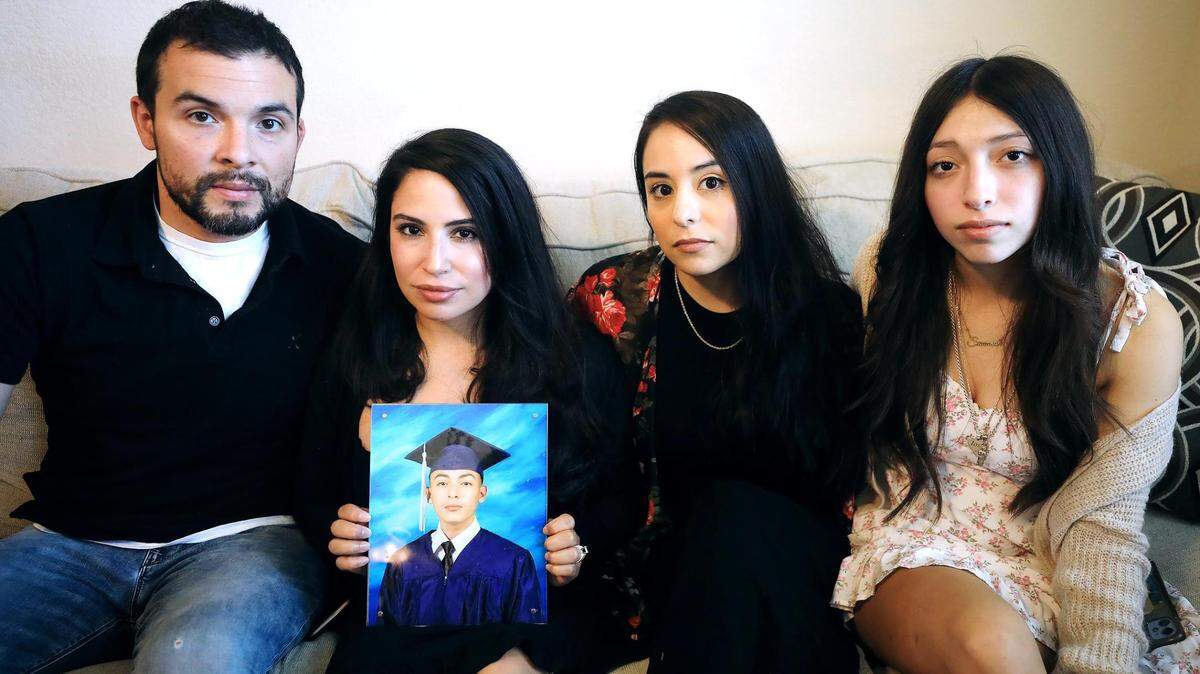
READ MORE
A fight to save our children
The rise of a new generation of gangs, whose turf is social media, is contributing to a surge in teen homicides.
Expand All

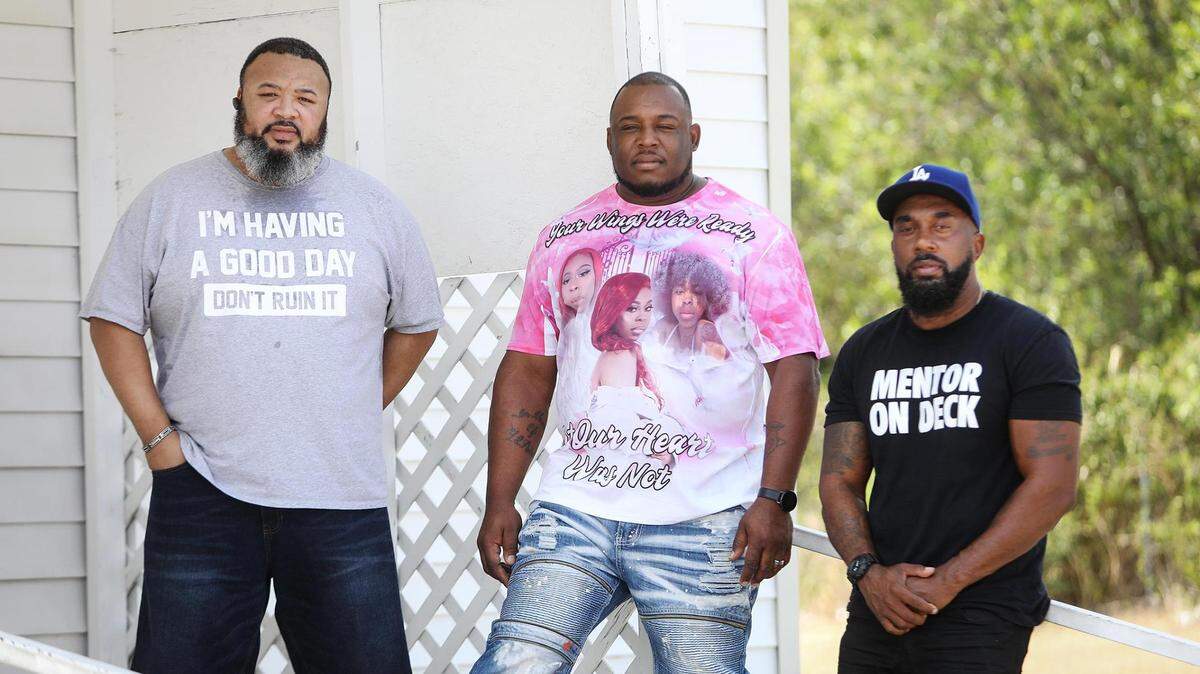
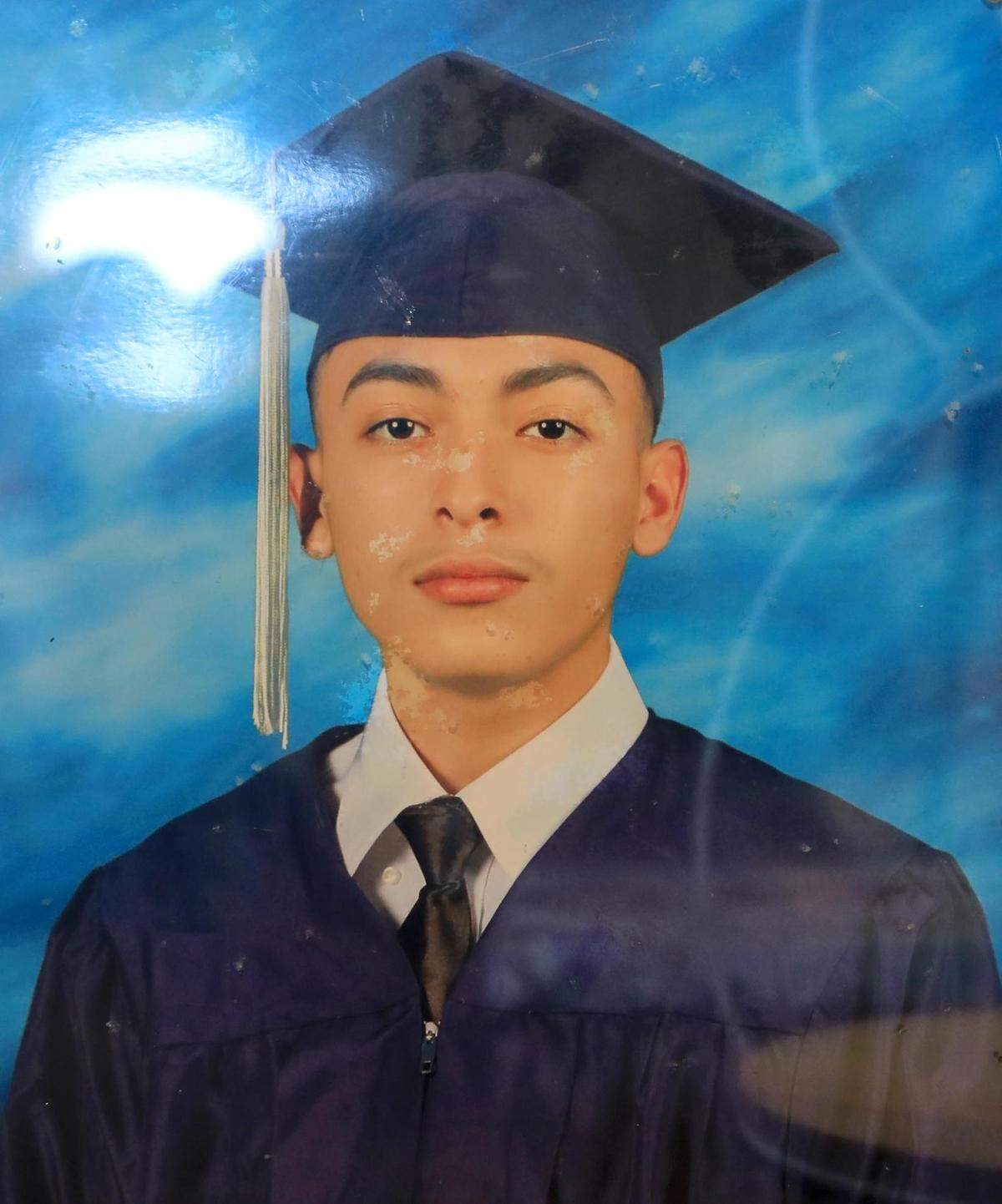
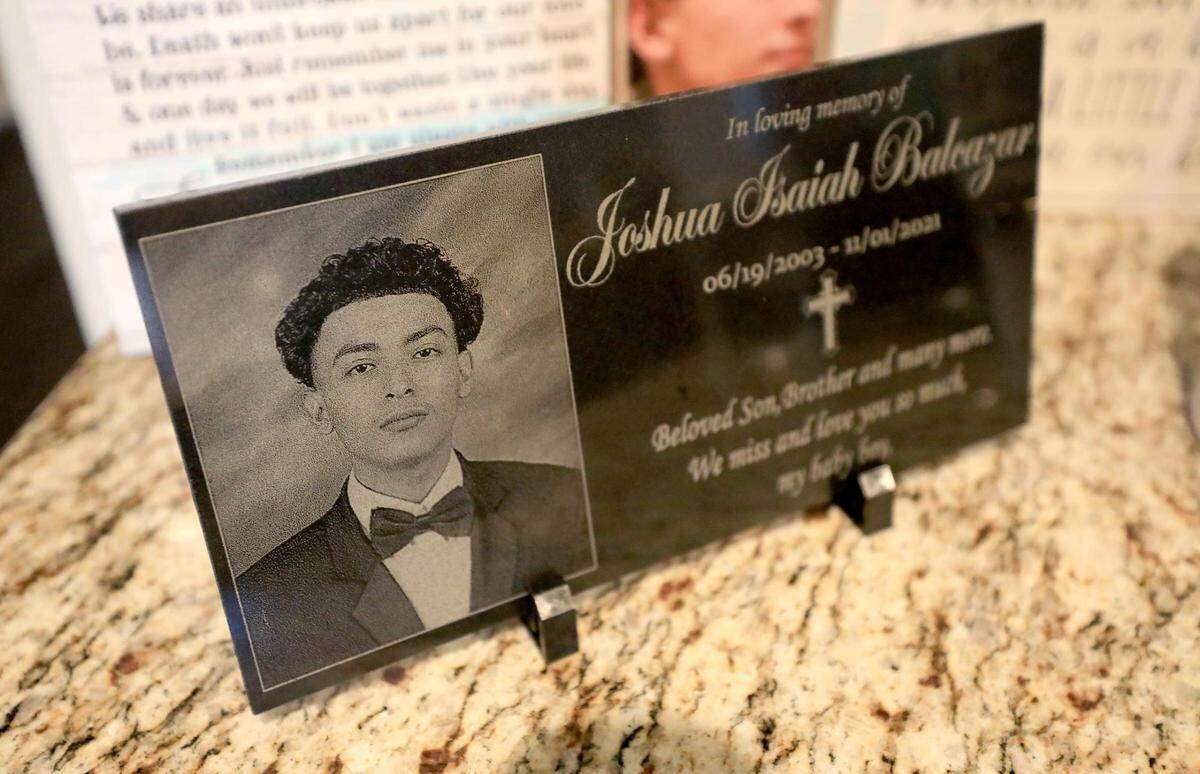
On Easter Sunday last year, 17-year-old Josh Balcazar had a mission: find the golden egg.
His mother and stepfather had hidden the giant plastic egg filled with cash in their Fort Worth backyard. As the hunt began, Josh skirted past his younger cousins and siblings. He looked under the grill and triumphantly pulled out the prize.
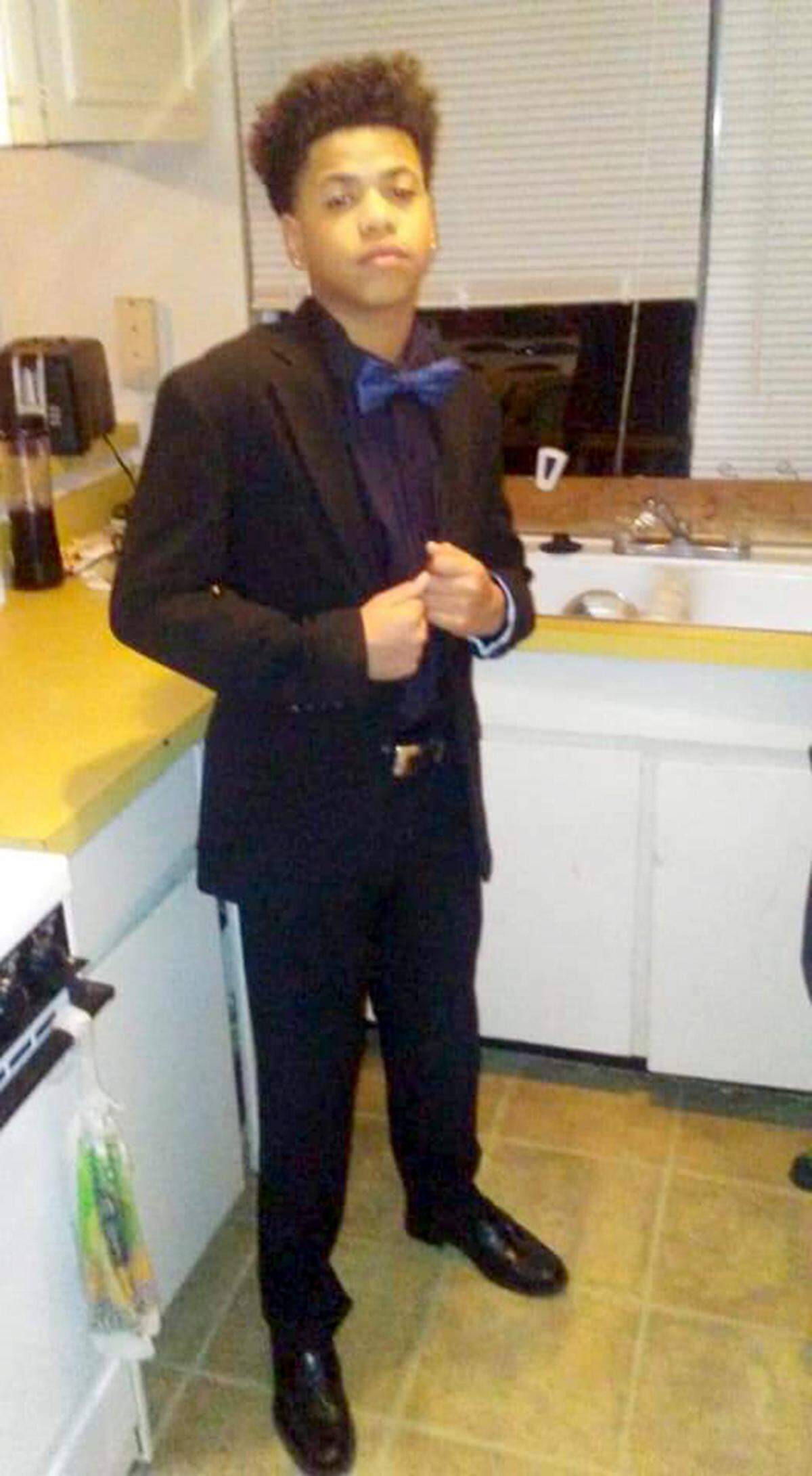
Recently, his mother found the golden egg while unpacking her Easter decorations. To her, the egg represents that playful, goofy nature of her eldest son. This Easter, she and her husband and their three other children took the golden egg to place on Josh’s grave at Greenwood Memorial Park.
He died on Halloween, shot in the back while picking up a friend from a party.
Fort Worth and its surrounding communities are losing teenagers to gun violence at a surging rate not seen in years.
At least 101 young people of middle- or high-school age have died since 2016 — the equivalent to four to five classrooms of children, a Fort Worth Star-Telegram analysis finds.
Just last year, 29 young people who were 12 to 18 years old were shot and killed in Tarrant County, the most in at least 10 years. At least 12 more teenagers have died in the first four months of 2022, including two 17-year-olds early last week.
The killings are happening all over the county — in urban Fort Worth and in small towns, in water parks and on basketball courts, at a Valentine’s Day party and in homes struck by stray bullets, or cars parked where teens hang out. Those killed were of every race, from families across the socioeconomic spectrum. In some cases, a dispute over a joint or a social media feud escalated into bloodshed. In other cases, a child was simply in the wrong place at the wrong time, and someone had a gun.
Some leaders who have recognized Tarrant County’s escalating crisis of teen homicides have sounded alarms, including members of the Fort Worth City Council who have pressed the Police Department to pursue new strategies to curb violence. Police Chief Neil Noakes and Mayor Mattie Parker stood together in early April to reaffirm their commitment, after total homicides among all ages in 2021 hit a 27-year high.
But while overall homicides have risen, the rate at which juveniles are dying by gunfire has disproportionately doubled. On average, about 12% of all homicides from 2016 to 2021 in Tarrant County were gun-related deaths of 12- to 18-year-olds. So far this year, nearly 1 in 4 homicide victims is a teenager.
“I believe that teen gun violence should be our city’s top priority,” Councilman Jared Williams said Tuesday in a statement, responding to back-to-back shootings. One victim was Rashard Guinyard, a 17-year-old track star with ambitions to become an anesthesiologist, who was shot at an after-prom party Sunday in south Fort Worth.
The complexity of factors behind why teens are dying, often at the hands of other another teen, may make finding solutions difficult. The turmoil of the pandemic on families, social life and the support structures of school likely played a role. Authorities are seeing a disturbing rise of a new generation of youth gangs or gang-like disputes that often escalate on social media, out of view from most parents. And too many teenagers are too easily able to acquire guns.
Calls for action have grown louder with each teenager buried this spring.
But for the 101 young people killed since 2016, the calls come too late.
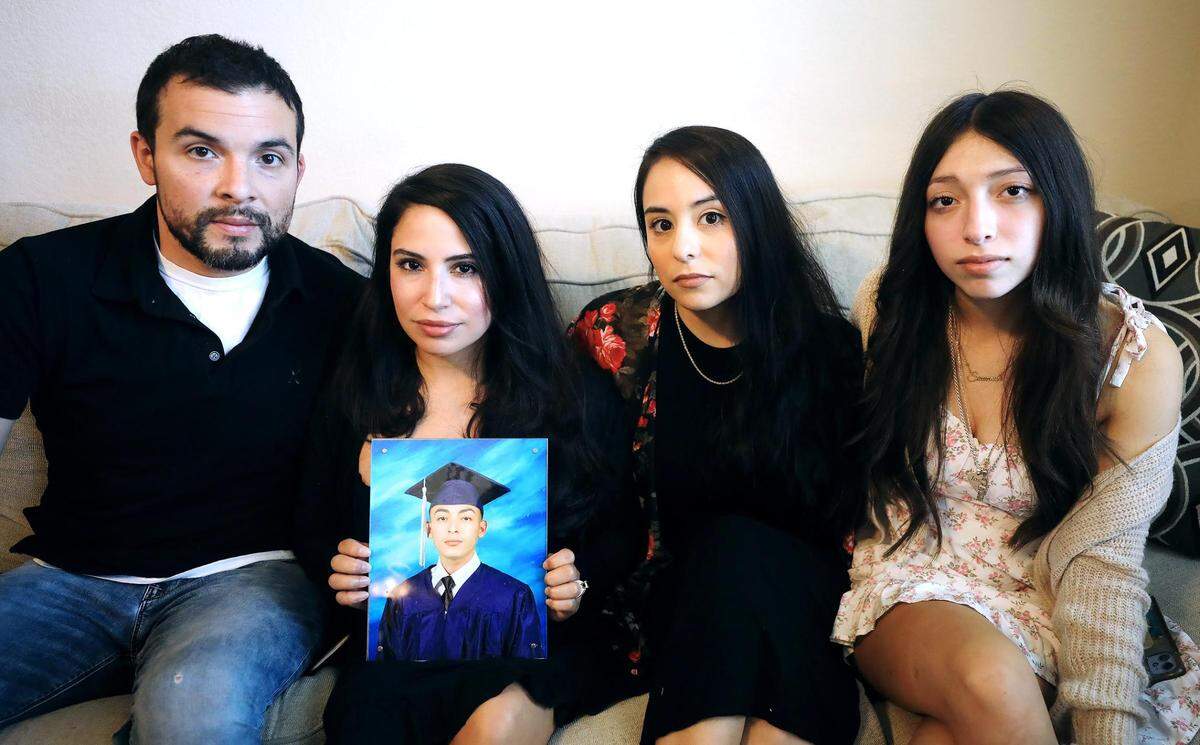
‘Josh is dead’
On Halloween night, Sarah Magana texted her son Josh as the hours passed and the teenager had not come home. Her son didn’t go out often; he had work at UPS in the morning. She learned later that he told his friends he needed to be home around 1 a.m. or his mom would be mad.
At 3 a.m., the doorbell rang. Magana and her husband opened it cautiously and saw three teenagers they did not recognize. The boys asked if Josh lived at the house. She said no at first, unsure what they wanted.
Then one of the boys blurted out, “Josh is dead.”
Magana would later piece together what she could from that night, though the case is still under investigation. Josh, who by then had turned 18, went to pick up a friend from the Halloween party. He was outside a house near Saginaw High School when someone inside started shooting. His friend with him at the party was not hit, but Josh was. He died at the hospital.
Six months after that awful night, the family has suffered from fear on top of grief. His parents slept on couches in the living room, too paranoid to sleep in their own room. They installed security cameras. Magana and her 15-year-old daughter could not go to a movie without feeling on edge.
“It’s a lot to be grieving and have other kids, too, and knowing they depend on you,” Magana said.
For weeks, each time there was a knock at the door, Josh’s 2-year-old sister thought it might be her brother, finally coming home to run up and tickle her like he used to.
“When she heard someone at the door for a while, she would think it was him,” Sarah Magana said. “She would say Josh? Josh?”
‘I don’t feel safe’
Tarrant County’s crisis of teen homicides extends well beyond Fort Worth’s city limits.
Thirteen days after Josh died, a 17-year-old named Destin Carson was shot to death in the Forest Hill suburb, south of the city.
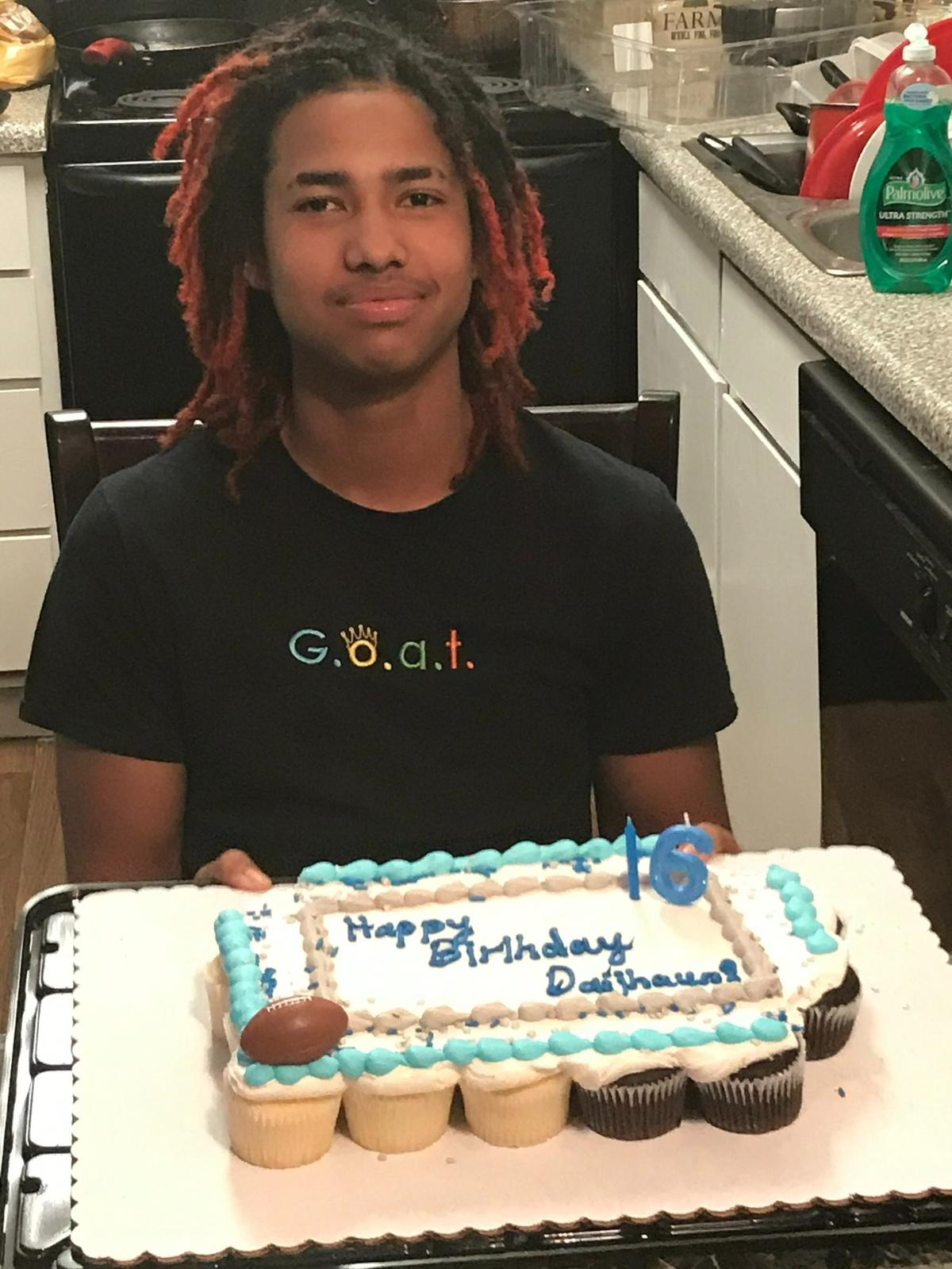
That same month, in November, a basketball court in Haltom City to the north became a crime scene with two bodies: Daijhuan Jones, 16, and Isaiah Mendoza, 17.
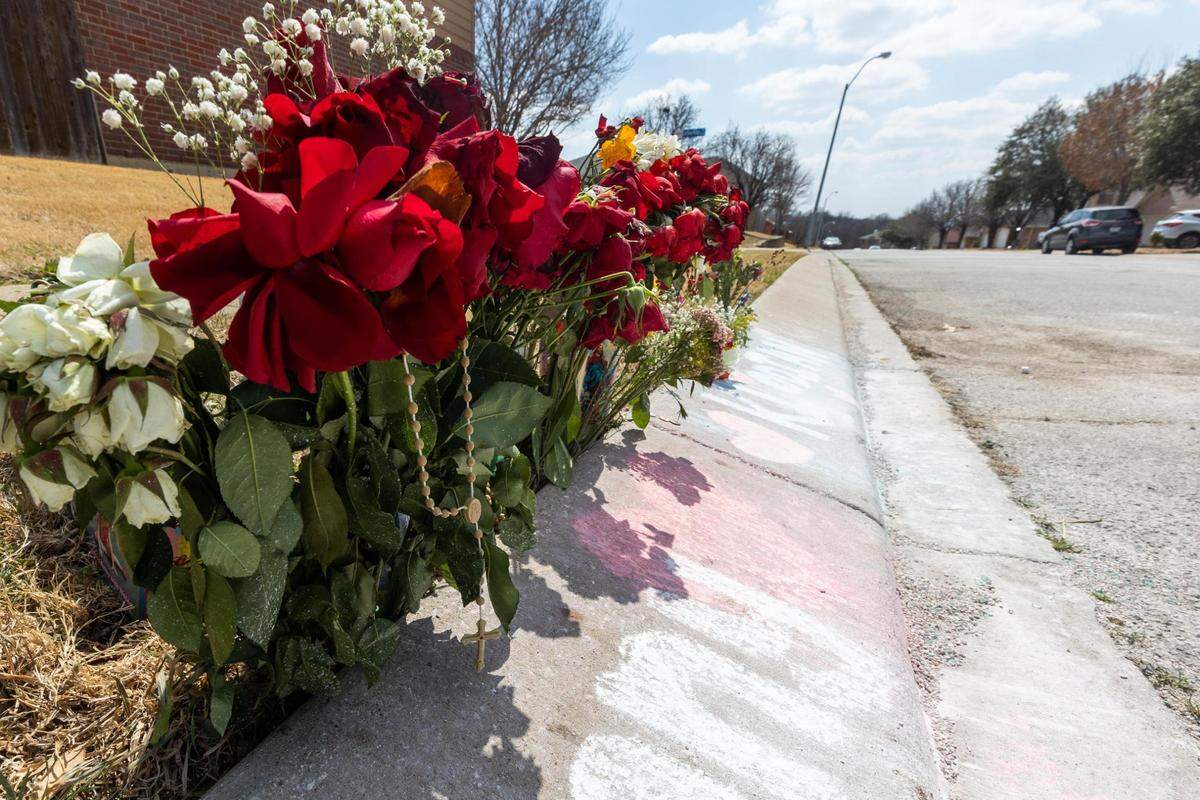
This March, a shooting in Watauga left 17-year-olds Johnny Rojas and Klodian Ramaj dead on a quiet street in the close-knit community of about 24,000 residents. In the days that followed, people created a memorial near the spot. The family whose yard it faces had to explain to their children what the red and white flowers in the grass meant, and whose names were written in chalk, said Watauga Police Chief Robert Parker.
“The impact of a situation like that is devastating,” Parker said. “Not only for the parents of all the kids involved, but for all the kids that those victims and suspects have contact with.”
While any violence can traumatize a community, a young person’s death can be particularly harmful, said Fort Worth Councilwoman Elizabeth Beck.
“We’re losing potential leaders in the community,” Beck said. “We’re losing future elected officials, future teachers, doctors and nurses, when we see a young life cut short.”
And future musicians.
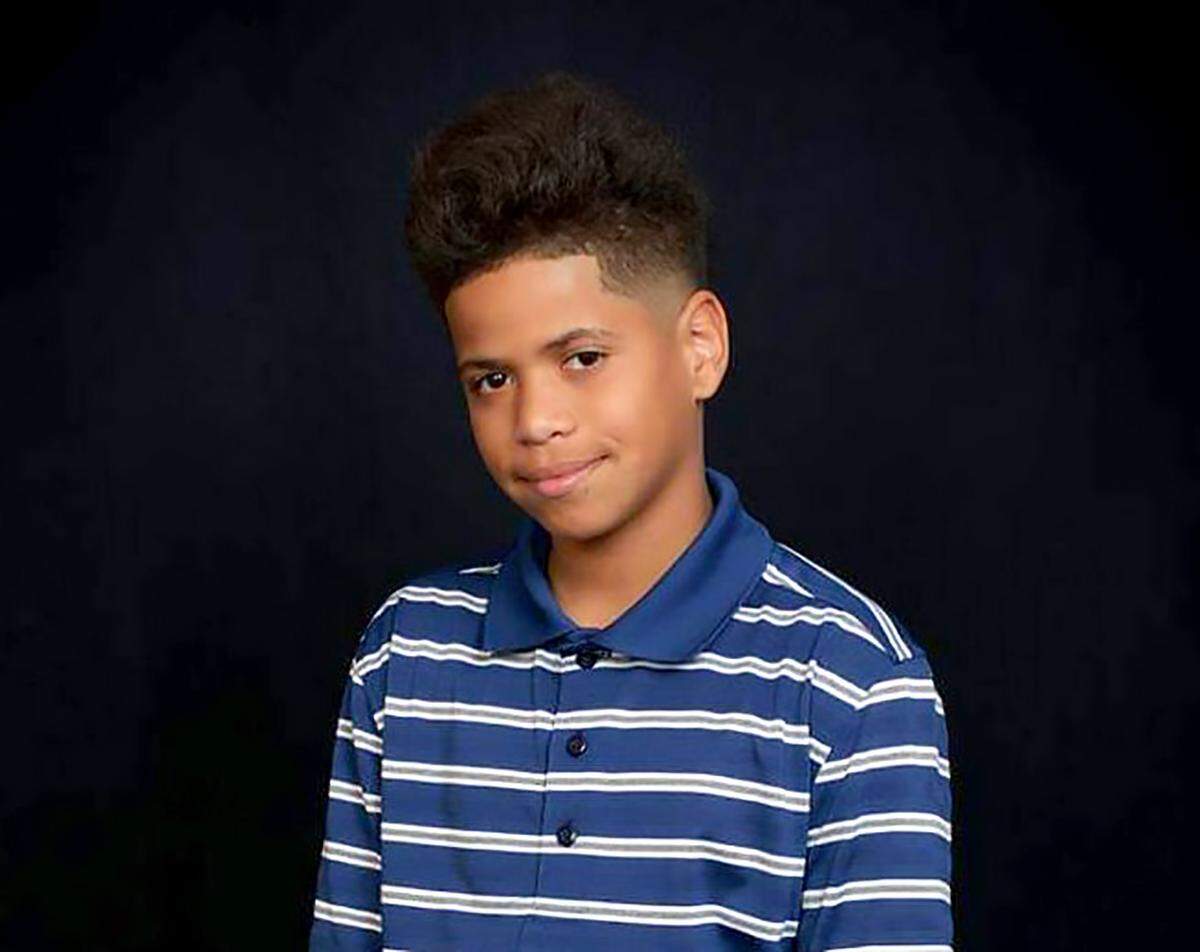
At 18, Devin Smith’s dedication to rap music — which he had been writing since a young age — garnered thousands of listens on SoundCloud. His four brothers were his biggest fans, said his mother, Janie Smith.
Devin was killed in June, a bullet to the back of his head at the Relax Inn in Fort Worth. Smith does not know all the details of what happened, but a friend who was with her son said he was shot over a marijuana joint that did not belong to him.
“It’s a standstill to me,” Smith said. “I get up every day and do what I’m supposed to do. It just seems like yesterday that I was burying him.”
About six months before Devin died, he learned his best friend had been shot in the stomach and left on the side of the road in Grand Prairie.
“It really messed with his mind, it put him in a depression,” his mother said. “He didn’t want to be around anybody. He was angry, really angry. He didn’t know how to handle it.”
Smith thinks that was part of the reason Devin, her second-youngest son, started using Xanax.
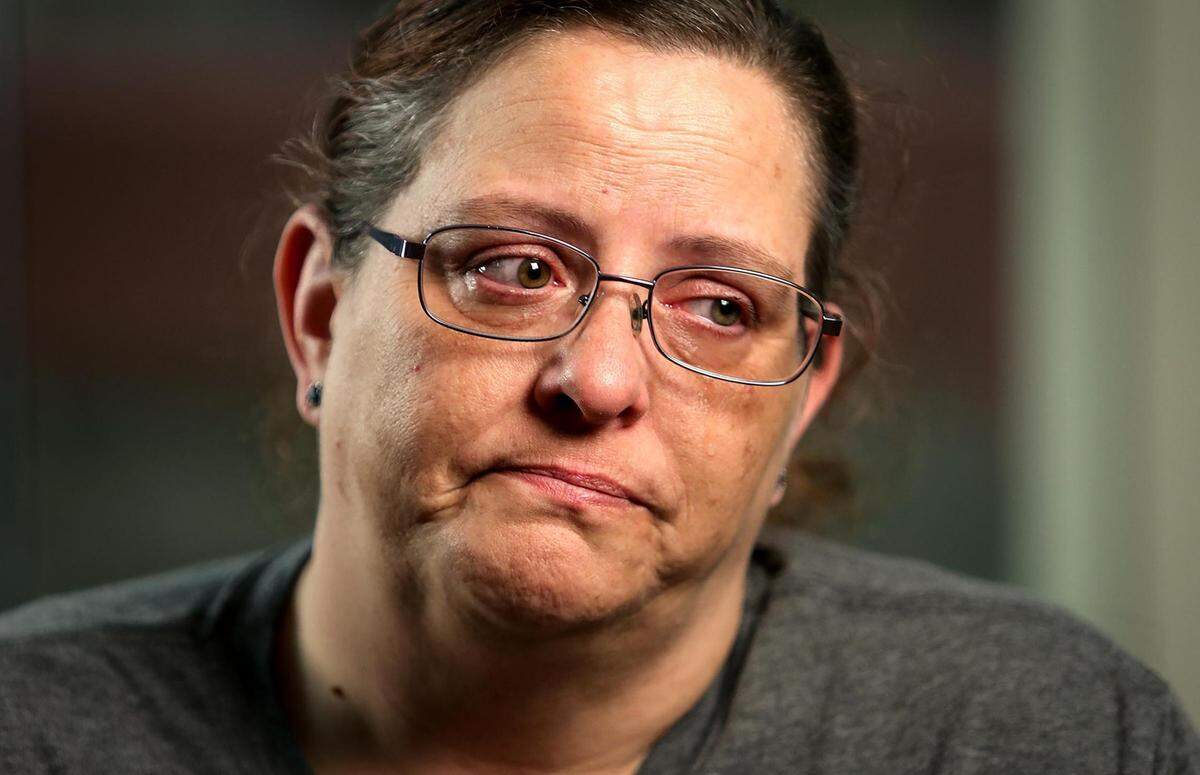
On June 28, Smith got a call from her son’s girlfriend, who told her Devin had been shot. First-responders at the scene told her Devin — the boy who used to snuggle up with her as she watched “The Golden Girls” and hum along to the theme song — had died in the back of the ambulance.
Smith says she now fears for her other boys.
Especially since her sons are Black, Smith worries about them being hurt in some way. Black teenagers are disproportionately shot and killed in Tarrant County, according to medical examiner records. Out of the 101 teenagers killed by gun violence since 2016, about 53% have been Black, though only 18% of county residents overall are Black.
“I don’t feel safe,” Smith said. “I feel scared. Mostly, I’m just sad though.”
‘Their brains are constantly on fire’
Families aren’t the only ones suffering.
Teachers and school counselors are seeing how gun violence and the trauma of losing classmates take a toll on other children. That may give parents who think their teenagers are removed from the crisis some reasons to worry.
A counselor at one Fort Worth school recently noticed that kids who typically did well were letting their grades and attendance drop, said Cynthia Bethany, the district’s prevention and crisis response director. After doing some digging, the counselor found out that over spring break, a group of Fort Worth students were at a party where someone came in and started shooting. Some of the students had done CPR on their friends to try and save them, and two of their friends had died.
When a student or young person is shot, Bethany says, the message it sends to other children is “no place is safe.” Sometimes, it pushes them into survival mode.
Delisea Johnson, a Fort Worth school district trauma specialist, said shootings among young people have happened across the entire district.
“Some of our kiddos,” Johnson said, “their brains are constantly on fire.”
Julie Collins, the vice president of the Child Welfare League of America, studies the impact of gun violence on young people. When violence happens in a community, an alarm system triggers in their brains and can make them react more intensely to real or perceived threats, she said.
Some children might see risk where it isn’t, Collins said, making them more likely to pull the trigger in a confrontation. Exposure to trauma — either through violence or systemic issues like racism — can make young people feel hopeless.
“When people lose hope, they deal with things in a very different kind of way than what we might think are acceptable,” Collins said.
A child’s home situation can determine how he or she is able to cope when classmates are wounded or killed, Johnson said. Children in a single-parent household or those dealing with poverty might not have the resources to get the help they need. Fort Worth schools partner with agencies, including the Police Department and One Safe Place, to get students counseling or other services.
Teachers and school staff aren’t immune. A school nurse was traumatized when she witnessed two shootings at her apartment complex this year and tried to render aid to both victims, Bethany said. Teachers who lose students have to deal with their pupils’ grief on top of their own.
“They’re being asked to show up and do their jobs,” said JJ Blandford, another Fort Worth school trauma specialist, “with the expectation that there’s a minute to process and now here’s a classroom of kiddos to reach.”
This year, 45 Fort Worth district students or staff members have died from all causes, including accidents, illness or homicide.
But the surge in juvenile gun deaths is particularly troubling.
The license to carry law in Texas that took effect Sept. 1 allows more Texans over 21 to carry guns. That may have increased access to guns for children and teenagers, Johnson and Bethany said.
“So many grown-ups have weapons that aren’t secure,” Bethany said. “That is the potential for a child to harm themselves or someone else when an adult has a weapon that they have access to.”
’I don’t think all of them understand’
As the police chief in Haltom City, Cody Phillips has questioned multiple young people involved in shootings. Once caught, they seem to suddenly realize the implications of what they’ve done.
“I don’t think all of them understand,” Phillips said. “Once it happens, all the emotions and actions and sounds and smells, it sets them back to reality. We’ve had a lot of them, a few of them, come in here and cry because it all sunk in.”
In the basketball court shooting in his city that left two teens dead last fall, three juveniles were arrested. Phillips would not go into details about the investigation, but police believe marijuana may have played a role.
Whatever caused the dispute, the true cost of the violence that day was the lives of five teenagers.
“You’re losing kids, just in different ways,” Phillips said. “One through the prison system or the criminal justice system, and one through the grave.”
This story was originally published May 1, 2022 at 12:00 AM.