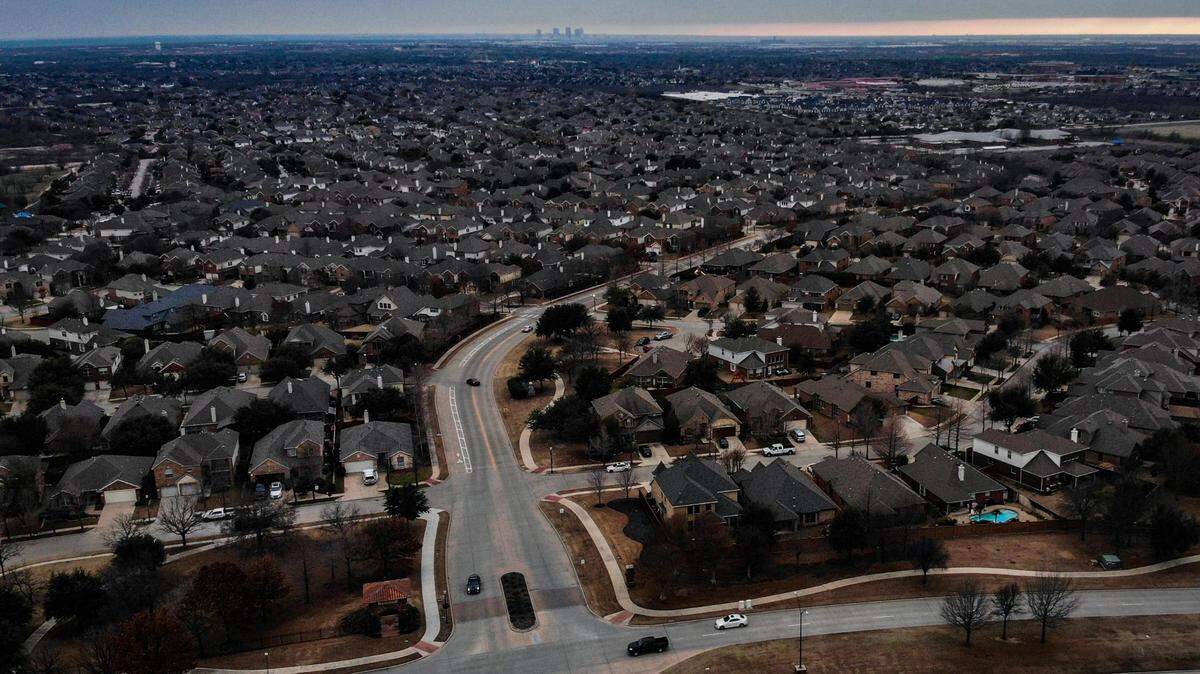
While your home value skyrockets, Texas businesses have gotten a break. Who pays? You
READ MORE
Tarrant County’s skyrocketing property values
Tarrant County’s property appraisals are going up. What to know about your property value and how it affects your tax bill.
Expand All
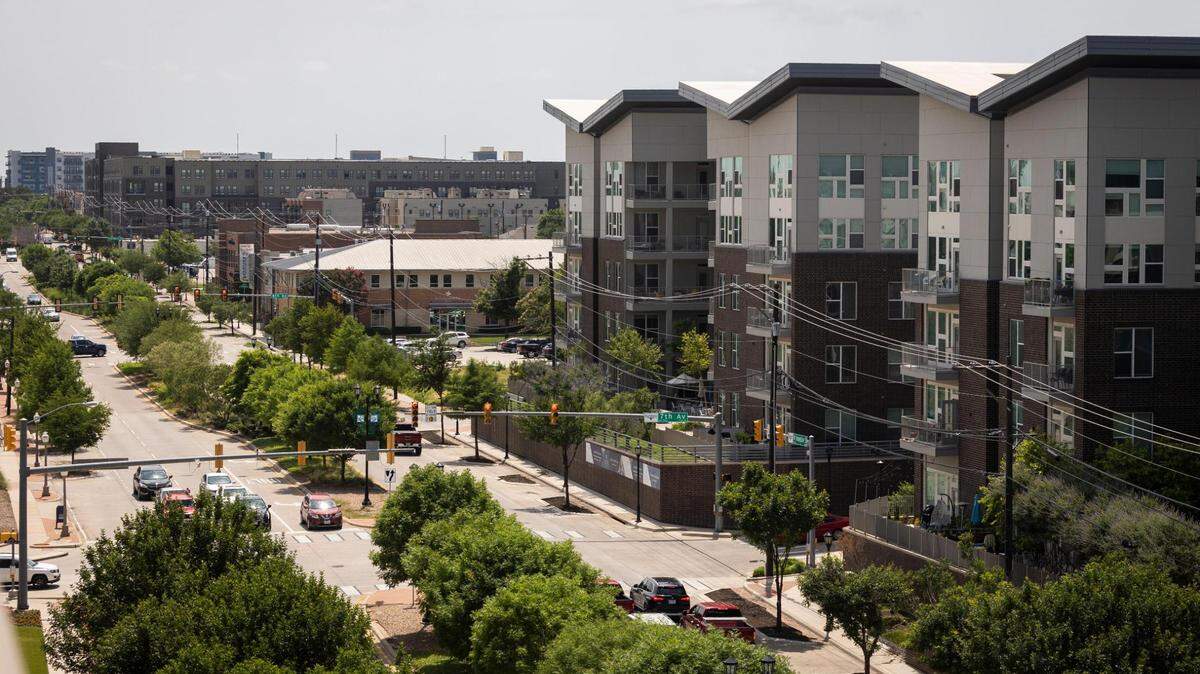
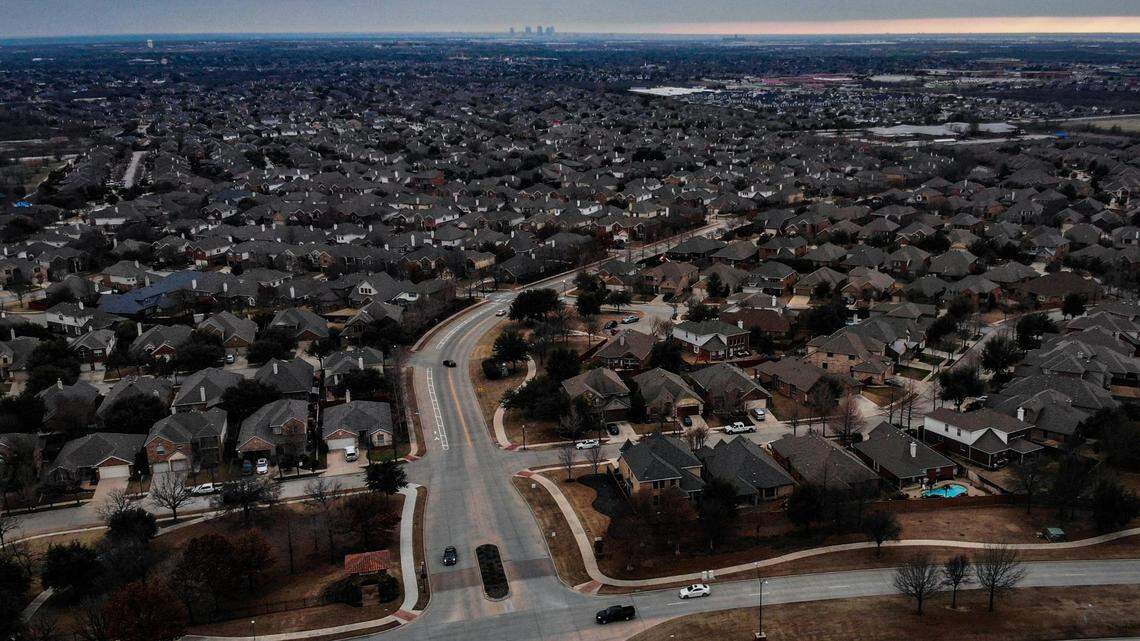
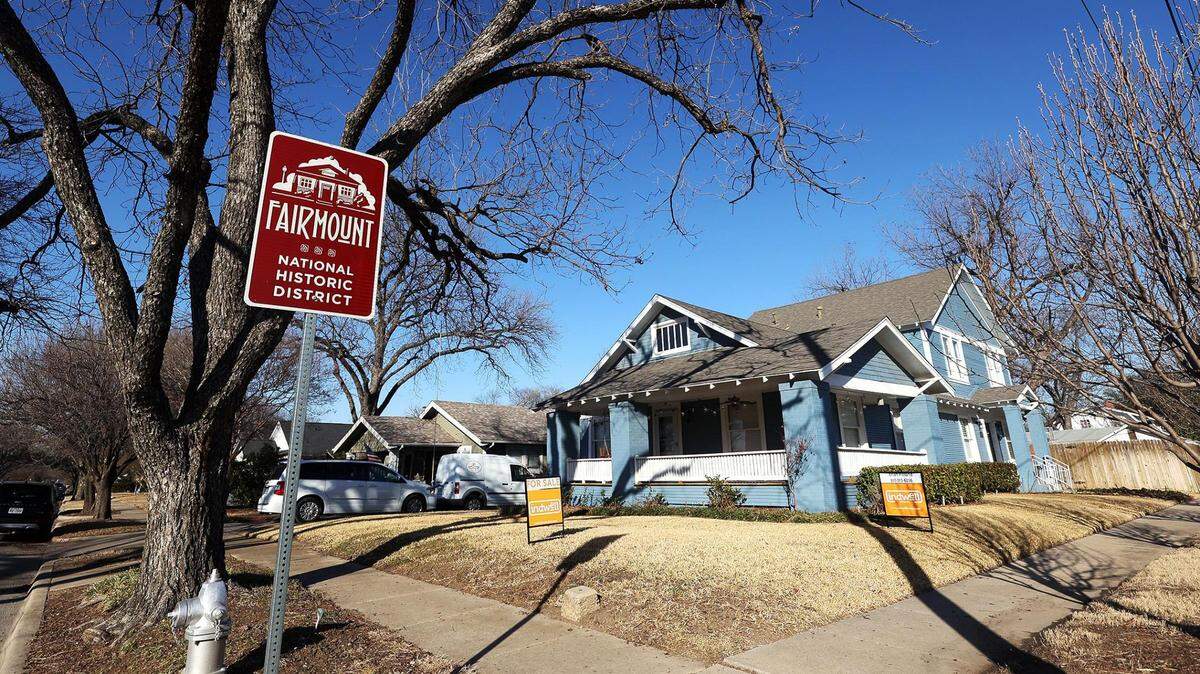
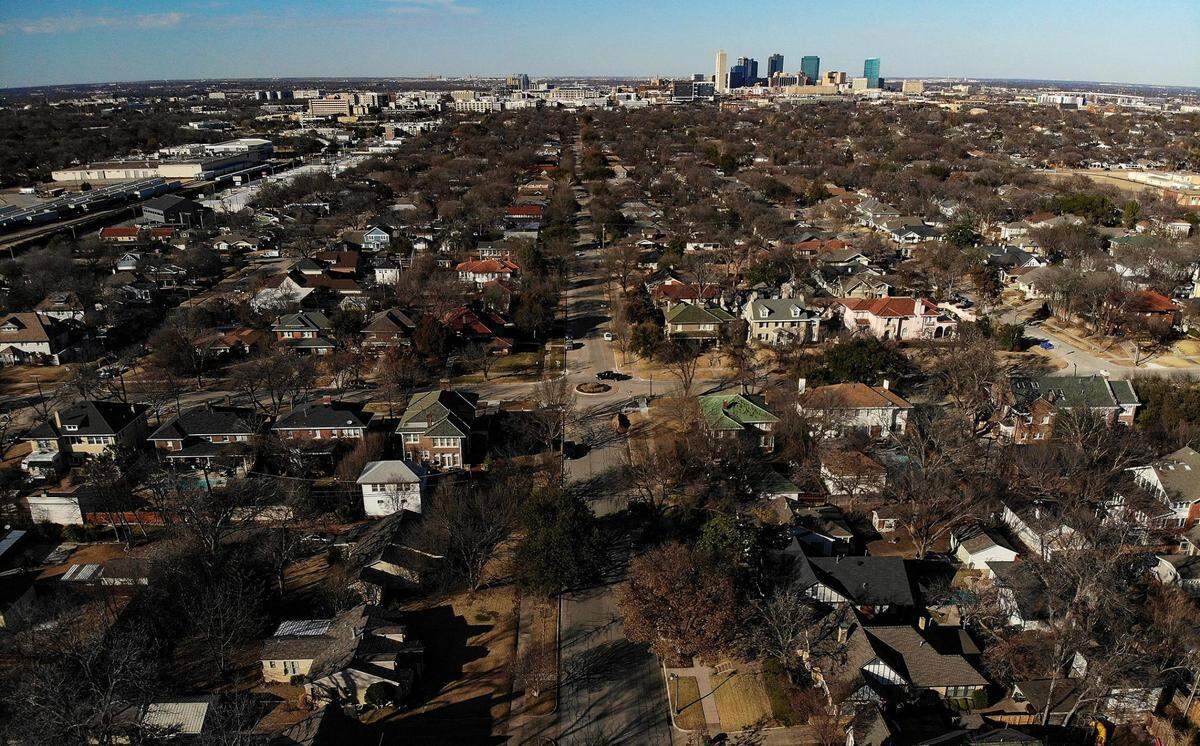
Tarrant County homeowners are smarting from the pain of the area’s exploding housing prices.
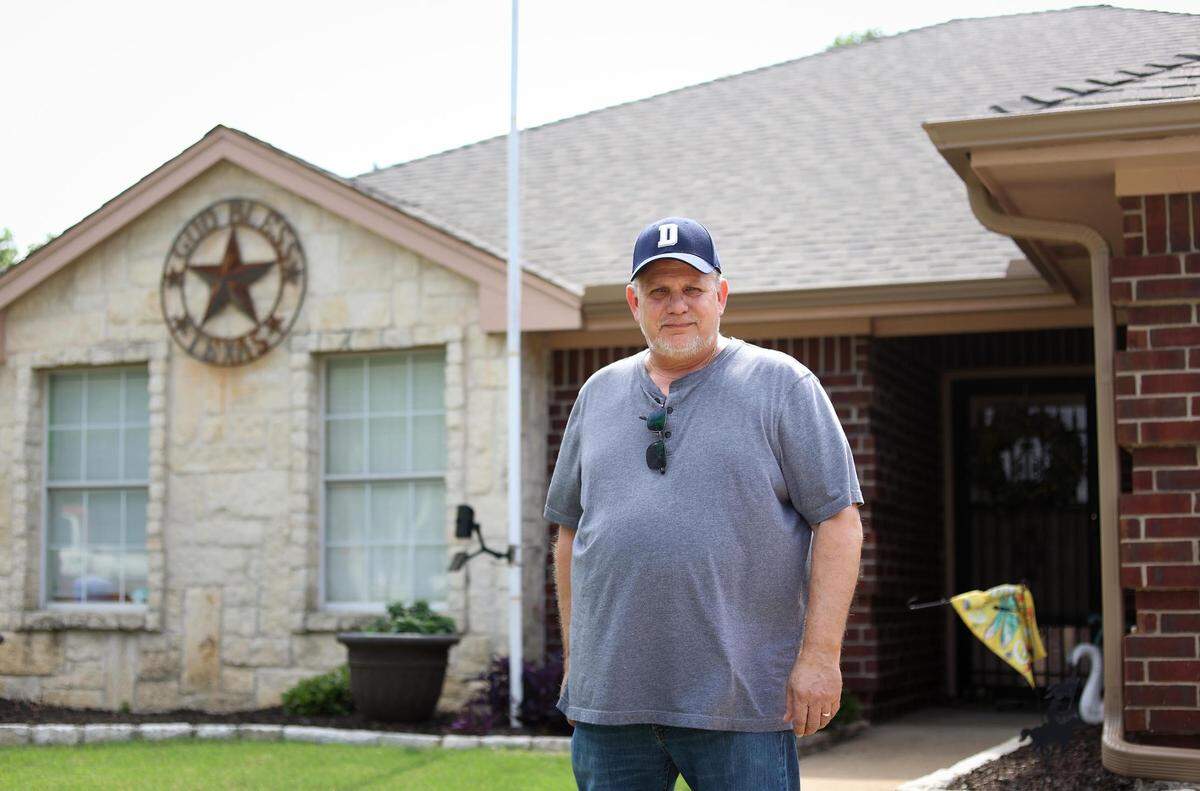
Take Wes Bullock for example.
In just four years, the appraised value of his Keller home rose 34%, and his tax bill jumped 22% or $966. With another 10% value increase on his home this year, he’s sure to pay even more soon.
His case is common. Tarrant Chief Appraiser Jeff Law estimates residential property values rose 20% in 2021 alone.
This year, homeowners on a fixed income are questioning whether they can afford the increase in property taxes. Others are even considering leaving the state, which has one of the highest property tax rates in the country.
Throughout Fort Worth, people are getting taxed out of their own homes.
Do you know who’s not? Walmart.
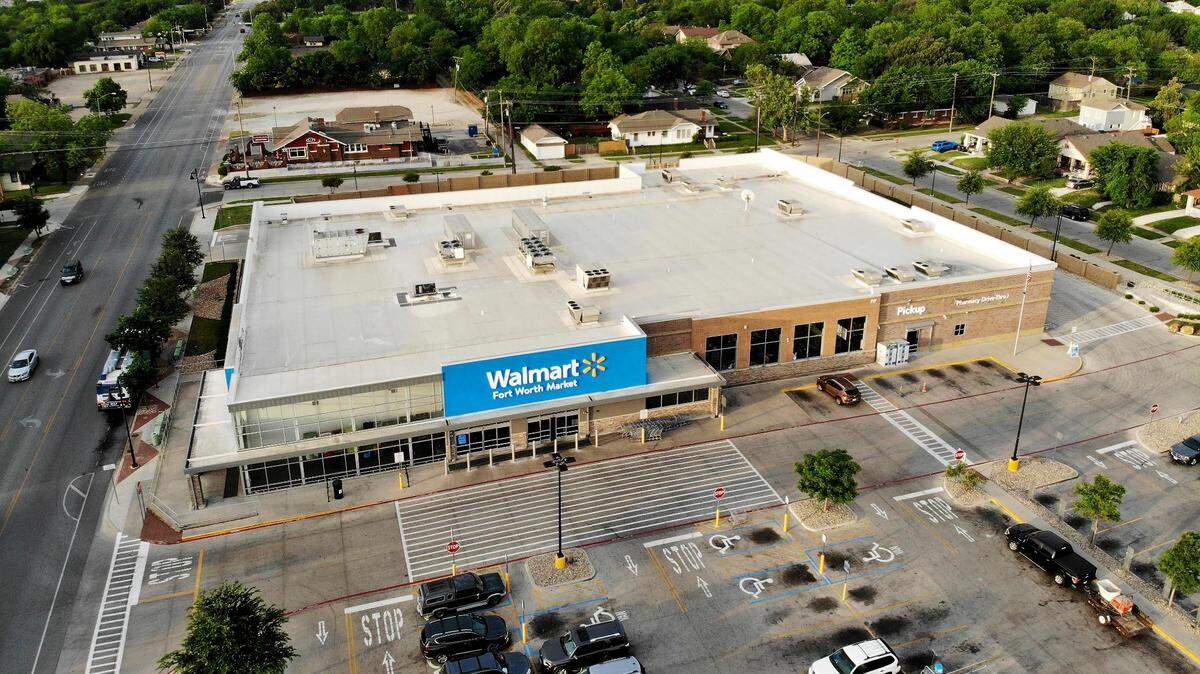
Walmart’s 37 Tarrant County stores that have been open at least five years decreased in value on average between 2017 and 2021, according to a Star-Telegram analysis of Tarrant Appraisal District records. The market value of the company’s commercial property in the county fell from $294 million to $287 million, a decrease of 2.5% overall.
Walmart did not respond to requests for comment.
In the same time period, the median home price in Tarrant County increased by 51%, according to data from the Greater Fort Worth Association of Realtors.
This juxtaposition is emblematic of a larger issue at play: not only are commercial property owners not paying their fair share of property taxes; homeowners across Texas are picking up the slack.
The system is set up this way.
Walmart isn’t doing anything illegal to deflate its property taxes. Nor is it the only company to take advantage of existing Texas law. They all are. In fact, they’re missing out if they’re not.
The state loses $26 billion of taxable property each year as a result of a tax code amendment in 1997, according to the Texas Association of Appraisal Districts.
It helps to look at a tax bill like a pie, said Chandler Crouch, a broker and CEO of Chandler Crouch Realtors who helps people protest their property tax appraisals for free. The county, its school districts, its cities and its public hospitals all need a certain amount of money to operate.
When commercial property owners don’t pay their fair share, residential property owners shoulder more of the tax burden, he explained.
This unequal distribution “doesn’t reduce the amount of tax that must be paid,” Crouch said. “It just changes who pays it.”
‘It’s lawsuit abuse’
At the end of its 75th session in 1997, the Texas Legislature passed a seemingly minor tax code amendment that in the next 25 years would quietly cost Texas homeowners billions of dollars.
The amendment, which falls under the equal and uniform standard, gave property owners a new avenue to protest their property appraisals. Using this new method, a property owner could argue their value should be decreased, because a collection of similar properties were valued at less.
Crucially, the statute does not mention market value. Nor does it specify that comparable properties be located in the same appraisal district.
Let’s say a skyscraper sells in downtown Fort Worth for $100 million. That spring, the Tarrant Appraisal District values the property at $100 million. The owner could sue TAD in district court to lower the appraisal, arguing that similar buildings in downtown San Antonio were appraised at $80 million. That reduction in value could save the owner more than $500,000 in property taxes.

Proponents of the statute argue that everyone can benefit from it.
“Anybody can sue the appraisal district. I just did it, and I won,” said state Rep. Charlie Geren, a Fort Worth Republican. Last year, he sued to protest his home value and the value of his business, Railhead Smokehouse BBQ.
While the remedy is available to all property owners, it primarily benefits commercial owners and very wealthy homeowners. For the typical homeowner, the numbers don’t work, because the cost of legal counsel would likely outweigh the property tax savings for most homeowners, said Aaron Layman, a broker and owner of Aaron Layman Properties in Denton County.
“Unless you’ve got an expensive property, it doesn’t really pay to play that game,” he said.
Furthermore, the Texas tax code requires the appraisal district to pay a property owner’s legal fees if the appraisal gets lowered in district court. That it makes it less likely for the district to fight lawsuits against commercial property or wealthy homeowners.
“They know they have all the leverage because appraisal districts have limited budgets to be able to go to district court,” said Brent South, chief appraiser of Hunt County Appraisal District. “They know that if they can file lawsuits, they’re going to force us into settlements.”
As a result, when it comes to getting sued by large corporations, “it’s a matter of how far we can bend and not break,” South said.
“It’s lawsuit abuse.”
Who pays? You.
Of course, appraisals are just the first step in the taxing process.
Once properties are appraised, taxing entities like school districts and local governments set the year’s tax rates, based on the amount of taxable property in the community.
When that sum doesn’t accurately reflect the area’s commercial property, rates have to go up to recoup the balance.
“There’s a need for property taxes, and if one person doesn’t pay it, the other’s gonna,” said state Sen. Nathan Johnson, a Democrat from Dallas.
Supporters of the statute argue it balances the various exemptions available to residential property owners.
“Residential property owners are capped at 10%. Commercial is not,” said Geren.
He’s referring to the homestead exemption, which caps the increase in appraised value at 10% per year for primary residences. Even with a homestead exemption, the market value of a home can still climb beyond that; the homeowner’s tax bill just reflects the spike incrementally.
When commercial property owners sue appraisal districts, many of these lawsuits aren’t settled by the time taxing entities are required to set rates.
“They end up setting a higher rate than is necessary to ensure they have the money they need to fund their operation,” said Alvin Lankford, chief appraiser of Williamson County Appraisal District.
The Texas Association of Appraisal Districts estimates that commercial property owners’ use of this method of protest is equivalent to cutting 80,000 homes worth of property taxes off the tax rolls.
When commercial property owners don’t pay their fair share, homeowners pay, said South. Twice.
“Who funds the appraisal districts? Who funds these lawsuits, the attorneys that we have to hire, expert witnesses we have to hire? It’s the taxpayers. So it’s really a double whammy,” said South.
Proposed remedies
Texas Democratic gubernatorial candidate Beto O’Rourke traveled to Dallas last month to outline his plan for reducing property taxes; it includes cracking down on abuse of the unequal appraisal protest method.
As he delivered his proposal, O’Rourke stood in the foreground of a modest Oak Cliff home on Ramona Avenue that exemplifies the disparity in power between residential and commercial property owners in Texas.
Between 2014 and 2021, the home more than doubled in value, from $44,690 to $106,650, an increase of 139%, according to the Dallas County Appraisal District.
Less than 10 miles away, the Walmart Supercenter on North Cockrell Hill Road rose in value by just 5% between 2014 and 2021, from $11.26 million to $11.87 million.
As governor, O’Rourke pledged to combat the unequal distribution of the tax burden by requiring sales price disclosure.
In Texas, property buyers and sellers are not required to disclose the price of the property they bought or sold. Realtors keep record of home sales through local multiple listing services. But no such database exists for commercial property.

Commercial property could be appraised more accurately with sales price transparency, O’Rourke argues. Especially because commercial property changes hands infrequently and is thus difficult to value.
While it could aid appraisers, sales transparency won’t necessarily remove the teeth from the amendment, Johnson contends.
“Sales price disclosure might help,” he said. “I think the statute is the bigger problem, because the property tax appraisers are pretty good.”
His proposed reforms have included requiring that comparable properties used as evidence are in the same appraisal district as the property in question; establishing a threshold at which people can sue (i.e. you can only sue if your property is appraised at more than 10% of the median); and, tying the remedy to market value.
Gov. Greg Abbott’s plan to reduce property taxes, his “Taxpayer Bill of Rights,” does not mention unequal protest. Rather, it includes a property tax exemption for businesses on up to $100,000 of business personal property and requires local taxing entities to get two-thirds voter approval to increase debt.
But, per the appraisers, “The only true remedy to eliminate the abuse of this particular section of code is to eliminate it altogether.”
Why it’s hard to change
In Johnson’s first two sessions as a legislator, the statewide appetite for lowering property taxes was high. Even so, Johnson’s attempts to reform the equal and uniform standard have been unsuccessful.
At the time, “The last thing they want to do is repeal a statute that helps businesses lower property taxes,” Johnson said.
He also put more bluntly, “People make a lot of money by reducing their taxes.”
There are the commercial property owners. The real estate agents. The property tax consultants. The corporate tax attorneys. The politicians running for re-election.
One of the biggest stakeholders is George Brint Ryan, CEO of Ryan LLC in Dallas. It’s the largest indirect and property tax practice in North America and sixth largest corporate tax practice in the U.S.
Ryan helps companies like American Airlines, BP, 7-Eleven and Walmart reduce their tax bills and has made a lot of money doing it. The company’s revenue in 2020 alone was $622.4 million.
The company’s PAC, Ryan Texas PAC, has donated $3.87 million to Republican candidates since 2015, according to data from campaign finance non-profit Transparency USA. More than $1.8 million of the PAC’s donations from that time came directly from Ryan.
The company’s promotional material once read: “At Ryan & Co., we don’t just react to Texas tax changes. We engineer them,” the Dallas Morning News reported in 2005.
But, when tax consultants get involved in policy changes, “they’re not trying to solve the problem for the most part,” said Crouch.
Most recently, Ryan has given to the campaign coffers of former Gov. Rick Perry, Gov. Greg Abbott and Lt. Gov. Dan Patrick.
Ryan has been appointed to:
- ERCOT Board Selection Committee by Lt. Gov. Dan Patrick in 2021
- Texas Task Force to Restart the Economy by Patrick in 2020
- Tax Policy Advisory Board by Patrick in 2015
- Select Committee on Economic Development by Lt. Gov. David Dewhurst in 2012
- University of North Texas Board of Regents by Gov. Rick Perry and Gov. Greg Abbott in 2009 and 2015
- Taxpayer Advisory Group by Comptroller Carole Strayhorn in 1999 and by Comptroller Susan Combs in 2007
Ryan alums include current and former Texas public servants state Sen. Drew Springer, former Comptroller John Sharp, former state Rep. Bruce Gibson, former Perry aide Roberto de Hoyos and the late state Rep. John Otto.
Ryan declined requests for interview and said it would only answer questions submitted via email.
A Ryan spokesperson denied the provision shifts the burden to homeowners: “All this provision does is guarantee uniform and equal treatment among taxpayers as provided by the Texas Constitution. Without it, you could live in an identical house as your neighbor and pay significantly more in property tax and be unable to do anything about it. No one that truly understands this wants to get rid of it — except tax appraisers.”
To achieve reform that makes any real difference, politicians are “going to have to upset a number of constituents,” Layman said.
“If you look at the money that flows to the campaigns for the Texas Legislature, it’s just a rotten system all around,” said Layman. “That’s the reason there hasn’t really been any reform, because you’ve got all these competing interests. … Commercial interests in Austin are driving this for the most part. They kill any real reform.”
It doesn’t hurt that your average Texas homeowner doesn’t know much about this statute. It’s complicated and confusing, which, at the end of the day, preserves its use and abuse by corporate interests.
“I think they like it that way,” said Layman.
Window of taxpayer concern
Last month, Tarrant County homeowners found out how the year’s brutal housing market affected their home prices.
Tarrant County Chief Appraiser Jeff Law estimated residential property values went up 20% this year. In December 2021, the median home price in Fort Worth was $325,000 — a 25.4% increase from the previous year.
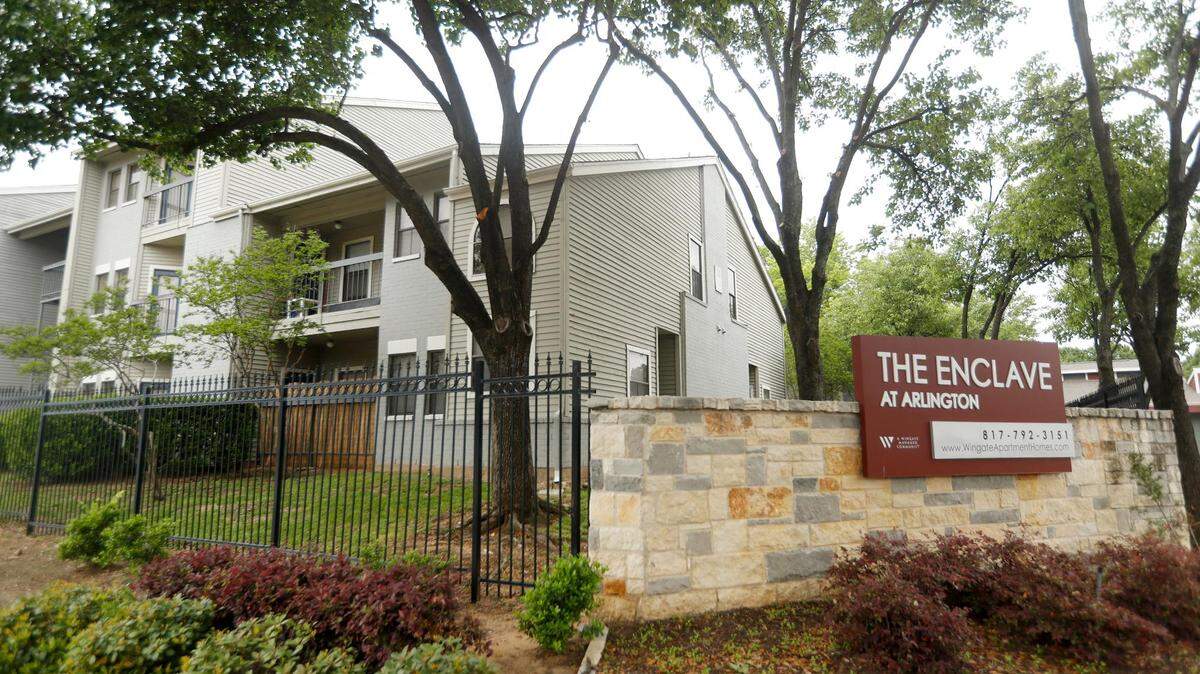
The appraisal boom doesn’t just affect homeowners; as property values rise, landlords are passing on the property tax burden to renters. The average rent in Dallas-Fort Worth is now $1,455 a month — a 17.3% increase from the same time last year.

If residential property owners continue to shoulder the state’s growing property tax burden, Texas’ housing affordability problem will only get worse, experts predict.
“You’ll continue to see housing inequity,” said Layman. “You’ll see some folks getting priced out of their houses, just because of the appraisal creep.”
Because the issue is complicated and relatively unknown, it’s hard to get people to care.
But if there is a time at which Texas homeowners are primed to collectively rise in fury against an unfair property tax system, it’s now, the four weeks during the year that property owners can protest their appraisals, said Crouch.
“People are motivated by this,” he said. “This is the window where we’ve got their attention.”
This story was originally published May 12, 2022 at 5:30 AM.