
How to get your North Texas garden through August’s heat and ready for fall
I grew up in College Station. I loved gardening, but it was hot by 8:30 in the morning. I got up early to get my work done, but I seldom finished much before noon. I stayed in the shade until late afternoon, then it was back into the landscape.
When August arrived, I had mixed emotions. I knew school wasn’t far away and that was going to cut into my time in my gardens, but I also knew that I’d quickly get into the patterns of classes and fall activities. And I knew that I’d have time after school and weekends to spend in my gardens and greenhouse. So August was a time of reflection and planning.
As adult gardeners we have the same outlooks. We realize we must protect the investments we’ve made in our lawns and landscapes the past 6 months. Leaf scorch from plants we’ve allowed to get too dry one or more times. We need to step up our waterings – either water more often or lengthen the cycles. That’s especially critical with our new plantings made this past spring or even last fall. Most of their roots are still in those original soil balls that came with them from the nursery. They were growing in lightweight nursery mix, so they’re going to dry out really quickly in these sweltering temperatures. Water them by hand with a garden hose and a water bubbler or breaker, and soak them deeply, 10 or 20 gallons at a time.
Watch out for insects that take advantage of plants weakened by high temperatures and other stressful conditions. Chinch bugs in St. Augustine and even zoysia. Perhaps gray leaf spot fungus in those grasses as well. Nearly microscopic spider mites moving onto plants and causing their leaves to turn mottled tan, then dried and crisp. Lace bugs doing the same thing, but with black waxy specks on the backs of the leaves. Webworms showing up on our pecans. Caterpillars devouring foliage in a variety of species and leaving their droppings as evidence.
Plants in containers like patio pots and hanging baskets will need to be fed every couple of days. Their nutrients drain out quickly and must be replenished. Chief among them will be nitrogen, and the best way to supply it will be in a water-soluble form. Concurrently you can also add an encapsulated timed-release plant food that will nourish your plants for an extended period. One note, however: Those intervals the timed-release products list on their labels should be cut in half in hot weather. The coatings break down in the heat and the nutrients are released much more quickly.
Let’s look ahead toward early fall
Enough on the “survival” topics. Let’s survey the future. What should we be planning, even planting, in anticipation of fall’s cooler conditions?
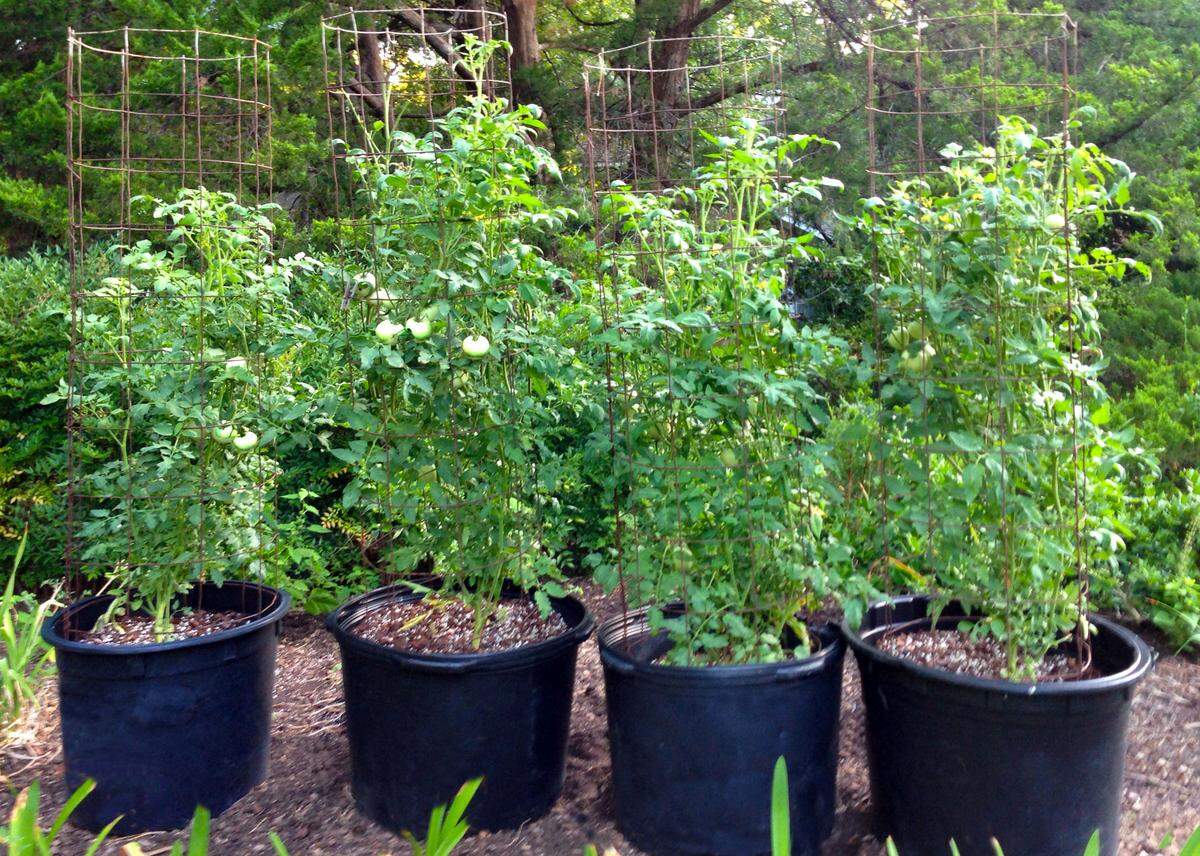
Your fall vegetable garden comes first. August is the prime planting month here in the Fort Worth/North Texas area. Tomatoes should have gone in the ground a month ago to make a good crop before the average Nov. 22-ish first freeze. However, you could still plant them in 7-gallon nursery pots in a protected full-sun location. Peppers should be planted immediately. Bush green beans, squash, cucumbers, and fast-maturing varieties of sweet corn can be planted now. Broccoli, cabbage, and the other Cole crops are planted mid-August. Leafy and root vegetables are sown in late August.
Similarly, fall annual flower color is planted in early to mid-August. You have never grown zinnias, celosias, or marigolds as intense as those you set out in bud (but not yet in bloom) in mid-August. They will bloom in fall’s cooler weather, and the colors will be spectacular – so much more brilliant than those you planted in spring.
If this has been the year that you’ve intended to get new turfgrass started, don’t wait any longer. You need to have it on the ground and well rooted before the soils begin to cool. Sure, you’re going to have trouble keeping it watered properly. But that’s the price you paid for waiting until late summer for planting. St. Augustine especially is vulnerable to winter’s cold if it’s not well rooted and growing. Plant its sod immediately.
Starting new grass can be boiled down to just a few short, simple steps.
(1) Rototill and rake to a smooth planting surface.
(2) Start with fresh sod delivered early in the morning. Get it laid by mid-morning and water it within 30 minutes of laying the sod in place in each area.
(3) Water all the new grass deeply the same day that it’s planted.
(4) Subsequently, water the new grass morning and night for 5-10 minutes per area. Goal: don’t let the new grass dry out for even a few hours. Remember that its roots are very shallow initially.
(5) After 10-12 days you can cut back to daily waterings.
(6) Mow when the grass is tall enough to need it. Mow at the recommended height as soon as it’s tall enough to require it.
(7) Fertilize at one-third the recommended rate after the second mowing. Fertilize at the recommended rate one month later.
If you are hoping to make significant upgrades in your landscape sometime in the next year, this fall would be a great time to do so. Nurseries will soon be getting in fresh supplies of outstanding nursery stock. The big nursery trade shows are happening in August, and vendors are out making deals.
More than that, if you’re seeking professional design help, August is also your best chance to get it. It’s a great time to meet with a landscape designer or architect to discuss your ideas and hear their suggestions. Have a list of your priorities and photos of landscapes you like and perhaps a few that you don’t like. They’d probably welcome a short list of your favorite plants as well, but ask them to weed out any that they know to be difficult.
All that said, August is a good month for gardening. Much of it thankfully can be done from your armchair. The more years I accumulate, the more I appreciate that.