Watering tips to get your North Texas landscape through the summer heat
Spring and early summer 2025 have been, by Texas standards, pleasant. A bit cooler than normal with ample and frequent rainfalls over most of our area. Here’s hoping those will continue the next couple of months, but odds are that they won’t.
With that in mind I thought I’d bring some factoids and useful thoughts that might help guide your watering strategies during this most stressful of seasons. I’ll see how many I can pack into one column.
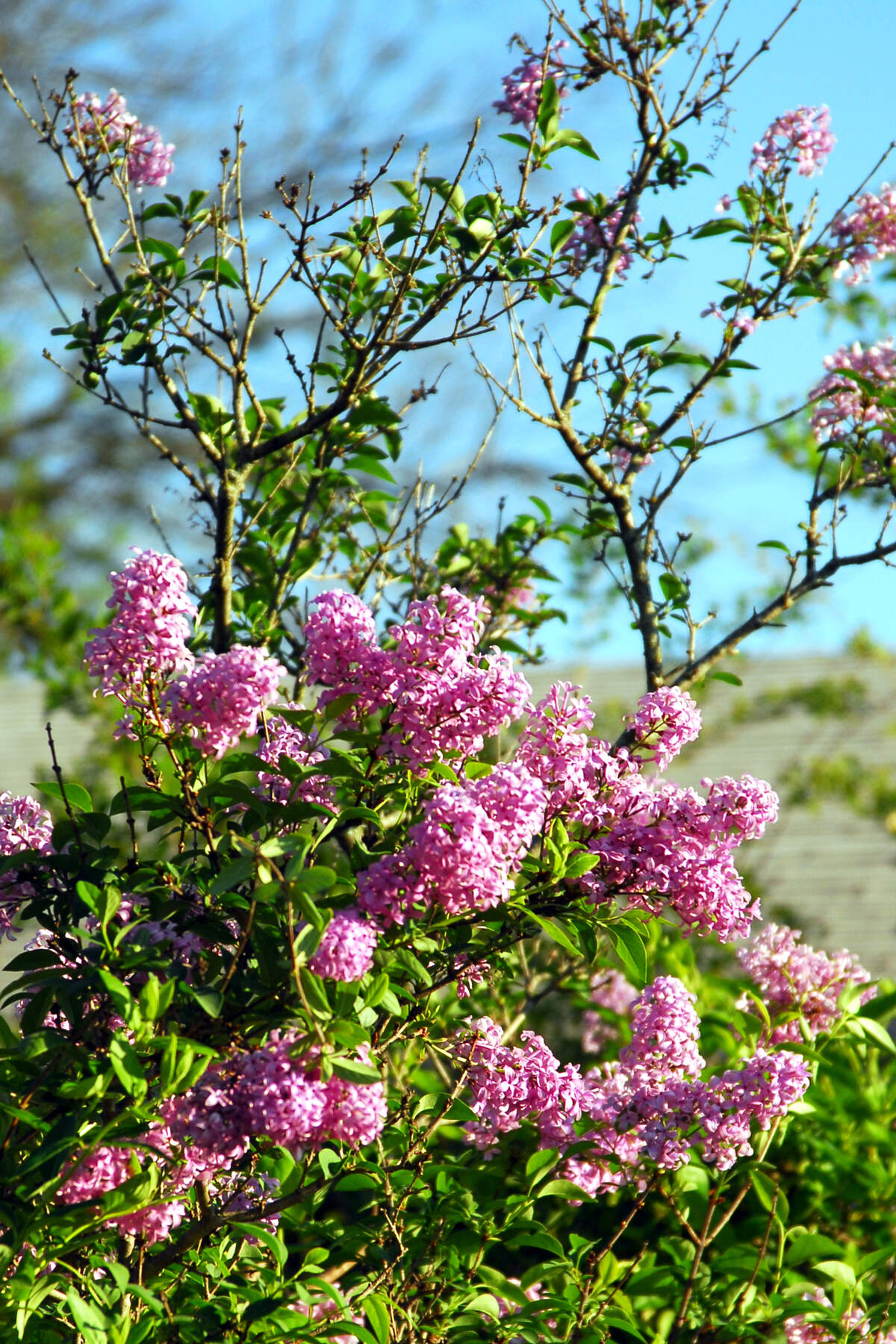
▪ Know your plants well. Northern types like lilacs, peonies, clematis, and rhubarb hit maximum growth potential at cooler temperatures (peaking out in the 80s). They can survive a few days at our near-100-degree highs, but they end up using food reserves so rapidly that their “bank balances” are depleted before the hot weather is gone. That’s why they eventually fizzle. Stick with plants adapted to hot weather.
▪ Early morning (5-9 a.m.) is the best time to water your lawn. Blades will dry out quickly enough that diseases won’t get a start, yet winds will be light and temperatures comparatively cool. There is less loss to evaporation under those conditions.
▪ It’s best to water less often and more deeply when you do water. That will encourage your plants’ roots to grow more deeply into the soil.
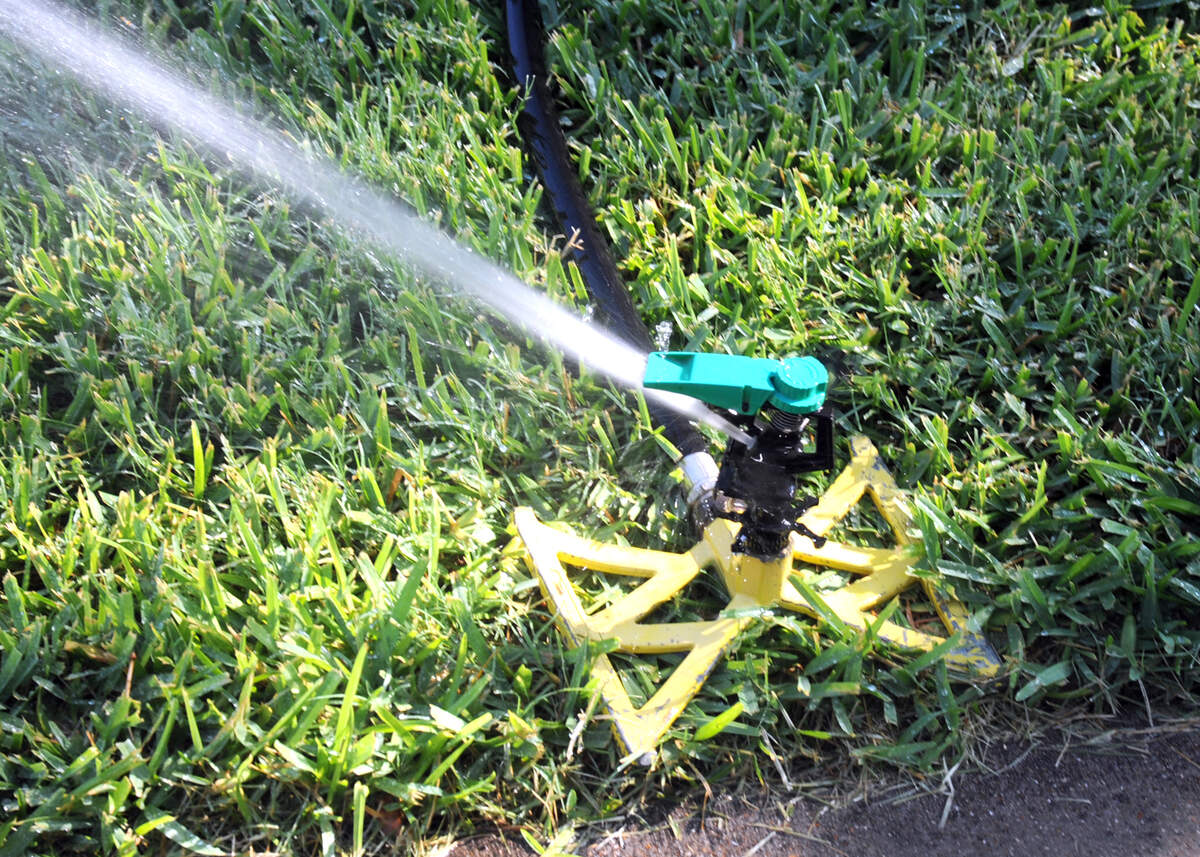
▪ Larger droplets applied close to the ground suffer less loss to evaporation and wind drift than fine sprays spewed up high in the air.
▪ Various parts of your landscape will need differing amounts of water. Factors to consider: soil types, slopes, sun/shade, temperature, winds, and plant types and sizes.
Irrigation system tips
▪ If you’re programming an automatic irrigation system, remember to black out the days when you’re not allowed to water. Those details will be available from your city’s water utilities department website.
▪ If you don’t already have one, it’s time to get a “smart controller” for your sprinkler system. Those measure and monitor rainfall, wind, and temperature. They also factor in soil types, plant species, sun/shade, slope, and other environmental factors before determining how often they should run and which days and hours would be appropriate. They save a great deal of water and money.
▪ Put your entire system through an “irrigation audit.” That’s where you advance the clock through each station as you check each head, the pipe fittings, and the main valve to look for any signs of leaks.
▪ Check all heads to be sure they’re all functioning properly and that they’re all aligned correctly. Raise any that are now shrouded in shrub or groundcover growth or trim foliage as needed.
▪ If you have drip irrigation lines, lines, watch for emitters that have been chewed or pulled loose by thirsty rodents. You may also have to add emitters for plants that have grown larger.
How to care for new trees, shrubs
▪ New trees and shrubs will demand a special form of watering. I’ve been writing about it all spring trying to get you prepared. Their soil balls will dry out much faster than the surrounding native ground around where you have planted them. You’ll need to water them by hand. Use a 42-inch water wand with a water breaker or bubbler. Stand alongside each new plant and soak it deeply. If it came from a 20-gallon pot, give it 20 gallons of water every two days. Adjust proportionately according to pot size.
▪ Pay particularly close attention to magnolias, hollies, and other plants with thick, leathery leaves. They won’t wilt when they’re dry, and you could easily let them go past the point of no return (“permanent wilting point”) were you to opt out of watering for whatever the reason. Just $5 of water might save a $300 holly.
Water conservation tips
▪ While you’re out buying watering supplies, invest in a couple of new hoses. Buy for quality. Nothing is more expensive than cheap hose. It lasts a few months, and it’s undependable in the process. Buy flexible five-eighths-inch hose, probably 50-foot length. Add 25-foot sections for extra length when needed.
▪ Mulches are your friends when it comes to water conservation. They reduce the soil-to-air-contact, so they slow the drying process. They moderate the rate of soil temperature change. Most of all, they prevent or slow the growth of water-robbing weeds in the beds. Organic mulches (bark, compost, etc.) are even better since they also improve the soil.
▪ If you’re trying to conserve water while it’s so hot, avoid high-nitrogen fertilizers until September. They stimulate soft, succulent new growth. There will be plenty of time for that later.
▪ The signs of over-watering a plant are that it is wilted even though the ground is still wet. However, that’s almost never the case here. Thousand times more plants die from under-watering in Texas each summer. If in doubt, you’re better off watering.