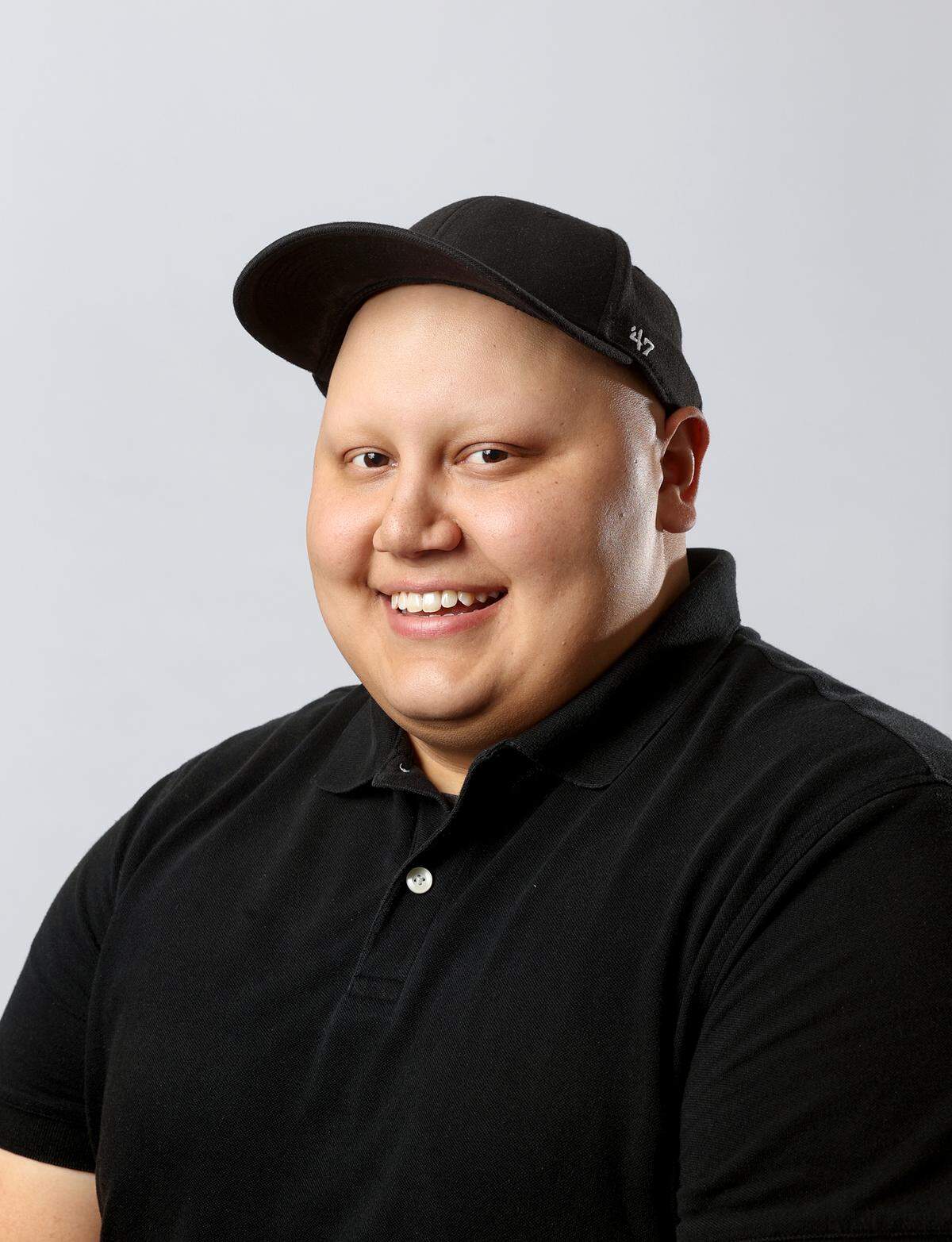
Meet Merced Elizondo, a North Texas filmmaker on the rise
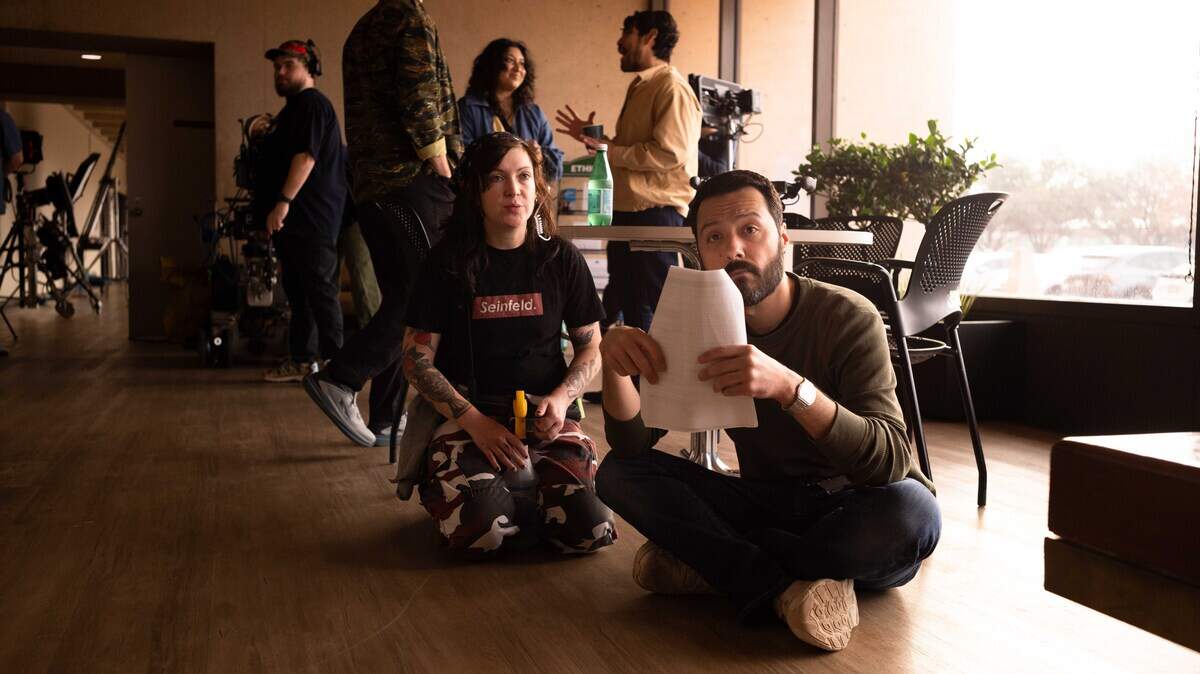
Merced Elizondo sees filmmaking as a purging of the soul.
There are some stories the Dallas native says he has to vomit out or else he’ll feel ill. His 2021 short film “Manos De Oro” was inspired by his father getting sick. The pain of grief powered the picture in 2024’s “The Mourning Of.”
The script for his latest short film, “And Then Everything Turned Itself Inside Out,” which stars a Fort Worth native, was the fastest he’s ever put pen to paper. The film follows a social services agency that intrusively investigates a person’s birthmark to learn who they are and where they’re from.
Elizondo wrote the script last summer, but he said it became more relevant as the February production neared. That’s a scary thought for him, as he feels like the country is at an inflection point.
“[If I] can give you an eagle-eyed point of view of how wrong things feel in this country, then I’ll have done my job,” Elizondo said. “I certainly didn’t set out to do that, at least in the beginning. I set out to tell a story.”
Elizondo shot “And Then Everything Turned Itself Inside Out” over four days earlier this year.
In a world where birthmarks reveal past lives, the film follows Lázaro as he decides whether to uncover the origin of the mark on the back of his neck. Elizondo referenced “Severance,” “Eternal Sunshine of the Spotless Mind” and the 1998 Japanese film “After Life” as comparisons to his film.
“And Then Everything Turned Itself Inside Out” stars Raúl Castillo, Moira Kelly and Fort Worth native Julio César Cedillo, who also appeared in Elizondo’s “Manos De Oro” and “The Mourning Of.”
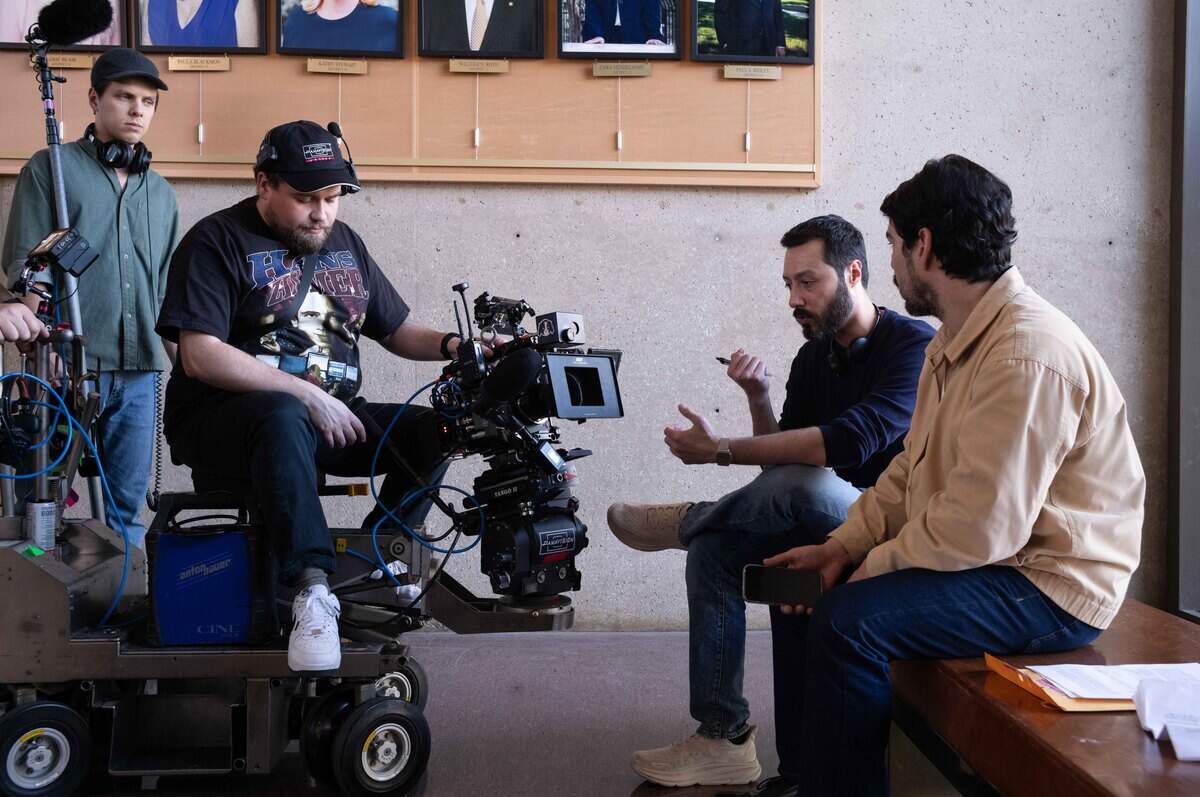
It was a quick four-day shoot for the film — three days at Dallas City Hall and one at Elizondo’s parent’s home. All the footage was captured in Dallas, a place Elizondo says has a lot to offer as a production hub.
“I love the city, the city’s home. My family’s here, my friends are here,” Elizondo said. “I’ve chosen to make a career here. That’s on purpose, because I think the city has a lot to offer.”
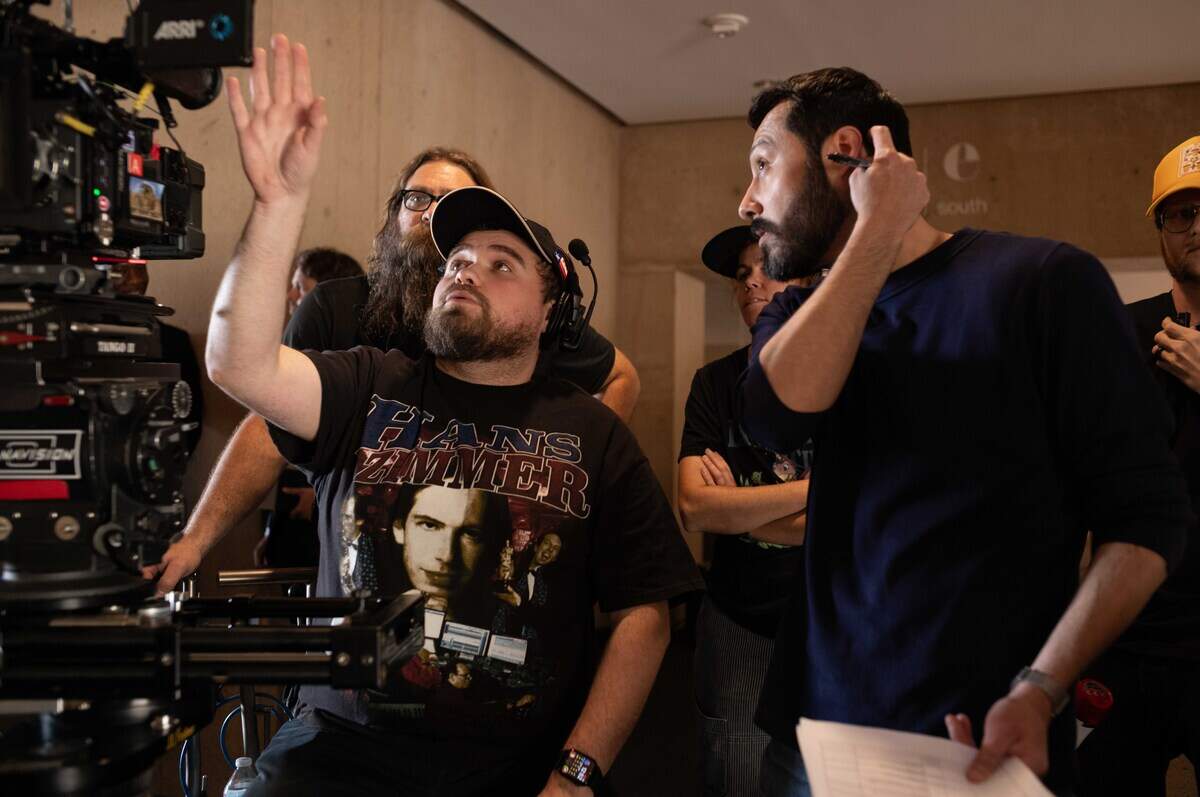
A meteoric North Texas rise
It’s been a busy few years for the 31-year-old filmmaker.
In May 2023, Elizondo filmed “The Mourning Of” in parts of Dallas and Fort Worth. The film follows a woman who grieves the loss of her mother by secretly attending the funerals of strangers.
The 16-minute film proved to be Elizondo’s biggest project to date in both production and acclaim. Over 2024 and 2025, the film played a number of film festivals across the country, including in Dallas, El Paso and Fort Worth.
Internationally, the film also played in Mexico and Ireland.
“That was really special for people all over the world to accept it in the way that they did,” Elizondo said.
In addition to all the festival activity, “The Mourning Of” also landed Academy Awards eligibility after winning the best live action short prize at the 2024 St. Louis International Film Festival.
To qualify for an Oscar, a film must win a top prize at an Academy Award-qualifying film festival and then be submitted to the Academy for consideration. Right after Elizondo won in the Gateway City, his publicist consulted with him about an Oscar campaign.
Campaigning for an Oscar and for political office are closer than folks may think, as they both require tons of face time with voters at events. Elizondo was told it would be an expensive endeavor, but it could be a good investment for his career.
He went ahead, and said it was “wonderful” to elevate his perception as a filmmaker not just in Texas, but across the industry. From September to December 2025, he hit the pavement to spread word about “The Mourning Of.”
The film ultimately did not land an Oscar nomination, but one of the things Elizondo learned from the whole experience is that perception is reality.
At the end of the day, it’s political, Elizondo said. The films with major stars that play the big film festivals like Sundance or Venice simply get more eyeballs on them, which in turn help push whatever narrative the campaign has going.
“It isn’t often the best film that rises to the top, it’s the most film,” Elizondo said.
Latino pride
One of the narratives Elizondo was pushing for on the campaign is that “The Mourning Of” is one of a handful of Oscar-qualifying films made by a Latino cast and crew.
Representation is baked into Elizondo’s filmmaking philosophy, and he said Latinos are more than how Hollywood portrays them. This is not a “Latino movie,” it’s something made by a filmmaker and crew that happen to be Latino.
“I believe that our stories and our culture is just as relevant as anybody else’s,” Elizondo said.
Last summer, Elizondo was invited to apply for the Latino Film Institute’s Inclusion Fellowship, which is supported by Netflix.
His first inclination was to not apply, as he was gearing up for “The Mourning Of” Oscar campaign and thought he was done making short films. He had also begun writing the script for his first feature film.
After some encouragement from friends, Elizondo changed his mind and began working on his application about two-and-a-half weeks before the window closed. In that time, he wrote a script, a cover letter, recorded a video pitch and locked down his budget for the film.
“I just basically hunkered down and wrote something,” Elizondo said.
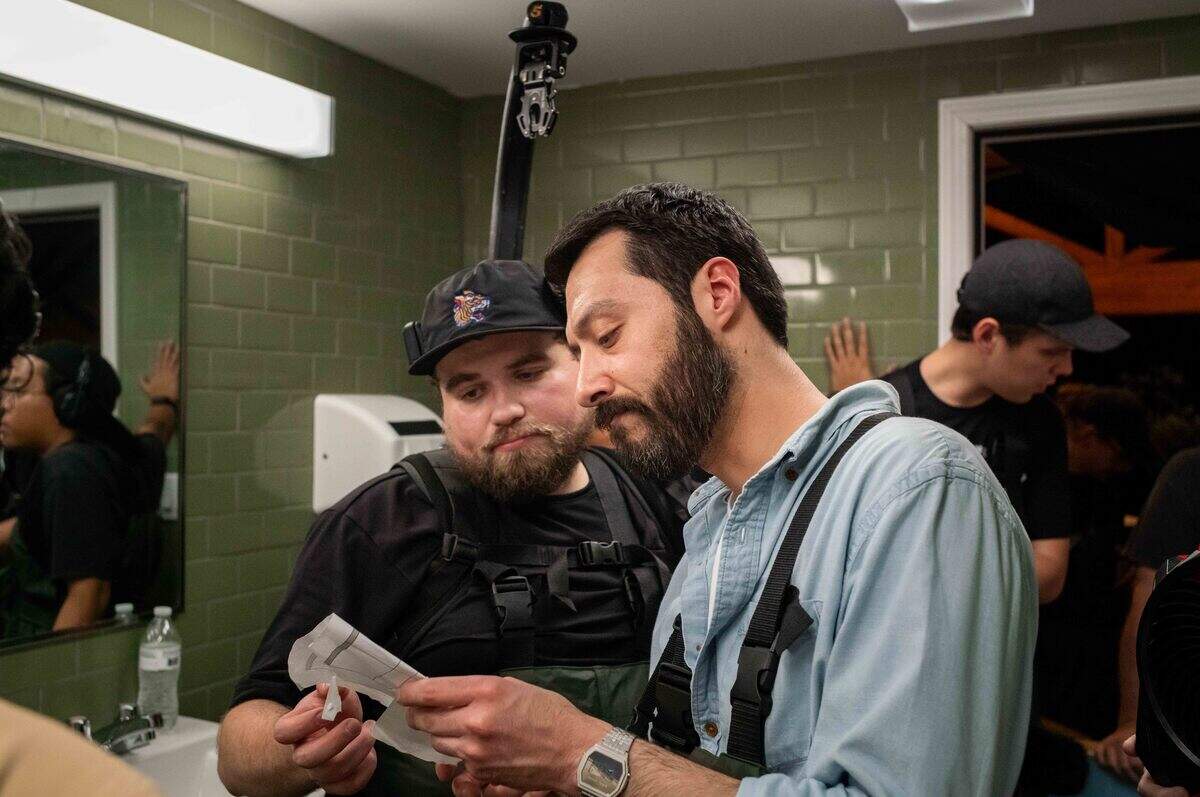
That something stemmed from an idea he wrote down years ago about birthmarks representing who someone is and how they died in the past.
He heard the idea on a podcast and was fascinated by the notion of someone having a mark on their body that could indicate where a fatal wound occurred. Having grown up Catholic, the idea of knowing where someone has been to see where they’re going also racked around his brain.
It all culminated in what became “And Then Everything Turned Itself Inside Out.”
“I just have a general curiosity about things that you’ve never seen before,” Elizondo said. “I’ve never seen a movie about past lives done in that way.”
In October 2025, the Latino Film Institute announced that Elizondo was one of 10 filmmakers selected for the fellowship, which provides mentorship and production grants for live-action shorts.
The program is designed to give filmmakers an idea of what working with a movie studio is like, which includes getting “studio notes.” As the name suggest, these are often remarks or comments from executives or other creatives given to the writer while developing the project.
This was a first for Elizondo, who has always been an independent filmmaker.
“It’s difficult, but I’m glad I did it, man,” he said.
Dallas days
Elizondo’s film has a sci-fi element to it, but he wanted the project to have a grounded surrealism.
There are no aliens or flying cars in this world. Instead, he wanted something more bureaucratic. That’s something Elizondo understands, having had family spend years in a logistical grind trying to land U.S. citizenship.
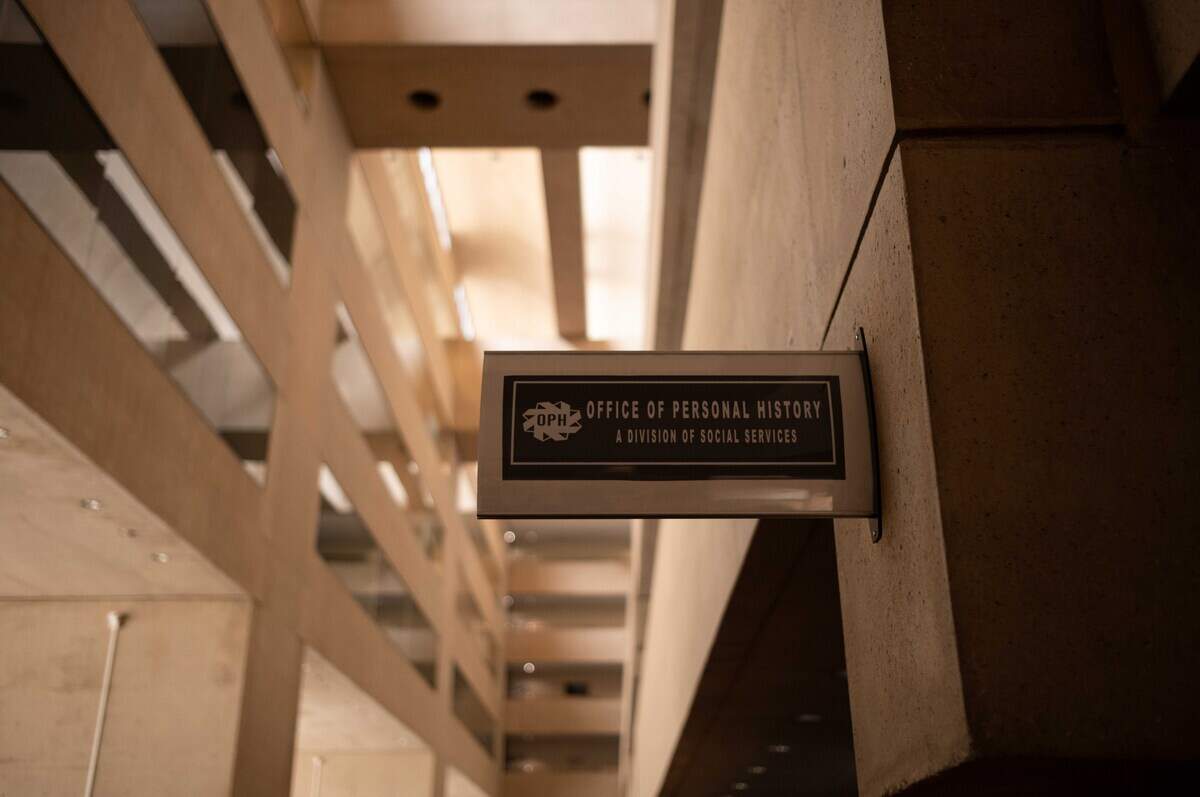
For the film’s social services agency headquarters — the Office of Personal History — Elizondo turned to Dallas City Hall, a building with some family history. His grandfather helped pour the building’s concrete when it was under construction.
Elizondo had an in at city hall, since the Dallas City Council awarded him a special recognition for “The Mourning Of” last fall. He pulled those strings, and after lots of meetings and paperwork, the production got the go-ahead.
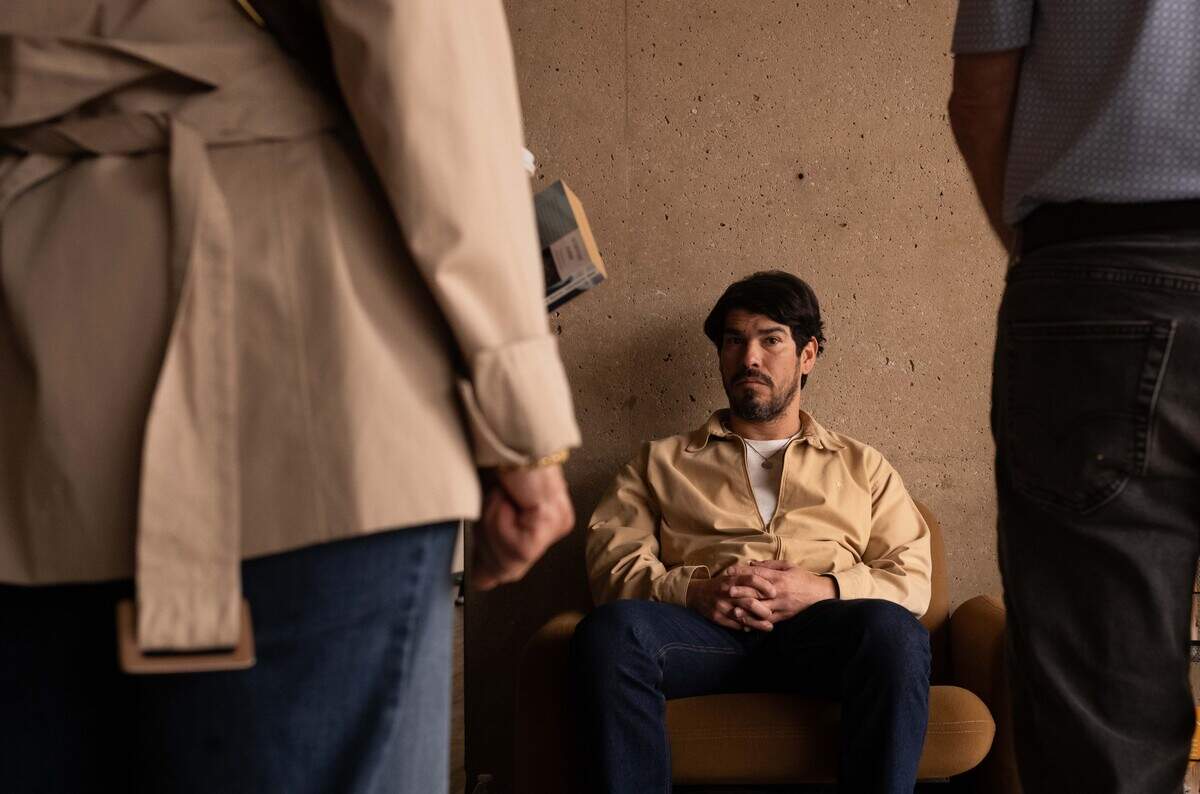
“We’re the first narrative film since ‘RoboCop’ in 1987 to be allowed to film inside of there,” Elizondo said. “I can see why, because it’s really hard to film in there.”
It wasn’t all sunshine and rainbows. A mere 24 hours before he was set to film inside the venue, Elizondo had yet to receive the official filming permit.
There was no back-up plan, since Elizondo knew they had approval to film there. But as the clock ticked forward on that final pre-shoot day with no confirmation, his heart was beating a little fast.
“We got our permit to film at city hall at 5, 6 p.m. the day before we started filming,” Elizondo told the Star-Telegram in March. “It was that to the wire.”
Feature length
Elizondo is turning around “And Then Everything Turned Itself Inside Out” fairly quickly.
There’s a private screening set for the Los Angeles Latino International Film Festival in late May. Since this a private screening, the film will retain its world premiere status if Elizondo wants to take it to other festivals throughout the year, which is the plan.
He’s also gearing up to make his first feature film and has a few ideas hanging around, but is keeping those close to his chest. Filmmakers only get one feature debut, so he wants it to be special and personal.
“I don’t make things just for the sake of making things,” Elizondo said. “I only make things if I damn well have something to say.”
As Elizondo looks to the future, he’s grateful for the past.
He’s made a career in the same place that’s raised him and hopes that message sticks with the future wave of North Texas filmmakers. They don’t have to leave their home for New York or Los Angeles, they can make a name for themselves right here.
Someone is liable to make the movie they want to make in a place they know, rather than start from square one somewhere they don’t.
“Any of those young cats that are looking to make movies and don’t think it’s possible here, I hope that I am a walking representation of the fact that it is possible,” Elizondo said.
This story was originally published April 24, 2026 at 2:38 PM.