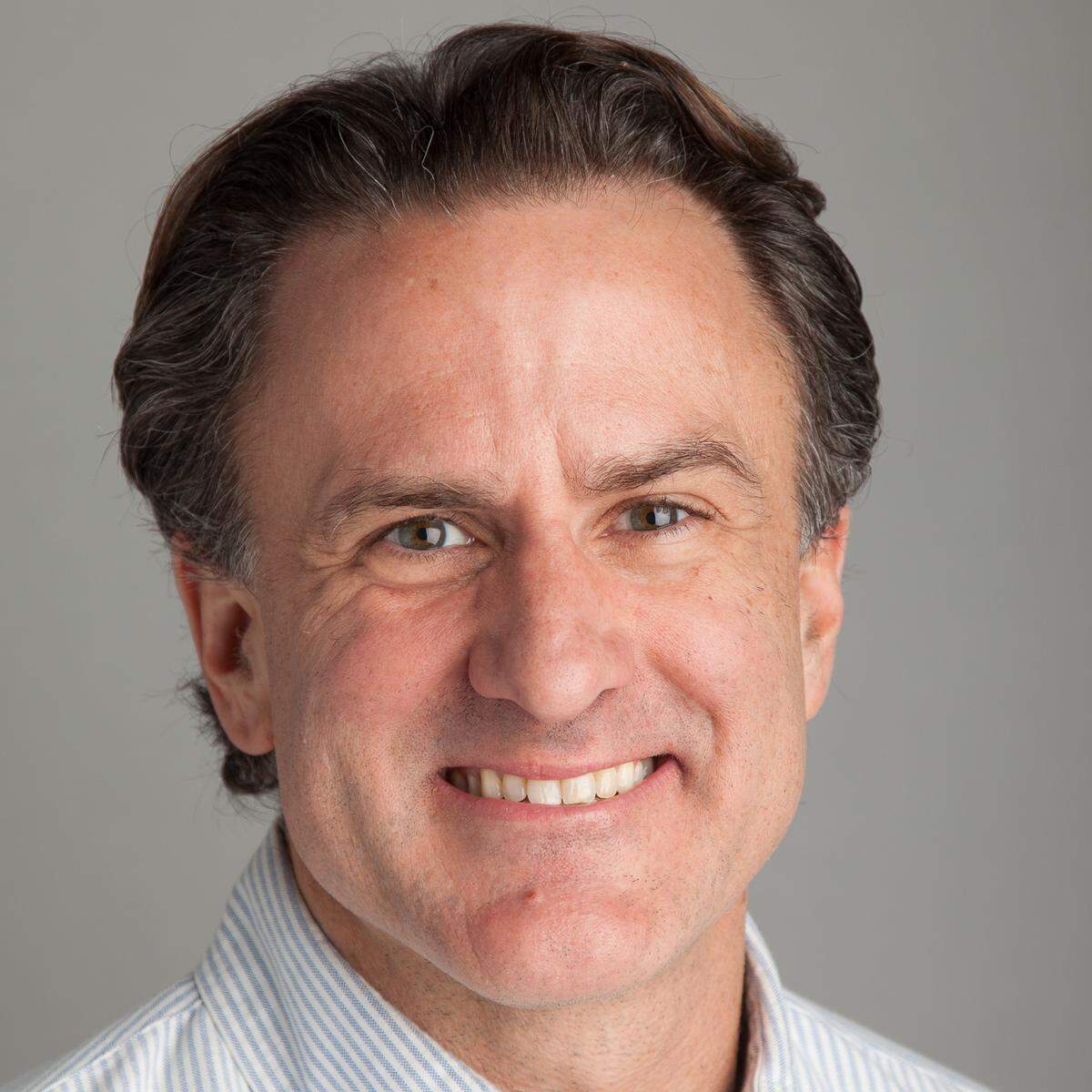
Ron Wright’s legacy includes the Dallas Cowboys moving to Arlington
Ron Wright’s name will not make the Dallas Cowboys’ Ring of Honor, but there is no Ring of Honor in Arlington without Ron Wright.
Although he was the type of staunch conservative who would appear not to endorse public funding for sports venues, on the potential construction of what is now AT&T Stadium on Randol Mill Road in Arlington, Wright made an exception.
Fort Worth-Arlington-Dallas has known its share of devoted, loyal leaders, none any more so than Ron Wright, whose influence and lobbying for Arlington to partner with Jerry Jones is a major reason why the Dallas Cowboys moved from Texas Stadium in Irving in 2009.
Wright, a Republican congressman since 2018, died on Feb. 8 after a fight with COVID. He was 67.
Of the Arlington city officials who endorsed this concept back in 2003 and ‘04, former mayor Bob Cluck is the one who receives most of the praise.
Wright deserves recognition for this one.
Wright was a member of the Arlington city council at the time when bringing the Cowboys to Arlington was in the proposal, and planning, stages.
“When the Cowboys wanted to talk about a new home for Jerry Jones’ team, and the proposal was put together, he declared it would be the most consequential achievement for Arlington to the council,” former Arlington mayor Richard Greene said in a phone interview on Tuesday.
It was Greene who led the city’s proposal and plan to build The Ballpark in Arlington, which opened in 1994.
“[Wright] thought this would be bigger in that it was that many times larger than the ballpark project. He believed it was good for the prestige to have Arlington as the home to two of the nation’s major league [franchises].”
The final cost to build AT&T Stadium came in at $1.2 billion. As Jerry said, “One-point-two biiihlion doollahrs.”
Because of that final price tag, people typically forget the agreement between the City of Arlington and Jerry Jones.
“Arlington was going to pay half the cost. The original proposal to build the stadium was $650 million,” Greene said. “Our end was capped at $325 million. The city would own the facility, and lease it to the Cowboys. It was a fair deal.
“When the cost to build the stadium went to $1.2 billion, the city wound up with a far more favorable position,” he said.
In November of 2004, Arlington voters passed a half-cent sales tax, and a raise of taxes on hotels and car rentals, to fund the $325 million to bring the Dallas Cowboys west.
The reason this measure made it to the ballot was because the city had paid off its bond to fund the construction of The Ballpark in Arlington in only nine years rather than the scheduled 20 years.
The Cowboys were to pay Arlington $2 million a year, five percent of the stadium’s eventual naming rights deal, and $16.5 million for youth programs.
In a Dallas ballroom the night of the Nov. 4, 2004, election, Jerry told a crowd of approximately 500 supporters, “I pledge to you with every asset the Cowboys have, every ounce of visibility, every ounce of interest we have across this country, we will use it to basically make Arlington the city that the citizens deserve.”
When the price went over $650 million, Jerry funded the rest. To obtain the loans he used the Dallas Cowboys franchise as collateral.
Much to the disappointment to Cowboys fans everywhere, apparently Jerry has made good on the debt as he remains the general manager of the team, rather than his daughter, Charlotte, who should be the GM.
Whether the construction of AT&T Stadium has worked out to the level of Jerry’s pledge is in the eye of the beholder.
Like most stadium projects, the immediate area around AT&T Stadium in Arlington has blossomed while the rest of the city is tended to on a case-by-case basis.
Ron Wright was correct in that building AT&T Stadium has aided the visibility, and prestige, of Arlington.
The place has held every major event one can think of, with the exception of a Republican National Convention. That one still escapes me.
The venue is 12 years old, and it has aged gracefully.
Considering the final price tag of $1.2 biiihlion doollahrs, the fact that Arlington only had to cover what became a quarter of the cost was a good deal.
Greene said Wright would later call this project the most consequential of his time with the Arlington City Council.
So the next time you enter or drive by AT&T Stadium, know that Ron Wright made it possible.