From Hal Mumme to Gary Patterson, TCU football’s Sonny Dykes has learned from the best
.JPG "TCU coach Gary Patterson, right, and SMU coach Sonny Dykes, left, talk before an NCAA college football game Friday, Sept. 7, 2018, in Dallas.")
READ MORE
Following a legend
Sonny Dykes has been around legendary coaches his entire life, and he’s now ready to follow in one’s footsteps.
Expand All
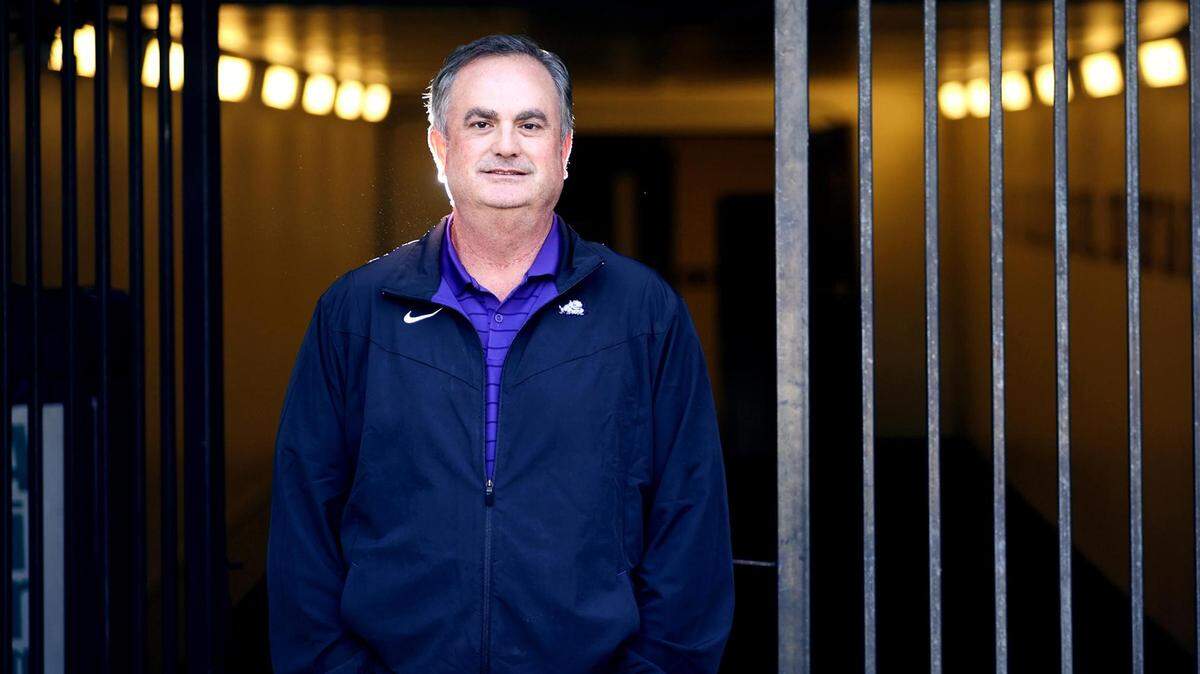
Why Sonny Dykes is seen as the right football coach to follow Gary Patterson at TCU
TCU football’s Sonny Dykes comes from a coaching family, and he married into one, too
From Hal Mumme to Gary Patterson, TCU football’s Sonny Dykes has learned from the best
Dear Coach Dykes: If some TCU football fans seem nervous, there’s a reason
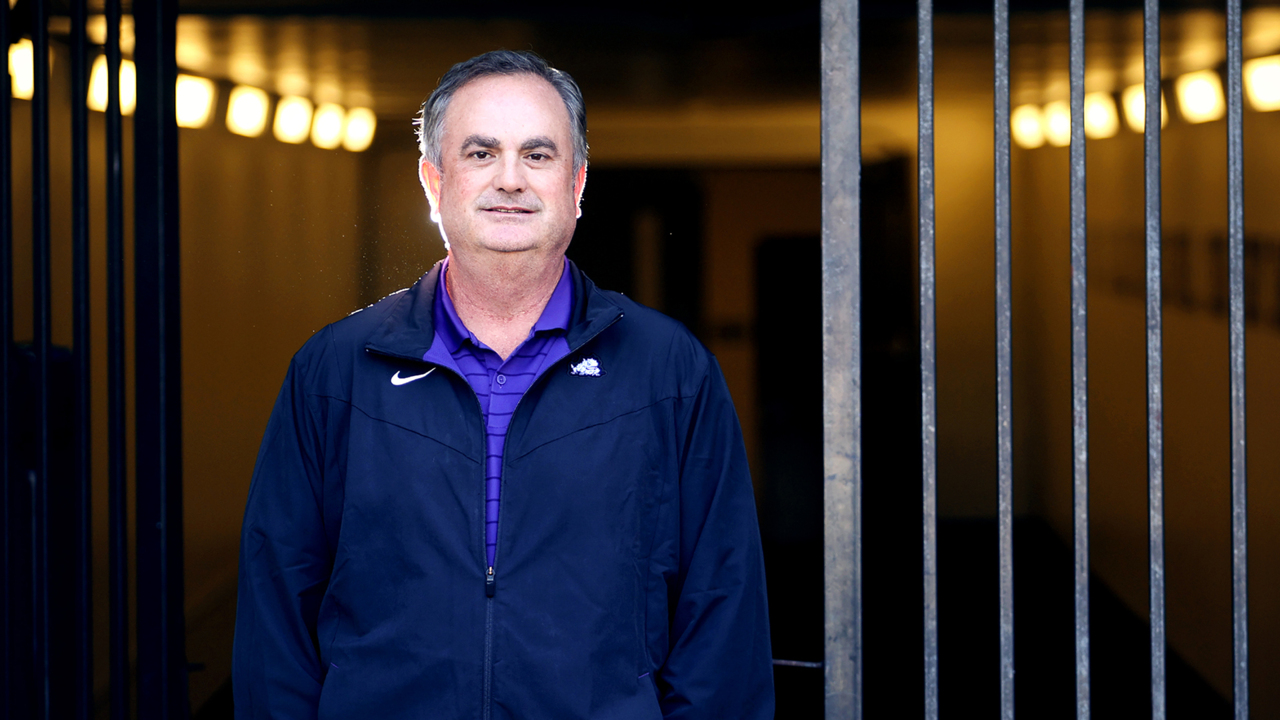
Sonny Dykes talks about what fans can expect next year when the Frogs take the field
TCU football coach Sonny Dykes considers a number of notable coaches as mentors throughout his career. It started from birth with his father, Spike, working his way up the coaching ranks and becoming a legendary coach at Texas Tech from 1986-1999.
The younger Dykes landed his first Power Five assistant job with the godfather of the ‘Air Raid’ offense, Hal Mumme at Kentucky, which is where he first crossed paths with another coach who became known for his offensive mind in Mike Leach. Dykes also had a one-year stint as an offensive analyst under former TCU coach Gary Patterson.
Here’s what Dykes learned from those coaching figures in his life:
On his dad Spike Dykes: “The one thing I’ve learned in my life is you have to be yourself. At the end of the day, that’s the most important thing — is that you’re authentic. Players see through it if you’re not. People see through it if you’re not, so you just have to be who you are. My dad had a real kind of unique personality. He was really outgoing and the big thing I learned from my dad is just to appreciate people. Everybody is important. I think that was the lesson I learned at a very young age.
“It didn’t matter if you were the biggest booster at the university or the guy who did the laundry – everybody was the same in his eyes. Everybody was important. Everybody was worthy. I grew up that way. A lot of my dad’s best friends were folks that cleaned up and did the laundry and worked at convenience stores. Those were all people he got close to and cared a lot about. Some of his friends ran corporations and other guys cleaned up the corporations. It never mattered to him.”
On Hal Mumme, who hired Dykes as a graduate assistant in 1997 and as a full-time assistant in 1999, and Mike Leach, who brought Dykes on as an assistant at Texas Tech from 2000-06: “The one thing I learned from Hal and Mike Leach were those guys were fearless. There was no fear about conforming at all. They viewed themselves as outliers and they were not afraid to try anything and to do anything. The old conventional football wisdom didn’t apply to those guys. I had a ton of respect for that. They had enough belief in themselves.
“People said all the time, there’s no way to do that [Air Raid offense] and those guys did. I also learned from Hal and Mike both the simplicity of football. There’s a misconception the Air Raid is all these plays and all of this stuff. It’s really a methodology of being very fundamental and very simple and executing at a high level. Making it as easy as you can for everybody who plays the position, whether it’s quarterback, running back, offensive line, wide receivers, allowing those guys to play as fast and as free as possible.”
On Mike Stoops, who hired Dykes as offensive coordinator at Arizona from 2007-09: “That was a great experience to see a different structure of how to practice. And just how important it is to play great defense. I learned that from Mike. If you want to be great, you better play great defense. As I’ve said, all you have to do is look at the Big 12 championship and it was the two best defenses in the league. And it doesn’t really matter what sport, whether it’s seventh-grade basketball or World Cup soccer, you better be able to play great defense.”
On Gary Patterson, who hired Dykes as an offensive analyst in 2017 after Dykes went 19-30 in four seasons at Cal: “I kind of needed to reinvent myself as a coach in some ways after my time at Cal. I had an opportunity to go to a couple of different places and this made the most sense. I had admired coach Patterson from afar, but I hadn’t had a chance to be around him up close. I really appreciated him giving me a job and I learned a ton. I don’t think I’d get the SMU job, or had the success we had there, had it not been for a lot of things I learned from Gary. The thing that is so apparent is the passion he had for football. He loved the game. It was almost like he could single-handedly will things to happen just because he was so passionate about it. That’s so important. As coaches and players, you have to be passionate about the game.”