Crockett, Paxton are ideal rivals for Senate. That’s not a compliment | Opinion
AI-generated summary reviewed by our newsroom.
- Jasmine Crockett and Ken Paxton embody partisan combat and personal-brand campaigns.
- Their likely 2026 Senate matchup will center on Donald Trump and tribal appeals.
- Policy gets neglected as parties reward “fighters” over long-term agendas.
Jasmine Crockett and Ken Paxton deserve each other.
They are a perfect match, not in a Hallmark Christmas-movie way, but as comic-book characters who represent the steady degradation of national and state politics.
The Democratic congresswoman from Dallas and the Republican attorney general from McKinney are the parties’ likely nominees for U.S. Senate after Crockett’s dramatic last-minute announcement that she would run statewide in 2026. Paxton has been at it for months, aiming to take down four-term incumbent John Cornyn.
They are perfect encapsulations of their increasingly narrow and common-minded party bases: So-called fighters with few policy accomplishments who define themselves almost entirely based on their relationship to President Donald Trump.
Their matchup would be cocaine for political junkies. The vast majority of Texas voters, though, might want to check into rehab.
The election should be about positioning the nation and Texas for the challenges of the future, which are considerable and mounting. Instead, it’ll be rooted in the past, focused on Trump, and delivered not in thoughtful policy debates but in insults slung on the candidates’ preferred cable networks and social platforms.
Jasmine Crockett’s Trump-focused fire raised national profile
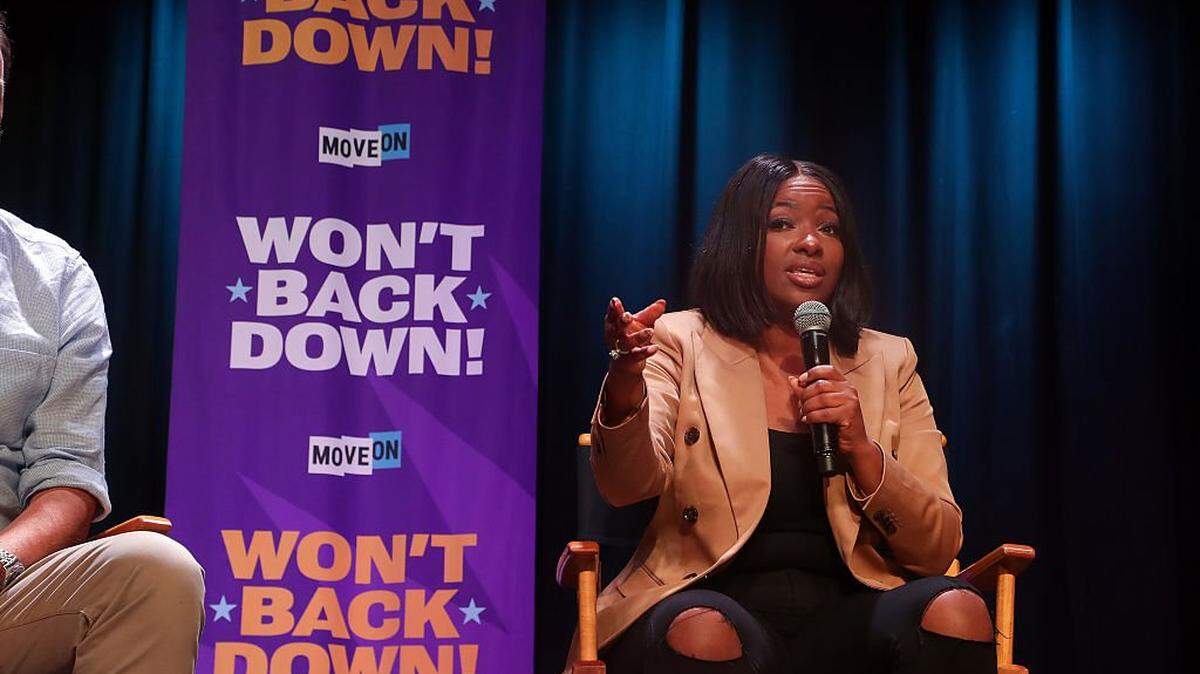
Like her or not, Crockett’s rise to national fame has been impressive. Just five years ago, she won a Texas House seat by fewer than 100 votes in the Democratic runoff. Longtime U.S. Rep. Eddie Bernice Johnson, a Dallas political titan, quickly designated Crockett as her successor. Crockett won the congressional seat twice and drew attention for her blunt attacks on Trump (vice versa) and her celebrated confrontation with Georgia Rep. Marjorie Taylor Greene.
Crockett’s popularity online and with the angriest anti-Trump voters scared off the party’s last Senate nominee, former U.S. Rep. Colin Allred. He bailed out of the race Monday once Crockett’s plan was clear.
She’ll face Austin-area Rep. James Talarico in the primary, and he’s no pushover. Talarico is the latest darling of older white liberals, following in the footsteps of Beto O’Rourke and Pete Buttigieg. His early fundraising was impressive — more than $6 million in just a few weeks.

But Crockett is closer to the party’s most reliable voting base, Black women. And she’ll have no trouble raising money, either. Democrats nationally view a small donation to a Texas Democrat as a lottery ticket that lets them dream about turning Texas blue.
Crockett, announcing her candidacy Monday, tried to balance red-meat partisan appeal with outreach on economic issues. On substance, her speech was a mess. She blamed Republicans for the federal government shutdown that her would-be Democratic colleagues in the Senate caused.
She expressed concern over consumer prices on housing and groceries, blaming Trump after conspicuous silence on a much worse inflation rate under President Joe Biden. She said Trump had overseen a tripling of consumer prices, a ridiculous exaggeration by a factor of hundreds.
Crockett’s initial video touting her candidacy is a hint at how she’ll run. It’s 45 seconds of a lone camera on her. She’s silent as Trump’s frequent insults of her play. The message to Democratic voters is clear: I’m the one who gets under the orange skin.
With Ken Paxton’s Senate campaign, it’s all about Trump
As for Paxton and the Republicans, there were no similar surprises as Monday’s deadline hit for candidates to file paperwork to run. It’s a three-way Republican primary, with U.S. Rep. Wesley Hunt also in the mix.
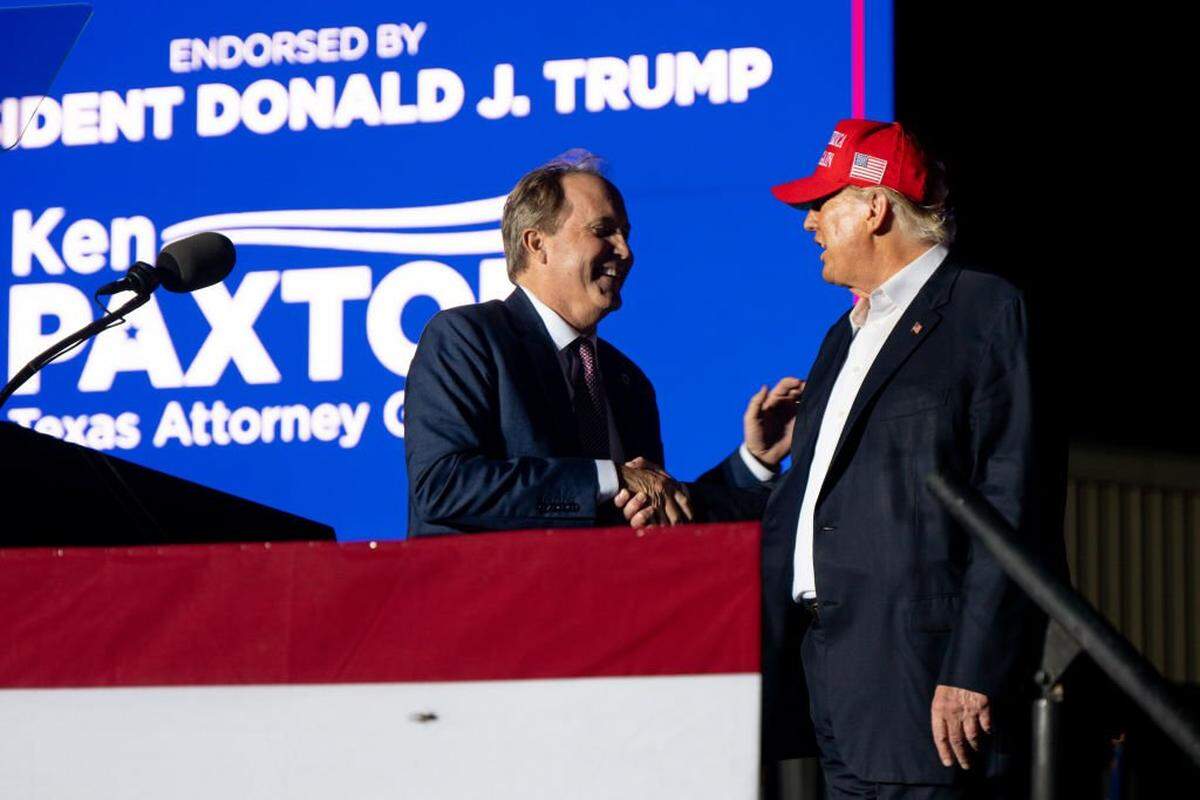
Paxton offers little other than his so-called willingness to fight and his alignment with whatever Trump wants. It’s smart for the Republican primary, but questionable beyond that. Paxton has no answer for what he’ll do when, after just one-third of his first Senate term, Trump is gone.
Does he have an independent thought or policy agenda? Is there anything that might make him stand up and disagree with the president — who, don’t forget, is dropping in popularity nationwide and Texas?
Plenty of conservative voters will see that level of loyalty as a virtue, which helps Paxton, because he sure doesn’t have many others. His three terms as attorney general have been marked by scandal, corruption and frightful expressions of legal power of the type Republicans used to oppose.
And yet, more Texans will almost certainly choose the candidate with the R by his name. Better a flawed R than a crazy D, they will reason.
It’s less of a guarantee than many statewide races in the GOP’s 30-year dominance of Texas. An open seat is always more competitive. Some Republicans and independents will find it impossible to vote for Paxton. There’s a reason that the only opponent Crockett mentioned by name Monday was Cornyn; she wants Paxton to win his primary.
Democrats might have a better shot with a candidate who, instead of dropping bombs, could make the case that even voters who love Trump should think about what Texas needs in the long term.
Because that list is not short. Social Security is approaching a fiscal crisis. A secure and affordable energy supply is a constant challenge in the age of data centers. The U.S. risks losing the artificial intelligence and robotics races to China. And then there are problems specific to Texas, such as the literacy crisis in our public schools.
But the base of the Democratic Party, like its GOP counterpart, wants anger, confrontation and to “own” the other side. Both will get what they want. It’s the defining feature of the political era.
It’s why Allred had to drop out despite his credentials — he tried to pivot from reasonable moderate to rage-filled fighter, and it was a suit that just did not fit. Republicans were not-so-secretly thrilled and will be salivating to see Crockett lead the Democratic ticket.
What does it mean when the parties are committed to nominating candidates the other side wants to face most? Here’s a hint: It ain’t good.