Socialist mayors? Free stuff? We must teach kids why capitalism works | Opinion
AI-generated summary reviewed by our newsroom.
- Polls show many young voters favor socialism amid economic frustrations.
- Government subsidies and rules distort markets and raise prices in housing and education.
- Teach capitalism via programs like Junior Achievement to show opportunity.
It’s that magic time when young people draw up lists so a stranger can deliver everything they want: expensive gifts provided by someone else, no strings attached.
Move over, Santa. All the kids want for Christmas this year is socialism.

Alarming polls show that young voters are falling hard for government goodies. In one, 62% of respondents ages 18-29 had a favorable view of socialism, and one-third had warm fuzzies about communism, a scourge that the West gave considerable blood and treasure to vanquish.
Many are channeling frustrations at the perceived failures or limitations of capitalism. They aren’t old enough to have seen the ravages of communism upon eastern Europe. They don’t know enough history to understand that the tremendous spike in human flourishing that accompanied industrialism and the freeing of markets was no mere coincidence.
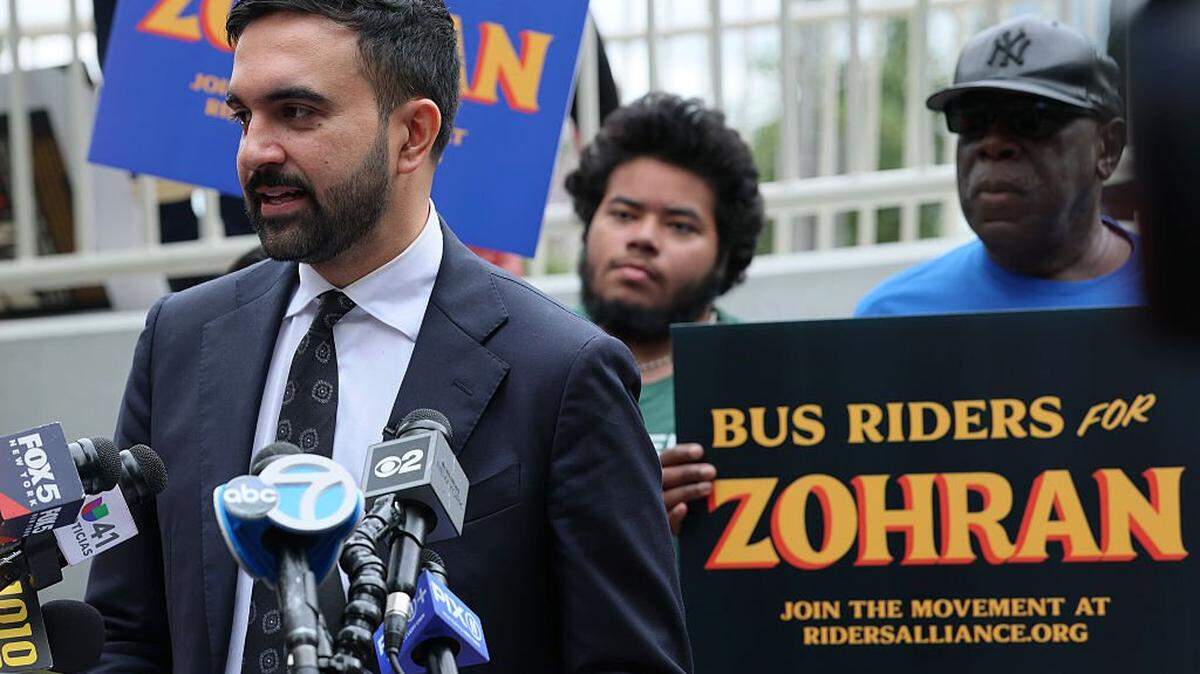
Socialism never went entirely away, of course, even when the Soviet Union collapsed. But this surge is alarming for its breadth and early successes. Everyone knows about New York Mayor-elect Zohran Mamdani. Seattle also elected a self-styled “democratic socialist,” Katie Wilson, to head City Hall.

Plenty of bad spread-the-wealth ideas are flourishing elsewhere. In Chicago, Mayor Brandon Johnson wants a “head tax” requiring corporations to pay a monthly fee for every person they dare employ. He might as well call it the “Send Jobs To Indiana Act.”
Some on the right scoff that those progressive cities are asking for what comes next. As H.L. Mencken said: “Democracy is the theory that the common people know what they want and deserve to get it good and hard.” The disasters sure to descend on those coastal know-nothings will eventually redound to capitalism’s credit, some argue, and push socialism back into the shadows.
Maybe. But if we can avoid human suffering, we should. Young voters’ views of their economic prospects, real or perceived, will not be easily altered. We should start now.
Capitalism: So successful we don’t even see it anymore
The successes of capitalism are so baked into the American story that it’s often easier to see the problems that remain.
Nothing in human history has alleviated more poverty and misery than industrialization and capitalism. Liberating and rewarding creativity and problem-solving raised living standards around the world. In the United States, the abundance of food, advanced education and opportunity for success are unprecedented in human history.
We still have poverty and want. But modern poor Americans live better than any low-income people at any other time and place.
It’s so manifestly true that we generally ignore it. The problems of our modern economy — inflation, increasing obstacles to home ownership, concerns about stagnant wages and jobs lost to technology — get more attention. Fairly or not, success raises expectations.
To a 25-year-old, the economy might seem broken. In that person’s lifetime, the country had a protracted financial crisis, incomes flatlined, manufacturing jobs fled American communities and the price of just about everything jumped in just a few years.
When a charismatic leader such as Mamdani promises easy fixes — free buses, government grocery stores — why wouldn’t young people, who tend to struggle financially anyway, listen?
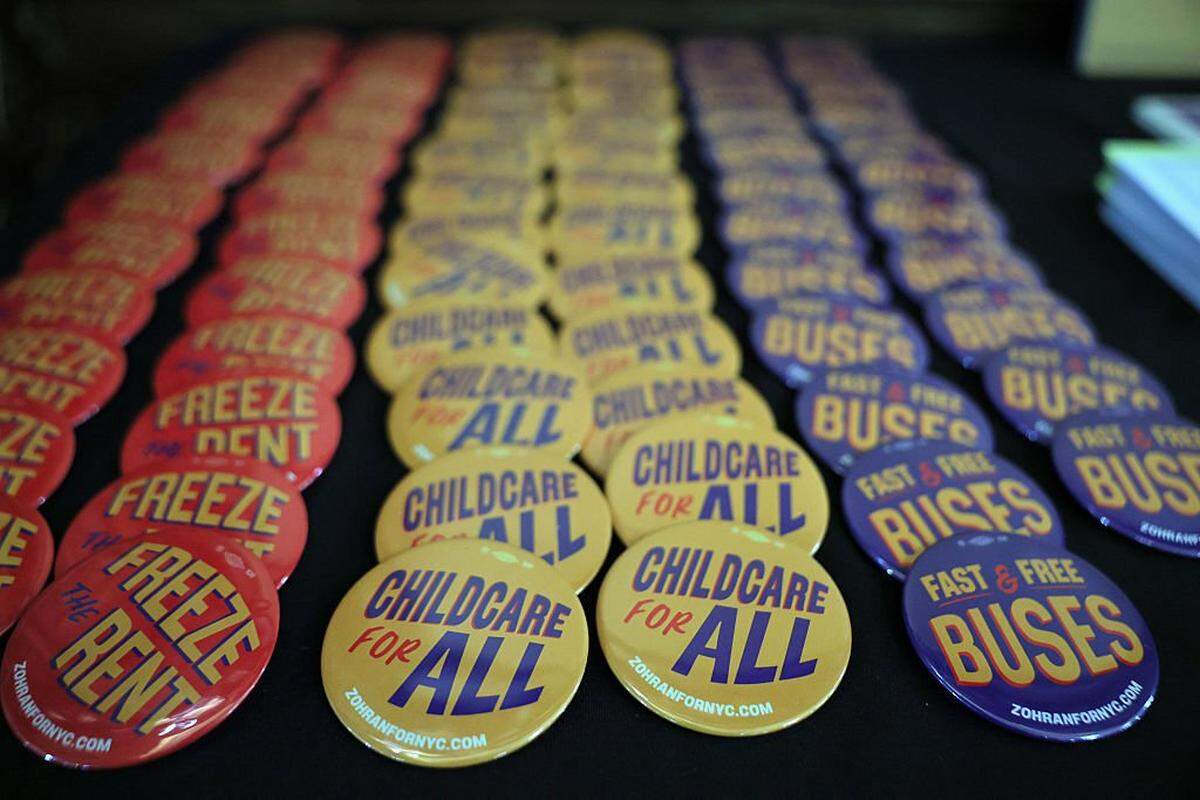
It’ll take a sustained education effort to reverse the trend, along with real-world demonstration. What’s broken in capitalism can be most effectively and efficiently fixed by capitalism itself, not government. When the state inserts itself, primarily through regulation and big spending, it distorts the corrective mechanisms inherent in free markets.
Democrats frequently offer subsidies, tax credits and other government programs to alleviate the cost of, say, housing. There are some worthy breaks designed to help those in dire economic circumstances or to encourage certain behaviors. But artificially injecting more money often raises prices. A $25,000 government credit to buy a house sounds great; all it really does is provide incentive for builders or owners to demand that much more.
Instead, let’s lay out all the reasons that the price to buy or rent a home rises. States and cities make building more difficult (and thus more expensive) through zoning rules or environmental restrictions. Policies that deter energy production raise the price to transport construction materials. And the mere process of getting necessary permits to build is daunting.
We can point to so many examples of government bucks and bossiness distorting markets: Pricing in higher education, where gushers of federal money flow, is completely irrational. We’ll need years to untangle the mess made in the car market by progressive efforts to promote electric cars consumers largely don’t want.
As for government-run grocery stores, Mamdani’s plan seems to rest on the idea that grocers currently don’t leverage the power of buying in bulk. That’s adorable.
In 1989, Soviet leader Boris Yeltsin, a committed communist, began to question his country’s system when he saw the incredible selection and value at a typical Houston supermarket. The Soviet Union fell two years later. Not enough kids know the story or that in communist economies, you’re lucky to get products at all, let alone the range available in almost any American store.
Programs like Junior Achievement promote work, free market
Perhaps capitalism’s biggest selling point is its dynamism and opportunity. Socialism, especially the variety that turns into totalitarian communism, imposes equality more by dragging people down than lifting them up. But in America, stories abound of those born into the humblest circumstances reaching incredible heights.
It can be hard for some young people to see themselves climbing that mountain, however, particularly if they live in communities where it’s less common.
How do we show them what’s possible? That’s where organizations such as Junior Achievement come in.
The business-supported, volunteer-fueled group has, for decades, taught students the benefits of entrepreneurship and a goal-oriented mindset. While it doesn’t push any particular political or economic philosophy, it exposes kids to what it takes to succeed in business and the workforce.
It introduces them to achievers who are like them and provides real-world examples of professional triumphs, said Cindy Hames, president of the group’s Fort Worth-based chapter, Junior Achievement of the Chisholm Trail.
Youngsters learn how to develop a product or service, set a price and market it, she said. But they also pick up what we’ve labeled “soft skills” — Hames calls them “power skills” — for making your way in the workplace. Of particular importance now is improving communication, Hames added, because “so much of what they do is done behind a screen.
“Our goal is not to go and necessarily create new entrepreneurs but to create that entrepreneurial mindset — how to problem-solve, think on their feet,” Hames said. “Part of what we’re trying to do is help students see possibilities and be proactive, that they can go create their future. … That’s what America was set up for, right?”
She described a recent career day at a school with a predominantly Hispanic population. One of the speakers, a Realtor, was a Hispanic woman.
“It’s not just what we teach, but who we bring in and how we teach it,” she said. The group also arranges for students to visit businesses to see how people like them work jobs they may not have considered. “It takes the scary away,” she said.
Hames also recalled a young woman who was studying cosmetology in high school. The girl surprised Hames by explaining that she didn’t necessarily want to own a salon; she sought to develop money-earning skills to pay for the education needed to become a nurse.
Under socialism, her reward would be to pay more taxes and face regulatory obstacles to working in either field — and to earn an artificially set wage at a government hospital or clinic.
But who’s ultimately more likely to be successful: that young go-getter finding her own path or someone who incurs tons of student debt and hopes a benevolent government will glide in to pay it off?