On free speech, listen to this Tarrant County jury over AG Pam Bondi | Opinion
AI-generated summary reviewed by our newsroom.
- A Tarrant County jury convicted a pro-Palestinian activist of vandalism but not a hate crime..
- The decision affirmed political speech protections under First Amendment law.
- Attorney General Pam Bondi's statements reflect a misunderstanding of free speech basics.
As the country dives deeper into a debate about speech, hate and consequences, the way a Tarrant County jury recently got it right on these issues deserves more attention.
Especially because it’s something the attorney general of the United States could not do.
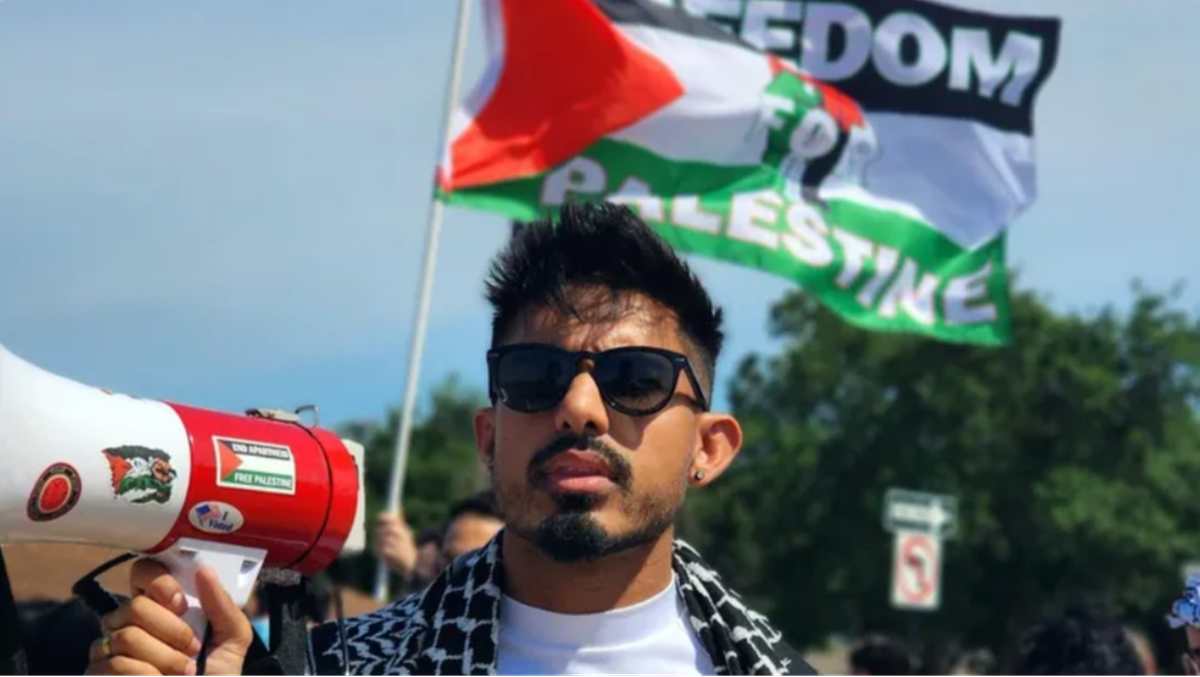
Raunaq Alam, a 32-year-old North Texas pro-Palestinian activist, was convicted of spray painting an expletive targeting Israel on the building of a Euless nondenominational Christian church. But the jury acquitted Alam on a hate-crime charge that could have sent him to state prison for years. Instead, he’ll serve 180 days in the Tarrant County jail and five years on probation for a felony criminal mischief conviction. That’s a fairly stiff sentence, but the jury’s nuanced decision is an important statement against an attempt to punish speech, not just vandalism.
What Alam did was vile. The current war is a tragedy for Palestinians, but Israel was the victim of a terrorist assault on Oct. 7, 2023, that, in scale to the size of the countries, was larger than the Sept. 11 attacks on the U.S. And some criticism is driven by hate: For instance, the frequent targeting of Israel by bodies of the United Nations, disproportionate to its size by a factor of hundreds, is unquestionably antisemitic.
But general criticism of Israel or its government is not. In fact, the content of Alam’s opinion, while vulgar, is exactly what the First Amendment is primarily intended to protect: unpopular political speech.
Some protestations of Israel do rise to antisemitism, particularly when ordinary Jews are blamed for the country’s actions. Free speech does not include the right to terrorize or, in this case, spray paint on someone else’s building. Alam should pay a price for that.
But the Tarrant County jury that decided his case deserves a hat tip for rejecting the attempt by the District Attorney’s office to punish the content of speech.
Perhaps even more impressive is that this panel of ordinary citizens understands the issue better than Attorney General Pam Bondi.
When conservative activist Charlie Kirk was murdered Sept. 10, an unfortunate number of people said ugly, hurtful celebratory things. In this country, you get to do that.
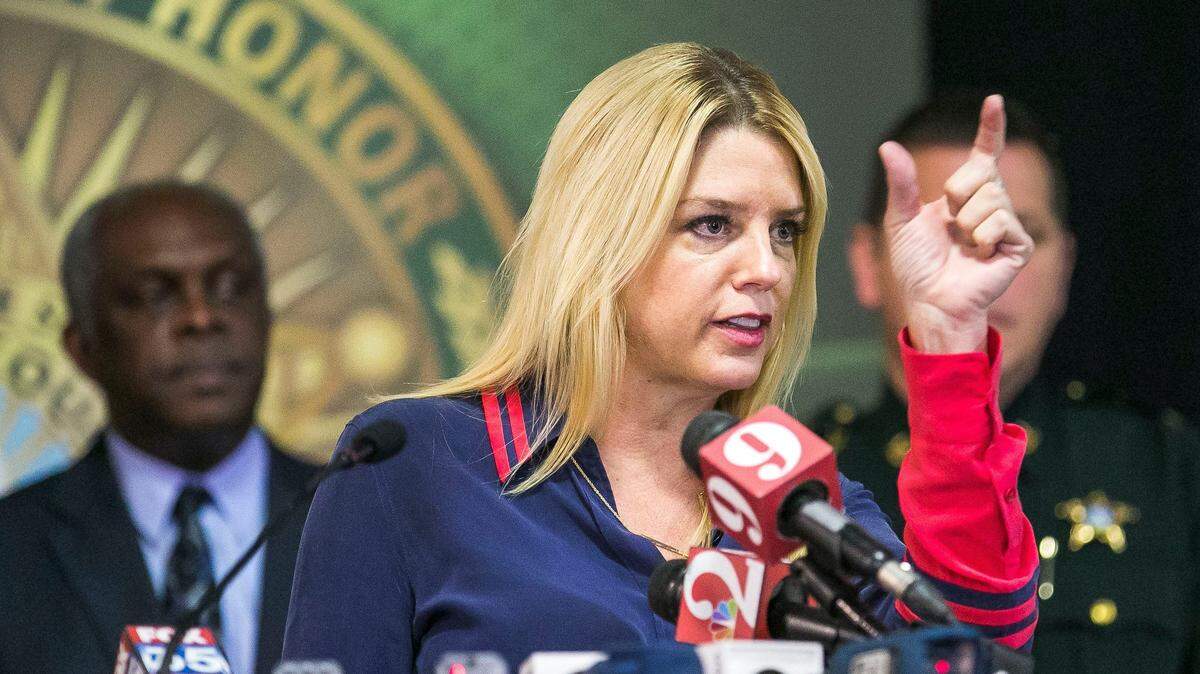
A few days later, Bondi said on a podcast: “We will absolutely target you, go after you, if you are targeting anyone with hate speech — and that’s across the aisle.”
She added: “There’s free speech, and then there’s hate speech.”
Hoo boy. That statement is so wrong, high schoolers know it (or should). No one could graduate law school believing it. And the idea that someone could become a state attorney general and then the nation’s top law enforcement official and still utter those words is terrifying.
The Supreme Court has made it perfectly clear that “hate speech,” which is in the eye of the beholder anyway, is protected under the First Amendment. Government would have to define what’s hateful, and that contradicts the entire point of protecting speech.
Speech that extends into incitement of violence or a direct threat can be a crime, but those instances are rare because the court has set such high criteria for prosecutions in that case. The threat must be specific and credible, and typical political hyperbole is excluded. Inciting others to violence must include a direct call for imminent harm and the likelihood that those listening will carry out the speaker’s intentions.
Gleeful social media posts on Kirk’s death are ugly, and the vast majority of us might think they are hateful. What they are not is illegal.
Bondi later wrote on X: “Hate speech that crosses the line into threats of violence is NOT protected by the First Amendment. It’s a crime. For far too long, we’ve watched the radical left normalize threats, call for assassinations, and cheer on political violence. That era is over.”
That’s a bit of a walk-back, but it still doesn’t acknowledge the specific significant hurdles that must be cleared to make such cases. Having considered it and no doubt discussed it with advisers, this is the best Bondi could do?
Hate-crime laws in general are more complicated. It’s still a dangerous step down the road of punishing thought. But there are clearly instances when violence is meant to intimidate an entire group, and having enhanced punishments to discourage that may well be necessary in a pluralistic society.
But those and other laws should never be used to oppress political speech, even if only by dint of vague suggestion. We should be proud that 12 of our citizens upheld that principle in the face of a bilious action.
And we should be deeply concerned that they apparently know the spirit of the law better than the attorney general.
This story was originally published September 20, 2025 at 4:55 AM.