
Texas leaders shouldn’t hunt teachers over comments on Charlie Kirk | Opinion
AI-generated summary reviewed by our newsroom.
- Texas Education Agency pledges to investigate teacher comments on Charlie Kirk’s death.
- A free speech backlash risks turning political leaders into social media enforcers.
- We need restraint and grace because cancel culture worsens political division.
This is a fraught moment for America’s public discourse. Many leaders of institutions both public and private will face difficult decisions on dealing with an employee’s harsh or controversial comment or online post about the killing of Charlie Kirk and its aftermath.
One thing we can say for certain, though: It’s a bad idea for the Texas Education Agency — and, by extension, the state’s political leaders — to turn into the social media police when it comes to public school teachers.
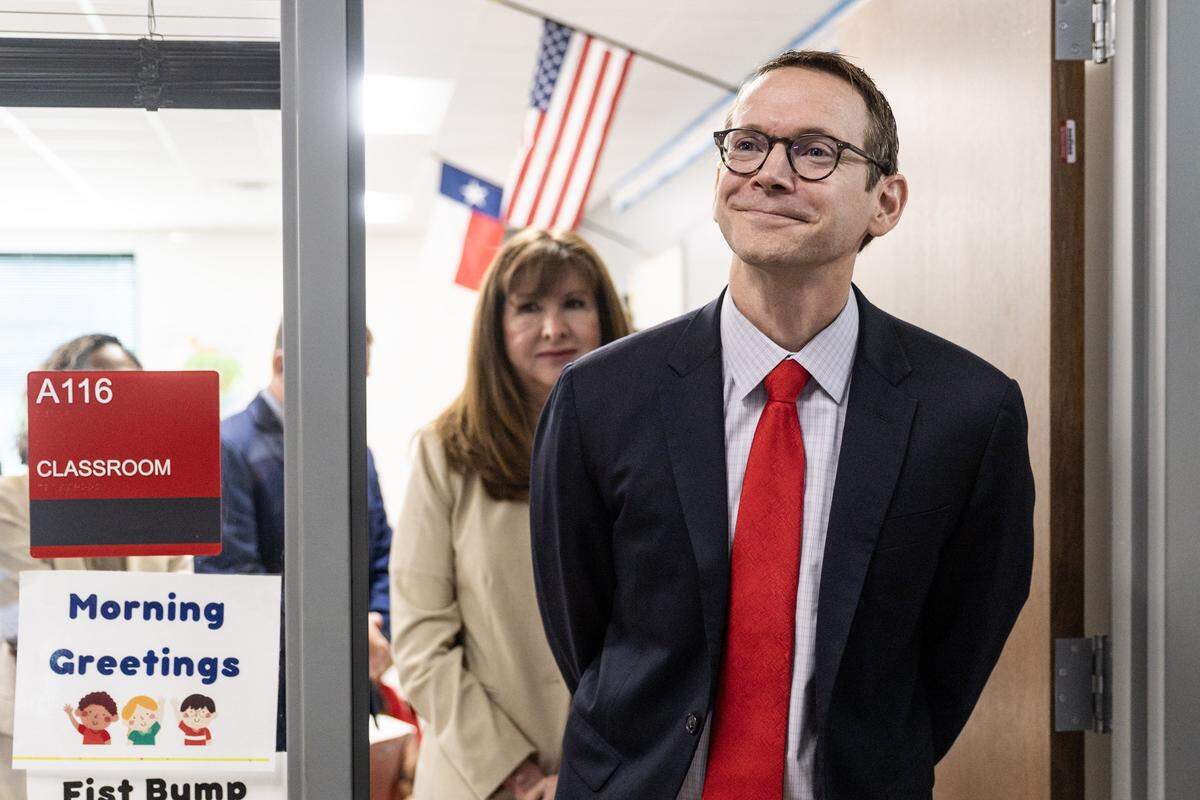
That’s essentially what Education Commissioner Mike Morath has promised, though. In a letter to school superintendents, released publicly, Morath says the agency will investigate any questionable comments about Kirk for possible violations under the state’s education ethics policy. He urges them to report any inappropriate conduct through an online portal.
His guidance is part of a troubling trend of increasing attempts to destroy the livelihoods of people who make comments that, while often distasteful, are legally protected speech. No, free speech does not come without consequences. People who celebrated Kirk’s death — a small minority, but more numerous than any of us should feel comfortable with — will bear those consequences as companies, governments and other institutions decide what constitutes a fireable offense, even if mainly for the reason of deflecting controversy.
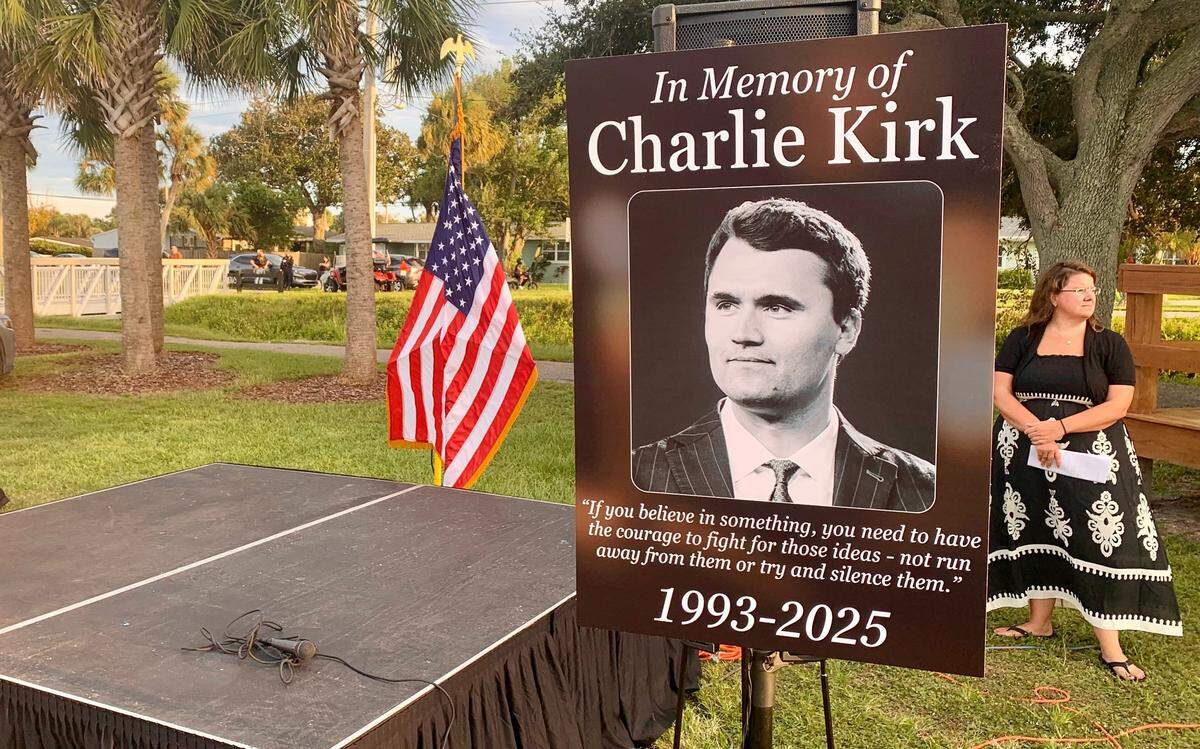
But the crusade against criticism of Kirk, who was a deliberately provocative activist, particularly in his younger years, smacks of the very cancel culture that emanated from the left for many years. Conservatives decried it when someone deemed on the wrong side of a debate found their lives turned upside down. Two wrongs don’t make a right.
Morath knows, of course, that teachers work for individual districts, not the state. Leaders of those districts (Texas has more than 1,200 districts and charter schools) will have to consider their communities and the specific content and decide how to proceed.
We’ve seen something similar in Fort Worth schools. In 2019, tweets urging a crackdown on illegal immigration in the district prompted the firing of Carter-Riverside High teacher Georgia Clark because, district officials said, they were disruptive to the classroom and campus. Morath overruled the district, saying that Clark was entitled to keep her job. Fort Worth ISD ultimately won in court.
When the state gets involved in such a case, it casts a large shadow. Politicians and agencies should resist the urge to dedicate investigative resources to crass comments, unless the speaker intends to incite imminent violence and makes statements likely to do so. That standard, set by the Supreme Court, is a high bar to meet, as it should be.
Sadly, there are nonetheless plenty of people capable of political violence who should draw investigators’ attention instead. Celebrating violence, while vile, falls short of the standard.
Social media makes it easier for people to be obnoxious
In the social media era, it’s far too easy for people to express noxious opinions that they probably wouldn’t voice out loud in person, especially to strangers. We need more simple decency, but most offenders won’t and shouldn’t pay a legal cost.
Should they pay a social one? Some will, especially if their employers fear losing customers or angering donors. But in general, the fewer people whose livelihoods are destroyed for mere words they said, the better.
That’s in part because redemption is harder than it used to be. The internet is forever.
A regular mantra after Kirk’s murder has been the need to reduce the temperature in politics, to calm the seething rage that led us here. Anyone who is serious about that must be willing to extend at least a little grace. One way to do that is to not judge them entirely by their worst moment.
We do that not necessarily for those people, but for ourselves. Free speech is not just a legal matter. We also must have a culture that embraces freedom and robust debate. When someone goes too far, it’s often best to err on the side of forgiveness, not persecution.
BEHIND THE STORY
MOREHey, who writes these editorials?
Editorials are the positions of the Editorial Board, which serves as the Fort Worth Star-Telegram’s institutional voice. The members of the board are: Cynthia M. Allen, columnist; Steve Coffman, editor and president; Bradford William Davis, columnist and editorial writer; Bud Kennedy, columnist; and Ryan J. Rusak, opinion editor. Most editorials are written by Rusak or Davis. Editorials are unsigned because they represent the board’s consensus positions, not necessarily the views of individual writers.
Read more by clicking the arrow in the upper right.
How are topics and positions chosen?
The Editorial Board meets regularly to discuss issues in the news and what points should be made in editorials. We strive to build a consensus to produce the strongest editorials possible, but when we differ, we put matters to a vote.
The board aims to be consistent with stances it has taken in the past but usually engages in a fresh discussion based on new developments and different perspectives.
We focus on local and state news, though we will also weigh in on national issues with an eye toward their impact on Texas or the Dallas-Fort Worth area.
How are these different from news articles or signed columns?
News reporters strive to keep their opinions out of what they write. They have no input on the Editorial Board’s stances. The board consults their reporting and expertise but does its own research for editorials.
Signed columns by writers such as Allen, Kennedy and Rusak contain the writer’s personal opinions.
How can I respond to an editorial, suggest a topic or ask a question?
We invite readers to write letters to be considered for publication. The preferred method is an email to letters@star-telegram.com. To suggest a topic or ask a question, please email Rusak directly at rrusak@star-telegram.com.
This story was originally published September 17, 2025 at 10:56 AM.