I bet my future on ear wax. Fort Worth tech incubator helped make it work | Opinion
On Jan. 2, 2015, a FedEx envelope arrived with termination papers ending my career as an executive at Alcon. For me, the choice was simple: take another corporate job or bet on myself. I bet on myself. And the bet was on ear wax.
It was not an obvious choice. But every doctor and patient I talked to said the same thing — a market category that affects almost every American had been overlooked for 50 years. Tell people you make ear care products, and they don’t change the subject. They lean in, lower their voices, and tell you stories they swear they’ve never told another soul. Their kid. Their mother. The hearing they thought they were losing. Everyone has an ear wax story.
In 2015, when I started my company, eosera, in Fort Worth, the only option to treat ear wax was a four-day carbamide peroxide regimen that often failed, requiring a doctor visit and a co-pay.
Our first product was Ear Wax MD. We formulated it in a lab at the University of North Texas Health Science Center. The breakthrough was speed: After 15 minutes, it dissolves. CVS launched it in 8,000 stores in 2017, and overnight, eosera was on the map.
That success gave us the confidence to build more. Ear Pain MD came next, the first OTC product in America with 4% lidocaine. Earaches are one of the top reasons parents end up taking children to the doctor, and ear pain is now one of the fastest-growing segments in ear care. Ear Itch MD followed.
Eleven years in, we manufacture every liquid product we sell in Fort Worth and employ about 40 people. eosera products are now sold in 28,000 stores including Walmart, CVS, Walgreens, and Amazon. We’ve made the Inc. 5000 five years running, and in 2023, EY named me Entrepreneur of the Year for the Southwest.
But none of that happens without TechFW.
Fort Worth’s first technology incubator turns 25 this year. When I walked in the door in 2015, I didn’t need cheerleading. I needed a lab, and TechFW leaders got me a connection with UNT Health. I needed manufacturing guidance, and they connected me to the Texas Manufacturing Assistance Center. I needed coaches to help me incorporate the company and raise capital. TechFW was there for me every step of the way.
This story repeats across TechFW’s portfolio. ZS Pharma used the UNT Health labs to develop a treatment for high potassium and was sold to AstraZeneca for $2.7 billion in 2015. Encore Vision sold a presbyopia eye drop to Novartis for $465 million a year later. Each created jobs here, along with new products for patients and capital that stayed in Fort Worth.
For years, TechFW had been creating success stories. New data shows how powerful the organization is.
A 10-year impact study conducted by Highland Market Strategies, funded by JPMorgan Chase and ADG Venture Group, found that TechFW companies have generated more than $3.2 billion in exit value since 2015, created over 160 jobs in 2025 alone, and sustained a 75% startup survival rate, well above the 50% national average.
Its 290 portfolio companies span software, biotech, medical devices and advanced manufacturing. Site Selection Magazine ranked Dallas-Fort Worth the No. 1 technology hub in North America. TechFW helped build that, one founder at a time.
What sets TechFW apart from most accelerators: It takes no equity. Every dollar generated goes to founders and the investors who bet on them. Much of it stays in Fort Worth to fund the next generation. As reshoring brings manufacturing back to Texas, TechFW is launching a manufacturing-focused accelerator to capture Fort Worth’s share.
TechFW is needed now more than ever. As the Fort Worth Economic Development Partnership continues its work to attract businesses to Fort Worth, it’s incumbent upon our city to make sure we have the workforce and innovation talent to support these efforts. The time is now for Fort Worth to bolster its commitment to our homegrown entrepreneur ecosystem.
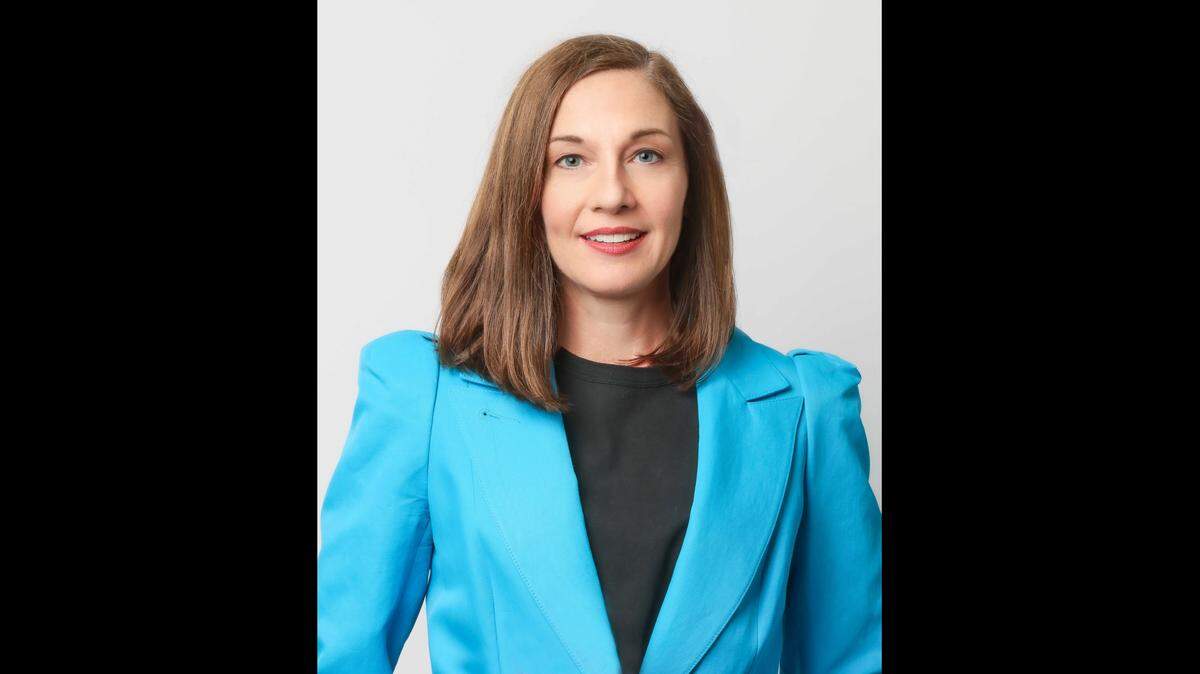
Elyse Dickerson is CEO and co-founder of eosera, a TechFW alum and a member of TechFW’s executive board.