Don’t let Texas become the next California when it comes to energy | Opinion
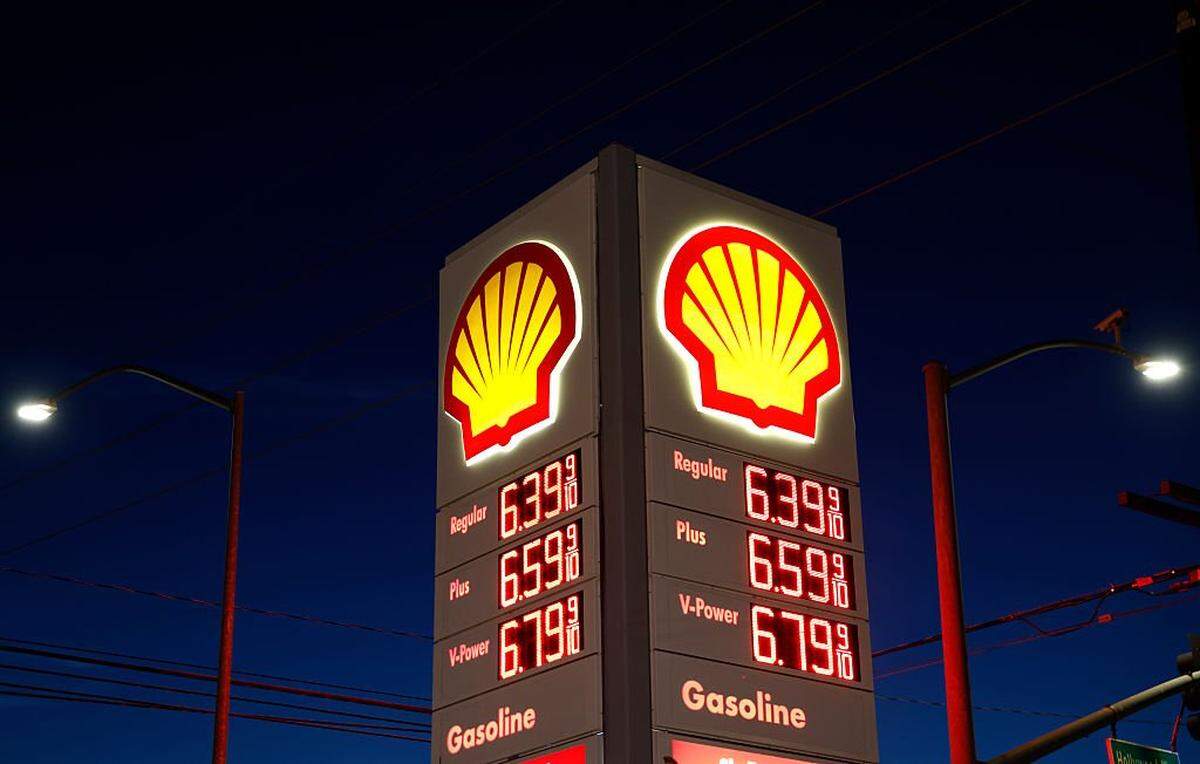
As gas prices fluctuate near record highs across the country, an important question deserves broader attention: Why are Californians paying some of the highest gas prices in America, while Texans pay some of the lowest? The answer is not geography or geology. The answer is policy.
California sold itself as the nation’s energy future. Instead, it has become America’s warning sign.
The state has exposed the danger of an energy agenda driven by political branding instead of economic reality. The same policies championed by Gov. Gavin Newsom are increasingly being pushed nationwide and even here in the Lone Star State.
For years, California leaders promised that climate mandates, refinery crackdowns, electric-vehicle requirements and restrictions on domestic oil production would create a cleaner, more reliable future. Newsom built his national profile on the idea that California could phase out fossil fuels without consequences.
Reality has arrived.
Research from the University of Southern California and the University of California, Berkeley, which are hardly conservative institutions, warned that California is entering “a period of acute supply shortages” driven by refinery closures, declining production and rising imports. The state’s gasoline and crude-oil inventories are at dangerously low, leaving California exposed to major economic disruption.
California has become an energy island, dismantling its own production and refining base while growing dependent on imported crude and foreign fuels. This year alone, the state lost two major refineries, including Valero’s Benicia refinery and Phillips 66’s facilities in Los Angeles, nearly one-fifth of its refining capacity.
That vulnerability is self-inflicted.
California now imports more than 60% of its crude oil from foreign countries while relying heavily on gasoline shipped overseas by tanker, proving that weakening America’s oil and gas industry does not eliminate emissions — it simply exports them. As Alaska Gov. Mike Dunleavy noted during the Biden administration, “cutting production in the U.S. only to see that demand met by dirtier producers elsewhere in the world results in more pollution and more environmental damage.”
The contradiction is clear. California spent decades attacking its oil and gas industry while insisting that renewables would replace fossil fuels. Yet despite billions in subsidies and mandates, the state still runs overwhelmingly on oil and natural gas. The world hasn’t measurably reduced emissions, either.
Cars still need gasoline. Tractors still run on diesel. Airlines still need jet fuel. Manufacturing still requires electricity. AI and data centers demand constant, high-load power. Put simply, California weakened its own energy system while remaining dependent on the very fuels it claimed it would replace.
Texas, by contrast, has followed a fundamentally different path. But it must sharpen the distinction to avoid the same fate as California.
The next phase requires discipline to end overreliance on subsidy-driven green-energy distortions and refocus on what keeps the grid and the economy stable. Texas should not mistake subsidized renewable expansion for true energy security. Too often, policy has chased tax credits and artificial incentives instead of prioritizing dispatchable, reliable generation. That creates volatility and investment spikes, not long-term stability.
Reliable energy must come first. That means oil, natural gas, coal, and nuclear — not overbuilding infrastructure tied to intermittent wind and solar output.
Coal should remain part of that reliable mix. Over the past decade, several Texas coal plants were retired or slated for closure under pressure from corporate activism, environmental campaigns and policy signals that prioritized optics over reliability. Units such as San Miguel and Big Brown, along with other lignite-fired facilities, were pushed toward retirement despite their value in generating power to keep the state’s electric grid humming.
Those decisions are now looking increasingly shortsighted. The 2021 winter storm made clear what happens when reliable capacity is reduced too far. While the grid has improved since, Texas should not repeat this mistake. It should preserve, modernize and extend coal, nuclear and natural gas production as part of a broader reliability strategy.
The bottom line is simple: Texas energy policy should be grounded in engineering reality, not subsidy cycles or political signaling. The future depends on building and preserving firm power, while treating intermittent resources as secondary rather than foundational.
If California is the warning of ideology overtaking infrastructure, Texas must be the proof that energy abundance comes from investing in what works.
Wayne Christian is in his second term on the Texas Railroad Commission, which regulates the oil and gas industry.