Will AI kill restaurant jobs? Here’s what Starbucks, Chipotle show | Opinion
For years, the public conversation around artificial intelligence has been dominated by anxiety. Headlines warn about automation replacing workers, algorithms eliminating jobs and machines taking over customer interactions.
In the restaurant industry, where labor shortages and rising customer expectations collide daily, those fears feel justified. But inside some of America’s biggest restaurants, a different AI story is unfolding. Employees are not being fired, but retained, and AI is helping them deliver faster, smoother and more-personalized service.
Companies such as Starbucks and Chipotle are becoming some of the most important case studies in what might be called “human-centric AI.” Their technologies are not built around flashy robots or fully automated dining experiences. Both brands are embedding AI into the infrastructure underneath the customer experience — using intelligent systems to improve efficiency while preserving the “human touch.”
There are about 1,500 Starbucks and 360 Chipotle locations in Texas alone, meaning consumers are interacting with restaurant AI technology thousands of times daily, often without noticing it.
Keeping customers happy is important, but so is retaining employees. According to data from the Texas Restaurant Association and the U.S. Bureau of Labor Statistics, more than 1.4 million Texans work in food service.
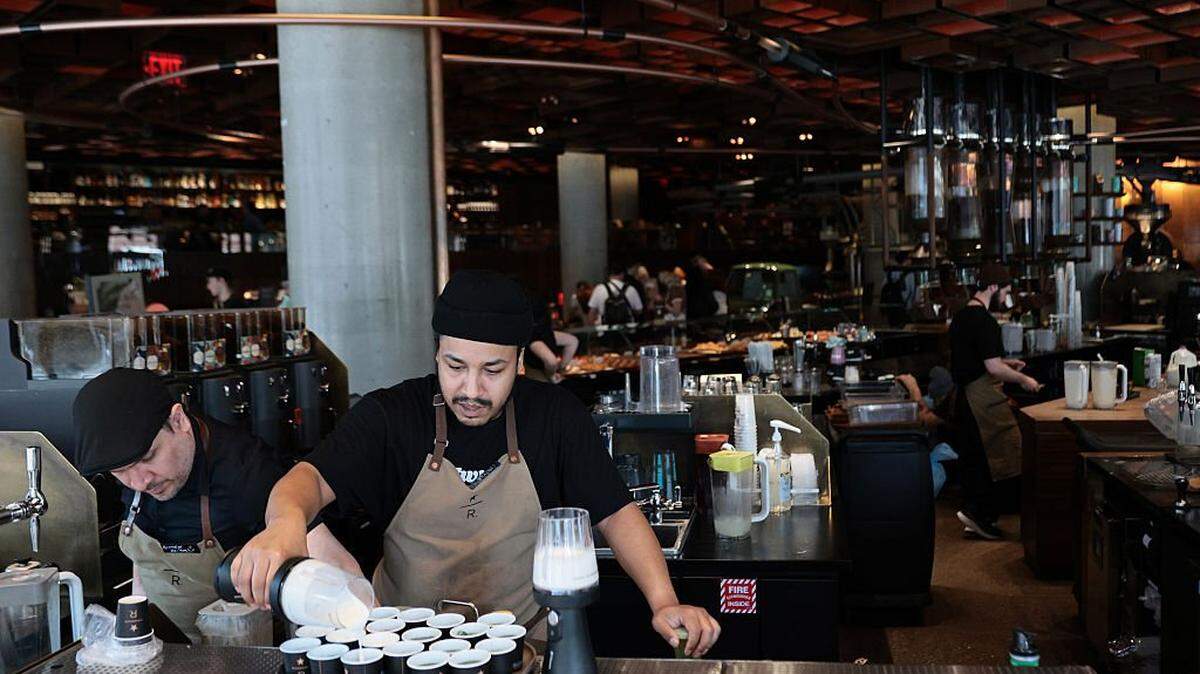
Starbucks’ AI transformation emerged because the company became too successful at digital convenience. Over the last decade, Starbucks dramatically expanded mobile ordering, loyalty rewards, drive-thru capabilities and app-based customization. Customers embraced the convenience but the surge in simultaneous mobile, café and drive-thru demand created operational bottlenecks.
The company’s response has not been to remove baristas from stores. Starbucks is moving towards the “intelligent coffeehouse.” Its Deep Brew platform helps orchestrate demand forecasting, labor allocation, inventory management and order sequencing across multiple customer channels.
The technology itself is largely invisible to customers, yet highly impactful. Starbucks’ Smart Queue system helps reduce congestion and improve fulfillment speed, while AI functions almost like a conversational copilot for employees by helping them troubleshoot recipes, workflow questions and equipment issues in real time.
Starbucks is not positioning AI as a replacement for workers. It is framing AI as a way to remove operational friction so employees can focus more on customer interaction, hospitality and human connection. That matters because the restaurant industry struggles with employee burnout, turnover and staffing pressures. Technology that reduces chaos behind the counter can improve the work environment rather than diminish it.
Anyone who has worked in food service understands how quickly operations can unravel during a rush. A flood of mobile orders can overwhelm a café within minutes. Running out of ingredients during peak hours frustrates both customers and employees. AI systems can analyze historical ordering patterns, time-of-day traffic, seasonal trends, weather conditions and customer behavior to anticipate those disruptions before they occur. The result is smoother workflows, fewer remakes, shorter wait times and less stress for frontline employees.
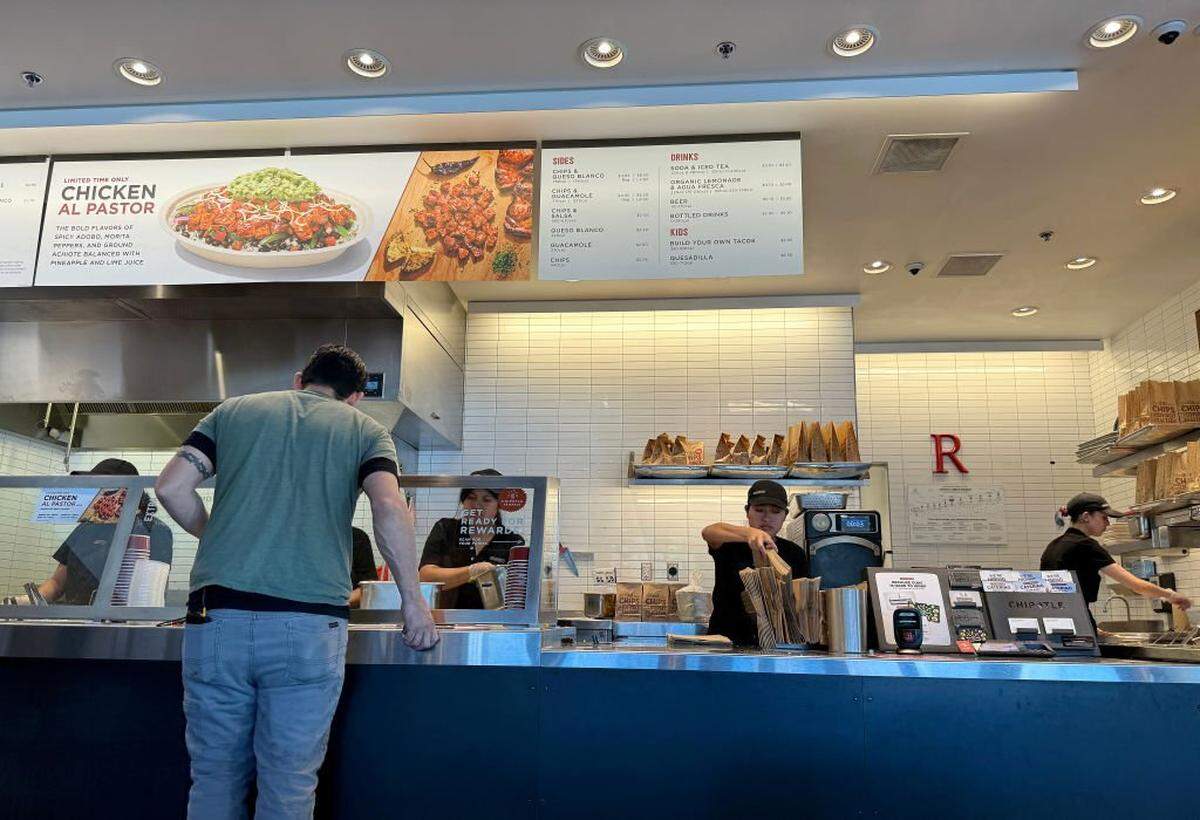
Chipotle is pursuing a different — but equally revealing — AI strategy. While Starbucks is heavily focused on operational intelligence, Chipotle’s AI integration is more behavioral and loyalty-driven. The company is using AI-powered customer-relationship and personalization systems to identify, engage and retain customers based on ordering frequency, purchase history and more.
An AI-enabled engagement engine is designed to move customers from occasional visits into habitual purchasing behavior. Personalized “welcome back” campaigns, targeted promotions and re-engagement offers are increasingly driven by AI systems that determine which customers are most likely to respond and when.
Consumers expect personalization, but they also recoil when personalization feels invasive or manipulative. Chipotle appears to understand that successful AI is often subtle. Customers do not want to know an algorithm is working behind the scenes. They simply want the experience to feel easier, faster and more tailored to their preferences.
Both Starbucks and Chipotle are compelling because their strategies align with emerging academic research on AI-enabled consumer engagement. Current studies consistently show that AI improves customer satisfaction and loyalty when it enhances speed, usability, personalization and convenience without becoming overly intrusive.
Across the quick-service industry, brands are racing to integrate AI into drive-thrus, staffing models, mobile ordering systems, loyalty programs, inventory management and kitchen operations. Companies that succeed with AI integration will not necessarily be the ones with the flashiest technology. They will be the ones that use AI to support human interaction instead of replacing it.
Not every restaurant will implement AI systems so thoroughly. What works for a multinational coffee chain and a national Mexican fast-casual restaurant might not be efficient for a local barbecue joint in Fort Worth. But as AI becomes easier to use and more affordable, it’s only a matter of time before every restaurant, and probably most other types of businesses as well, will use the technology to improve service and efficiency.
The restaurant of the future may not look futuristic at all. Successful AI systems will probably be the invisible ones: quietly running operations, predicting customer needs and improving efficiency in the background while keeping people at the center of the experience.
Ken Corbit is the assistant department chair of marketing at the TCU Neeley School of Business.