
Don’t scapegoat data centers. Our economy needs them | Opinion
Every major innovation seems to inevitably generate an infrastructure fight — driving public and political opposition right up until we can’t imagine life without the new development.
Railroads divided farms and ranches. Telegraph lines “uglified” streetscapes. Highways carved through neighborhoods. Pipelines, cell towers, wind farms and transmission lines sparked a familiar chorus: too big, too ugly, too loud, too much. And yet, in the end, the public benefited tremendously because economic growth requires a growing infrastructure.
Today’s favorite target for such opprobrium is the data center.
Just a couple of years ago, policymakers competed to attract data centers. They were symbols of growth, high-value investment, better tax bases and the digital backbone of modern commerce. Now, many of those same policymakers speak as if data centers are some kind of social evil — because they consume power and water and the AI boom is making that demand visible.
You can see the shift in the sudden wave of proposed moratoriums and legislation to “pause” development, rationalized by energy, water and ratepayer concerns.
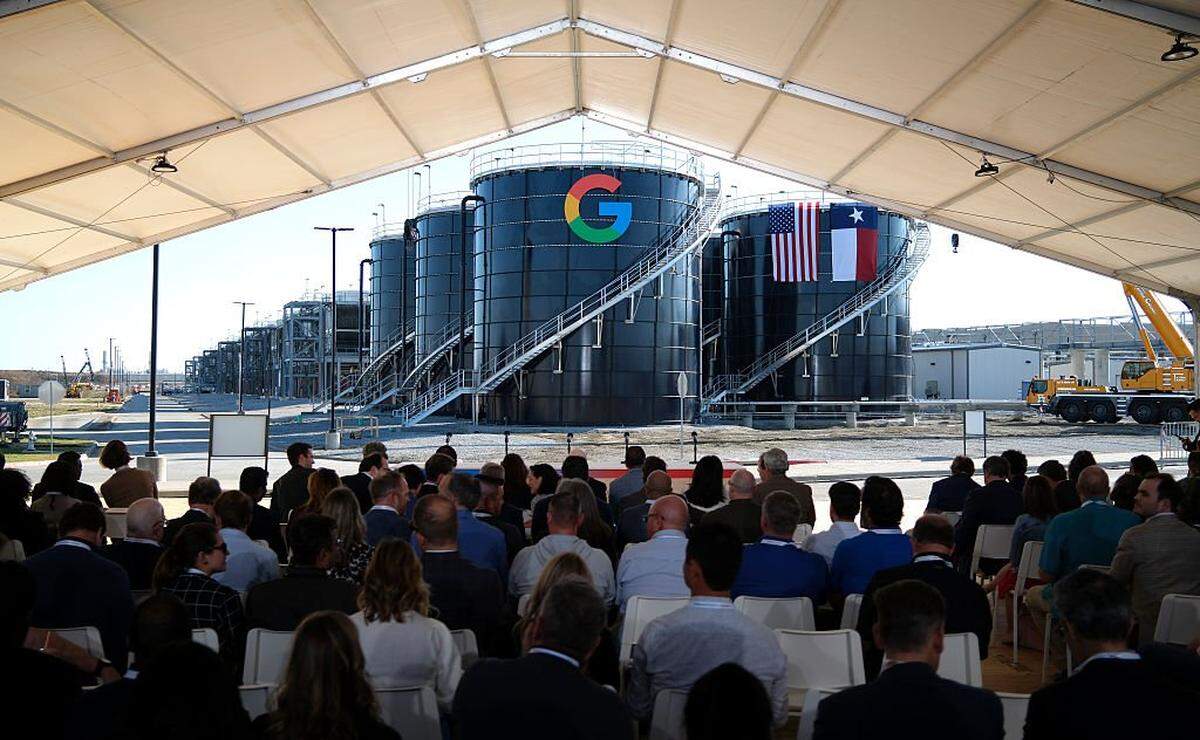
Let’s be clear about what a data center is: critical infrastructure. It is the physical home of the digital services we rely on for banking, ecommerce, logistics, emergency communications, healthcare records, education and national security. If policymakers are serious about economic competitiveness, they should treat data centers the way they treat ports, rail spurs, and power plants: as necessary facilities that must be sited responsibly, not demonized reflexively.
Critics raise legitimate issues: grid capacity, water use, noise, backup generators, effects on local land use. But the policy response should be responsible and data-driven, not reactionary.
Start with electricity. Data centers don’t “steal” power. They buy it — often at industrial rates with long-term contracts — and their presence as a predictable buyer can justify new generation and transmission investments that benefit everyone. A rapidly growing power load is not a moral failing; it’s a planning challenge.
The right answer is to build abundant energy: more natural gas, more nuclear, more renewables where they make sense and more transmission. That way, families won’t be pitted against servers in a zero-sum political drama. Lawmakers across the country are already debating how to protect ratepayers while accommodating growth, which tells you the debate is about policy design, not existential threat.
On water: In most cases, data centers use closed-loop systems for cooling, so it’s like filling a swimming pool one time. Over time, data centers consume less water than a car wash. Policymakers can require transparency, recycling and closed-loop systems rather than discouraging new investment. Several states are moving toward water-use reporting requirements, exactly the kind of targeted, pro-information approach that beats panic.
The broader point is this: America’s economy won’t continue to innovate and remain prosperous by making it more difficult to build out infrastructure. We stay on top by insisting on sensible rules, clear property rights and predictable permitting. That ultimately means letting private capital build the backbone of the next economy, instead of letting political moods veto it.
Tom Giovanetti is president of the Institute for Policy Innovation, a free-market think tank in Dallas. Follow him on X: @tgiovanetti.