As America returns to the moon, can our sense of wonder come back, too? | Opinion
I spent some time last weekend gazing at an image on TV that looked like a still photo of a massive rocket at the Kennedy Space Center in Florida. But the waters of the Banana River were gently lapping at the bottom of the screen, revealing that I was indeed staring at a live feed in real time.
It was the roughly one mile-per-hour journey of the Artemis II launch vehicle on its rollout from the massive Vehicle Assembly Building to the historic Pad 39B, which has seen departures from Apollo to Skylab to the space shuttle era. That’s where four astronauts are scheduled to lift off next month on humanity’s first journey to the moon in more than half a century.
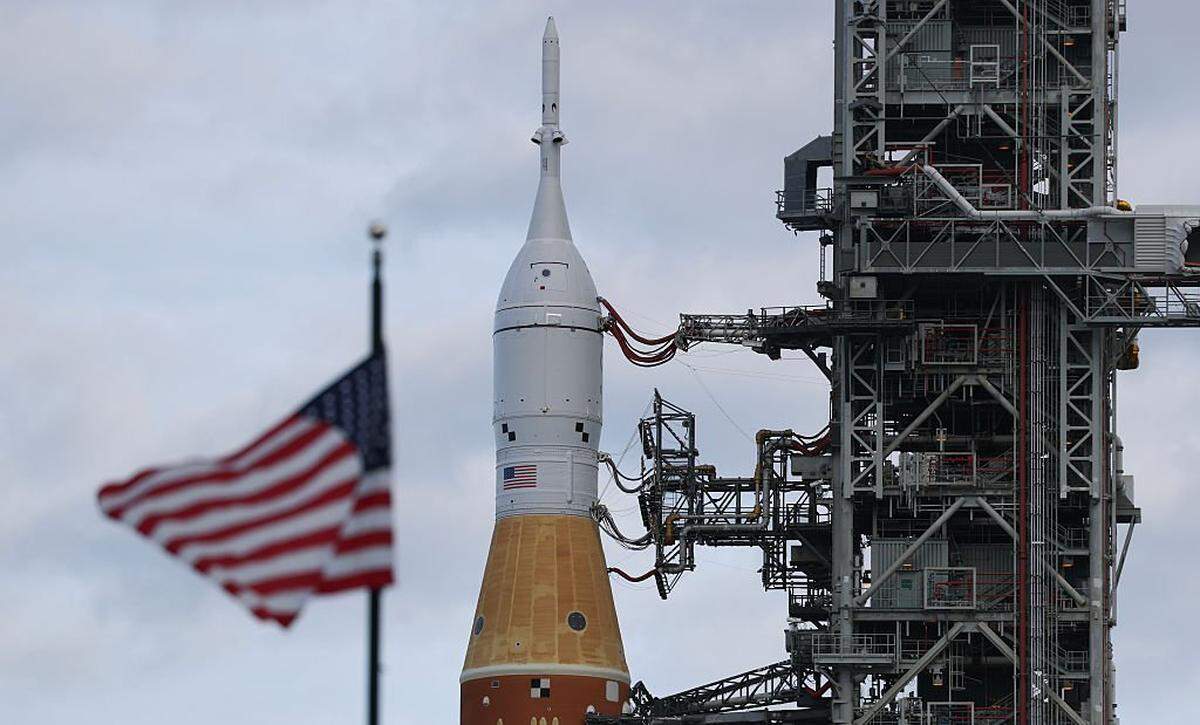
At 30 stories tall and about six million pounds, the full assembly is roughly the size of the Saturn V rockets that took Apollo missions to the moon. Glued to the images of the Artemis rollout on that giant lumbering crawler-transporter, I was a kid again.
Those same enormous rolling platforms carried the Apollo spacecraft to their launch pads. I never missed a liftoff on TV and even badgered my parents into taking me to two of them in person. I have never outgrown my enthusiasm for space flight, and it is the pinch-me blessing of a lifetime that my career has placed me at various events in the company of many of the American space heroes, including some who walked on the moon.
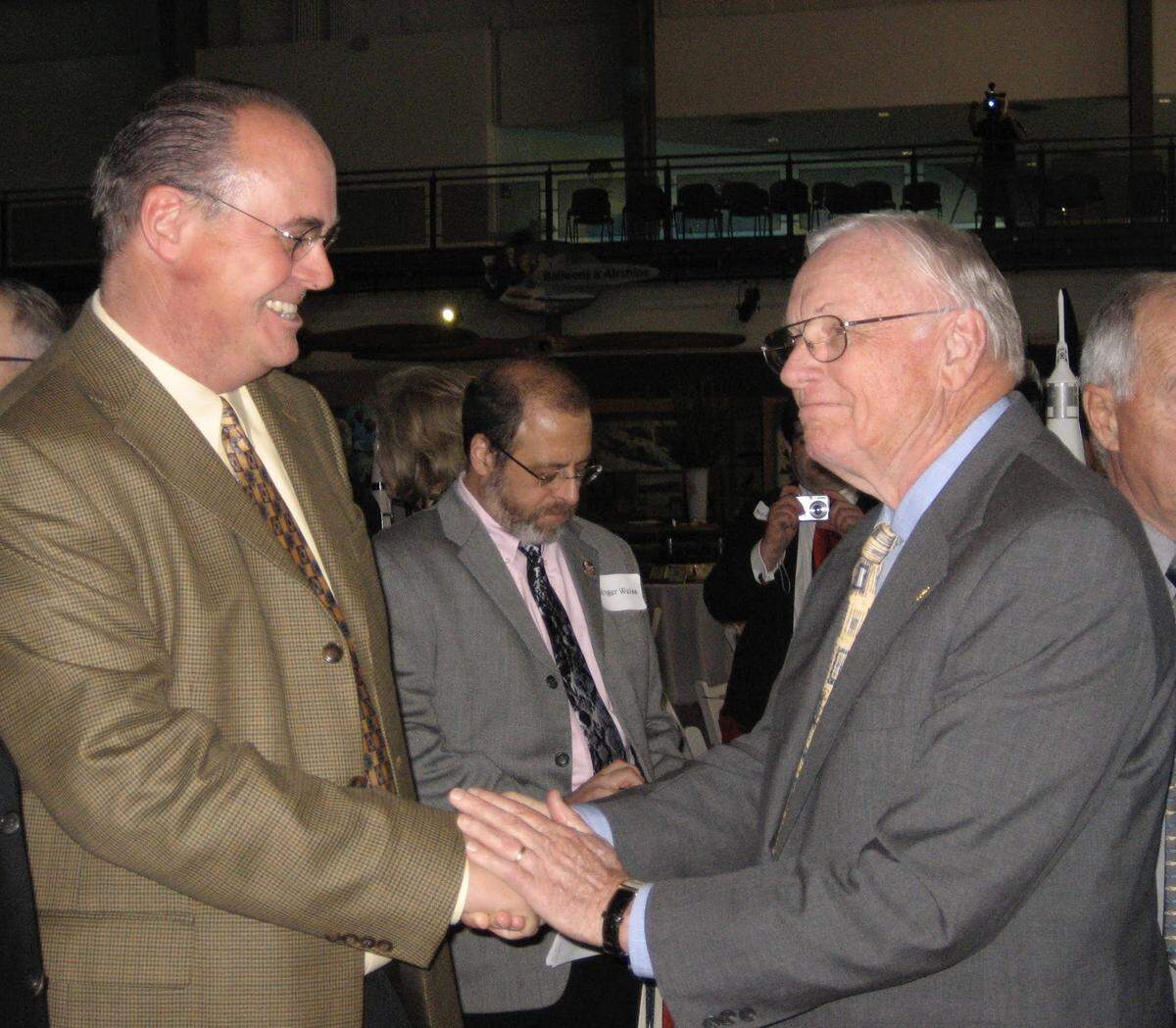
As I anticipated the approach of the Artemis missions last year, Rep. Jake Ellzey, R-Waxahachie, asked me if I would be interested in connecting with an old Navy pilot buddy of his — retired Navy Capt. Reid Wiseman, commander of Artemis II. So, as the nation and the world anticipate man’s return to the moon, I have had the humbling privilege of the occasional chat with the man who will lead the first mission.
Artemis has parallels to Apollo 8, key test mission in 1968
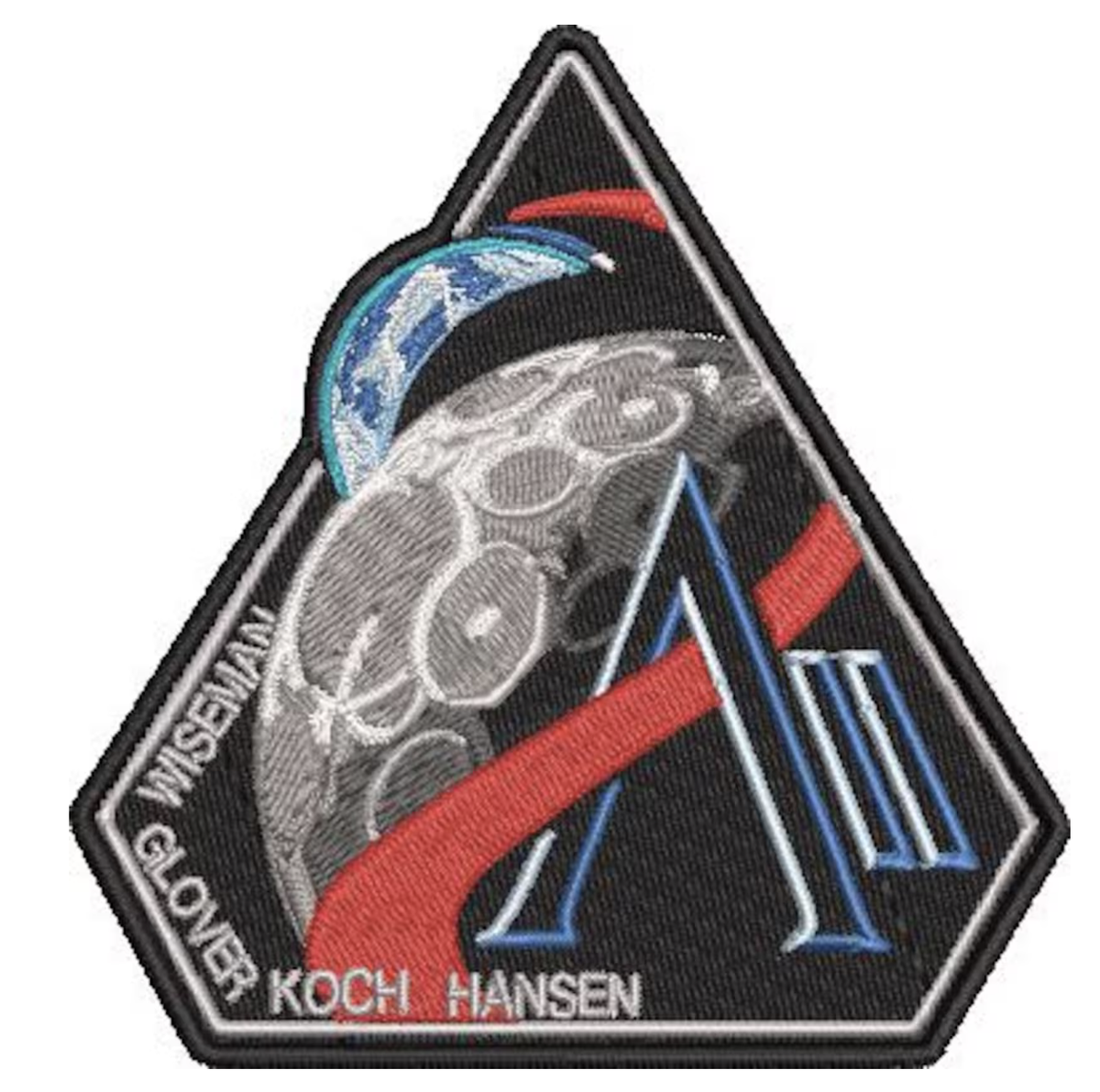
At 50, Wiseman was born three years after the end of the Apollo missions. As he told me the story of the Artemis II mission patch that features an image of the Earth and moon borrowed from the famous earthrise photo taken during Apollo 8, I told him how I watched grainy TV images from that mission at Christmas in 1968, as the crew read from the book of Genesis as the first people to ever travel to the moon.
Like that mission, Artemis II is a test of the hardware before a planned moon landing. Four Apollo missions preceded Neil Armstrong’s first lunar steps; this is the only dry run before Artemis III puts footprints on the moon, perhaps as early as next year, for the first time since Apollo 17 in 1972.
Apollo 11’s first human footprints were obviously the crowning goal of the U.S. space program, but when Apollo 8 made its journey months earlier, no space mission had flown higher than a few hundred miles above the Earth. The journey to the moon was a vast leap of a quarter of a million miles, and when the Artemis crew retraces those steps next month, it will finally re-open the door to ask how far man might go beyond this world.
Elon Musk will bend your ear about human colonization of Mars, and I have no idea if that’s even doable. But an extended presence on the moon holds the prospect of many benefits in terms of scientific progress, resource acquisition and, increasingly, strategic positioning in a world where some nations’ intents might threaten U.S. national security.
But before any of those bridges are crossed, the plan is to put two astronauts on the moon next year to see if we can get back into the rhythm we achieved with six successful lunar missions in the Apollo era. Before that landing, we have next month’s lunar flyby; I hope it will capture imaginations around the world once again.
Artemis II will carry a history-making NASA crew
When the Artemis crew fires up an engine to leave Earth for the moon after a day of testing out the systems in Earth orbit, history will be made immediately in the form of the crew on board with Wiseman. This will be the first lunar voyage by:
- a Black American, Capt. Victor Glover, who piloted a six-month SpaceX flight to the International Space Station five years ago;
- a non-American, Mission Specialist Col. Jeremy Hansen of the Royal Canadian Air Force, on his first space flight;
- and a woman, Mission Specialist Christina Koch, on her second mission after nearly a year on the space station in 2019-20, the longest single space flight by a woman.
The exact launch date will depend on a full operational rehearsal in the first few days of February. If it occurs at the first launch window the evening of Feb. 6, the Florida skies will light up as they did for the final Apollo launch more than 53 years ago. On that night, I had just turned 15, and I stayed up past midnight on a school night. Now, I am a couple of years shy of 70, and I will watch on a far larger TV, transfixed by the same wonder, as man leaves once again for another world.
As I write, there is a crescent moon hanging above the western horizon outside my window. Thinking of people making that trip again takes me back to our past lunar journeys, which gave our nation and the world a chance to look beyond the issues and problems of the day to spend a little time in awe of the universe and our first steps into it. I hope this moment delivers that same uplifting benefit.
I wondered as the days tick down: If my pulse is quickening, how is the crew processing the enormity of what awaits them? So, I texted Wiseman on the day of the rollout as he and the crew flew in to witness it.
“I can’t imagine what it will be like to see your chariot inch its way out,” I wrote. After a few minutes, my phone buzzed. “Just flew into KSC in a T-38,” he replied. “Surreal, my friend. Surreal.”
That it is.
Mark Davis hosts a morning radio show in Dallas-Fort Worth on 660-AM and at 660amtheanswer.com. Follow him on X: @markdavis.