
Even some Trump foes see that Venezuela operation was a good move | Opinion
For a few minutes Saturday morning, it looked like America’s decision to snag Venezuelan dictator Nicolas Maduro would be assessed entirely through the usual lenses of President Donald Trump’s supporters versus his opponents. But then, a couple of interesting X posts surfaced.
As hostile voices loudly lamented the horrible affront to Maduro, tireless Trump critic Jonah Goldberg weighed in: “Maduro is a bad guy and deserves no sympathy for being deposed and arrested. We are obliged to provide a lawful and fair trial. But the idea this was ‘unfair’ to Maduro himself is hot garbage.”
With my eyebrows still raised, I arrived at a post that dismantled the claim that this was the horribly illegal ouster of a sovereign foreign leader: “Maduro was never the legitimate president of Venezuela. The precision action by Delta to get Maduro without massive military occupation is how it should be done. This was the right call. May Maduro face justice and the people of Venezuela be free.”
That could have come from any ardent Trump supporter or from the administration itself. But in this case, the source was former Rep. Adam Kinzinger, whose years of venom, like Goldberg’s, have simmered in the cauldron of Never-Trump ex-Republican bad blood. While much of the weekend’s condemnation of Operation Absolute Resolve came from the usual suspects, there were further examples of Trump detractors finding merit in its goal and its execution.
Conversely, there was hesitation in some corridors of Trump support — the usual Republican voices who are sticklers for a high bar for U.S. intervention and exhaustive congressional notification and approval when such prospects arise.
So, with support from some Trump enemies and criticism from some supporters overlapping, consider the objective underpinnings of the Venezuela operation and the history that informed it.
Everyone is free to admire or dismiss the administration’s motivation, but there is a responsibility to at least recognize it. This is not the launch of a war, but a capture that will lead to a prosecution on a detailed indictment released in full by the U.S. District Court for the Southern District of New York. It avoids the complexities of international sovereignty because the U.S., under both Trump and President Joe Biden, withheld recognition of Maduro’s legitimacy since the fraudulent Venezuelan election of 2018. The European Union and many governments in Central and South America view it the same way.
Many presidents have launched operations without telling Congress
As for requirements to inform Congress or secure its approval, history is filled with presidents taking limited unilateral action under their proper constitutional authority as commander-in-chief: Ronald Reagan’s Libya airstrikes; George H.W. Bush’s and Bill Clinton’s Somalia interventions; Clinton’s operations in Haiti, Bosnia and Kosovo; Barack Obama’s Libya airstrikes; Trump’s first-term attacks on Syria and last summer’s operation against Iran’s nuclear capabilities.
As far as any perceived obligation to notify both parties in Congress in advance, the shrill hostility of many Democrats over the weekend makes clear that they could not have been trusted with such sensitive information. Many lamented Maduro’s rigged win in 2018 and supported various Biden-era sanctions, such as an elevated reward of $25 million for information leading to Maduro’s arrest and conviction. Does anyone doubt that operational security would have been happily sacrificed once Maduro’s capture featured an opportunity to thwart Trump?
The moment in history that most aligns with the Venezuela operation is Operation Just Cause, the 1989 invasion of Panama that removed Manuel Noriega on similar charges. Tried and convicted in Miami, he mounted continuous legal challenges filled with assertions of violations of international law and national sovereignty, the same complaints offered by Maduro’s new fan base in America. Courts repeatedly upheld the Noriega prosecution, and there is no reason to expect a different result as Maduro faces proper consequences.
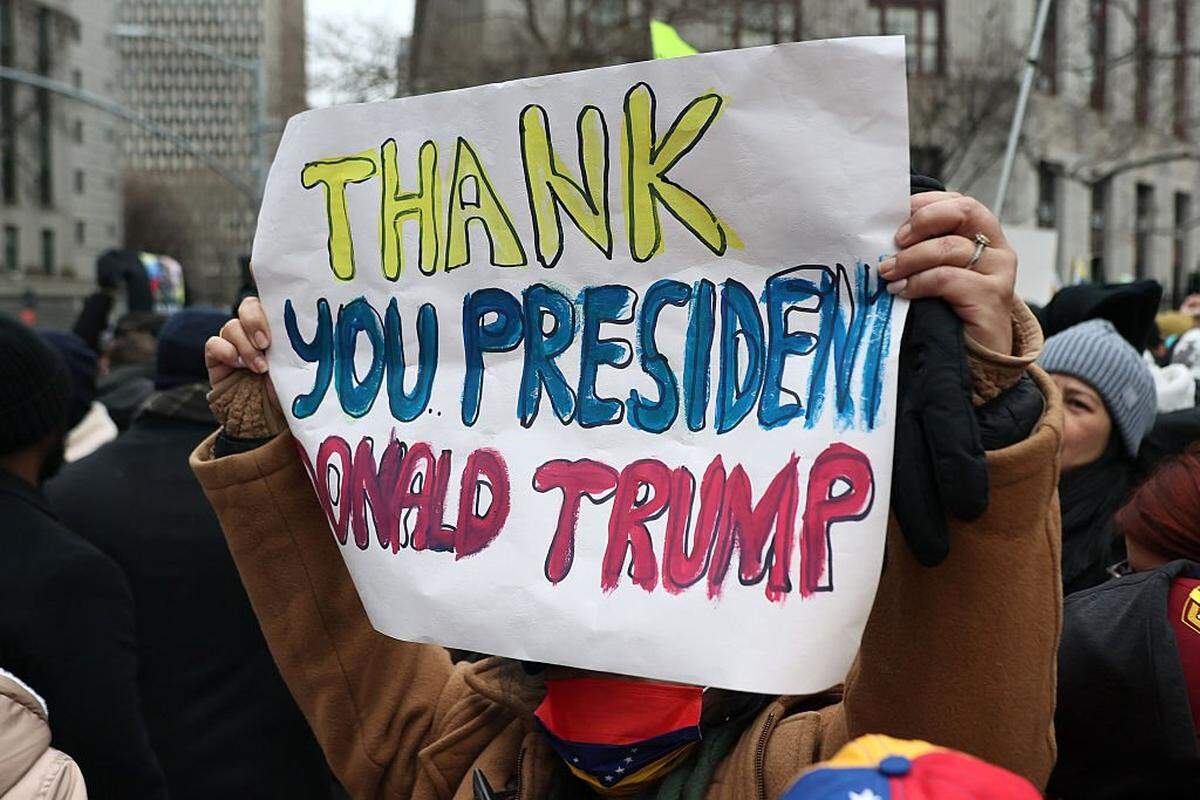
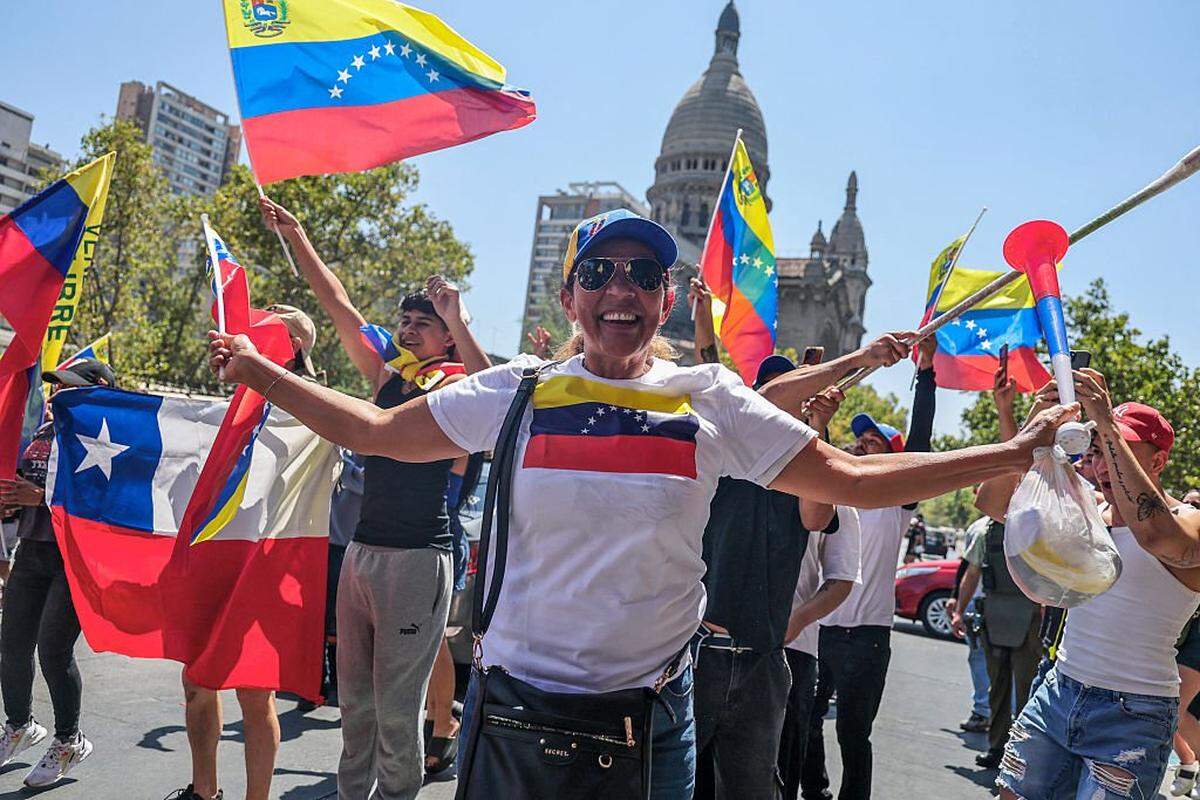
Voices of actual Venezuelans grow louder by the hour, filled with gratitude for this opportunity to see a better day for the nation of their birth. Some have come to America over the years; others remain in the streets of Caracas. Their shared sentiment reveals relief that action was finally taken to remove a dictator’s boot from a nation that can be a vigorous participant in prosperity and freedom in our hemisphere.
Maduro’s various evils do not by themselves constitute a basis for extracting him. That foundation rests on the constitutional legitimacy of the powers of the American president and the illegitimacy of Maduro’s rule.
Democrats are piling up unpopular stances on immigration, fraud, too
Opposition to Maduro’s ouster, from Venezuela to the U.S. and around the world, was inevitable. But the shrieks of outrage against it seem motivated more by revulsion toward Trump than by sincere concern for that country or ours. As such, Democrats head into the crucial midterm year of 2026 waving the latest in a series of curious banners.
Their fawning over Kilmar Abrego Garcia, whom the administration deported after accusing him of MS-13 ties, took on the optics of willful blindness toward violent immigrant gangs. Their clumsy defense of Somali child-care fraudsters in Minnesota adds to the disconnect with most Americans’ concerns about misspent tax dollars. The tears shed over the sinking of narco-terrorist drug boats set the stage for the coming months of attempts to bring stability to Venezuela while guarding the safety of Americans. These are likely to be popular across the U.S. political spectrum and across the world.
It will be interesting to see how many people in America, and how many nations around the world, will wallow on the wrong side of history.
Mark Davis hosts a morning radio show in Dallas-Fort Worth on 660-AM and at 660amtheanswer.com. Follow him on X: @markdavis.
This story was originally published January 5, 2026 at 12:31 PM.