‘Never again’ for deadly Texas floods? Here’s how to fix crisis response | Opinion
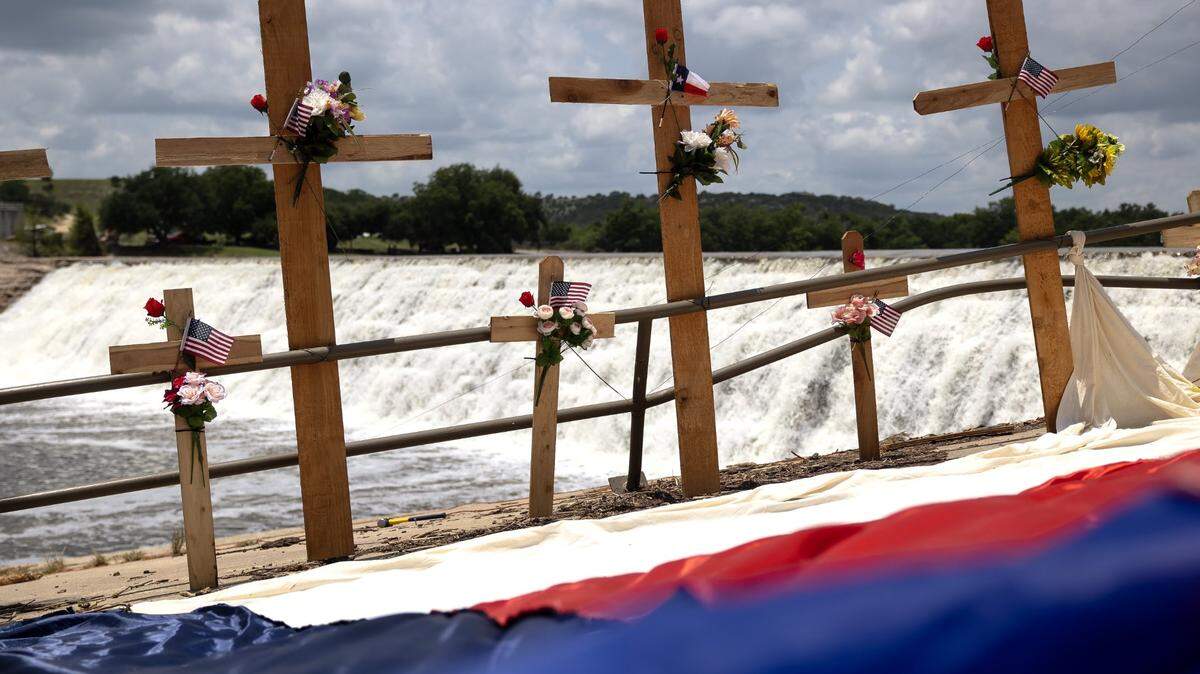
As someone who lived in San Antonio for a decade and has fond memories of visiting Kerr County, the tragedy of the Texas Hill Country floods hits close to home. But as a crisis communication scholar and incident manager, I find the failures in emergency communication most troubling. Why did communication fail when it was most needed?
Flash floods in the Kerrville area are not rare. The region is nicknamed “Flash Flood Alley” for a reason. The Guadalupe River, while beloved, is known to rise rapidly during storms. In this case, it surged more than 30 feet in less than an hour on July 4, killing more than 130 people as water inundated campsites, homes and communities.
The National Weather Service issued a flash flood warning at 1:14 a.m., but most residents were probably asleep, and cell phone alerts were inconsistent. Local officials reportedly responded around 4 a.m. — by then, the river had already surged past 30 feet.
Kerr County Judge Rob Kelly said the county lacked an emergency alert system and couldn’t have anticipated the flood. Yet media reports found that the county does have a mass-alert system. The delay in activating it appears to stem from dispatchers waiting for authorization. Residents received messages at varying times, if at all.
Having a system is not enough — it must be activated promptly, with clear, targeted messages and actionable instructions. Furthermore, visitors may not receive mobile alerts if they haven’t opted in or don’t have a signal. According to the Houston Chronicle, many visitors weren’t connected to the informal phone trees that locals had relied on. Some had no idea which areas were flood-prone.
There were also missed opportunities to use physical alert systems. Despite past efforts to install sirens, some officials had dismissed them as “disruptive.” In contrast, residents in nearby Comfort, Texas, credited their sirens and early-warning system with giving them time to evacuate safely.
Had an automatic outdoor siren been in place in Kerrville, lives at Camp Mystic and neighboring communities may have been spared. The absence or delay of alerts meant residents had no time to escape.
Leadership and communication gaps in Central Texas flood crisis
This crisis revealed not only technical failures but also leadership ones. Reporters raised important questions in news conferences: Who was in charge during the critical early hours? When were key officials informed? What resources were available and deployed? Was there a clear, rehearsed protocol for crisis decision-making?
While blaming individuals is easy, it’s more productive to ask what we can learn. What systems must be prioritized to prevent future tragedies? How do we ensure timely action, clear communication and community trust?
Texans value self-reliance, but nature doesn’t follow that ethos. What stood out amid the chaos were the acts of courage and compassion: Kerr County sheriffs deputies going door to door to alert people, camp counselors who sacrificed their lives to save others and first responders treating the crisis as a calling, not just a job.
Here are some lessons officials can take away from this crisis:
Use multi-modal alerts: Emergency warnings should include sirens, texts, radio and phone calls. Relying on a single channel is dangerous.
Repeat messages: Messages must be sent frequently across platforms. One alert is not enough.
Clarify leadership roles: There must be a clear chain of command and protocols for activating alerts — before disaster strikes.
Foster accountability and trust: Leaders should avoid defensiveness or blame. Transparency and preparation build public trust.
Engage community partners: Collaboration between sheriffs, local media, nonprofit groups and multilingual networks helped fill communication gaps.
Educate on risk culture: Residents need to understand alerts and their implications, in language and terms that resonate with their lived experience.
Invest in infrastructure: Alert systems are not luxuries; they’re life-saving tools. Gov. Greg Abbott has authorized lawmakers to consider flood-related bills in the special session under way in Austin, including improvements to warning systems.
What happened in Kerrville was not just a natural disaster. It was a foreseeable crisis exacerbated by communication failure. If we are to say, “never again,” we must mean it. That means not only having systems in place but knowing when and how to use them. Kerrville’s tragedy must be our wake-up call.