
State can do better on tragedies like Central Texas flood. Here’s how | Opinion
AI-generated summary reviewed by our newsroom.
- Texas Legislature can use special session to improve flood response systems.
- Emergency alerts, equipment upgrades and local aid require immediate funding.
- Better forecasting tools and communication models can help mitigate future tragedy.
When a tragedy hits like the Central Texas floods, priorities should be clear: Rescue and recovery, helping survivors, hailing the brave heroes who risked themselves to save others.
It’s not too soon, though, to try to figure out what happened and look for lessons to learn, processes to improve, mistakes to avoid the next time. Some people find it macabre to start a review so soon. But the reality is that it can save lives — and it doesn’t have to be a politically focused blame game, as many internet warriors want.
By coincidence, Texas has an opportunity to quickly, thoughtfully investigate and respond. The Legislature is set to gather July 21 for a special session; if not for that, it would be another year and a half before lawmakers could enact changes.
Instead, they can investigate the initial response and consider how to improve warnings and evacuation procedures. The state has enough money, even if it has to dip into its emergency savings, to consider major assistance to small counties to address alerts and communication issues. A special session can be focused, and there’s good legislation that didn’t pass this year that serves as a starting point.
Let there be no question of whether this is a case where the state should step in to help local government. Tourism is a vital industry to the state, and little would curtail it faster than the perception that attractions like the Guadalupe River aren’t safe. Lt. Gov. Dan Patrick said Monday that Texas should pay for warning sirens in flood-prone counties. That’s a good start.
Texas must investigate response to Guadalupe River flood
Asking questions about how systems and officials performed during an epic emergency isn’t about assigning blame. It’s about improving things for next time.
We continue to learn how monumental the storm that hit Kerr County was. We can’t fully process 100 billion gallons of rain falling in a few hours. Humility demands that we acknowledge nature’s power and that no human endeavor in the face of a storm like this can be perfect.
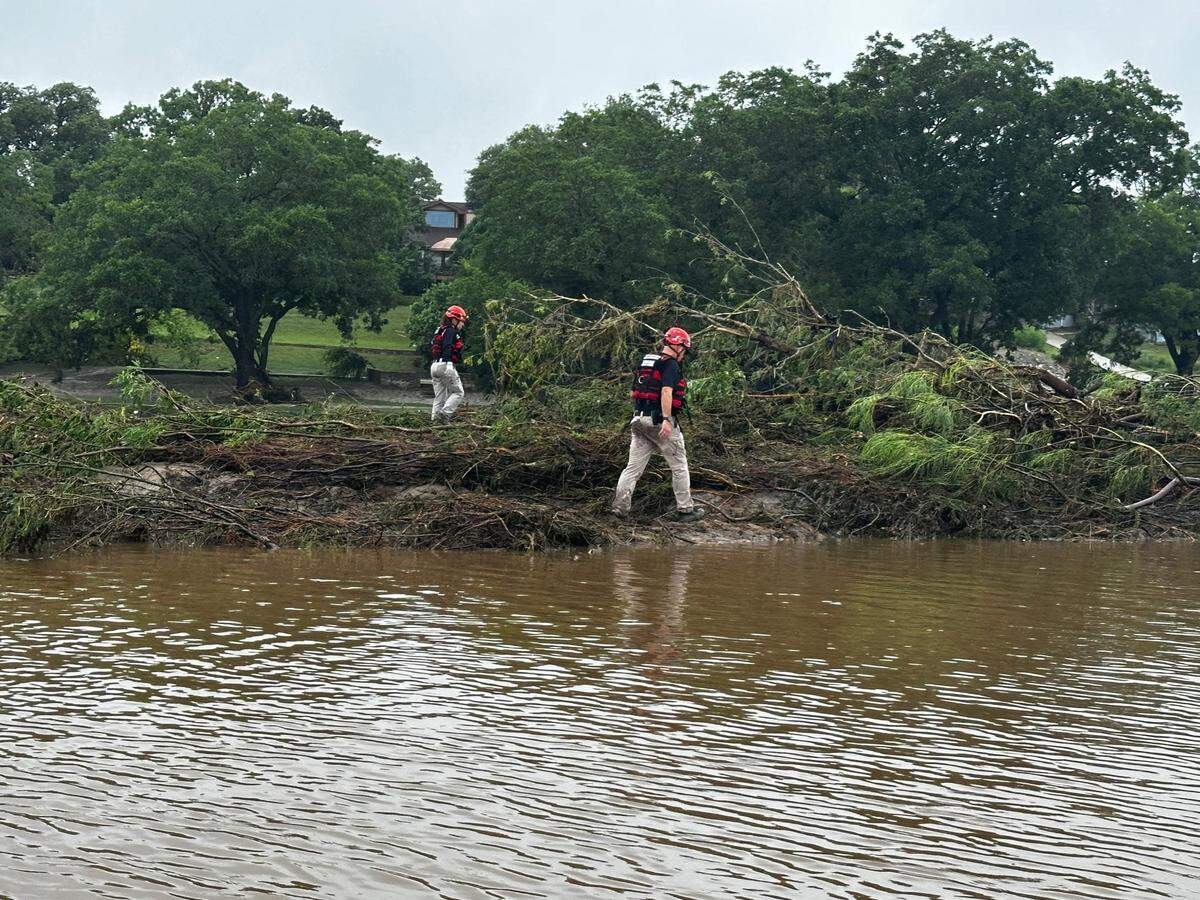
But we also must admit that future storms will continue to gain power, even if they don’t match the July 4 floods, because of climate change. Texas must be better prepared.
It changes the calculation about whether the state should supply more equipment such as sirens. Knowing exactly what might have been effective in spreading the word of an epic storm so late at night can inform responsible spending decisions. Kerr County reportedly sought state help again and again, along with applications for federal funds, to cover most of the $1 million cost. Few would argue now that it’s not an investment the state should make.
How did Central Texas officials make decisions, communicate during flood?
Many of the key questions that remain unanswered revolve around exactly how information flowed as the tragedy neared — from forecasters to county leaders to emergency responders and, ultimately, to vulnerable Texans in RVs and camps near the river.
If it weren’t so costly, it would seem quaint that, in an area with spotty cell-phone coverage, officials relied on neighbors and camp officials to call each other with alerts to possible flash floods. There must be a better way.
Delivering information is not the only challenge; getting people to take it seriously can be. Residents in flood-prone areas have seen their share of false alarms or disasters that didn’t reach them. Think of hurricane victims who decide to “ride out” the storm. Clearer communication about the possibility of a once-in-a-lifetime event is a must. Forecasters need more reliable models and better terminology to distinguish among the levels of threats.
The federal role in all this is worth a look, too, though it seems now that concerns about the National Weather Service’s staffing and performance were misplaced. That said, forecasters lacked the tools to diagnose early enough the magnitude of what was coming. Investments in improving them are in order.
Texas can pass laws to improve flood response
During the Legislature’s regular session, one of the House’s priority bills would have created a Texas Interoperability Council to coordinate communications among various governments and help smaller agencies buy modern equipment they otherwise could not afford. The bill passed the chamber, 129-18, but never received so much as a committee hearing in the Senate.
The bill would make a good starting point for improving communication. If senators had specific problems with it, they should work to find compromise rather than just shelve the measure.
State and federal money will be vital for getting modern technology into the hands of emergency officials, especially in small counties. Sometimes, old systems simply linger until tragedy reveals their deficiencies. For example, when a Fort Worth girl was abducted in her neighborhood, we learned that police were still faxing information about Amber Alerts to local radio stations. A machine officers attempted to use at the scene didn’t work; an email from an iPhone certainly would have.
The special session may be dominated by the debate over whether to regulate or ban hemp products, a point of division between Patrick and Gov. Greg Abbott. That tricky issue cannot distract from the urgent need to respond to the floods.
Only a thorough, honest investigation will reveal the full range of options. But for once, lawmakers have a chance — and many reasons — to react quickly. They should take it.