
There’s a better way to respond to natural disasters like floods | Opinion
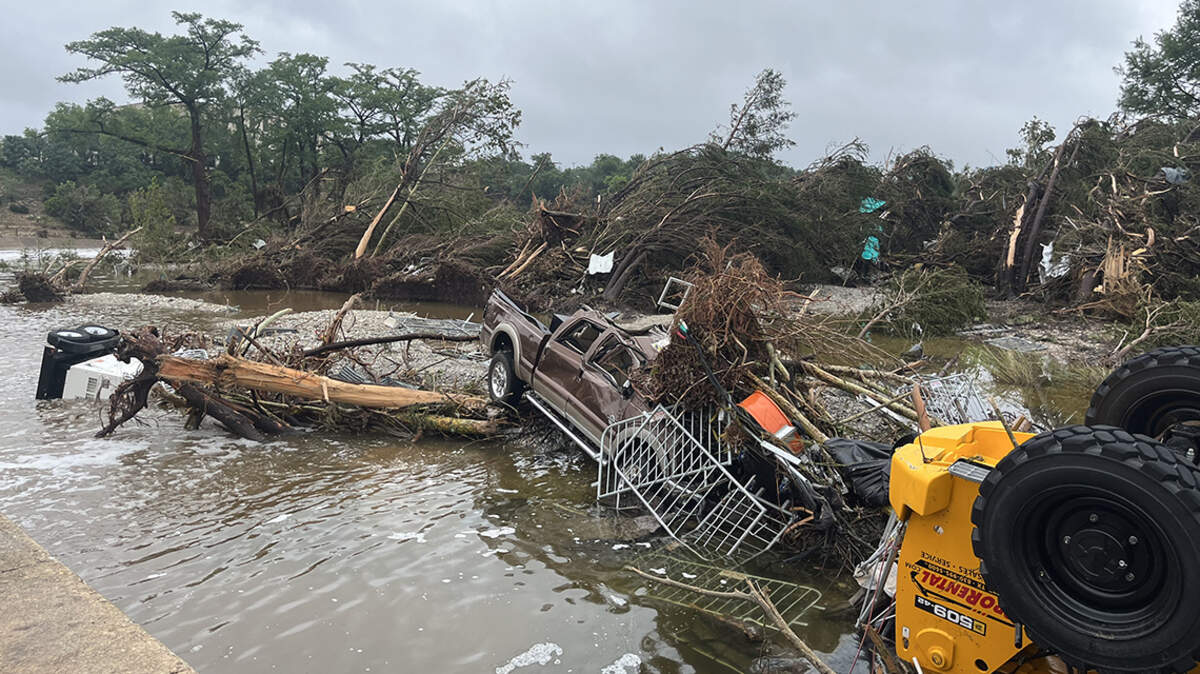
When severe storms drive flash flooding in Texas, ice and snow shut down streets in Kansas City or tornadoes damage vital public facilities in rural America, it’s local public works teams who respond first and leave last. They clear debris, restore water and sewer services, inspect bridges and reopen schools and hospitals.
While these teams operate locally, the support they depend on often comes from the federal government — especially from the Federal Emergency Management Agency.
FEMA is more than just a disaster response agency. For local public works professionals, it is an essential infrastructure partner that helps communities recover and build resilience against future disasters.
That’s why the Fixing Emergency Management for Americans Act of 2025, now before Congress, is important. This bipartisan legislation would elevate FEMA to a Cabinet-level agency and expand its ability to support permanent repairs — not just temporary fixes — to critical infrastructure.
What does that mean for local communities? When floods damage roads or tornadoes strike small towns, public works departments could rebuild infrastructure to stronger, safer standards. This approach would not only speed recovery, but also reduce future costs by preventing repeat damage.
The bill would also reward states that invest in hazard mitigation by offering better federal cost-sharing. Communities that proactively upgrade stormwater systems, reinforce bridges or enhance flood protections would receive more federal support — easing the financial load on local governments and the residents of the impacted communities.
This legislation aligns with the leadership of Missouri Rep. Sam Graves, who has championed practical infrastructure policies for communities. He understands that emergency management is infrastructure policy — and that public works professionals, who are first responders, need the right tools and resources to keep our communities safe and resilient.
Even now, FEMA’s Public Assistance Program and mitigation grants help communities repair and upgrade roads, water systems and public facilities after disasters. The Fixing FEMA Act would streamline these programs, simplify the grant process and strengthen FEMA’s workforce support — helping especially smaller communities with limited resources.
As natural disasters increase in frequency and severity — such as the tragedy we’ve seen with the flooding in Texas this past weekend — FEMA must evolve from a reactive agency into a proactive infrastructure partner. The Fixing FEMA Act is a step in that direction.
America’s communities — from the Guadalupe River to Kansas City — deserve nothing less.
This story was originally published July 8, 2025 at 5:04 AM.