
Calm the panic on data centers. Make the boom work for Texas, Fort Worth | Opinion
AI-generated summary reviewed by our newsroom.
- Texas leaders should avoid blanket moratoriums on data center construction.
- State must ensure tax incentives for data centers deliver long-term public value.
- Developers should plan for obsolescence and fund future redevelopment needs.
We’re approaching full-blown panic on the construction of data centers in Texas.
In communities small and large, projects to construct the computing power needed for the AI age are facing questions about water and electricity consumption, whether tax incentives will ultimately pay off and what happens if and when the centers are rendered obsolete.
Texas leaders at every level should listen to their constituents’ concerns and respond thoughtfully. Knee-jerk populist reactions such as sweeping moratoriums will only cause the state to lose out on development. But we should take the opportunity to consider long-term ramifications beyond the next zoning case or ribbon cutting.
Handled right, data centers can flourish without catastrophes in water and power use, community disruption and lost revenue. For Fort Worth, they might even be a tool to reverse the city’s property-tax imbalance, in which homeowners are paying more of the burden than businesses.
No moratoriums on data centers at any level in Texas
Any kind of blanket pause on construction would be a mistake. At some level, alarm over data centers is a stand-in for broader concerns about an AI-dominated economy. With advancement happening so fast, people are rightfully concerned about losing jobs, surrendering privacy and relying even more on devices that can harm all of us, especially children.
Everything we’ve come to regret in the 20 years since Apple put supercomputers in our pockets is distilled in the fight over AI.
But leaders should channel energy into the considerable benefits that are already showing up. It’s not all dumb or misleading chatbots or frighteningly realistic but fake photos and videos. AI will lead to huge leaps forward in medical diagnoses, engineering and countless other fields that people will feel in everyday life. It could give us an unmistakable edge in national security and military or foreign-affairs intelligence.
Data centers are coming, lots of them, and if Texas can reap the benefits while managing the costs, it must.
That probably means some heavy-handedness from the state is inevitable. Patchwork regulation damages nascent, fast-developing industries.
But the state shouldn’t smother local communities’ autonomy. Counties are currently ill-equipped to regulate data center construction, to the point that they’re often disadvantaged in potential negotiations.

State Rep. David Cook of Mansfield said rural counties could benefit from the power to issue specific-use permits, which help ensure a project fits its surrounding community and allow for a public-input process. Cook is running for state Senate this fall and would represent Hood County, where there’s been a backlash to a proposed data center, if he wins.
The state needs to ensure that tax incentives are still paying off in the long run. The amount of sales tax breaks alone statewide has ballooned to $1.3 billion in about a decade, according to the state comptroller’s office. It’s time to strike a better deal. After all, businesses will negotiate long-term concessions, given the urgency of the industry’s growth.
Concerns about water and power usage are real. But they are solvable engineering problems. Developers must be pushed to use cooling systems that minimize water and reuse as much as possible. As for electricity, lawmakers smartly gave regulators the power to order centers to shut down in times of high demand. And most data centers are building at least some of their own power generation. We should insist that they do so.
Planning ahead for abandoned data centers
Computers have always gotten smaller, faster and cheaper. The sheer magnitude of processing required for AI might slow that process considerably, but communities are right to fear that empty warehouses once buzzing with servers will be the next almost-empty shopping malls.
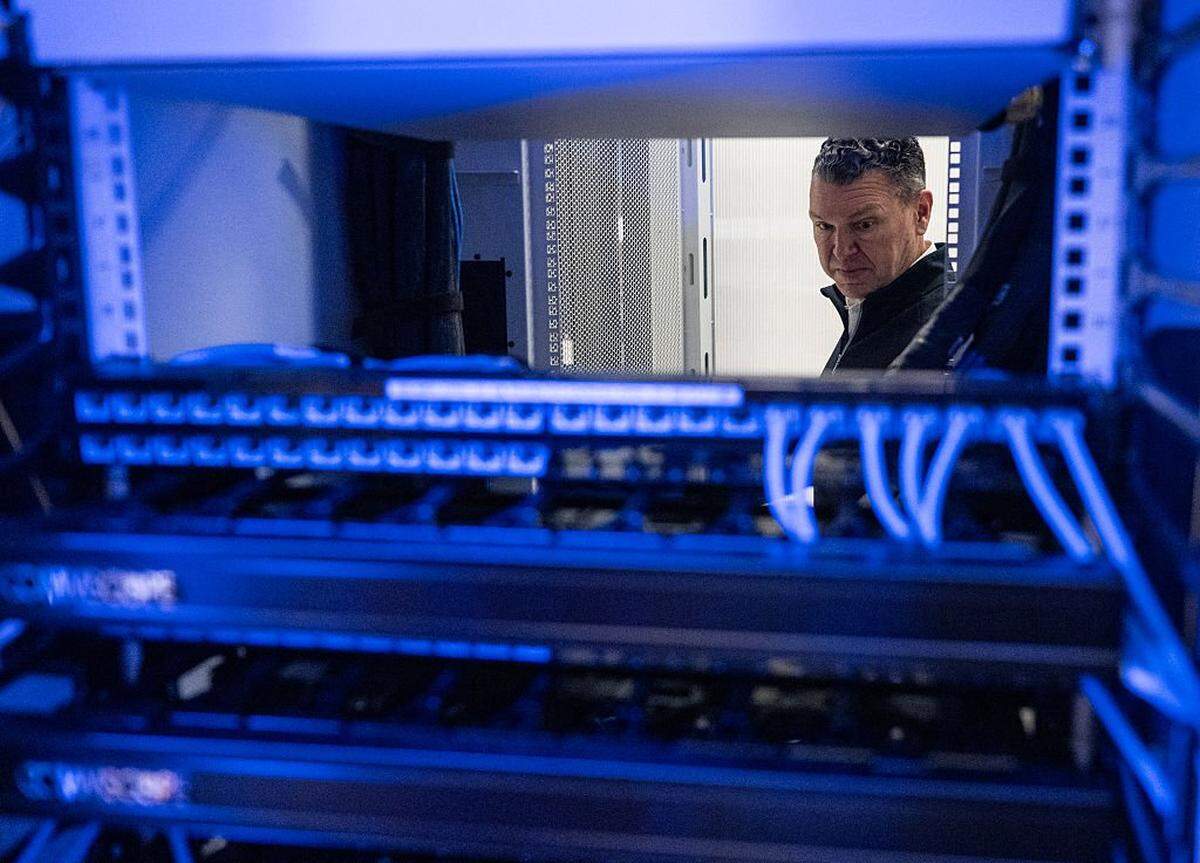
Fort Worth Mayor Mattie Parker told our Editorial Board that one potential solution is to require developers to plan for obsolescence, perhaps by depositing money in a redevelopment fund for the future.
The city’s battles over big data center proposals have turned on the usual factors, all legitimate and important — neighbors’ concerns, questions about whether proposed job creation is worth it, and environmental issues. But data center development could solve problems, too. City Manager Jay Chapa told us that the boom could be a source of property-tax revenue significant enough to chip away at the homeowner/business imbalance, which is typically about 60%-40%.
In other words, welcoming data centers with the right mix of incentives and mandates could help keep residents’ property taxes under control, or perhaps even help cut them some.
That’s about as populist as you can get.
BEHIND THE STORY
MOREHey, who writes these editorials?
Editorials are the positions of the Editorial Board, which serves as the Fort Worth Star-Telegram’s institutional voice. The members of the board are: Cynthia M. Allen, columnist; Steve Coffman, editor and president; Bud Kennedy, columnist; and Ryan J. Rusak, opinion editor. Most editorials are written by Rusak. Editorials are unsigned because they represent the board’s consensus positions, not necessarily the views of individual writers.
Read more by clicking the arrow in the upper right.
How are topics and positions chosen?
The Editorial Board meets regularly to discuss issues in the news and what points should be made in editorials. We strive to build a consensus to produce the strongest editorials possible, but when we differ, we put matters to a vote.
The board aims to be consistent with stances it has taken in the past but usually engages in a fresh discussion based on new developments and different perspectives.
We focus on local and state news, though we will also weigh in on national issues with an eye toward their impact on Texas or the Dallas-Fort Worth area.
How are these different from news articles or signed columns?
News reporters strive to keep their opinions out of what they write. They have no input on the Editorial Board’s stances. The board consults their reporting and expertise but does its own research for editorials.
Signed columns by writers such as Allen, Kennedy and Rusak contain the writer’s personal opinions.
How can I respond to an editorial, suggest a topic or ask a question?
We invite readers to write letters to be considered for publication. The preferred method is an email to letters@star-telegram.com. To suggest a topic or ask a question, please email Rusak directly at rrusak@star-telegram.com.